Letter Speaking Engagement With Retainer In Texas
Description

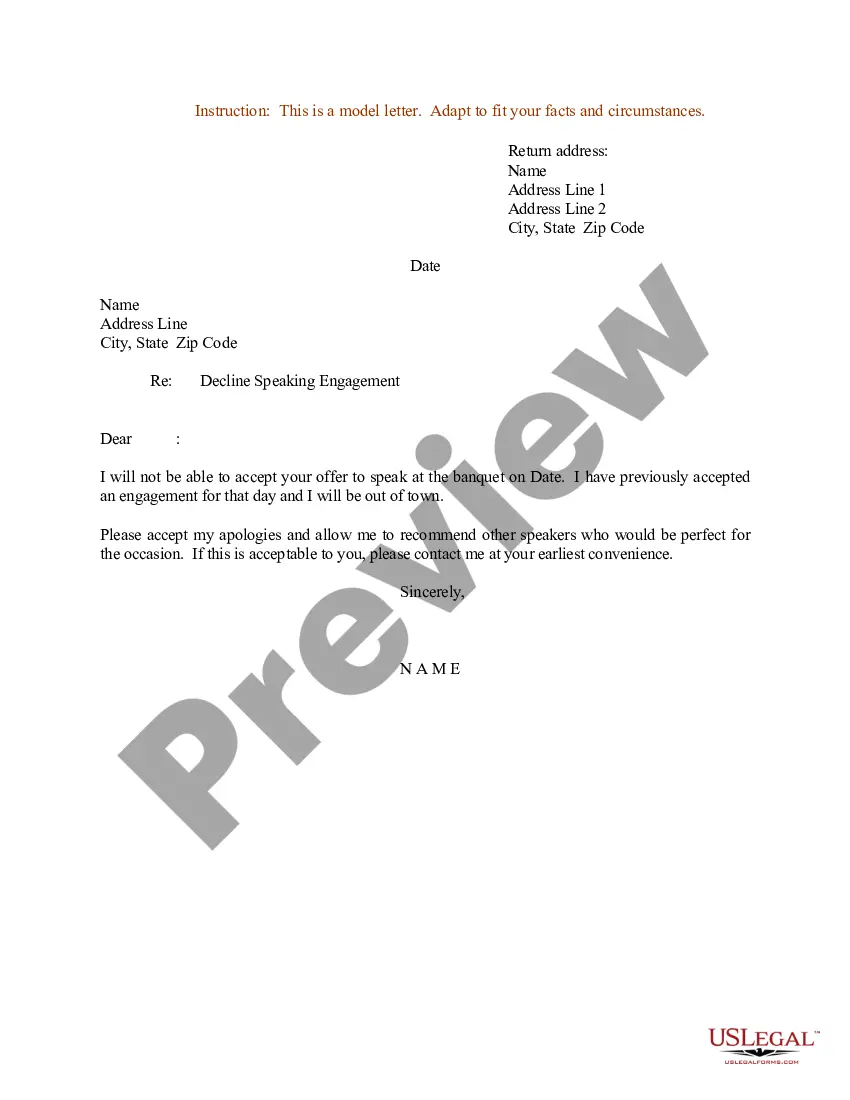

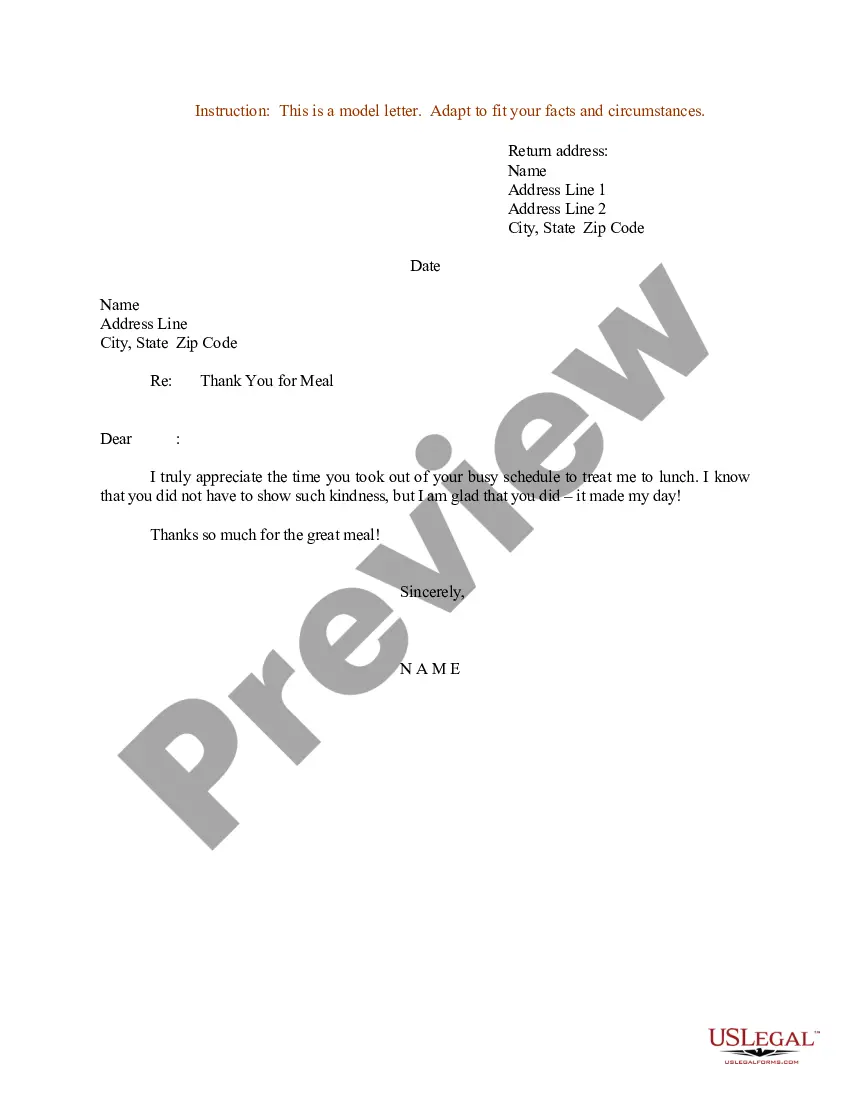
Get your form ready online
Our built-in tools help you complete, sign, share, and store your documents in one place.
Make edits, fill in missing information, and update formatting in US Legal Forms—just like you would in MS Word.
Download a copy, print it, send it by email, or mail it via USPS—whatever works best for your next step.
Sign and collect signatures with our SignNow integration. Send to multiple recipients, set reminders, and more. Go Premium to unlock E-Sign.
If this form requires notarization, complete it online through a secure video call—no need to meet a notary in person or wait for an appointment.
We protect your documents and personal data by following strict security and privacy standards.

Make edits, fill in missing information, and update formatting in US Legal Forms—just like you would in MS Word.

Download a copy, print it, send it by email, or mail it via USPS—whatever works best for your next step.

Sign and collect signatures with our SignNow integration. Send to multiple recipients, set reminders, and more. Go Premium to unlock E-Sign.

If this form requires notarization, complete it online through a secure video call—no need to meet a notary in person or wait for an appointment.

We protect your documents and personal data by following strict security and privacy standards.
Looking for another form?




Form popularity
FAQ
1. As noted above, a retainer agreement is a letter of engagement countersigned by both the attorney and the client, and contains all the elements that letters of engagement must contain.
The Board and Management need to sign and return the Engagement Letter to our office before we may commence the work. The Representation Letter is issued with the draft audit and is required by auditing standards to finalize the audit.
A retainer agreement is a work-for-hire contract. It falls between a one-off contract and permanent employment, which may be full-time or part-time. Its distinguishing feature is that the client or customer pays in advance for professional work to be specified later.
Since engagement agreements may not be protected by attorney-client privilege, an attorney must be careful not to be overly detailed in the description of the scope of services.
This is a legal contract between the law firm and the client setting forth the terms of the legal services to be provided and how the client will be charged for the services.
Generally, no, if you follow Rule 7.05 concerning written solicitations and Rule 7.04 concerning filing requirements of written solicitations. However, also see Rule 8.04(a)(9) which prohibits lawyers from engaging in conduct that constitutes barratry as defined by the law of this state.
As a best practice, licensees should consider using a retainer agreement or engagement letter for every matter. Confirming the essential terms of the engagement with the client in writing manages client expectations and reduces the risk of misunderstanding between the licensee and their client.
An engagement letter is drafted by the company rendering the service, often with the help of a lawyer. It is than presented to the client, and both parties must sign in order for it to be legally binding.

