Letter Speaking Engagement Format In Riverside
Description
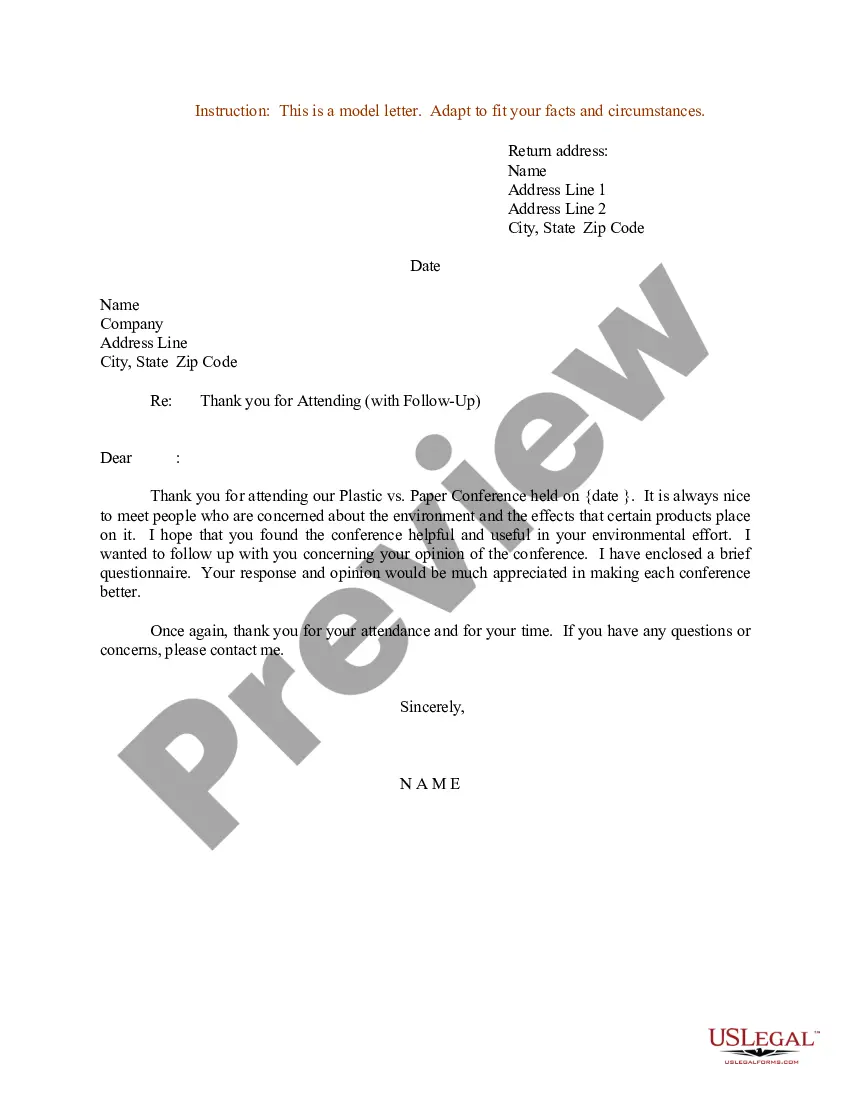
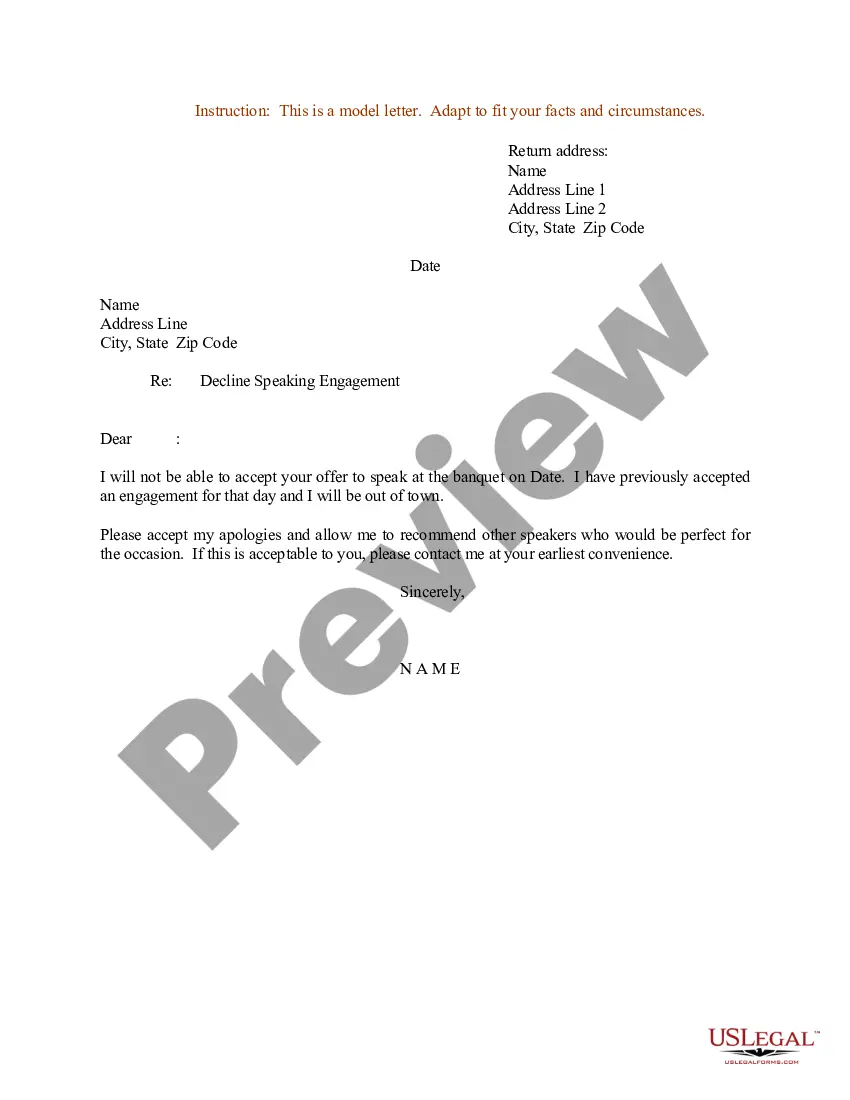
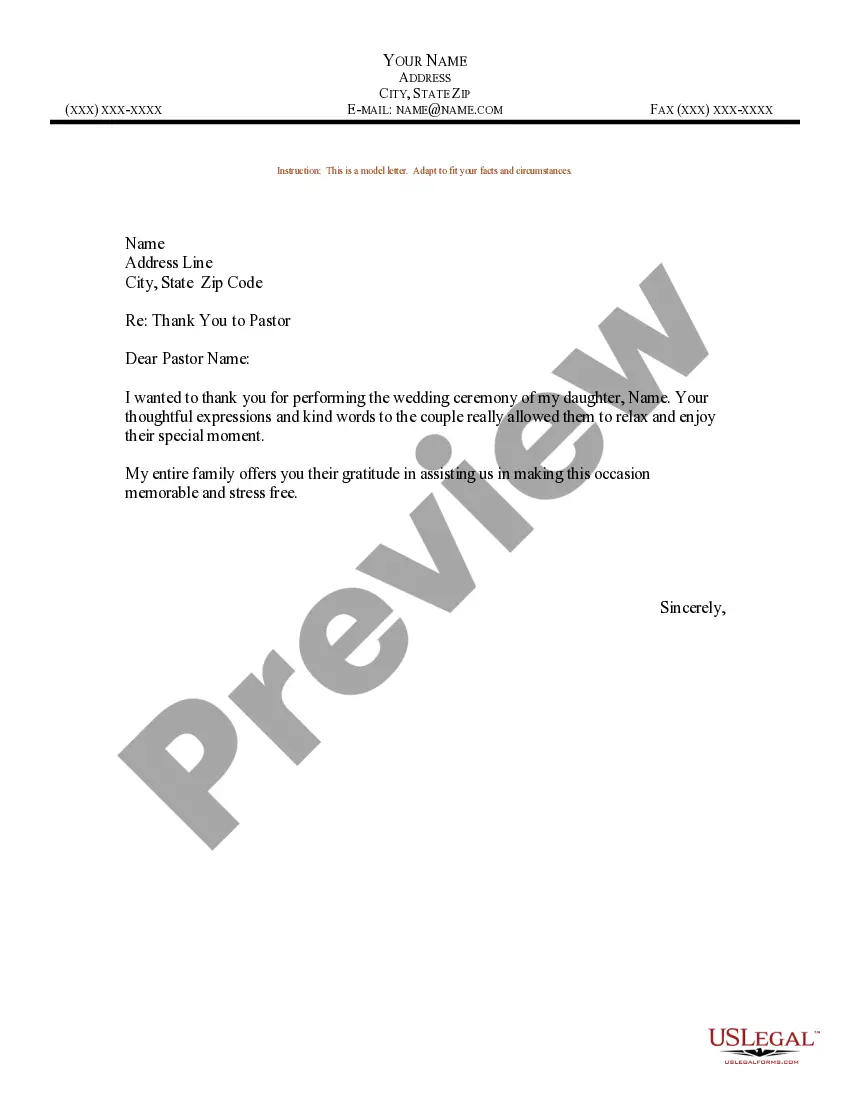
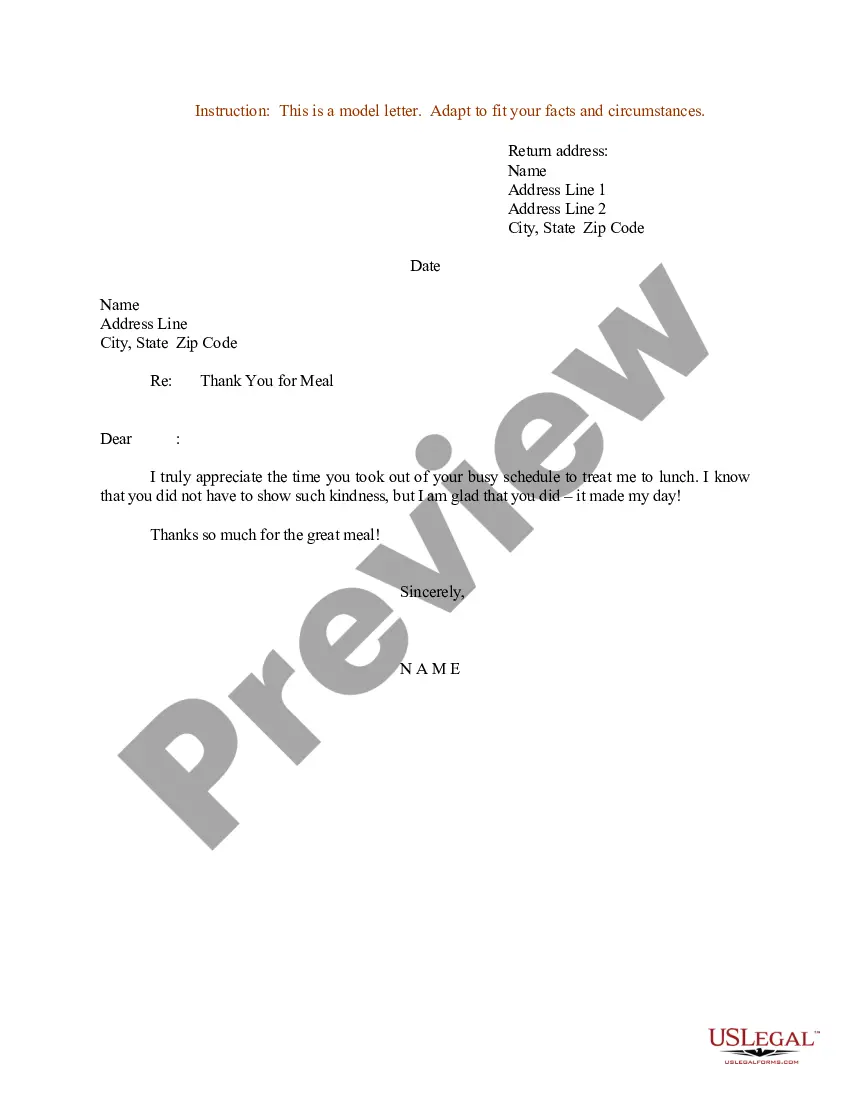
Get your form ready online
Our built-in tools help you complete, sign, share, and store your documents in one place.
Make edits, fill in missing information, and update formatting in US Legal Forms—just like you would in MS Word.
Download a copy, print it, send it by email, or mail it via USPS—whatever works best for your next step.
Sign and collect signatures with our SignNow integration. Send to multiple recipients, set reminders, and more. Go Premium to unlock E-Sign.
If this form requires notarization, complete it online through a secure video call—no need to meet a notary in person or wait for an appointment.
We protect your documents and personal data by following strict security and privacy standards.

Make edits, fill in missing information, and update formatting in US Legal Forms—just like you would in MS Word.

Download a copy, print it, send it by email, or mail it via USPS—whatever works best for your next step.

Sign and collect signatures with our SignNow integration. Send to multiple recipients, set reminders, and more. Go Premium to unlock E-Sign.

If this form requires notarization, complete it online through a secure video call—no need to meet a notary in person or wait for an appointment.

We protect your documents and personal data by following strict security and privacy standards.
Looking for another form?




Form popularity
FAQ
A talking-head video is one where someone speaks directly into the camera. This person is usually a 'Subject Matter Expert' (SME), an interviewer, or an interviewee. In these videos, the shots are taken from the chest or waist upwards, with the subject seated or standing.
So it looks like they're having a conversation. If your subject is seated you typically want toMoreSo it looks like they're having a conversation. If your subject is seated you typically want to shoot above. The lap. And higher sometimes clothes and different parts can be Unbecoming. And so going
Over the Shoulder The over the shoulder shot, is most commonly used in film when two or more characters are talking to each other in conversation. This type of shot is used to establish eyeline of where each character in the scene is looking, and is most commonly framed through a medium or close-up shot.
Riverside automatically generates a transcript of your recording. All you have to do is click on the captions icon (inside the Editor) and choose one of the five styles available. Doing this adds captions to the video instantly.
For talking head videos, you generally want the light at a 45 degree angle and slightly angled downward. You can do that with a ring light, but it's not ideal. It's best to use softbox lights, which produce much softer light. I'd either return the ring light, or use it as a hair light.
For interview and talking head videos, you want to use a wide aperture, such as f/2.8 or f/4, to create a shallow depth of field. This means that your subject will be in focus while the background will be blurred, creating a separation and a cinematic look.
Here are six tips for talking head video production. Shoot with the end in mind. Don't use green screens. Lighting is critical. A little bit of set design goes a long way. Audio is 50 percent of the video. Two cameras are better than one.
Here are the exact recording settings that. you need to create crispy talking head videos. just like this. Set your camera to movie mode. and if you have the option. select 4K 24 frames per second. Change your shutter speed to 1 over 50. Depending on the lens you have, you wanna set your aperture as low as possible.
How to write a transcript in 5 steps Prepare your tools and environment. Listen and transcribe audio. Format and structure. Proofread and edit your transcript. Add timestamps.
Transcription is the process of converting speech or audio into written text. It involves listening to an audio or video recording, writing down spoken words, and accurately representing the speech patterns.

