Sample Speaking Engagement Agreement For Clients In Philadelphia
Description
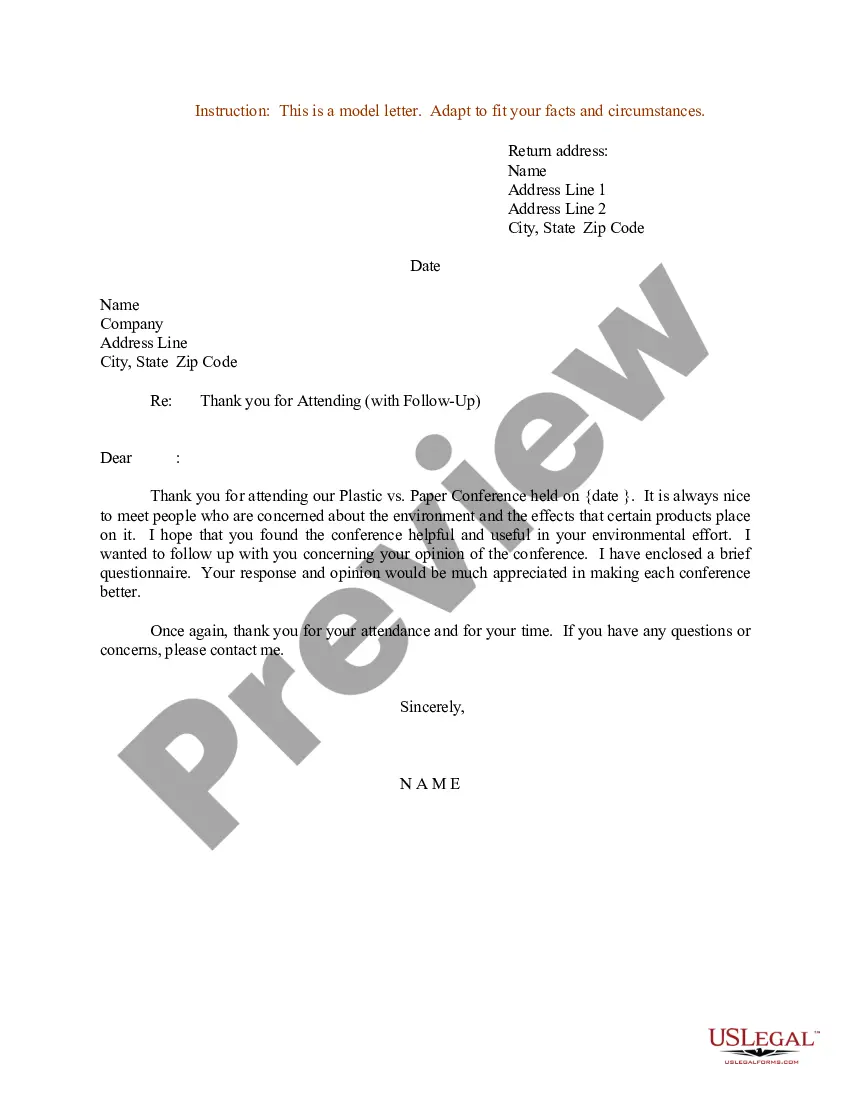
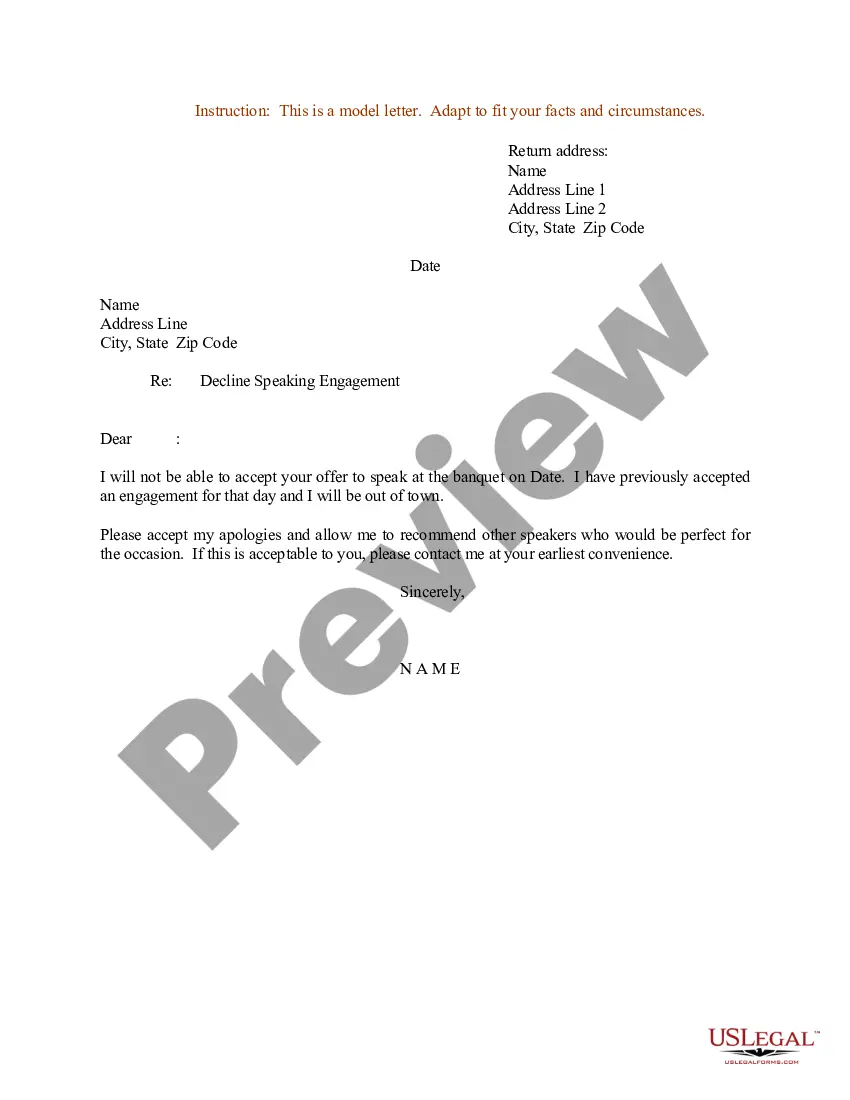
Get your form ready online
Our built-in tools help you complete, sign, share, and store your documents in one place.
Make edits, fill in missing information, and update formatting in US Legal Forms—just like you would in MS Word.
Download a copy, print it, send it by email, or mail it via USPS—whatever works best for your next step.
Sign and collect signatures with our SignNow integration. Send to multiple recipients, set reminders, and more. Go Premium to unlock E-Sign.
If this form requires notarization, complete it online through a secure video call—no need to meet a notary in person or wait for an appointment.
We protect your documents and personal data by following strict security and privacy standards.

Make edits, fill in missing information, and update formatting in US Legal Forms—just like you would in MS Word.

Download a copy, print it, send it by email, or mail it via USPS—whatever works best for your next step.

Sign and collect signatures with our SignNow integration. Send to multiple recipients, set reminders, and more. Go Premium to unlock E-Sign.

If this form requires notarization, complete it online through a secure video call—no need to meet a notary in person or wait for an appointment.

We protect your documents and personal data by following strict security and privacy standards.
Looking for another form?




Form popularity
FAQ
Verbal agreement (noun as in gentleman's agreement) Weak matches. bond contract deal gentlemen's agreement handshake pact pactum pledge tacit agreement understanding unspoken agreement unwritten agreement.
A music contract should include key elements such as the scope of work, payment terms, copyright ownership, and any royalties or revenue sharing agreements. This ensures that all parties involved understand their rights and obligations, which is crucial for a successful music release strategy.
In a nutshell, speaker contracts are print or electronic documents that outline a professional agreement between a speaker and their client.
Here's how to write a professional, airtight service agreement using ClickUp: Step 1: Identify the parties involved. Step 2: Define the scope of services. Step 3: Set payment terms. Step 4: Outline the responsibilities of each party. Step 5: Add termination, dispute resolution, and other essential clauses.
In a nutshell, speaker contracts are print or electronic documents that outline a professional agreement between a speaker and their client.
To write a simple contract, title it clearly, identify all parties and specify terms (services or payments). Include an offer, acceptance, consideration, and intent. Add a signature and date for enforceability. Written contracts reduce disputes and offer better legal security than verbal ones.
HOW TO WRITE A BUSINESS CONTRACT USE PLAIN LANGUAGE. The clearer and simpler your business contracts are, the better. IDENTIFY THE 5 W'S. Include all of the relevant details in your contract. INCLUDE PAYMENT INFORMATION. DESCRIBE TERMINATION PROCEDURES. INCLUDE DISPUTE RESOLUTION.
How to write a contract agreement in 7 steps. Determine the type of contract required. Confirm the necessary parties. Choose someone to draft the contract. Write the contract with the proper formatting. Review the written contract with a lawyer. Send the contract agreement for review or revisions.
To help you get started, take a look at a few basic components to include in your contract so you can better protect your art business. Client Info. Project Info and Terms. Project Timeline. Costs and Payment Terms. Itemization. Artist's Rights. Cancellation Terms. Acceptance of Agreement.

