Letter Engagement Statement Withdrawal In Ohio
Description
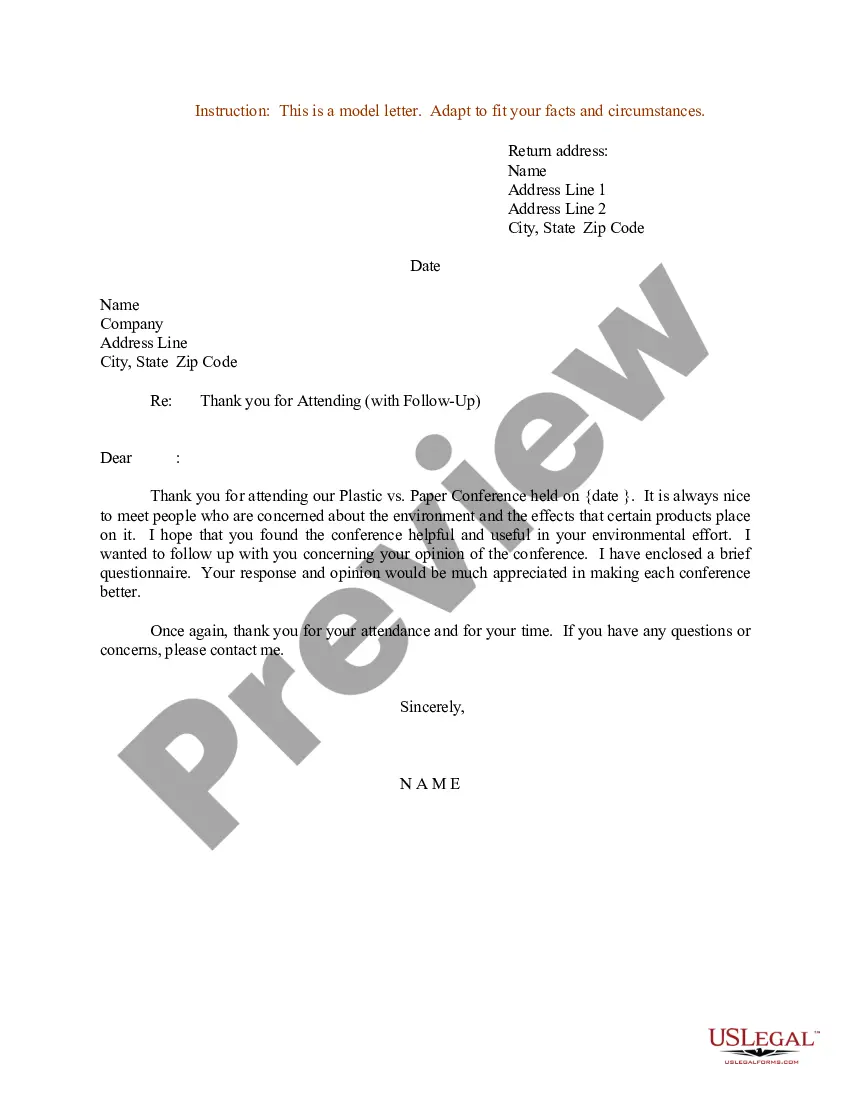
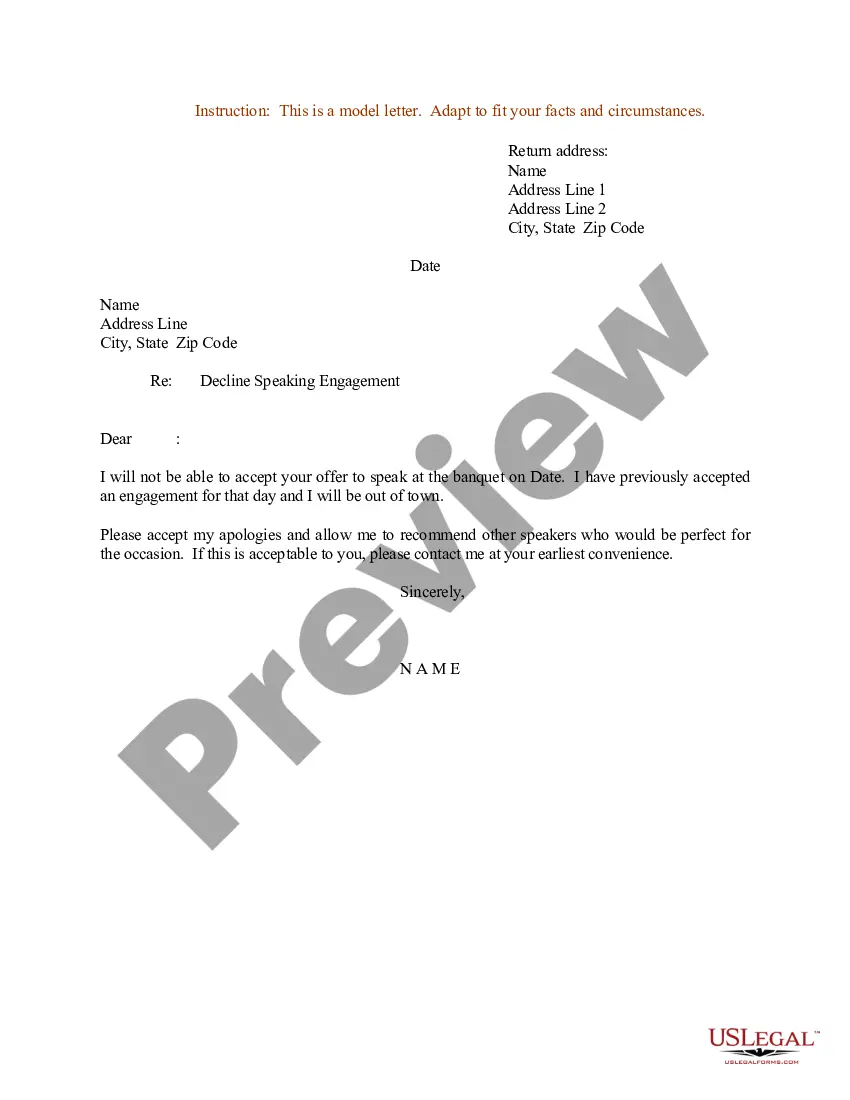
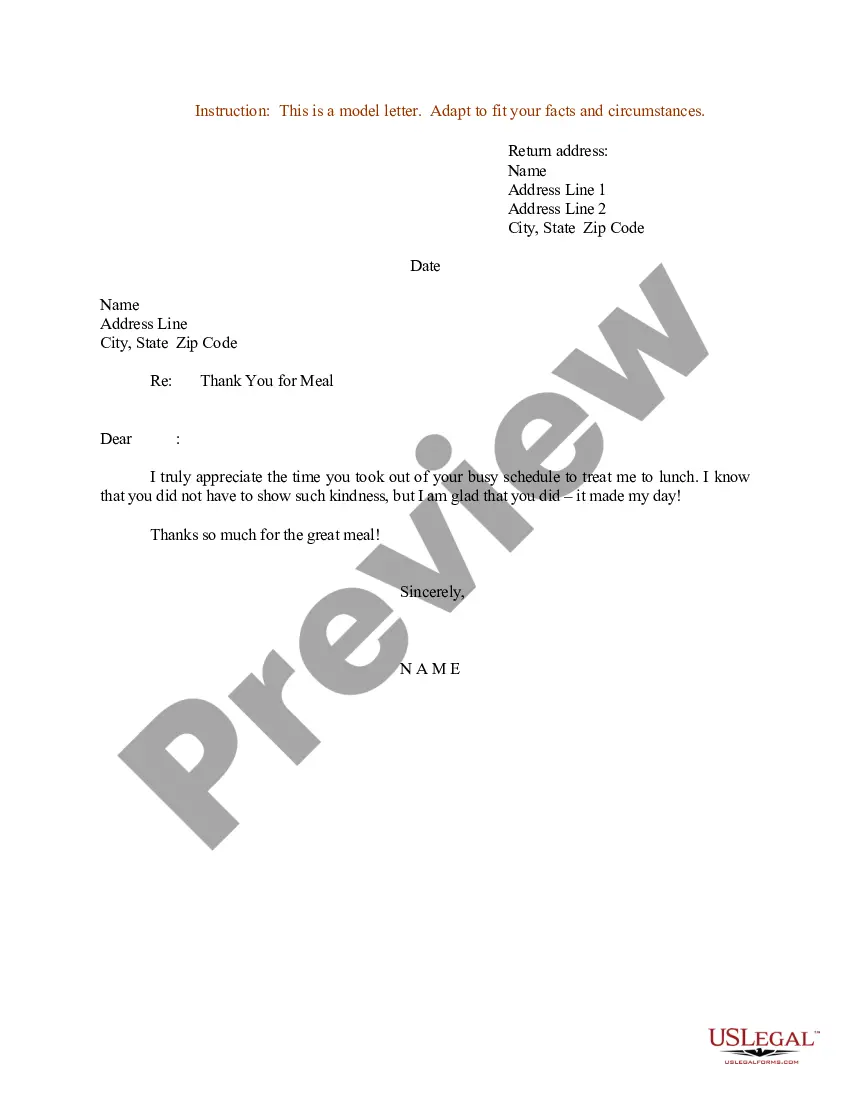
Get your form ready online
Our built-in tools help you complete, sign, share, and store your documents in one place.
Make edits, fill in missing information, and update formatting in US Legal Forms—just like you would in MS Word.
Download a copy, print it, send it by email, or mail it via USPS—whatever works best for your next step.
Sign and collect signatures with our SignNow integration. Send to multiple recipients, set reminders, and more. Go Premium to unlock E-Sign.
If this form requires notarization, complete it online through a secure video call—no need to meet a notary in person or wait for an appointment.
We protect your documents and personal data by following strict security and privacy standards.

Make edits, fill in missing information, and update formatting in US Legal Forms—just like you would in MS Word.

Download a copy, print it, send it by email, or mail it via USPS—whatever works best for your next step.

Sign and collect signatures with our SignNow integration. Send to multiple recipients, set reminders, and more. Go Premium to unlock E-Sign.

If this form requires notarization, complete it online through a secure video call—no need to meet a notary in person or wait for an appointment.

We protect your documents and personal data by following strict security and privacy standards.
Looking for another form?









Form popularity
FAQ
The purpose of a disengagement letter is to clarify with the client the matters for which your firm will continue to have responsibility during the handover and those that will fall immediately to the new accountants.
The first paragraph of the letter should clearly indicate that the client relationship is being terminated, note the effective date of termination and provide the status of services agreed upon in previously issued engagement letters.
The termination clause states the reasons why an engagement letter may be considered terminated and provides details regarding how to exit out of an agreement.
Contents Defining the purpose of the letter and the termination of the employment relationship. Establish the date of termination. Reference any applicable laws or contractual obligations. Outlining the rights and responsibilities of the employee and the employer.
A disengagement letter serves to formally notify a client that a professional service provider, such as a lawyer, is concluding their services. This letter is crucial for ensuring clarity and avoiding any misunderstandings about the ongoing nature of the relationship.
A disengagement letter serves to make clear that a client has ceased to be a current client for conflict of interest analysis. We recommend lawyers include language about file destruction in all engagement letters and again in the disengagement letters.
In fact, in the event of a dispute, one of the first documents requested is the engagement letter. Engagement letters can help prevent a disagreement from growing to a claim. If a claim should arise, the existence of an engagement letter generally leads to lower claim severity.
A disengagement letter is especially critical when a lawyer decides not to continue past a specific stage in a case. The lawyer should send a disengagement letter to establish that the relationship is no longer continuing, and to refer the client to another lawyer.
Who is required to register with the Ohio Secretary of State? Any business entity, domestic or foreign, planning to transact business within Ohio, using a name other than their own personal name, must register with this office.
"Qualifying pass-through entities whose equity investors are limited to nonresident individuals, nonresident estates and nonresident trusts can file either Ohio forms IT 1140 or IT 4708. All other qualifying pass-through entities must file Ohio form IT 1140 and may also choose to file Ohio form IT 4708."

