Engagement Letter Format For Bank Audit In Oakland
Description
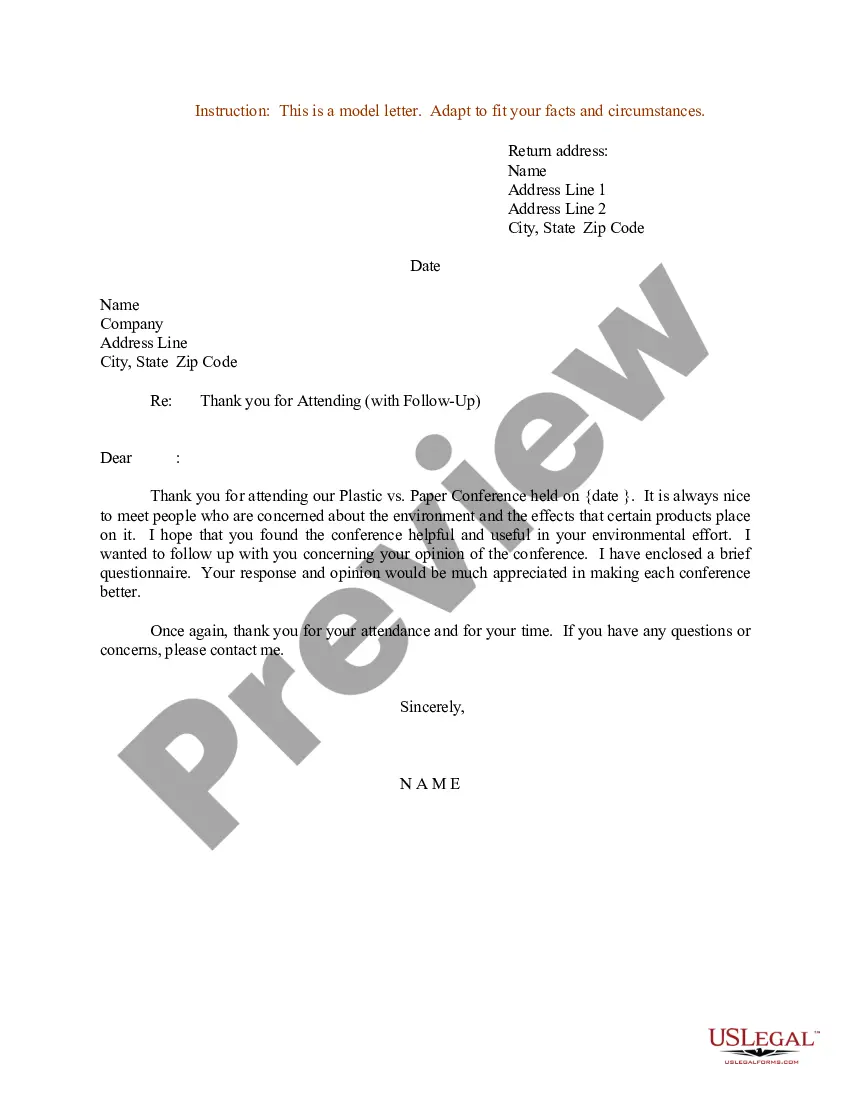
Get your form ready online
Our built-in tools help you complete, sign, share, and store your documents in one place.
Make edits, fill in missing information, and update formatting in US Legal Forms—just like you would in MS Word.
Download a copy, print it, send it by email, or mail it via USPS—whatever works best for your next step.
Sign and collect signatures with our SignNow integration. Send to multiple recipients, set reminders, and more. Go Premium to unlock E-Sign.
If this form requires notarization, complete it online through a secure video call—no need to meet a notary in person or wait for an appointment.
We protect your documents and personal data by following strict security and privacy standards.

Make edits, fill in missing information, and update formatting in US Legal Forms—just like you would in MS Word.

Download a copy, print it, send it by email, or mail it via USPS—whatever works best for your next step.

Sign and collect signatures with our SignNow integration. Send to multiple recipients, set reminders, and more. Go Premium to unlock E-Sign.

If this form requires notarization, complete it online through a secure video call—no need to meet a notary in person or wait for an appointment.

We protect your documents and personal data by following strict security and privacy standards.
Looking for another form?




Form popularity
FAQ
Your designated audit firm will prepare the specific terms of engagement using the appropriate AICPA-issued engagement letter template. It should be noted that there are many terms for audit engagements that are deemed required by the AICPA and therefore unable to be negotiated.
Audit team reports frequently adhere to the rule of the “Five C's” of data sharing and communication, and a thorough summary in a report will include each of these elements. The “Five C's” are criteria, condition, cause, consequence, and corrective action.
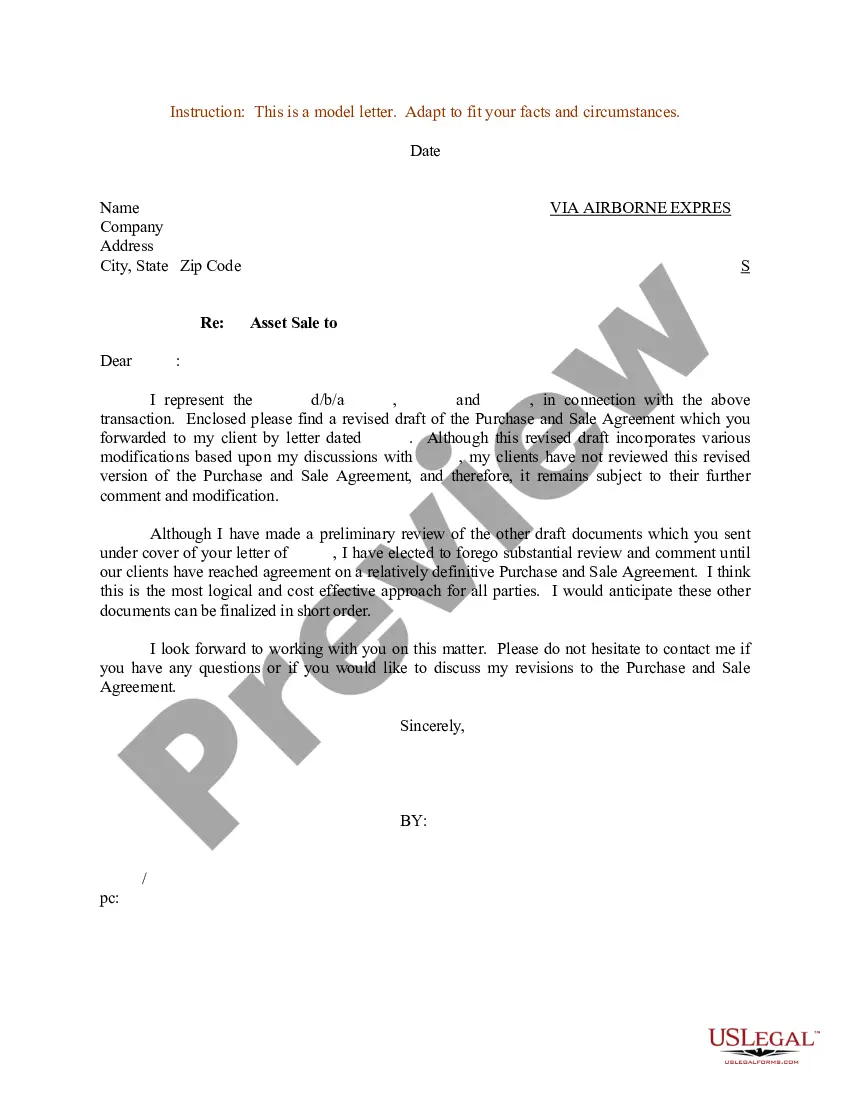
Preparation Process The audit engagement letter is typically prepared by the auditor conducting the audit. It serves as a crucial document outlining the terms and responsibilities involved in the audit process.
The internal auditor and the auditee should agree on the terms of the engagement before commencement. The agreed terms would need to be recorded in an engagement letter.
What Does an Audit Engagement Letter Typically Include? Introduction and Purpose. Scope of the Audit. Auditor's Responsibilities. Client's Responsibilities. Audit Limitations. Applicable Standards. Fees and Payment Terms. Confidentiality and Data Security.
When should the engagement letter be sent and signed? The audit engagement letter should be sent after verbal confirmation of the appointment of you as the auditor and ideally signed before the start of any audit work.
It is in the interests of both the entity and the auditor that the auditor sends an audit engagement letter before the commencement of the audit to help avoid misunderstandings with respect to the audit.
The IRS performs audits by mail or in person. The notice you receive will have specific information about why your return is being examined, what documents if any they need from you, and how you should proceed. Once the IRS completes the examination, it may accept your return as filed or propose changes.
The service provider typically prepares the Letter of Engagement, be it a law firm, accounting agency, consultancy, or any professional offering services.
Who Prepares a Letter of Engagement? An engagement letter is drafted by the company rendering the service, often with the help of a lawyer. It is than presented to the client, and both parties must sign in order for it to be legally binding.

