Letter Engagement Documents With Withdraw In North Carolina
Description
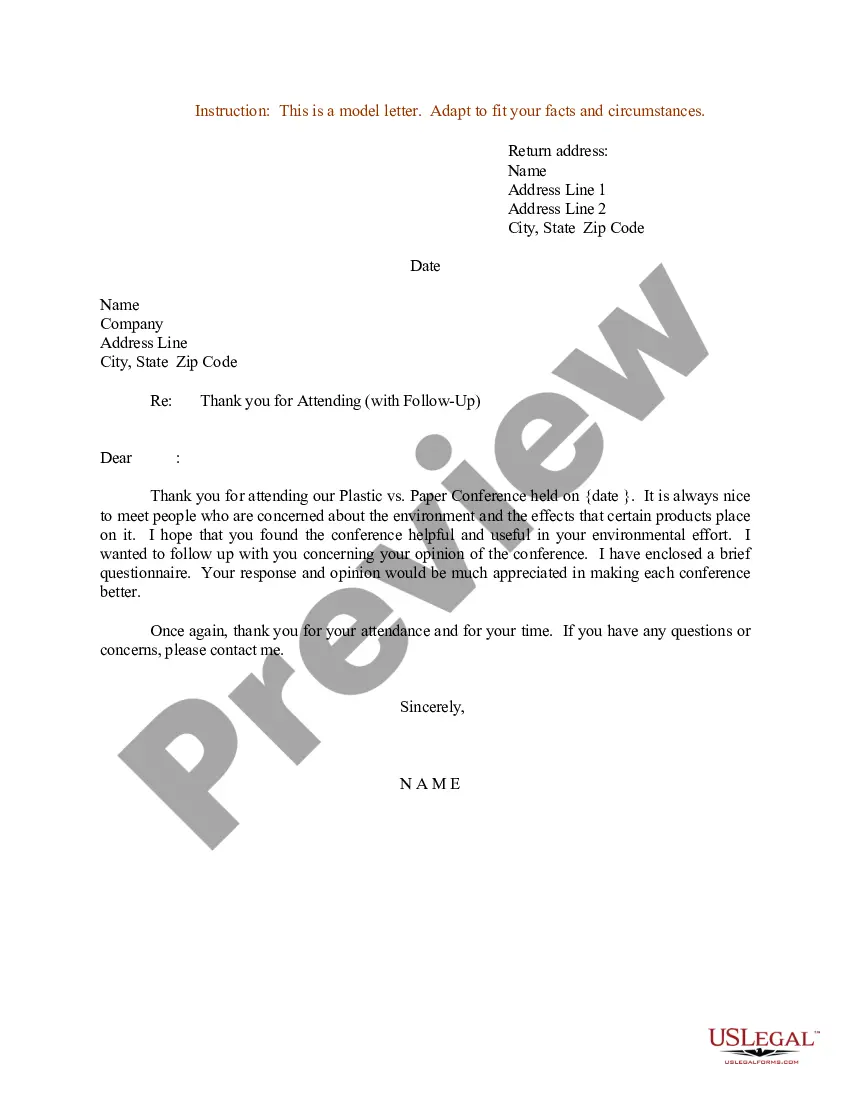
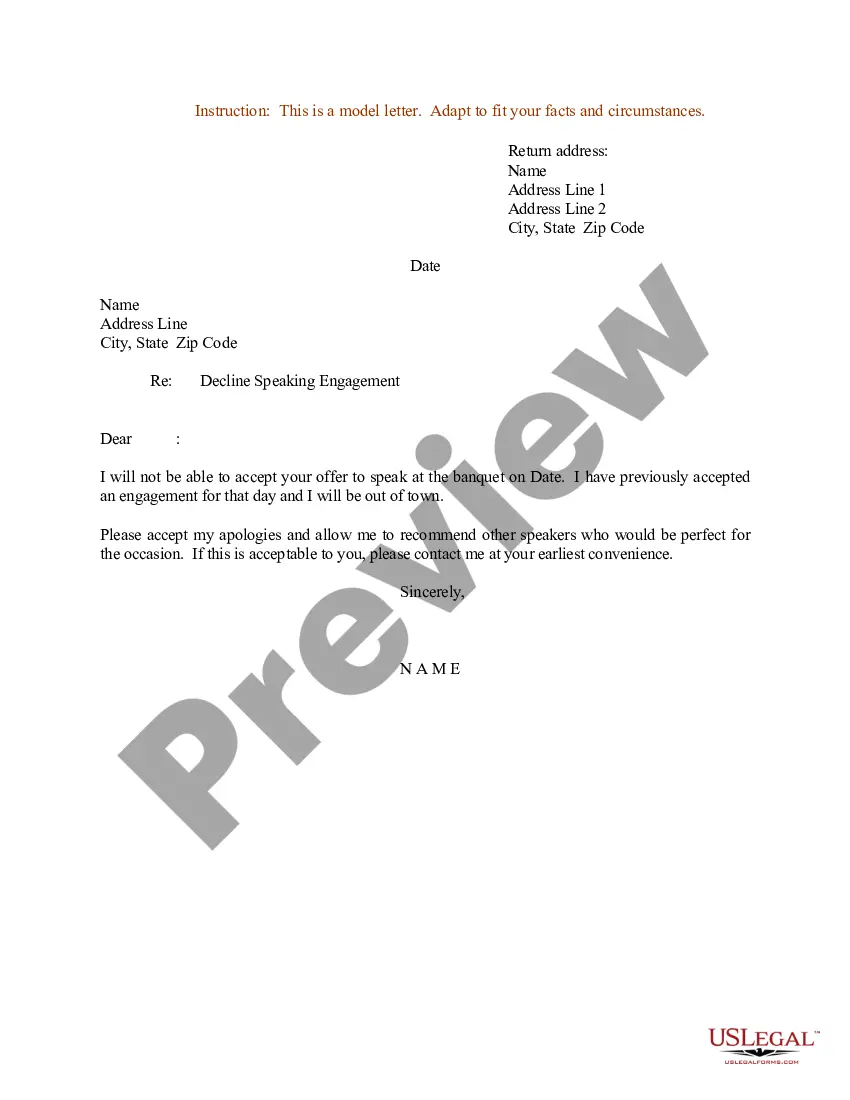
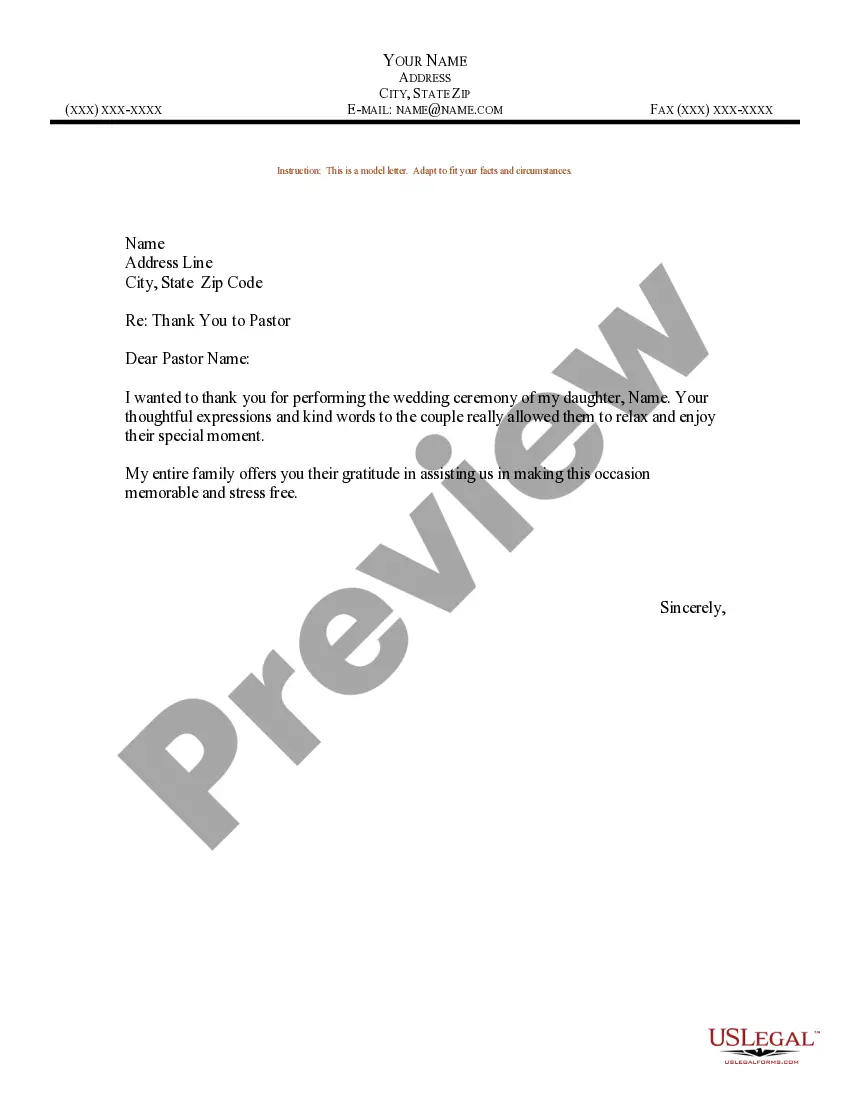
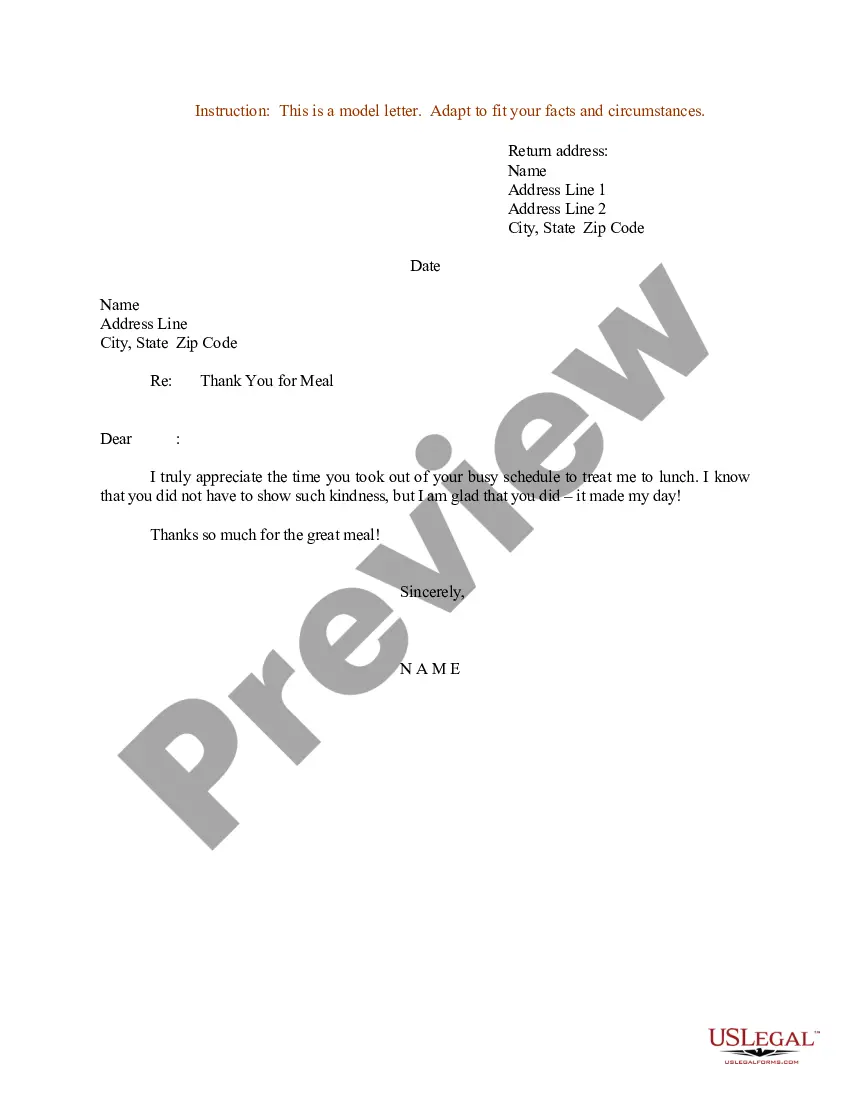
Get your form ready online
Our built-in tools help you complete, sign, share, and store your documents in one place.
Make edits, fill in missing information, and update formatting in US Legal Forms—just like you would in MS Word.
Download a copy, print it, send it by email, or mail it via USPS—whatever works best for your next step.
Sign and collect signatures with our SignNow integration. Send to multiple recipients, set reminders, and more. Go Premium to unlock E-Sign.
If this form requires notarization, complete it online through a secure video call—no need to meet a notary in person or wait for an appointment.
We protect your documents and personal data by following strict security and privacy standards.

Make edits, fill in missing information, and update formatting in US Legal Forms—just like you would in MS Word.

Download a copy, print it, send it by email, or mail it via USPS—whatever works best for your next step.

Sign and collect signatures with our SignNow integration. Send to multiple recipients, set reminders, and more. Go Premium to unlock E-Sign.

If this form requires notarization, complete it online through a secure video call—no need to meet a notary in person or wait for an appointment.

We protect your documents and personal data by following strict security and privacy standards.
Looking for another form?





Form popularity
FAQ
The lawyer must warn the client before withdrawing under the circumstances. Paragraph (b)(6) permits a lawyer to withdraw with the consent of the client. Paragraph (b)(7) carries forward current rule 3-700(C)(3), which permits withdrawal if a lawyer is unable to work with co-counsel.
Contents Defining the purpose of the letter and the termination of the employment relationship. Establish the date of termination. Reference any applicable laws or contractual obligations. Outlining the rights and responsibilities of the employee and the employer.
A disengagement letter serves to make clear that a client has ceased to be a current client for conflict of interest analysis. We recommend lawyers include language about file destruction in all engagement letters and again in the disengagement letters.
A disengagement letter serves to formally notify a client that a professional service provider, such as a lawyer, is concluding their services. This letter is crucial for ensuring clarity and avoiding any misunderstandings about the ongoing nature of the relationship.
Non-Engagement Letter Example After our conversation on <consultation date>, I wanted to formally inform you that <Your Law Firm's Name> will not be able to provide legal representation for your current matter involving <brief description of the legal issue>. Regrettably, <Reason why you cannot represent this client.
A disengagement letter is especially critical when a lawyer decides not to continue past a specific stage in a case. The lawyer should send a disengagement letter to establish that the relationship is no longer continuing, and to refer the client to another lawyer.
The purpose of a disengagement letter is to clarify with the client the matters for which your firm will continue to have responsibility during the handover and those that will fall immediately to the new accountants.
Engagement letters are a daily requirement in fields like law, accounting, and consulting. They serve as a formal agreement outlining the scope of work, terms, and conditions between a professional and their client. If you haven't drafted one already, chances are you'll need to in the future.
Review Engagement Documentation Requirements The accountant should prepare and retain the following documentation: Engagement letter. A copy of the reviewed financial statements. Accountant's review report.

