Petition Custody Form With Child Support In Georgia
Description

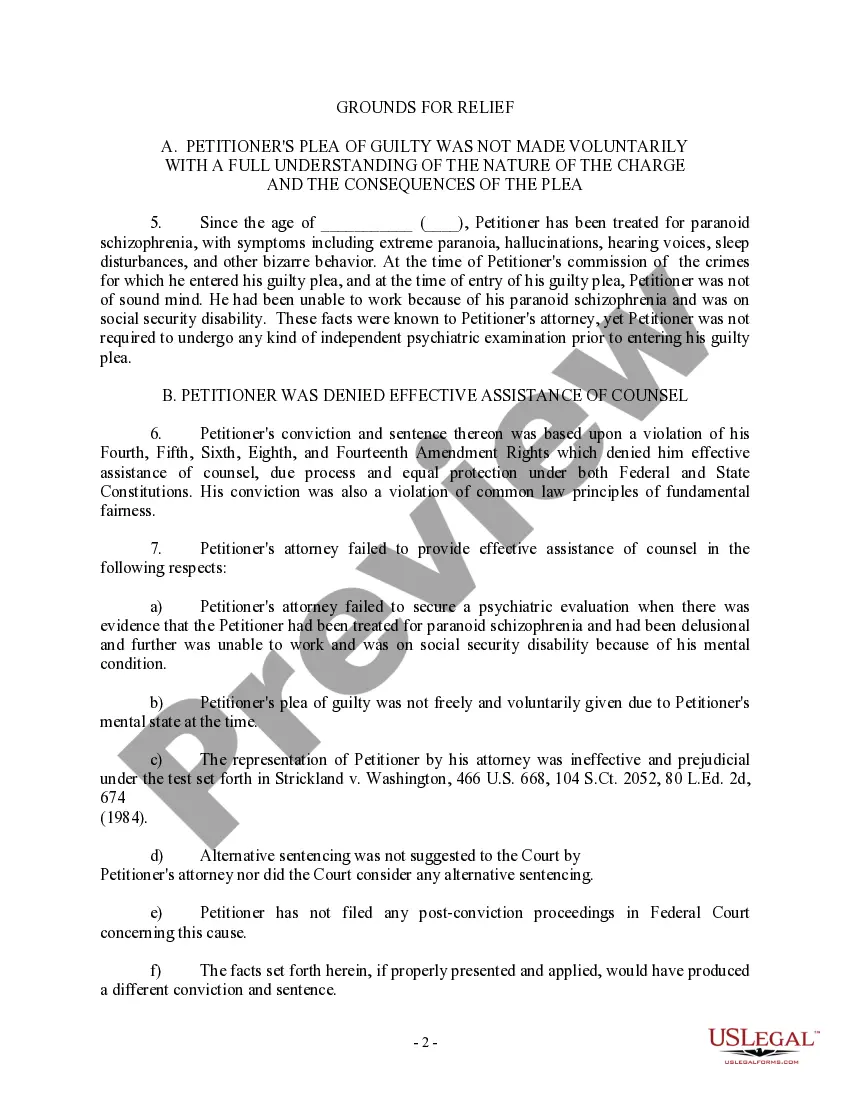
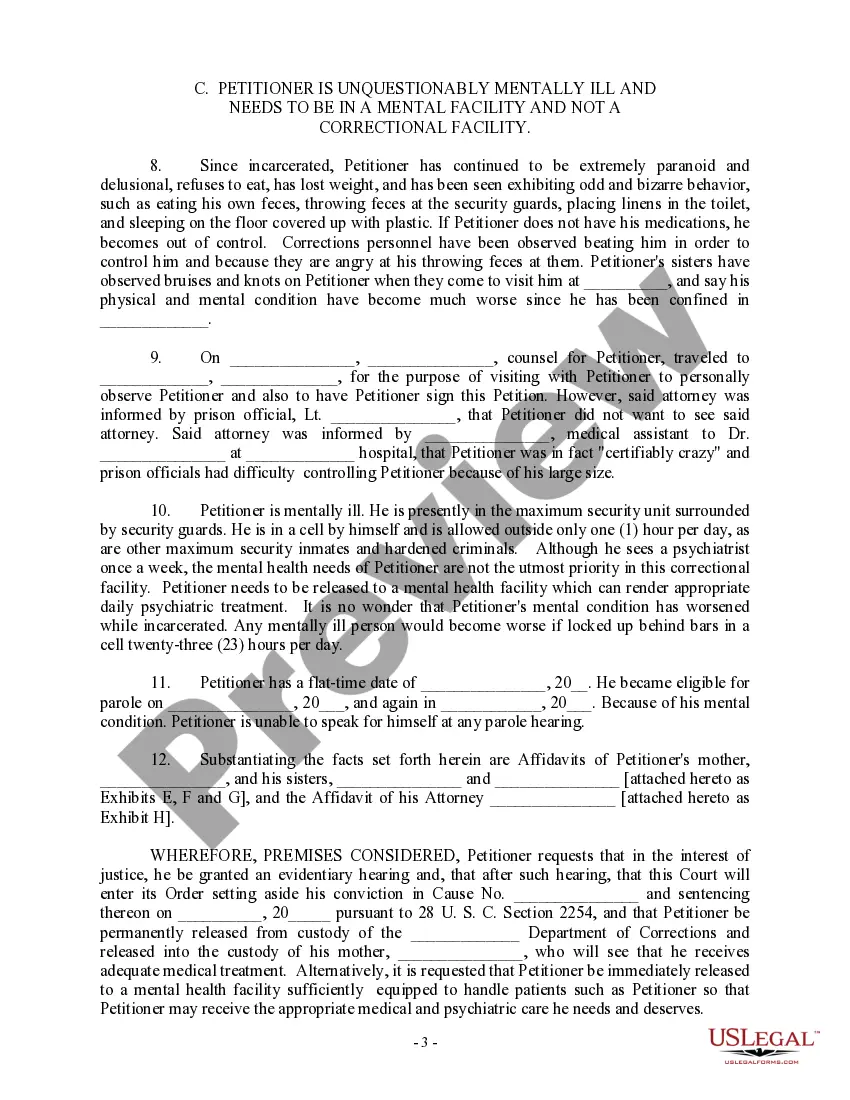

Get your form ready online
Our built-in tools help you complete, sign, share, and store your documents in one place.
Make edits, fill in missing information, and update formatting in US Legal Forms—just like you would in MS Word.
Download a copy, print it, send it by email, or mail it via USPS—whatever works best for your next step.
Sign and collect signatures with our SignNow integration. Send to multiple recipients, set reminders, and more. Go Premium to unlock E-Sign.
If this form requires notarization, complete it online through a secure video call—no need to meet a notary in person or wait for an appointment.
We protect your documents and personal data by following strict security and privacy standards.

Make edits, fill in missing information, and update formatting in US Legal Forms—just like you would in MS Word.

Download a copy, print it, send it by email, or mail it via USPS—whatever works best for your next step.

Sign and collect signatures with our SignNow integration. Send to multiple recipients, set reminders, and more. Go Premium to unlock E-Sign.

If this form requires notarization, complete it online through a secure video call—no need to meet a notary in person or wait for an appointment.

We protect your documents and personal data by following strict security and privacy standards.
Looking for another form?







Form popularity
FAQ
How To Write An Affidavit For Child Custody Begin with a Clear Heading. Introduction: Identify Yourself and Your Relationship to the Child. Provide a Brief Background. Detail Your Involvement in the Child's Life. Address the Best Interests of the Child. Include Relevant Supporting Documentation. Be Honest and Concise.
Provide a concise summary of the key issues and events pertaining to the custody situation. Focus on highlighting factors that would be in the best interests of any children involved, such as stability, safety, and meeting the children's needs. Avoid making accusations or attacking your former spouse directly.
How To Write An Affidavit For Child Custody Begin with a Clear Heading. Introduction: Identify Yourself and Your Relationship to the Child. Provide a Brief Background. Detail Your Involvement in the Child's Life. Address the Best Interests of the Child. Include Relevant Supporting Documentation. Be Honest and Concise.
Personal records A proposed visitation schedule showing when you'd like to exchange the child. If you already have a schedule, a list of missed or denied parenting time. An expense report showing you contribute financially to your child's needs. Printouts of texts, emails and other messages with your co-parent.
Visit the Clerk's Office of the Superior Court to begin child custody proceedings. File a petition to begin child custody proceedings. You can file a petition for child custody in your county's Superior Court. If you are divorcing, the petition will be included in your divorce papers.
Take your time and read each question carefully. If you're unsure about any information consult aMoreTake your time and read each question carefully. If you're unsure about any information consult a legal professional or your local Child Support Agency. Once completed review your forms for accuracy.
These are some mistakes you're going to want to be mindful to avoid. TALKING BADLY ABOUT THE OTHER PARENT TO THE CHILD. FAILING TO TAKE ON CHALLENGING TASKS. NOT COMMUNICATING WITH THE OTHER PARENT. TRYING TO MAKE YOUR CHILDREN FEEL SORRY FOR YOU. PREVENTING THE OTHER PARENT'S ACCESS TO THE CHILDREN.
Disrespectful Language : Avoid using any form of disrespect, such as insults, sarcasm, or derogatory remarks about the judge, the opposing party, or even the legal system. Negative Comments About the Other Parent : Speaking poorly about the other parent can reflect badly on you. Emotional Outbursts
