Engagement Letter Format For Due Diligence In North Carolina
Description
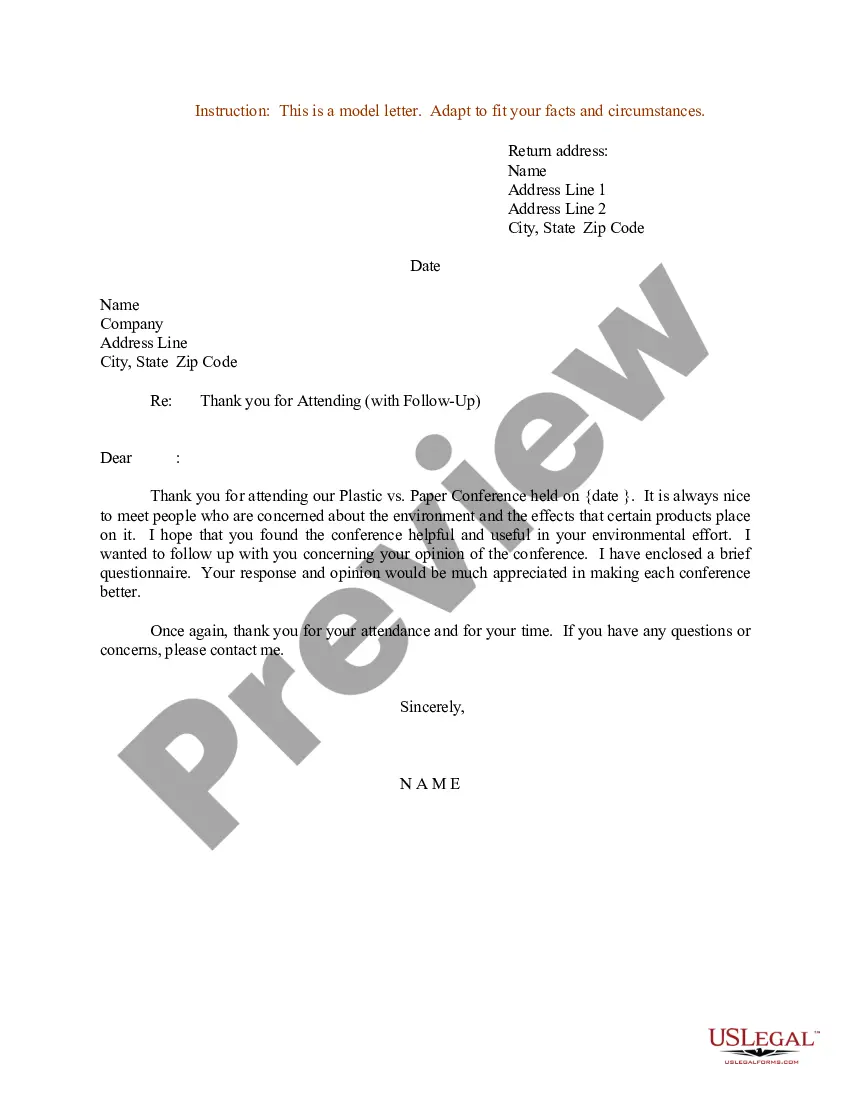
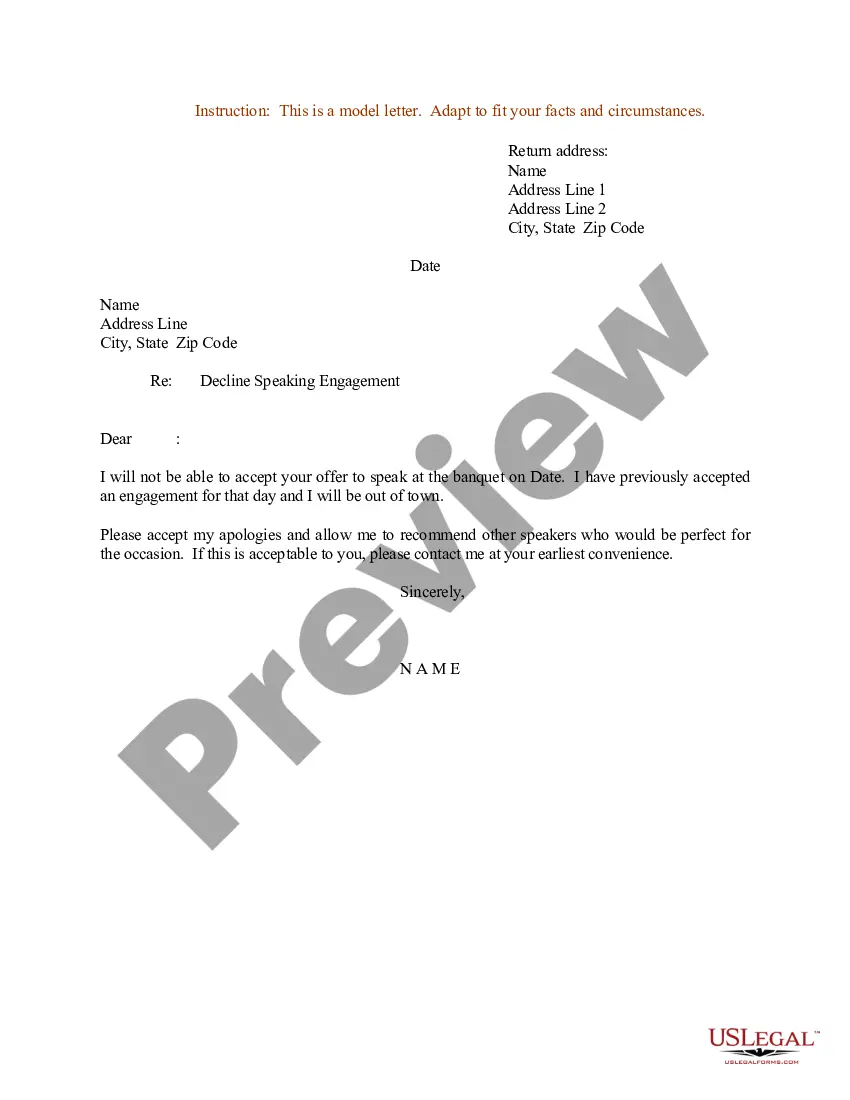
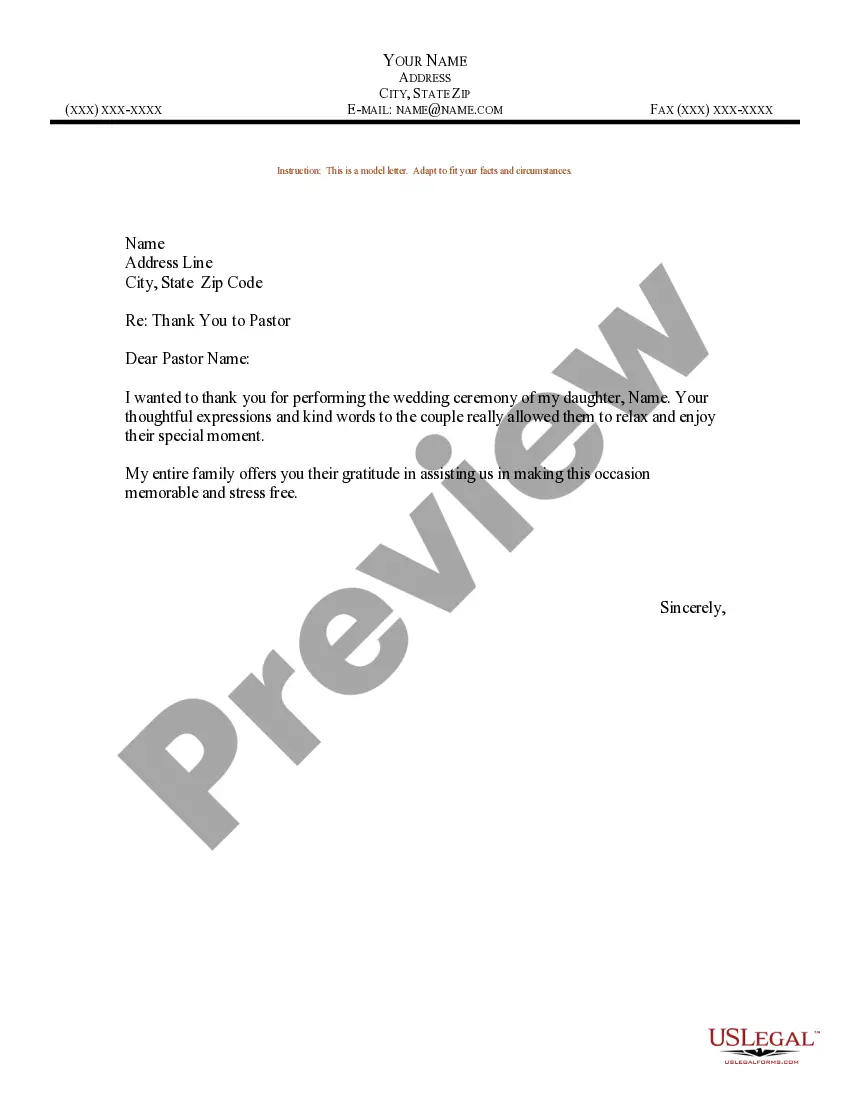
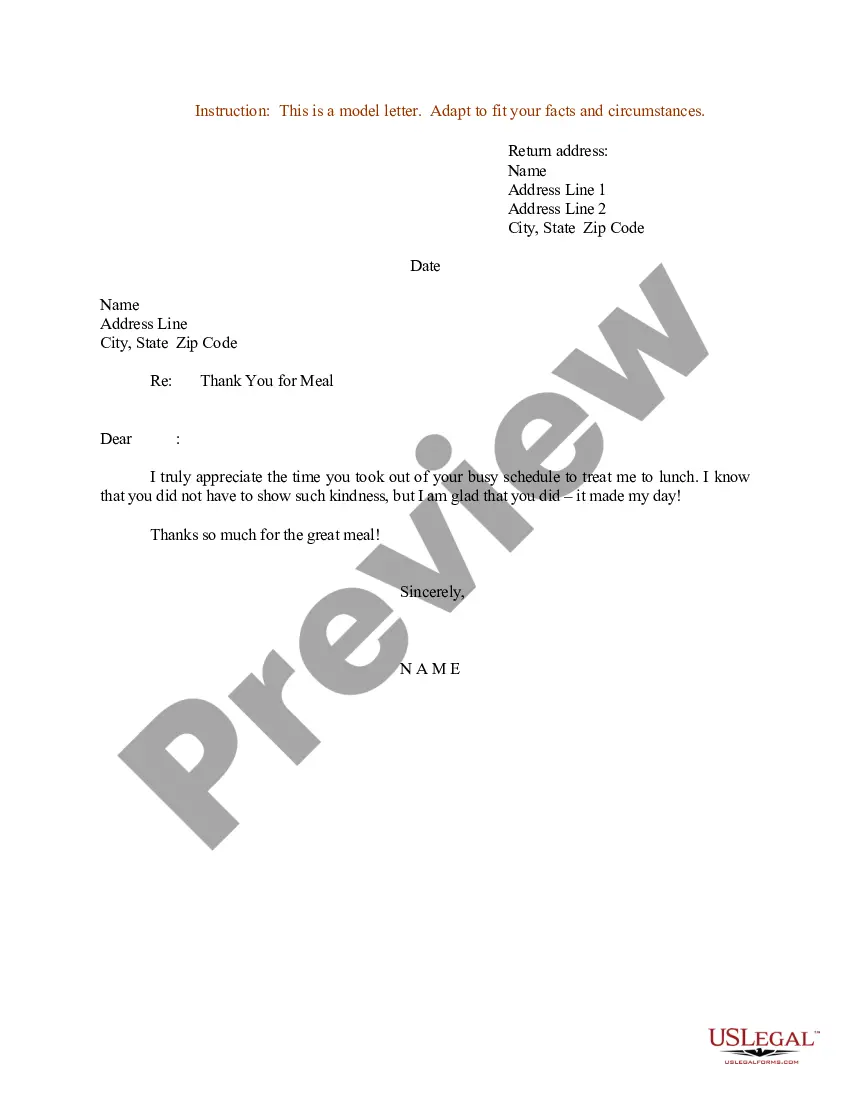
Get your form ready online
Our built-in tools help you complete, sign, share, and store your documents in one place.
Make edits, fill in missing information, and update formatting in US Legal Forms—just like you would in MS Word.
Download a copy, print it, send it by email, or mail it via USPS—whatever works best for your next step.
Sign and collect signatures with our SignNow integration. Send to multiple recipients, set reminders, and more. Go Premium to unlock E-Sign.
If this form requires notarization, complete it online through a secure video call—no need to meet a notary in person or wait for an appointment.
We protect your documents and personal data by following strict security and privacy standards.

Make edits, fill in missing information, and update formatting in US Legal Forms—just like you would in MS Word.

Download a copy, print it, send it by email, or mail it via USPS—whatever works best for your next step.

Sign and collect signatures with our SignNow integration. Send to multiple recipients, set reminders, and more. Go Premium to unlock E-Sign.

If this form requires notarization, complete it online through a secure video call—no need to meet a notary in person or wait for an appointment.

We protect your documents and personal data by following strict security and privacy standards.
Looking for another form?




Form popularity
FAQ
Unless the buyer is purchasing “as is” (usually not the case) the buyer has a “DUE DILIGENCE PERIOD” – typically somewhere between 7 and 14 days. During that time the buyer can terminate the contract for any reason or no reason at all.
Due diligence serves as a critical investigation tool employed by businesses and individuals before entering into an agreement or a transaction with another party. The primary objective of this process is to minimise potential risks and maximise the assurance of making an informed decision.
Due diligence has been used since at least the mid-fifteenth century in the literal sense “requisite effort.” Centuries later, the phrase developed a legal meaning, namely, “the care that a reasonable person takes to avoid harm to other persons or their property”; in this sense, it is synonymous with another legal term ...
Due diligence is a relatively common term. Used in business, it broadly refers to the process of investigating and verifying information about a company or investment opportunity. Specifically for compliance teams, it comes up when you consider relationships with new vendors and third parties.
Due diligence involves examining a potential acquisition's financial, operational, legal, and other aspects to identify risks and make informed decisions. Different types of due diligence include hard due diligence such as data analysis, and soft due diligence — assessing corporate culture and integration challenges.
A typical due diligence period runs between 30 to 90 days. During that window, there are often required time frames for specific contingency items dictated by state law.
