Letter Engagement Statement Withdrawal In Nevada
Description

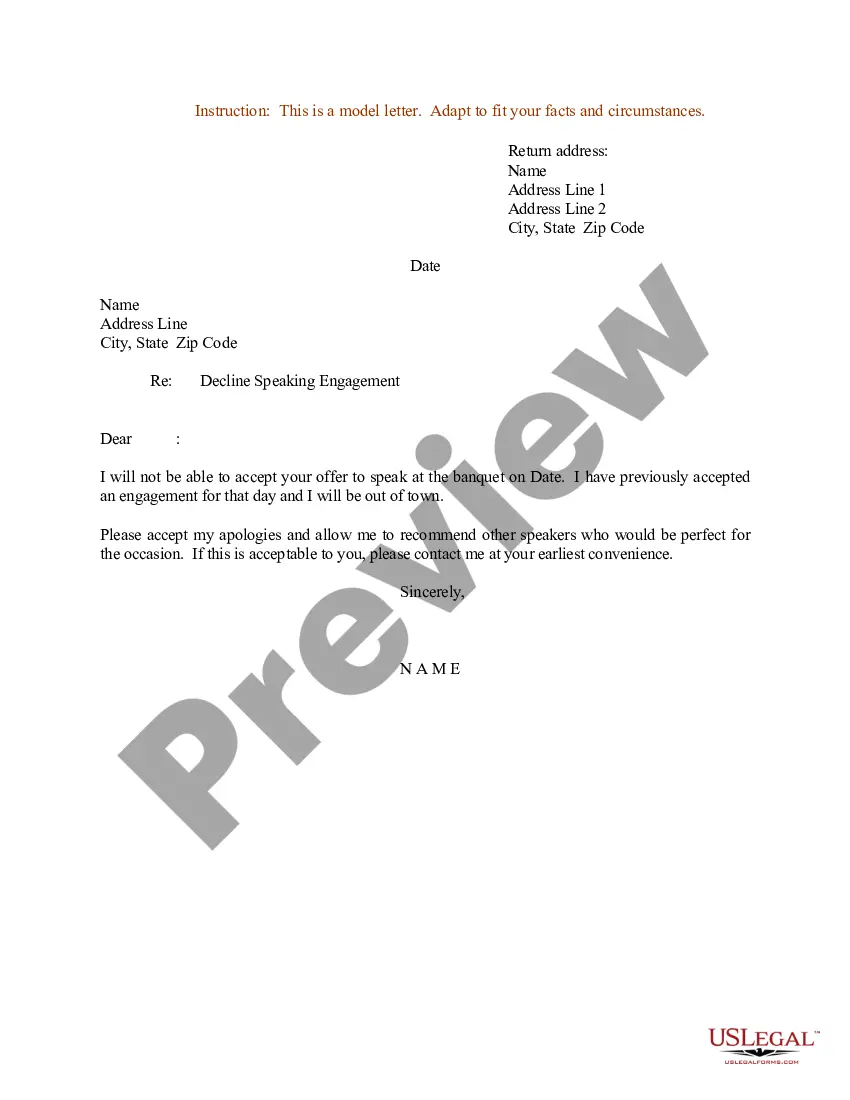

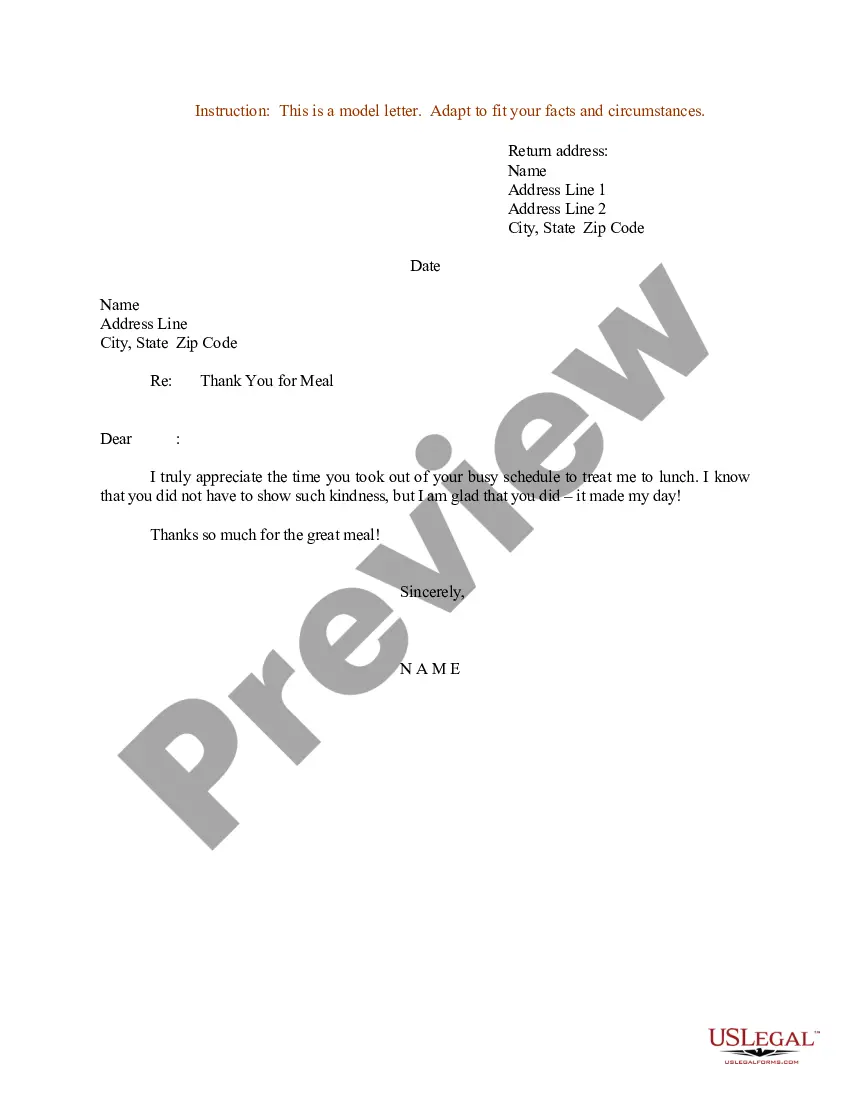
Get your form ready online
Our built-in tools help you complete, sign, share, and store your documents in one place.
Make edits, fill in missing information, and update formatting in US Legal Forms—just like you would in MS Word.
Download a copy, print it, send it by email, or mail it via USPS—whatever works best for your next step.
Sign and collect signatures with our SignNow integration. Send to multiple recipients, set reminders, and more. Go Premium to unlock E-Sign.
If this form requires notarization, complete it online through a secure video call—no need to meet a notary in person or wait for an appointment.
We protect your documents and personal data by following strict security and privacy standards.

Make edits, fill in missing information, and update formatting in US Legal Forms—just like you would in MS Word.

Download a copy, print it, send it by email, or mail it via USPS—whatever works best for your next step.

Sign and collect signatures with our SignNow integration. Send to multiple recipients, set reminders, and more. Go Premium to unlock E-Sign.

If this form requires notarization, complete it online through a secure video call—no need to meet a notary in person or wait for an appointment.

We protect your documents and personal data by following strict security and privacy standards.
Looking for another form?









Form popularity
FAQ
The purpose of a disengagement letter is to clarify with the client the matters for which your firm will continue to have responsibility during the handover and those that will fall immediately to the new accountants.
The lawyer should send a disengagement letter to establish that the relationship is no longer continuing, and to refer the client to another lawyer. In the disengagement letter, the lawyer should warn the client of applicable time limitations, deadlines, and uncompleted investigation or casework.
The lawyer should send a disengagement letter to establish that the relationship is no longer continuing, and to refer the client to another lawyer. In the disengagement letter, the lawyer should warn the client of applicable time limitations, deadlines, and uncompleted investigation or casework.
1. As noted above, a retainer agreement is a letter of engagement countersigned by both the attorney and the client, and contains all the elements that letters of engagement must contain.
A disengagement letter is basically a formal notification sent by an accountant to their client stating that they will no longer be providing services to them. It outlines the reasons for this decision and sets out the terms of disengagement, like who's responsible for what going forward.
Answer: To politely inform a lawyer that their services are no longer required, you can send them a clear and concise email or letter expressing your gratitude for their assistance thus far, but stating that you have decided to go in a different direction or have resolved the matter on your own.
Termination Clause This ensures transparency and prevents disputes if circumstances change. Instead of vaguely stating, “Either party may terminate the engagement at any time,” clarify: “Either party may terminate this engagement by providing written notice of at least 30 days.
Non-Engagement Letter Example After our conversation on <consultation date>, I wanted to formally inform you that <Your Law Firm's Name> will not be able to provide legal representation for your current matter involving <brief description of the legal issue>. Regrettably, <Reason why you cannot represent this client.
The first paragraph of the letter should clearly indicate that the client relationship is being terminated, note the effective date of termination and provide the status of services agreed upon in previously issued engagement letters.

