Speaker Engagement Speaking With You In Minnesota
Description
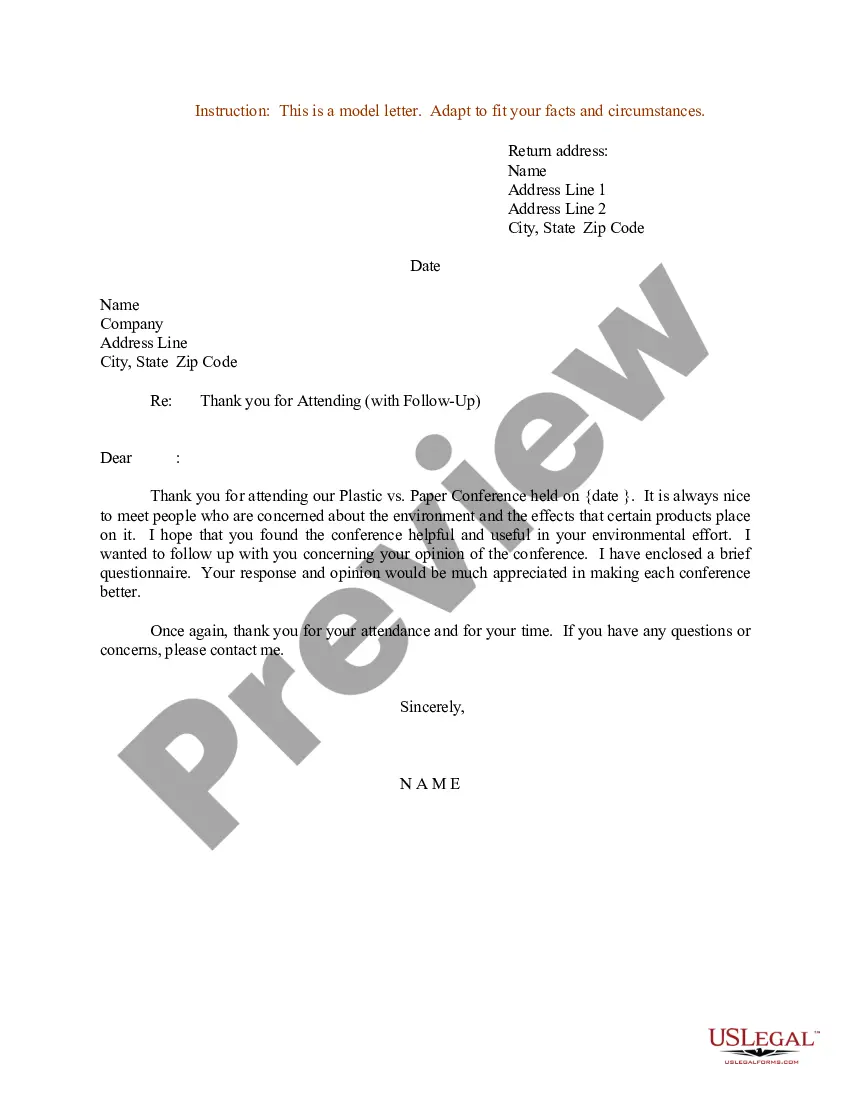
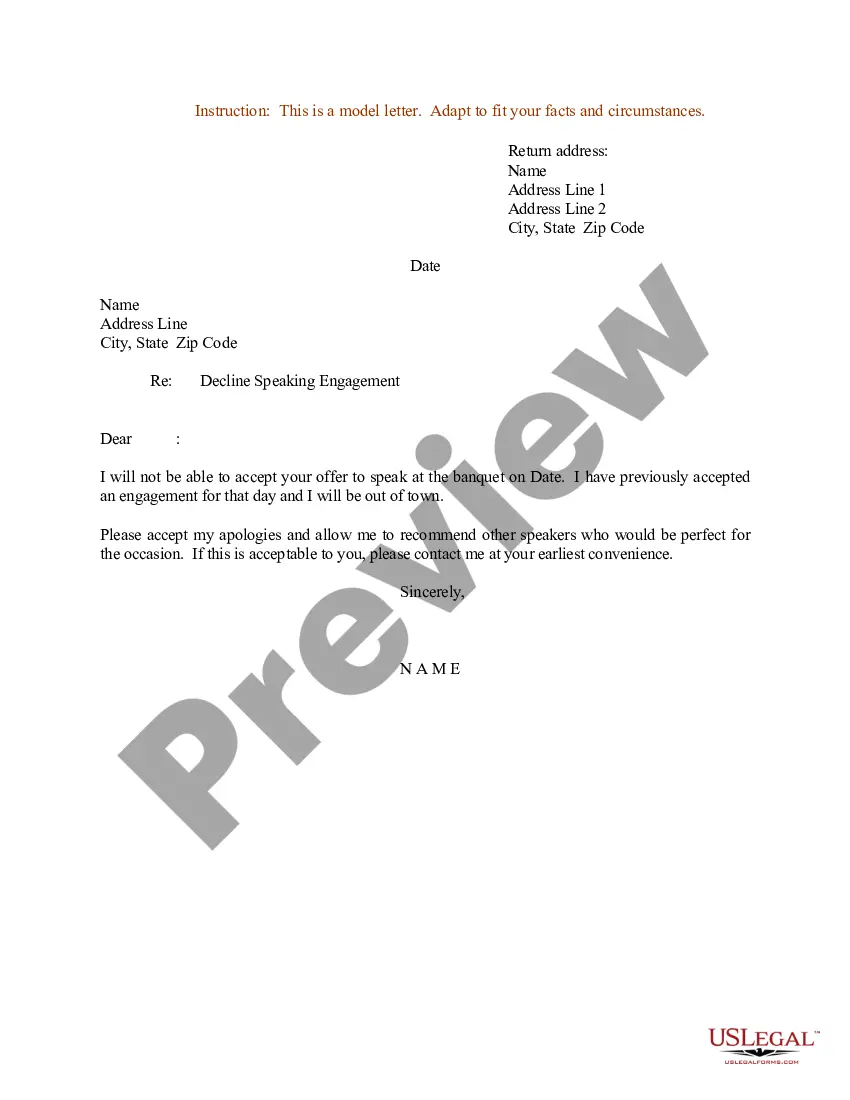
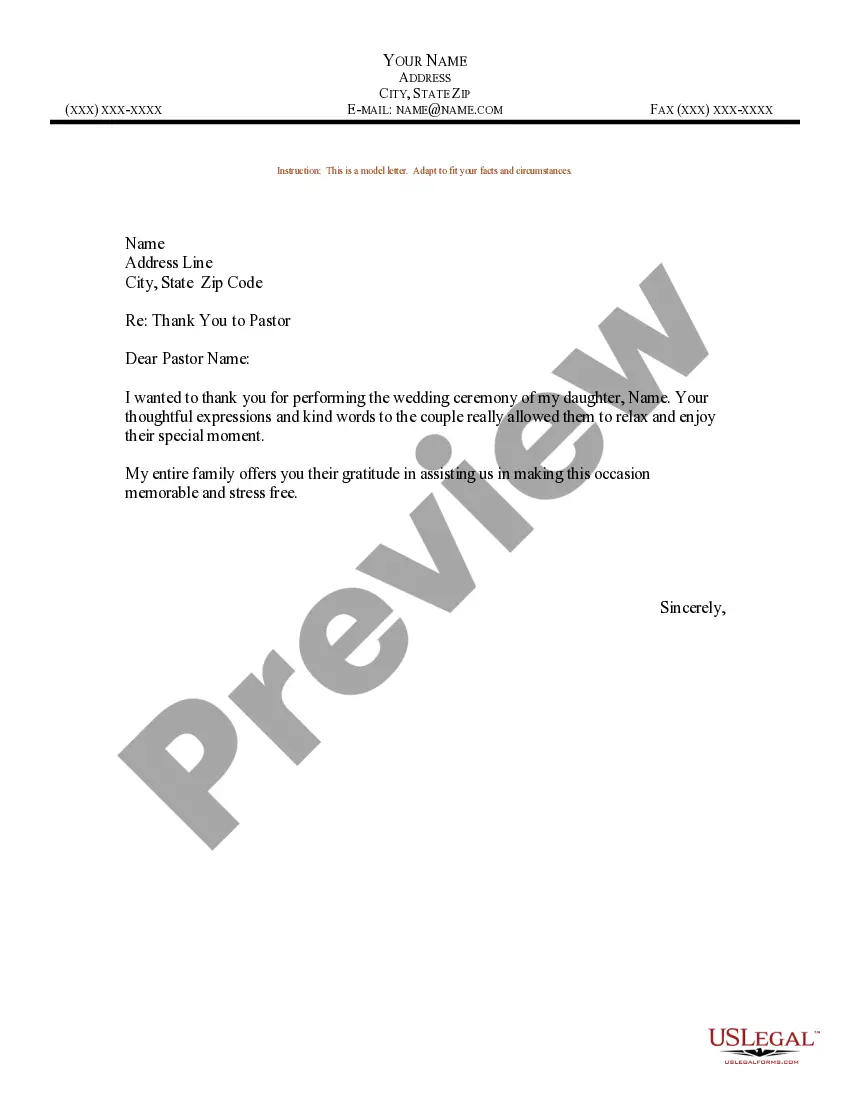
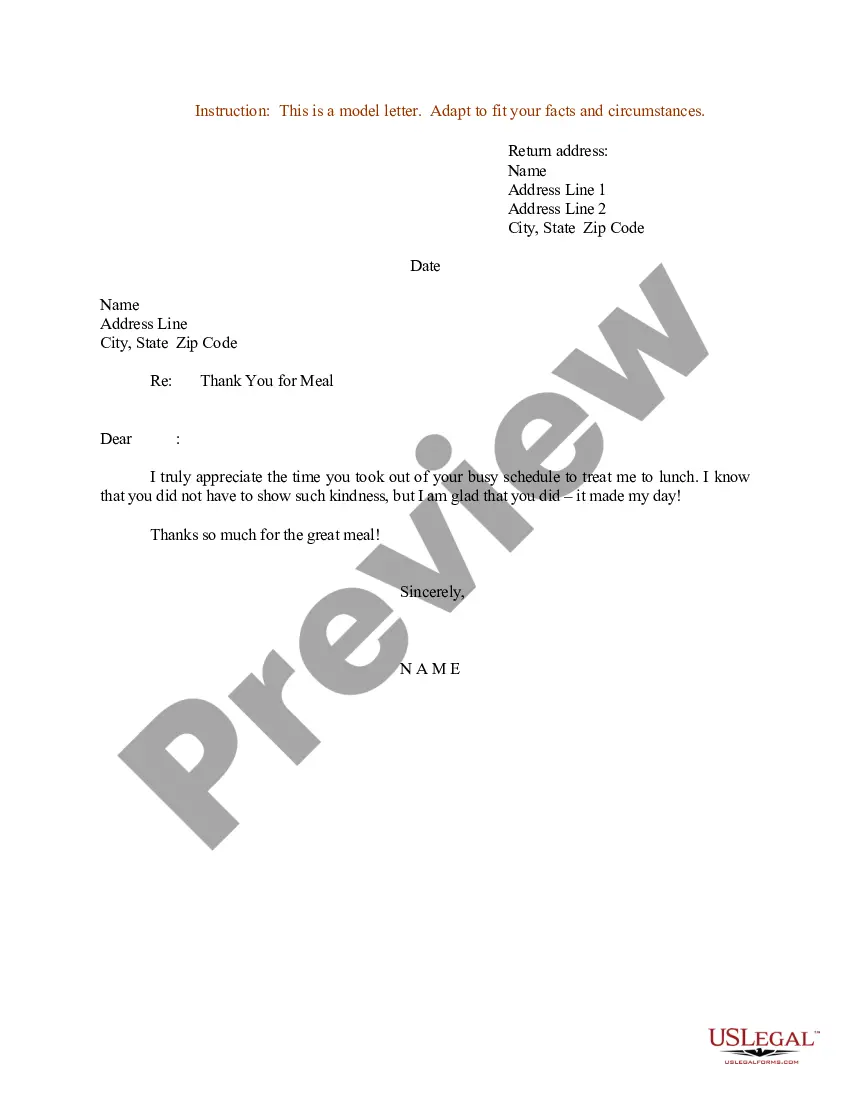
Get your form ready online
Our built-in tools help you complete, sign, share, and store your documents in one place.
Make edits, fill in missing information, and update formatting in US Legal Forms—just like you would in MS Word.
Download a copy, print it, send it by email, or mail it via USPS—whatever works best for your next step.
Sign and collect signatures with our SignNow integration. Send to multiple recipients, set reminders, and more. Go Premium to unlock E-Sign.
If this form requires notarization, complete it online through a secure video call—no need to meet a notary in person or wait for an appointment.
We protect your documents and personal data by following strict security and privacy standards.

Make edits, fill in missing information, and update formatting in US Legal Forms—just like you would in MS Word.

Download a copy, print it, send it by email, or mail it via USPS—whatever works best for your next step.

Sign and collect signatures with our SignNow integration. Send to multiple recipients, set reminders, and more. Go Premium to unlock E-Sign.

If this form requires notarization, complete it online through a secure video call—no need to meet a notary in person or wait for an appointment.

We protect your documents and personal data by following strict security and privacy standards.
Looking for another form?










Form popularity
FAQ
Good introductions are short, and answer 3 questions: Who, what, why. Who is this speaker (very brief relevant bio); what is her subject mater that she is going to talk about; and why is she uniquely qualified to talk to this audience?
What Is the Best Way to Introduce a Speaker? Research and gather information. Establish credibility. Create a connection. Build anticipation. Keep it concise and engaging. Engage listeners with a thought-provoking question. Begin with a captivating anecdote or story. Make a bold statement.
Here are a few examples of statements you can use to inform others you are making an introduction: "I would like you to meet..." "It's a pleasure to introduce..." "I would like to introduce..." "I would like to present..." "May I introduce..." "May I present..." "This is..." "My name is..."
Good morning/afternoon/evening, everyone. My name is Your Name, and I am honored to stand before you today as your grade/year student at school name. I am excited to share my experiences, thoughts, and aspirations with all of you. Thank you for this opportunity to introduce myself.
Basic components of a speaker invitation The name, date, and venue of the event. The theme or focus of the event. Why you think they would be a great speaker for your event. Why it would benefit them. How they can contact you.
It's a great pleasure for me to introduce our speaker today, who is going to talk to us about the ten most common personal financial planning mistakes. This is a subject in which we should all be deeply interested because it's by avoiding financial mistakes that we can best ensure our financial futures.
How to get speaking engagements Get clear on why you want to speak. Listen to a lot of talks from speakers that you admire. Come up with 3-5 talk ideas. Prepare an outline for each talk idea. Build your event list. Slide into event organizers' DMs. Email your pitch. Turn your outline into a speaker proposal.
1 Know your audience. Before you send out any pitch, you need to do some research on your target audience. 2 Craft your hook. The first impression is crucial when it comes to pitching yourself for speaking opportunities. 3 Showcase your value. 4 Provide evidence. 5 Include a call to action. 6 Here's what else to consider.
Write a letter instead. Make your written request concise and clear. Specify the date first (it may be impossible, whatever comes next). Then describe the audience, purpose, topic, and what a tremendous difference you hope that speech will make in the world.
Engage offers the industry's best motivational speakers. Unlike other speaker search tools, anyone listed on Engage as a motivational speaker has a direct relationship with Engage, which means you'll get the best terms, rate, and response times for your speaker needs.

