Sample Invoice For Speaking Engagement In Minnesota
Description

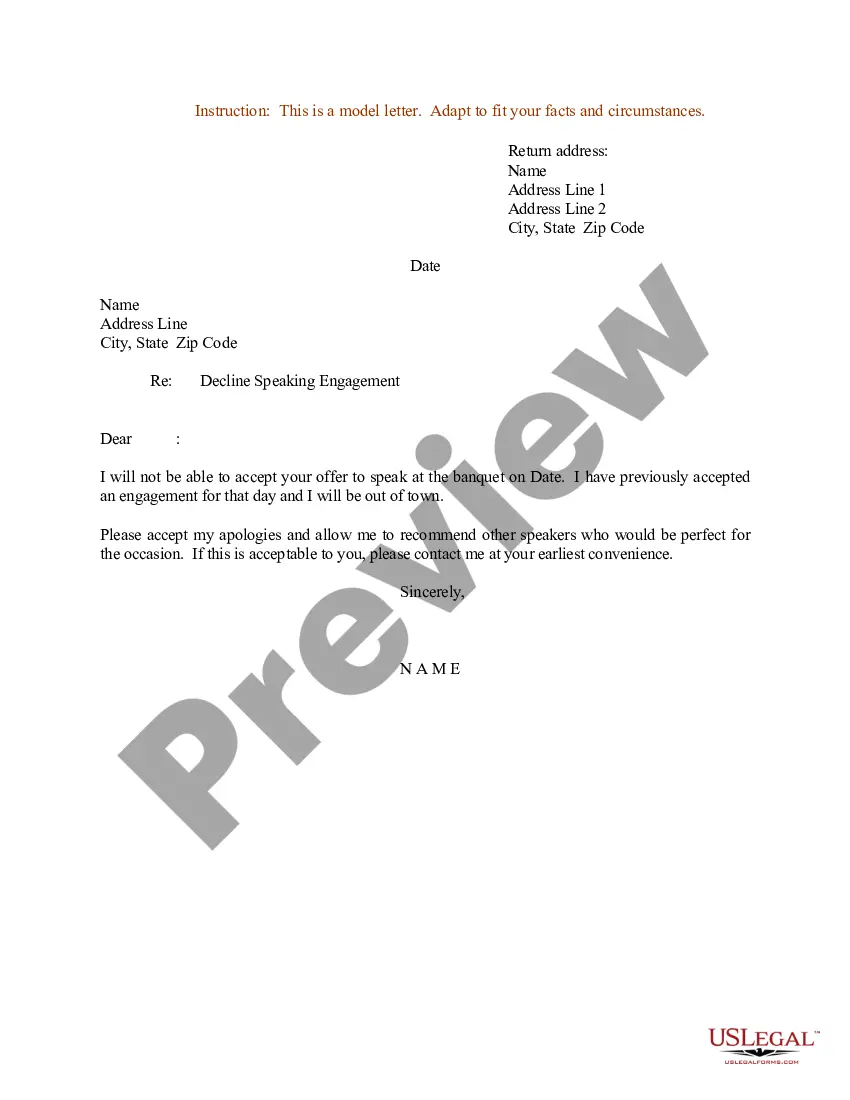
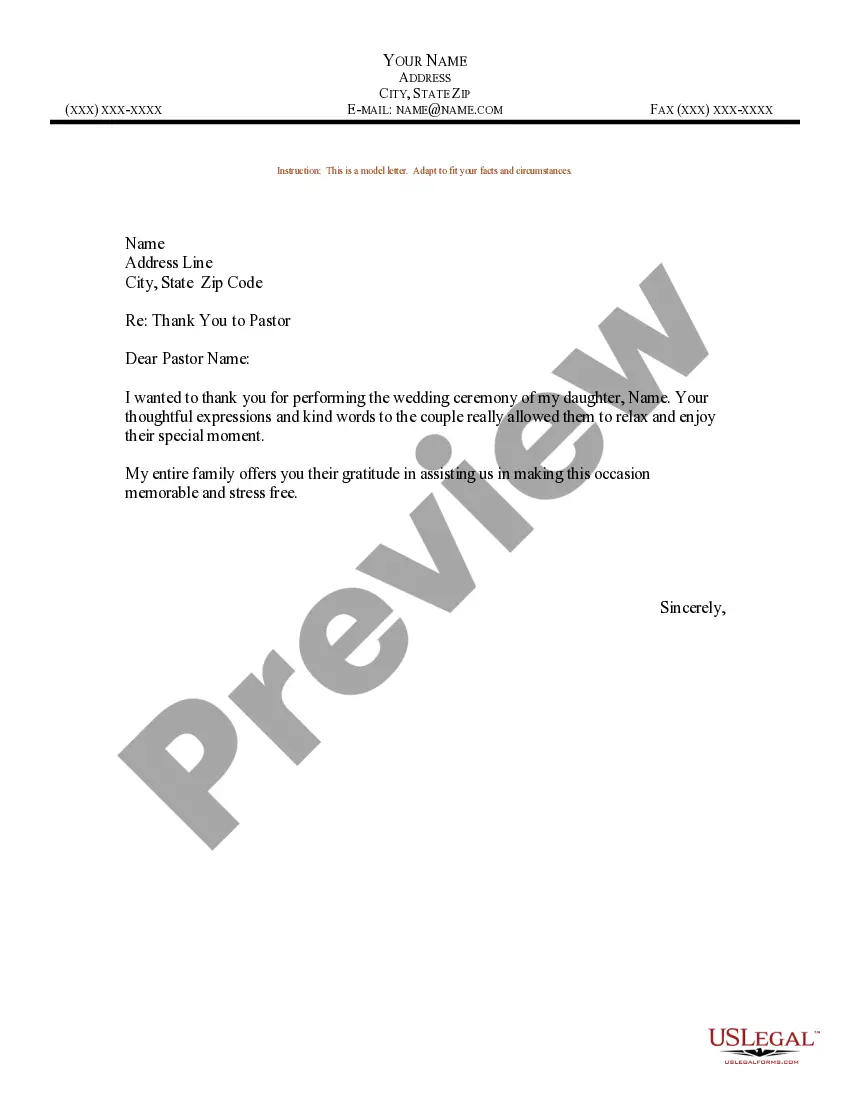
Get your form ready online
Our built-in tools help you complete, sign, share, and store your documents in one place.
Make edits, fill in missing information, and update formatting in US Legal Forms—just like you would in MS Word.
Download a copy, print it, send it by email, or mail it via USPS—whatever works best for your next step.
Sign and collect signatures with our SignNow integration. Send to multiple recipients, set reminders, and more. Go Premium to unlock E-Sign.
If this form requires notarization, complete it online through a secure video call—no need to meet a notary in person or wait for an appointment.
We protect your documents and personal data by following strict security and privacy standards.

Make edits, fill in missing information, and update formatting in US Legal Forms—just like you would in MS Word.

Download a copy, print it, send it by email, or mail it via USPS—whatever works best for your next step.

Sign and collect signatures with our SignNow integration. Send to multiple recipients, set reminders, and more. Go Premium to unlock E-Sign.

If this form requires notarization, complete it online through a secure video call—no need to meet a notary in person or wait for an appointment.

We protect your documents and personal data by following strict security and privacy standards.
Looking for another form?





Form popularity
FAQ
Your invoice template should include the following: An invoice number. Your customer information, including name and address. Your business name, logo, and address, as well as contact information. The services provided. The payment due date. Any discounts, taxes, or fees. The total amount due. Payment terms and instructions.
Here's what to include on an invoice: Your customer's company name and address. The date the goods or services were provided. The date of the invoice. A breakdown of costs that show prices, hours, or quantities of the goods and services delivered.
Set up formatting. The first step in making any invoice is to set up how it will look. Add your business information. Enter your client's information. Add an invoice number and date. Specify a payment due date. List products and services provided (line items) ... Calculate the total amount due. Outline your terms and conditions.
The label 'Invoice' A unique invoice number. The invoice date and date of supply. A description of the goods or services and their prices.
Give the invoice an unique number so you can easily track the invoice relating to a performance or gig. Specify the invoice payment due date. Include the type of gig you provided, the date and time, as well as any specific requirements the client had. Include the invoice amount.
How to create an invoice Include your company information. Name your invoice. Include an invoice ID. Date your invoice. Provide an itemized list of goods and services. Calculate fees and the total amount due. Include payment terms and notes. Double-check information before sending.
What is manual invoicing? Manual invoicing in this piece refers to using a spreadsheet or word processor template that can be downloaded or created from scratch. The fields in this invoice template need to be filled by the person sending the invoice and sent to the customer by attaching it to an email.
Yes, you can invoice yourself even if you don't have an official company structure like an LLC or corporation, especially if you're working as a freelancer or self-employed individual.
GET E-INVOICING READY 1.Invoice Creation – ... Invoice Registration Number (IRN) Generation. Upload on Invoice Registration Portal (IRP). IRP Validation of Invoice Information. Digital Signature and QR Code Generation. E-Invoice data transmission to E-Way Bill Portal and GST System. E-Invoice Receipt back to Supplier's ERP:

