Sample Bio For Speaking Engagement In Michigan
Description
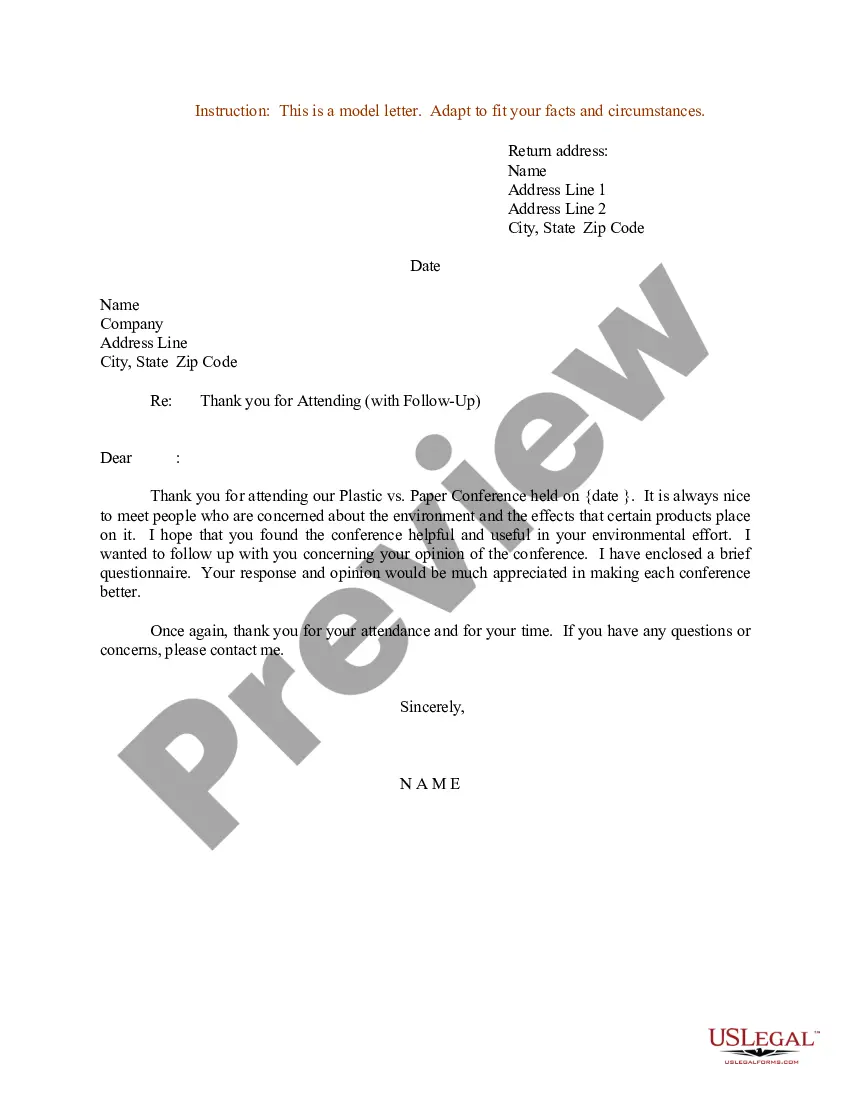
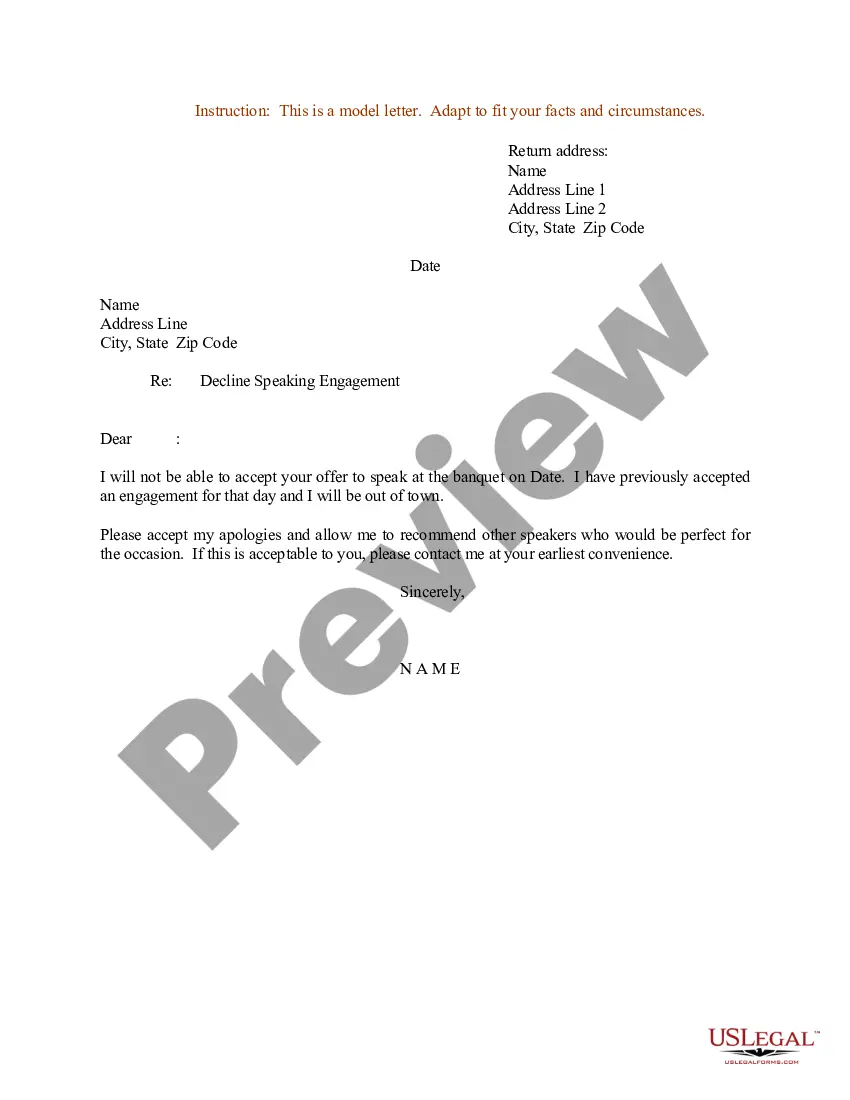
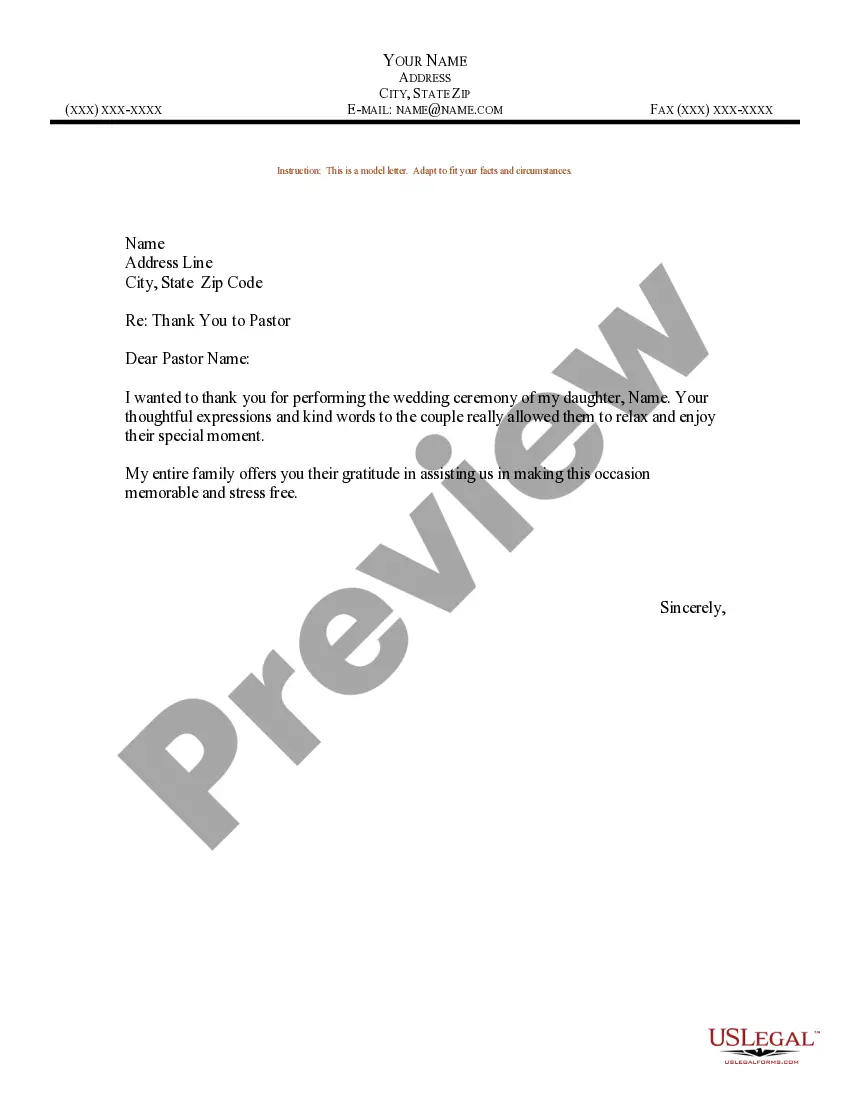
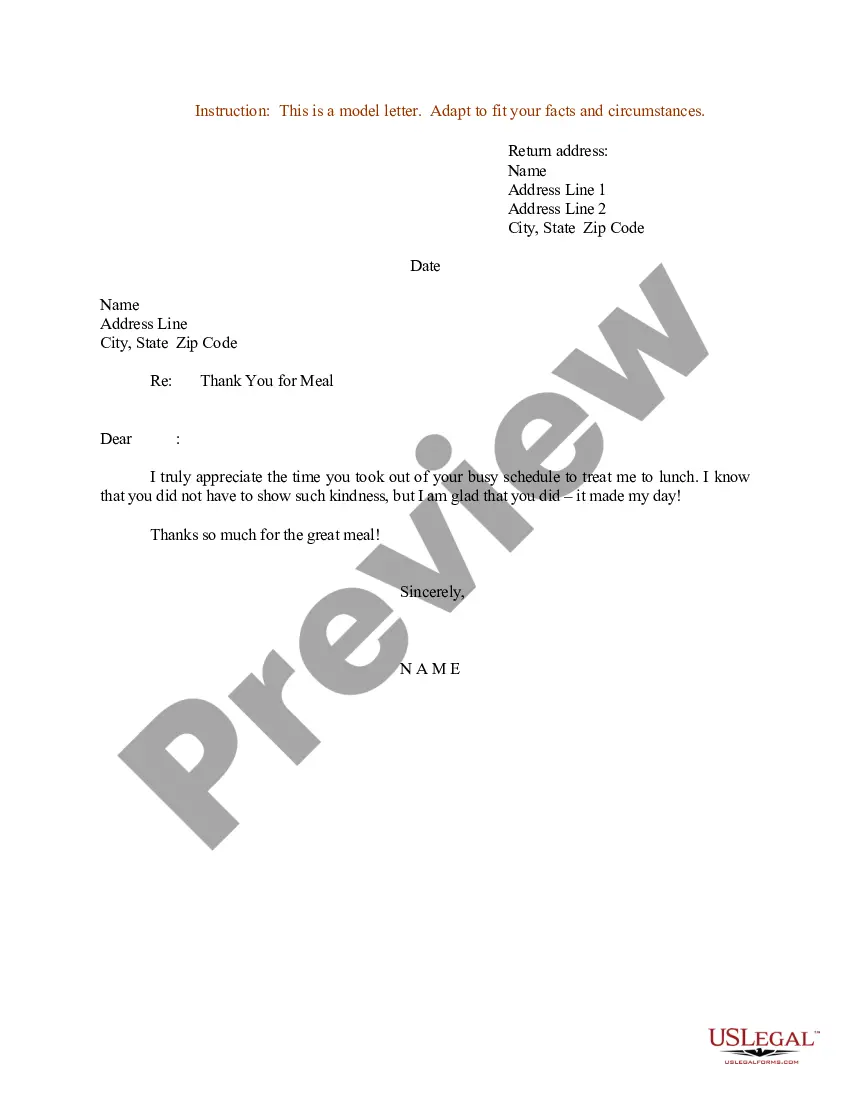
Get your form ready online
Our built-in tools help you complete, sign, share, and store your documents in one place.
Make edits, fill in missing information, and update formatting in US Legal Forms—just like you would in MS Word.
Download a copy, print it, send it by email, or mail it via USPS—whatever works best for your next step.
Sign and collect signatures with our SignNow integration. Send to multiple recipients, set reminders, and more. Go Premium to unlock E-Sign.
If this form requires notarization, complete it online through a secure video call—no need to meet a notary in person or wait for an appointment.
We protect your documents and personal data by following strict security and privacy standards.

Make edits, fill in missing information, and update formatting in US Legal Forms—just like you would in MS Word.

Download a copy, print it, send it by email, or mail it via USPS—whatever works best for your next step.

Sign and collect signatures with our SignNow integration. Send to multiple recipients, set reminders, and more. Go Premium to unlock E-Sign.

If this form requires notarization, complete it online through a secure video call—no need to meet a notary in person or wait for an appointment.

We protect your documents and personal data by following strict security and privacy standards.
Looking for another form?









Form popularity
FAQ
Provide a brief overview of your relevant experience, qualifications, or expertise related to the topic. Example: ``I have over (X years) of experience in (Your Field/Industry), focusing on (Specific Areas of Expertise).'' Explain what you will be discussing and why it's relevant to the audience.
A speaker profile template is a way to summarize your education, history, and experience to sell your speaking expertise. This is commonly used when you're pitching a conference or event.
The bio will often be short, so keep this in mind when writing it. It should also be written in the third person. The conference organisers will tell you how many words are required, but be warned: It can be as little as 100 words. Avoid unnecessary jargon and ensure every word adds value and is easy to understand.
Effective speaker bios begin with a compelling opening line that grabs the reader's attention. At a high level, speaker bios should showcase the speaker's expertise, credentials, and achievements. They should also highlight relevant industry experience and accomplishments.
What a Speaker Bio should include (short version) Name and title. Education & qualifications. Experience & specialisms in your field (current role first) Achievements. About your presentation. Contact information.
Key Elements of a Short Bio for Presentations Start with Your Name and Current Role. Begin your bio by stating your name and current job title or professional role. Highlight Relevant Qualifications and Achievements. Mention Noteworthy Projects or Roles. Add a Personal Touch. Tailor Your Bio to the Audience and Occasion.
“Your name is a professional title at current employer with length of experience helping target audience with audience's problems. Specializing in area of expertise, first name uses that experience to describe most important aspects of the job.
How to write a professional bio Your name. Your current role or professional tagline. Your company or personal brand. Your goals and aspirations. Your 2-3 most impressive and relevant achievements. One quirky fact about you (if it's appropriate to the site)
“Your name is a professional title at current employer with length of experience helping target audience with audience's problems. Specializing in area of expertise, first name uses that experience to describe most important aspects of the job.

