Letter Engagement Statement For Client In Michigan
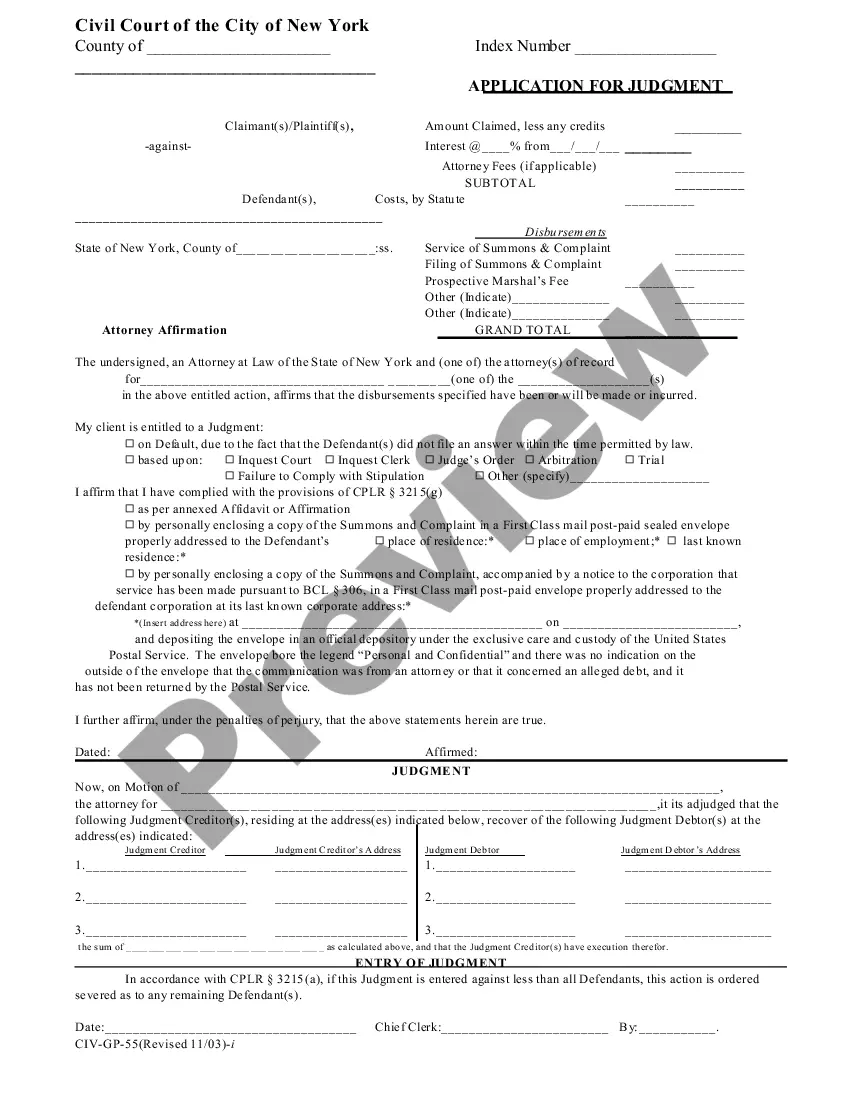
Description
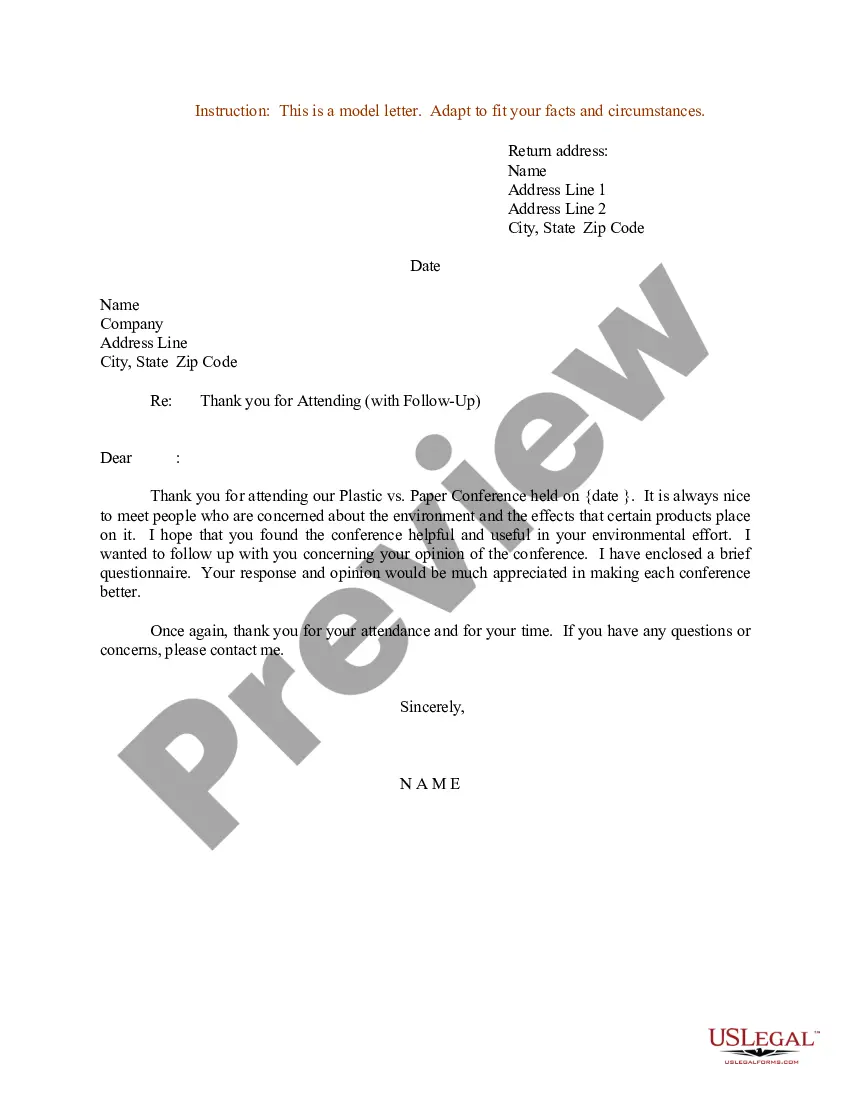
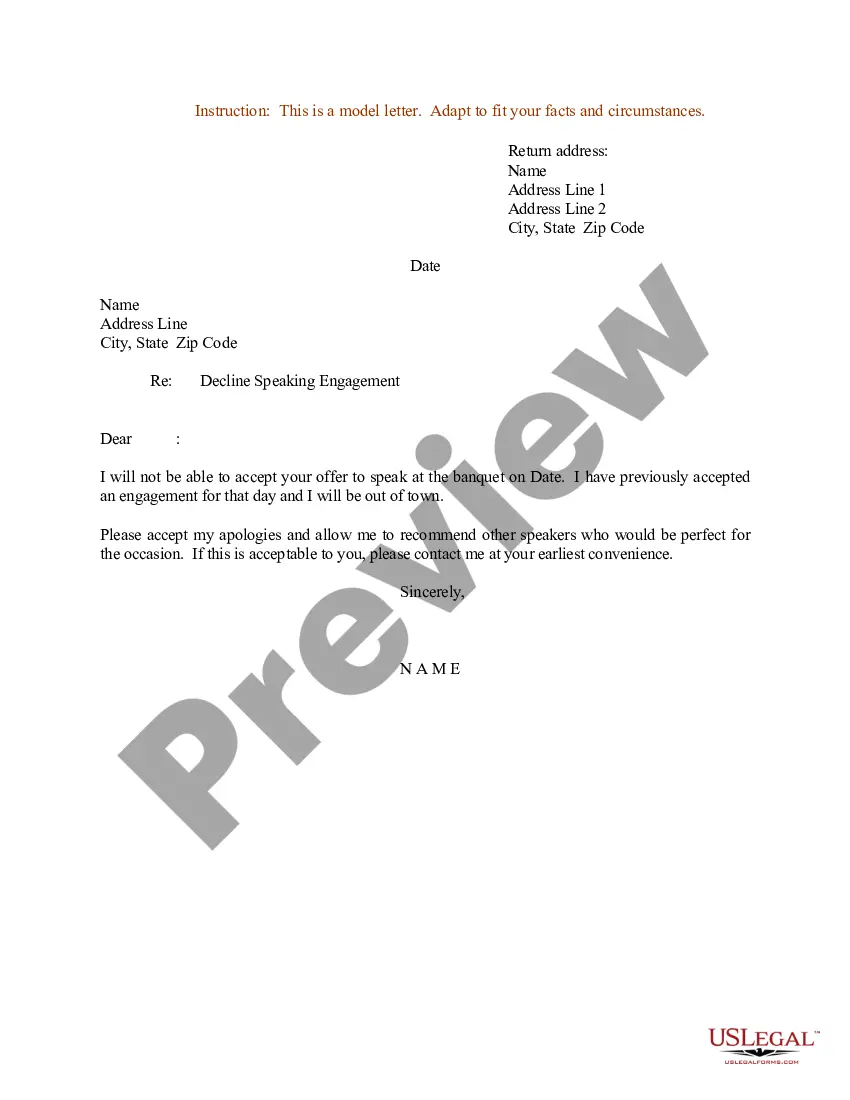
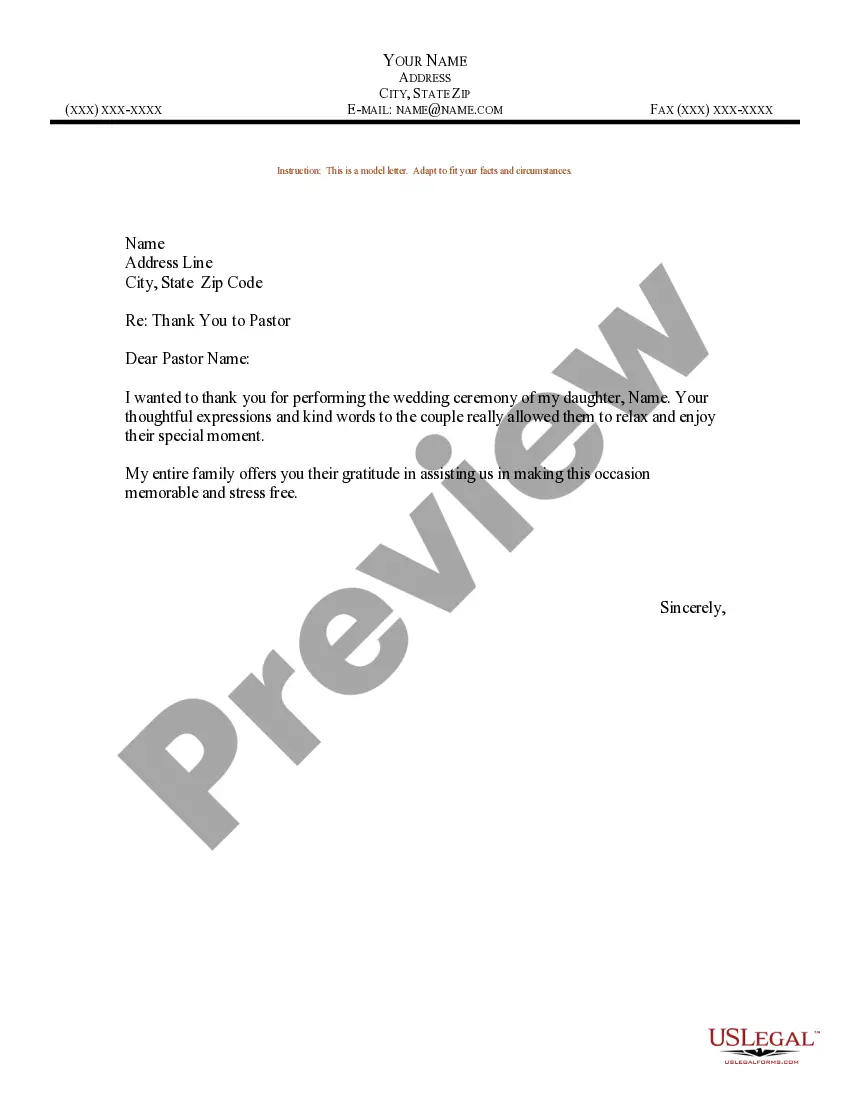
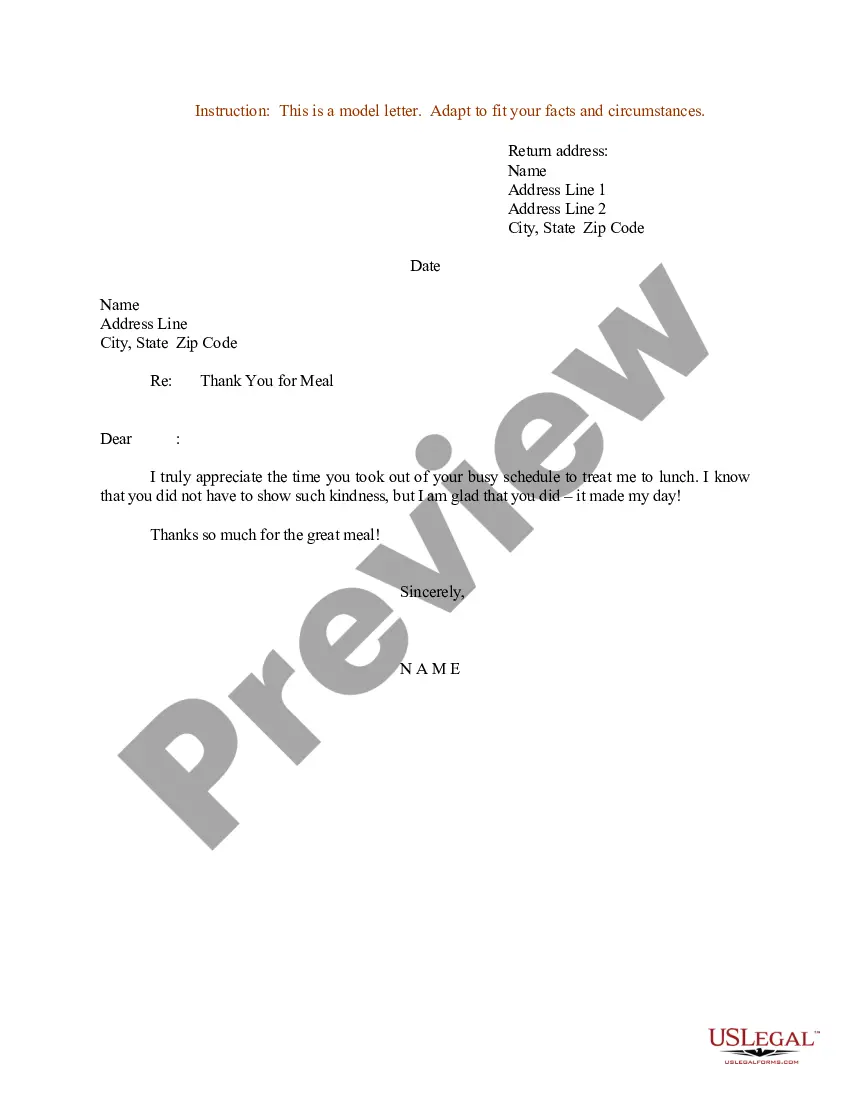
Get your form ready online
Our built-in tools help you complete, sign, share, and store your documents in one place.
Make edits, fill in missing information, and update formatting in US Legal Forms—just like you would in MS Word.
Download a copy, print it, send it by email, or mail it via USPS—whatever works best for your next step.
Sign and collect signatures with our SignNow integration. Send to multiple recipients, set reminders, and more. Go Premium to unlock E-Sign.
If this form requires notarization, complete it online through a secure video call—no need to meet a notary in person or wait for an appointment.
We protect your documents and personal data by following strict security and privacy standards.

Make edits, fill in missing information, and update formatting in US Legal Forms—just like you would in MS Word.

Download a copy, print it, send it by email, or mail it via USPS—whatever works best for your next step.

Sign and collect signatures with our SignNow integration. Send to multiple recipients, set reminders, and more. Go Premium to unlock E-Sign.

If this form requires notarization, complete it online through a secure video call—no need to meet a notary in person or wait for an appointment.

We protect your documents and personal data by following strict security and privacy standards.
Looking for another form?









Form popularity
FAQ
Engagement letters are typically created and signed at the beginning of a client relationship, though they may be reviewed, updated, and signed at a regular interval (often annually) for long-term relationships. New engagement letters may also be created for an existing client if the scope of work changes.
We are pleased to accept the instruction to act as your bookkeeper/accountant and we are writing to confirm the terms of our appointment. The purpose of this letter is to set out our terms for carrying out the work and to clarify our respective responsibilities.
An engagement letter is a written agreement that describes the business relationship to be entered into by a client and a company. The letter details the scope of the agreement, its terms, and costs. The purpose of an engagement letter is to set expectations on both sides of the agreement.
This engagement is based upon the full and active cooperation of Company Name in performing our work. We would be grateful if you would confirm in writing your agreement on the terms of our engagement as described above. We remain at your disposal to provide you with any further information that you may require.
An engagement letter is similar to a contract but generally shorter and less formal. However, it is equally binding to both parties.
Rule 1.15 Safekeeping Property Fees or charges in excess of the interest or dividends earned on the account for any month or quarter shall not be taken from interest or dividends earned on other IOLTA accounts or from the principal of the account.
An engagement letter is a written agreement that describes the business relationship to be entered into by a client and a company. The letter details the scope of the agreement, its terms, and costs. The purpose of an engagement letter is to set expectations on both sides of the agreement.
Engagement letters are typically created and signed at the beginning of a client relationship, though they may be reviewed, updated, and signed at a regular interval (often annually) for long-term relationships. New engagement letters may also be created for an existing client if the scope of work changes.
Meanwhile, MRPC 3.3 provides that a lawyer must not knowingly make a false statement of material fact or law to a tribunal or fail to disclose controlling authority or offer evidence known to be false.
Cond. 7.3. Rule 7.3 - Solicitation (a) A lawyer shall not solicit professional employment from a person with whom the lawyer has no family or prior professional relationship when a significant motive for the lawyer's doing so is the lawyer's pecuniary gain.

