Engagement Letter With Retainer In Miami-Dade
Description
Get your form ready online
Our built-in tools help you complete, sign, share, and store your documents in one place.
Make edits, fill in missing information, and update formatting in US Legal Forms—just like you would in MS Word.
Download a copy, print it, send it by email, or mail it via USPS—whatever works best for your next step.
Sign and collect signatures with our SignNow integration. Send to multiple recipients, set reminders, and more. Go Premium to unlock E-Sign.
If this form requires notarization, complete it online through a secure video call—no need to meet a notary in person or wait for an appointment.
We protect your documents and personal data by following strict security and privacy standards.
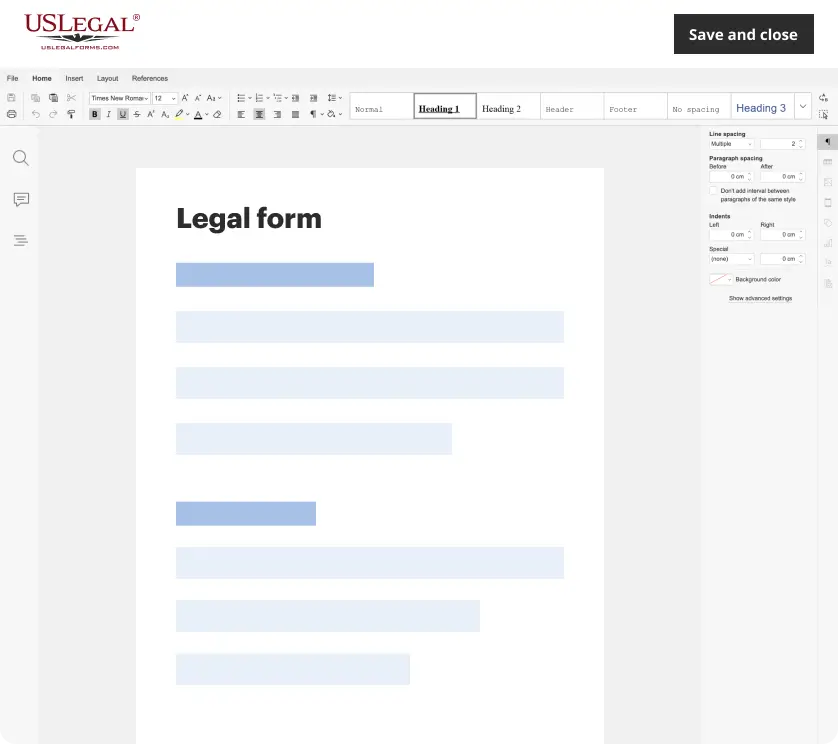
Make edits, fill in missing information, and update formatting in US Legal Forms—just like you would in MS Word.
Download a copy, print it, send it by email, or mail it via USPS—whatever works best for your next step.
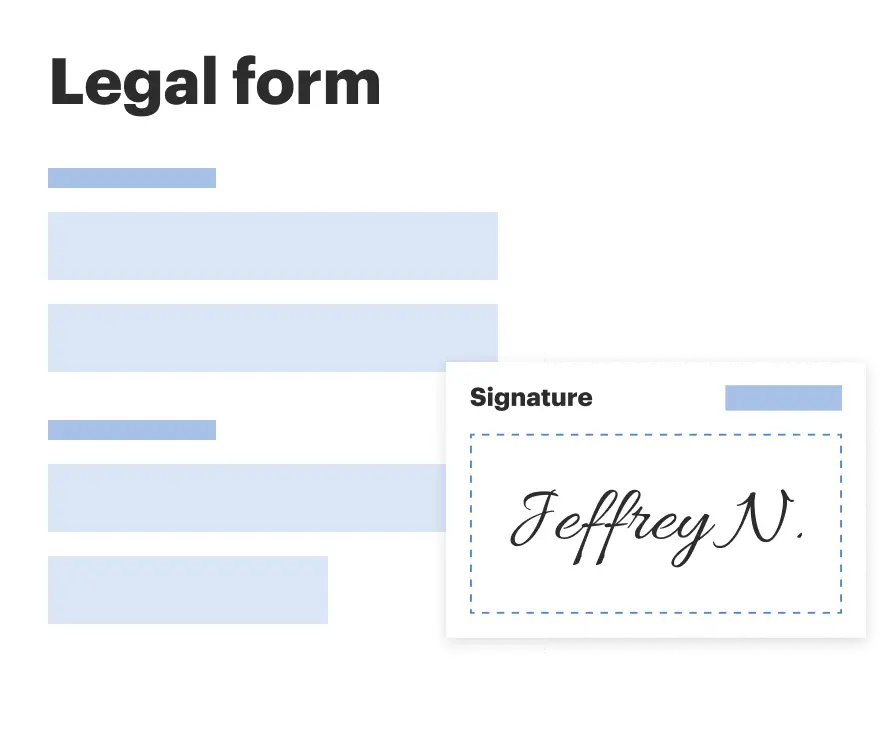
Sign and collect signatures with our SignNow integration. Send to multiple recipients, set reminders, and more. Go Premium to unlock E-Sign.
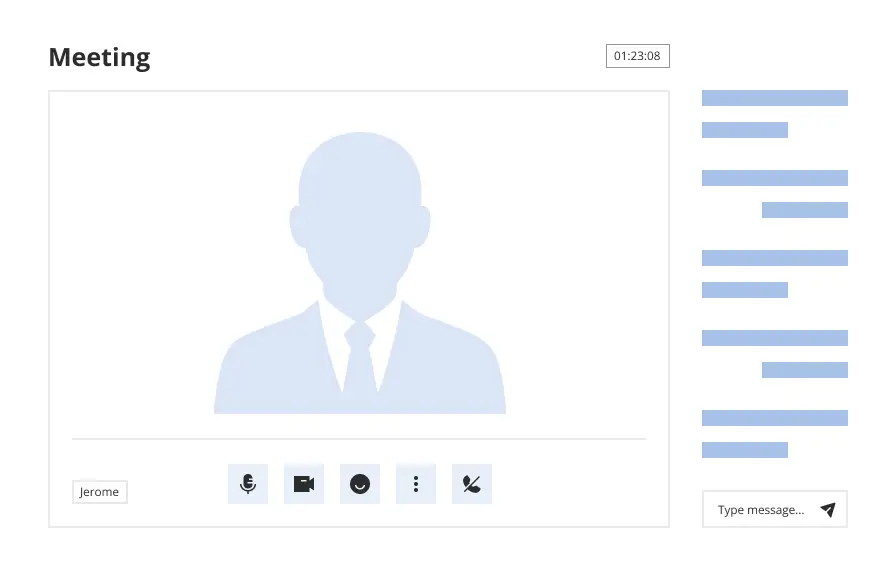
If this form requires notarization, complete it online through a secure video call—no need to meet a notary in person or wait for an appointment.

We protect your documents and personal data by following strict security and privacy standards.
Looking for another form?










Form popularity
FAQ
Retention Letter means a document held to maintain net economic interest significantly, updated by various parties from time to time.
This is a legal contract between the law firm and the client setting forth the terms of the legal services to be provided and how the client will be charged for the services.
An engagement letter is generally specific to professional services, such as accounting, consulting, or legal services. A contract, on the other hand, is a broader term that can apply to any agreement involving two parties, irrespective of the nature of their engagement.
In essence, because a proposal is usually a one-sided offer, which a client can either agree to or refuse, it does not classify as a contract. On the flip side, legal contracts have the mutual agreement of all parties involved, making them two-sided.
An engagement contract, sometimes called an engagement letter, is a formal legal declaration of intent to do business or ""engage"" with another party. This agreement is typical in attorney, contractor, and financial advisor relationships with clients.
Engagement letters are less formal and generally shorter than a traditional contract. However, they also share some important traits, such as being legally binding and designed to reduce liability. They can be used by any size business, from individuals who are sole proprietors to large corporations.
The content of an engagement letter often includes important details such as the scope of services to be provided, fees or billing arrangements, confidentiality clauses, dispute resolution mechanisms, and any other relevant terms agreed upon by both parties.

