Letter Speaking Engagement With Boyfriend In Maricopa
Description
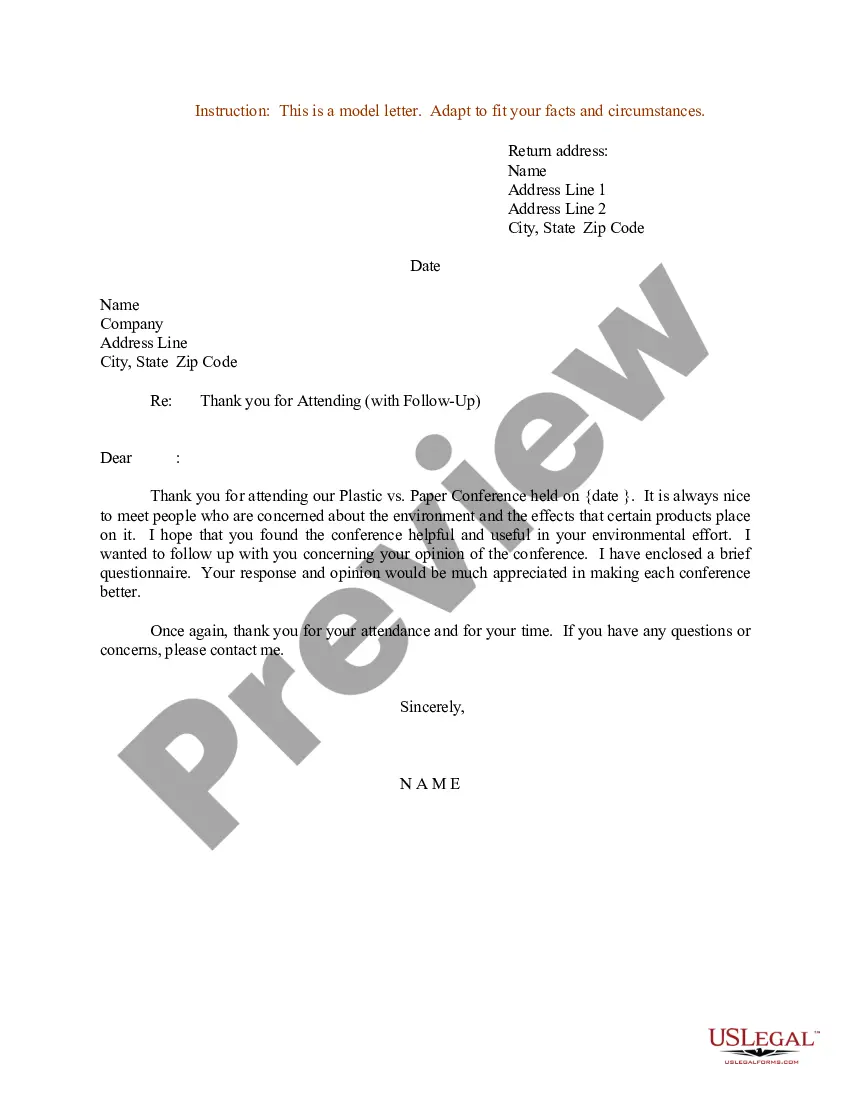
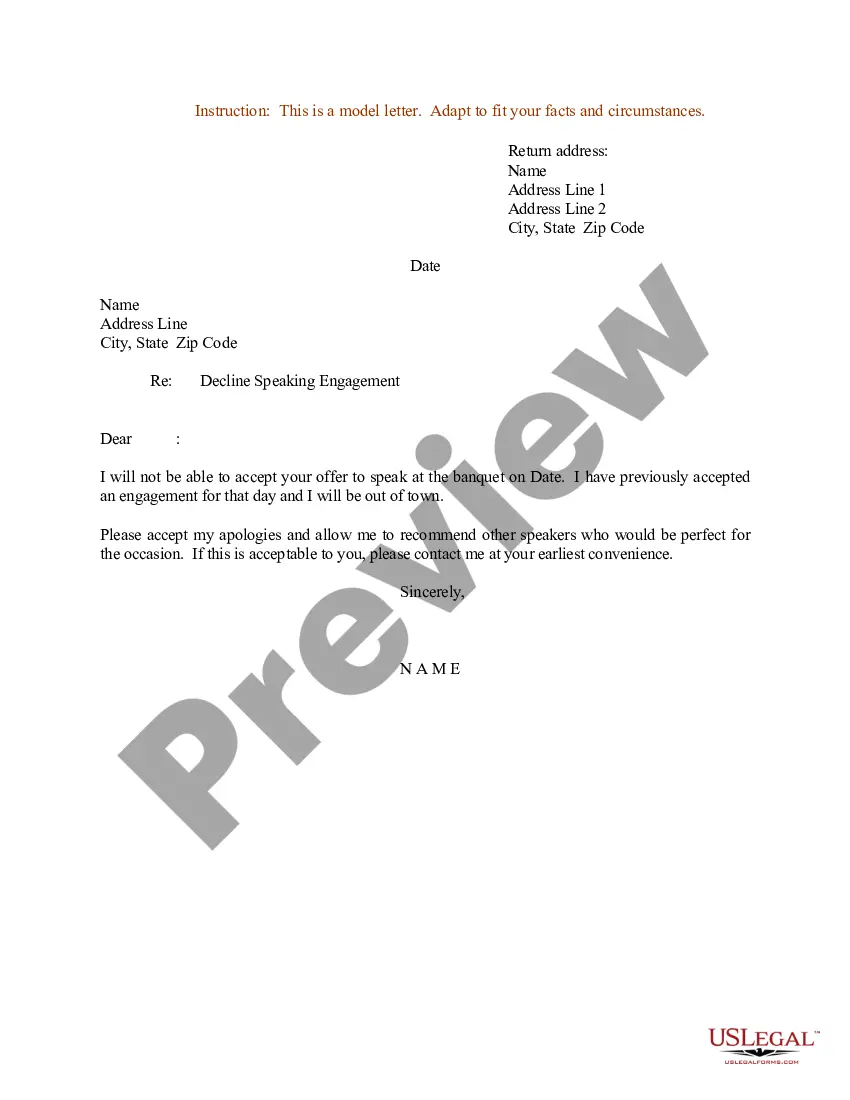
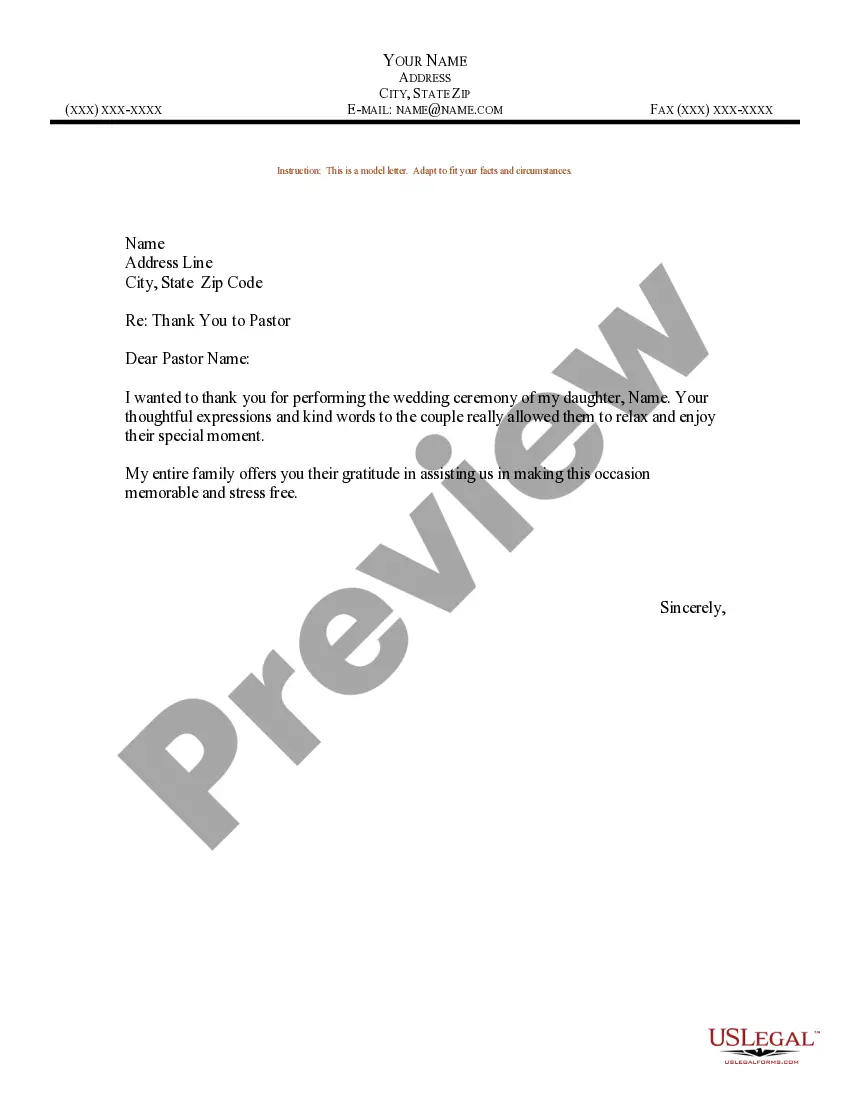
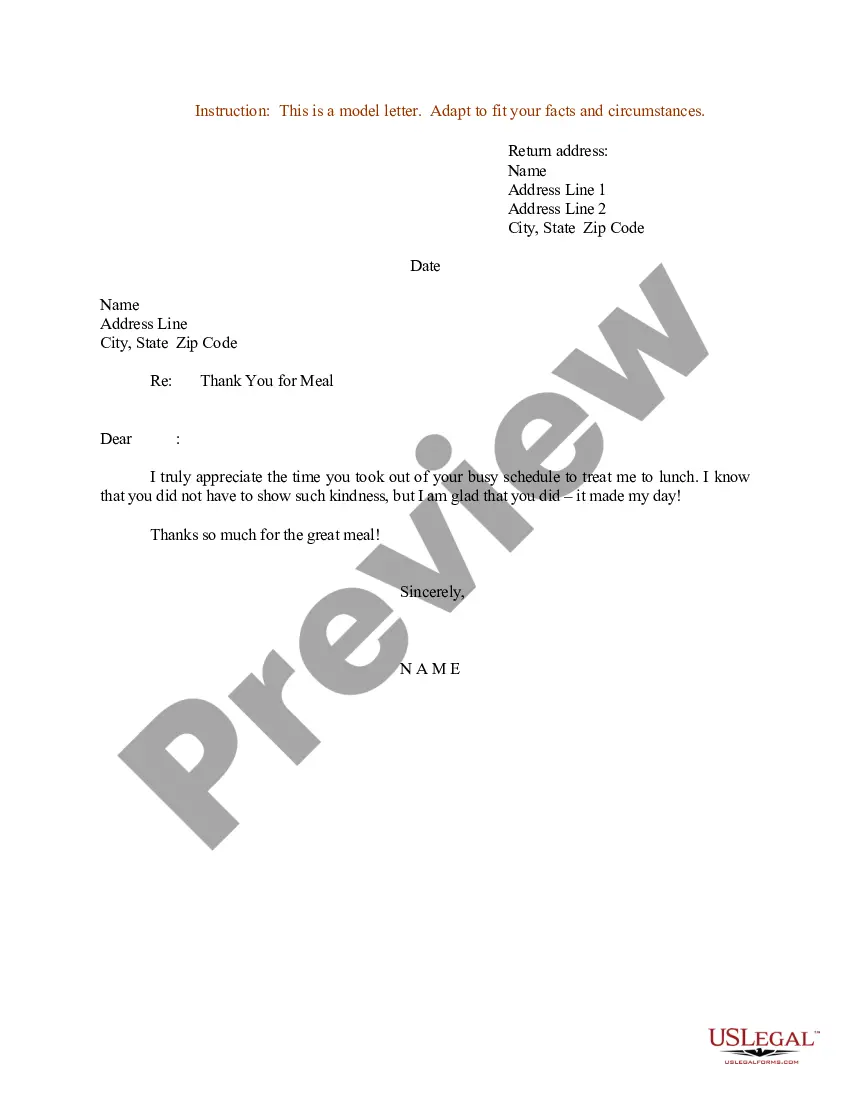
Get your form ready online
Our built-in tools help you complete, sign, share, and store your documents in one place.
Make edits, fill in missing information, and update formatting in US Legal Forms—just like you would in MS Word.
Download a copy, print it, send it by email, or mail it via USPS—whatever works best for your next step.
Sign and collect signatures with our SignNow integration. Send to multiple recipients, set reminders, and more. Go Premium to unlock E-Sign.
If this form requires notarization, complete it online through a secure video call—no need to meet a notary in person or wait for an appointment.
We protect your documents and personal data by following strict security and privacy standards.

Make edits, fill in missing information, and update formatting in US Legal Forms—just like you would in MS Word.

Download a copy, print it, send it by email, or mail it via USPS—whatever works best for your next step.

Sign and collect signatures with our SignNow integration. Send to multiple recipients, set reminders, and more. Go Premium to unlock E-Sign.

If this form requires notarization, complete it online through a secure video call—no need to meet a notary in person or wait for an appointment.

We protect your documents and personal data by following strict security and privacy standards.
Looking for another form?








Form popularity
FAQ
Rule 48 - Emergency Temporary Orders (a)Filing and Timing. A party may request temporary orders without notice by filing a verified motion, along with a proposed form of orders and a notice of hearing on the motion. A motion may be filed at the same time or after filing an initial pre-decree or post-decree petition.
Arizona Rule of Family Law Procedure 49 (Rule 49) requires both parties to share information in family law cases. It requires each party send to the other party a detailed statement with the specific positions the party proposes to resolve all issues.
A party waives the right to a jury trial on any issue of fact raised by the pleadings or evidence but not submitted to the jury unless, before the jury retires, the party demands its submission to the jury. If the party does not demand submission, the court may make a finding on the issue.
What is Rule 69, and Why is it Beneficial? In essence, Rule 69 allows divorcing spouses in Arizona to settle some or all of their disputes on their own. The family court will ultimately decide any remaining divorce matters.
In addition to any other available methods of service, the plaintiff may serve the summons and complaint by registered or certified mail.
Arizona Rule of Family Law Procedure 49 (Rule 49) requires both parties to share information in family law cases. It requires each party send to the other party a detailed statement with the specific positions the party proposes to resolve all issues.
Rule 48 - Emergency Temporary Orders (a)Filing and Timing. A party may request temporary orders without notice by filing a verified motion, along with a proposed form of orders and a notice of hearing on the motion. A motion may be filed at the same time or after filing an initial pre-decree or post-decree petition.
