Letter Engagement Statement For Tax Services In Maricopa
Description
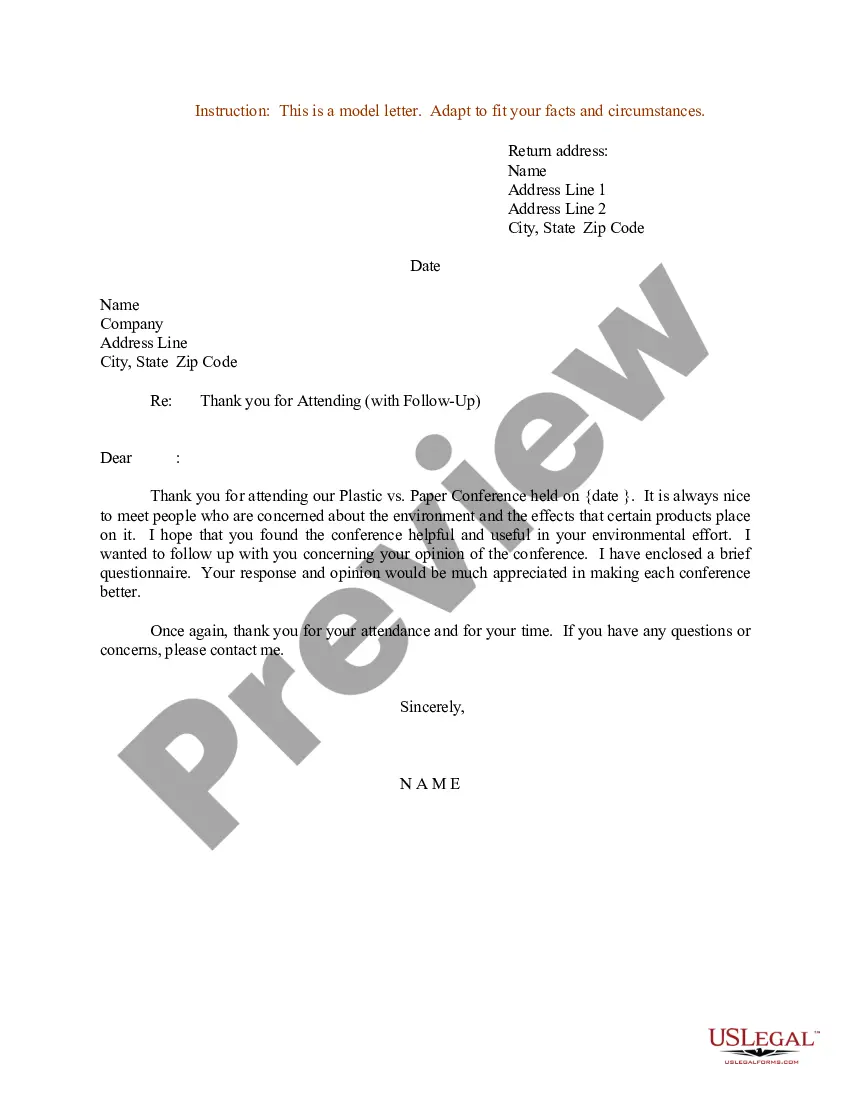
Get your form ready online
Our built-in tools help you complete, sign, share, and store your documents in one place.
Make edits, fill in missing information, and update formatting in US Legal Forms—just like you would in MS Word.
Download a copy, print it, send it by email, or mail it via USPS—whatever works best for your next step.
Sign and collect signatures with our SignNow integration. Send to multiple recipients, set reminders, and more. Go Premium to unlock E-Sign.
If this form requires notarization, complete it online through a secure video call—no need to meet a notary in person or wait for an appointment.
We protect your documents and personal data by following strict security and privacy standards.

Make edits, fill in missing information, and update formatting in US Legal Forms—just like you would in MS Word.

Download a copy, print it, send it by email, or mail it via USPS—whatever works best for your next step.

Sign and collect signatures with our SignNow integration. Send to multiple recipients, set reminders, and more. Go Premium to unlock E-Sign.

If this form requires notarization, complete it online through a secure video call—no need to meet a notary in person or wait for an appointment.

We protect your documents and personal data by following strict security and privacy standards.
Looking for another form?







Form popularity
FAQ
Engagement letters are important because they outline the expectations and responsibilities of both the bookkeeper and the client. They also help protect both parties in case of any disputes or misunderstandings, especially involving the scope of work to be completed.
2024 Individual Tax Return Engagement Letter – Form 1040 2024 Individual Tax Return Engagement Letter – Form 1040. An engagement letter is a contract that establishes the services a practitioner will provide to his or her clients. Each engagement requires careful consideration to address its particular circumstances.
What Is an Engagement Letter? An engagement letter is a written agreement that describes the business relationship to be entered into by a client and a company. The letter details the scope of the agreement, its terms, and costs. The purpose of an engagement letter is to set expectations on both sides of the agreement.
We are pleased to accept the instruction to act as your bookkeeper/accountant and we are writing to confirm the terms of our appointment. The purpose of this letter is to set out our terms for carrying out the work and to clarify our respective responsibilities.
The Downtown External Filing Depository Box is located at 111 S. 3rd Avenue, outside of the West Court Building entrance. The Mesa External Filing Depository Box is located on the Northeast side of the main entrance of the Southeast Court Complex, 222 E. Javelina.
Filing a Will or Probate Case The Probate Filing Counter is located at 201 W. Jefferson in Phoenix, or at our Southeast location, 222 E. Javelina in Mesa, or at our Northwest Regional Court Center location at 14264 W. Tierra Buena Lane in Surprise, or at our Northeast Regional Court Center at 18380 N.
The Arizona Judicial Branch offers the ability to eFile subsequent and case initiating family court documents for Maricopa County. You can learn more about eFiling in Family Law Cases here. Filing hours are Monday through Friday from am- pm.
Contact the County Probate Court To find out if an estate is in probate, you can check with the county probate court. Probate proceedings are public, so there aren't any privacy laws that would prevent you from contacting the court for information.
Assessed value = Property tax bill x (100 / Tax rate) Example: If your property tax bill is $3,400 and your county's department of finance tells you the real-estate tax rate is 1%, you can see that your assessed value is $340,000.
Under A.R.S. 42-13301 the LPV is the limited property value of the property in the preceding valuation year plus five percent of that value.

