Letter Engagement Form Without Disclosures In Maricopa
Description
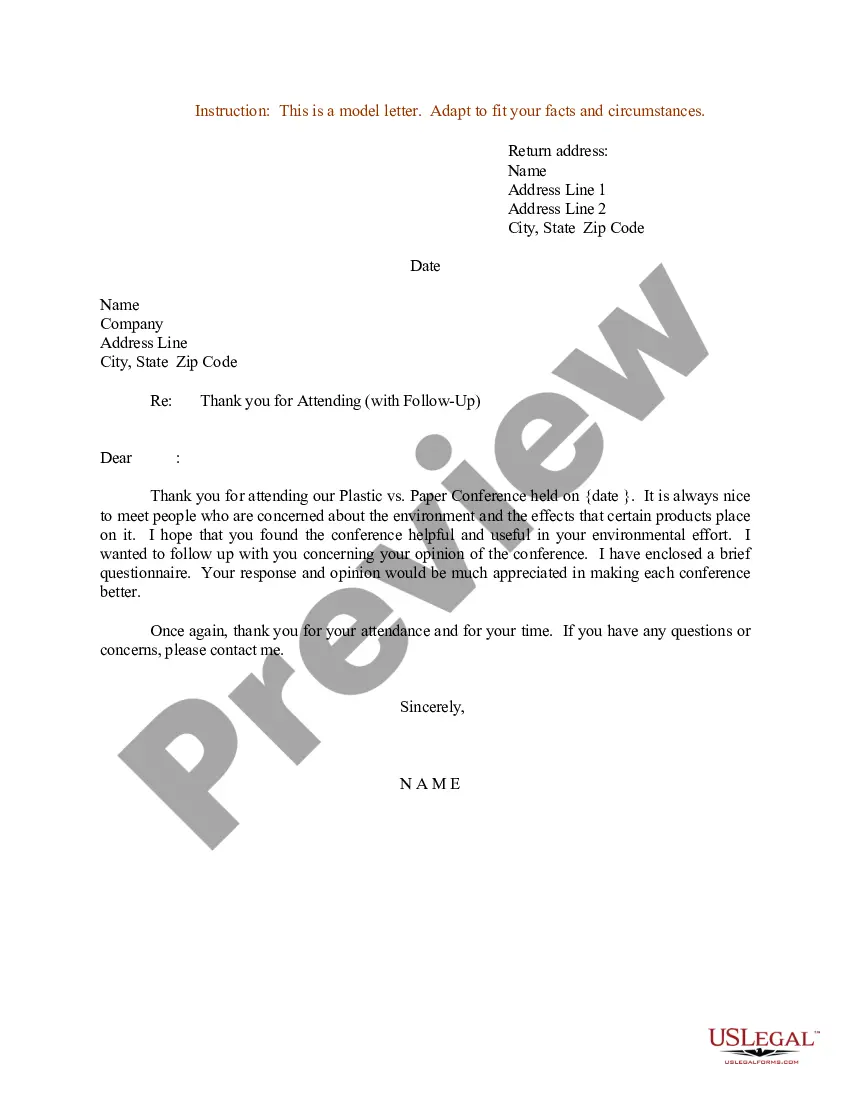
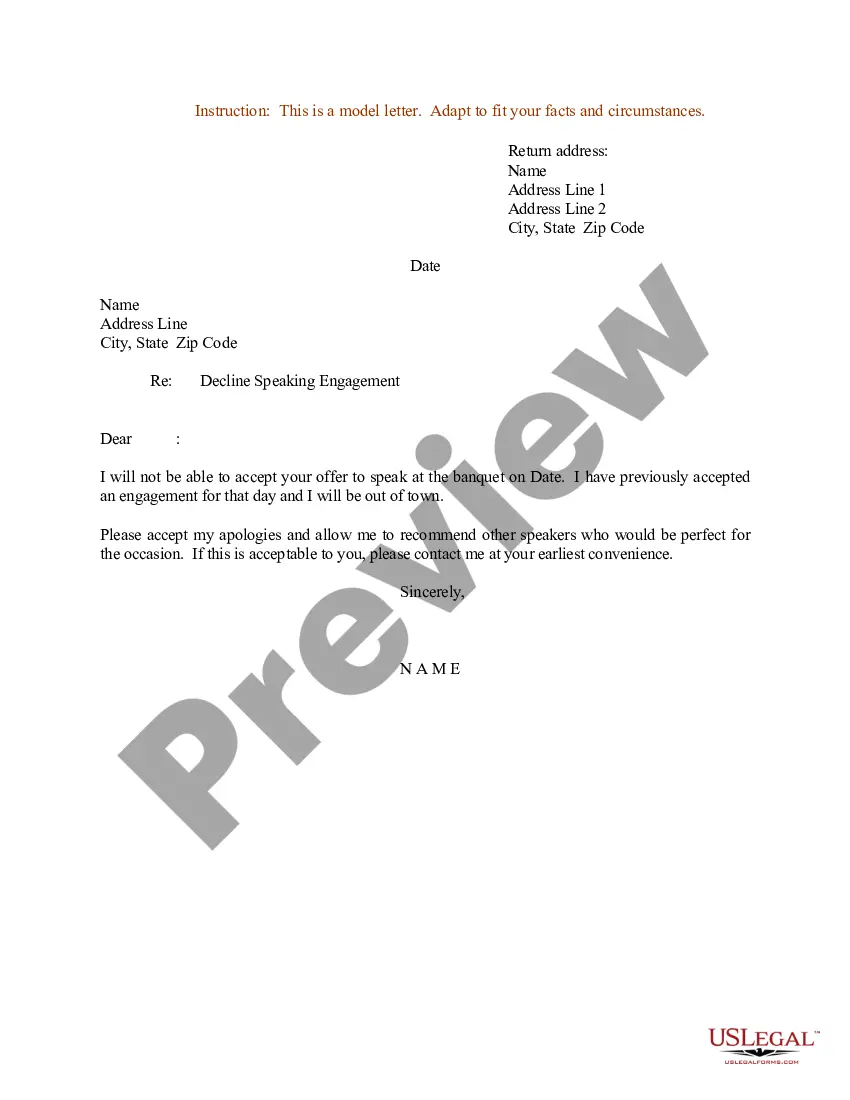
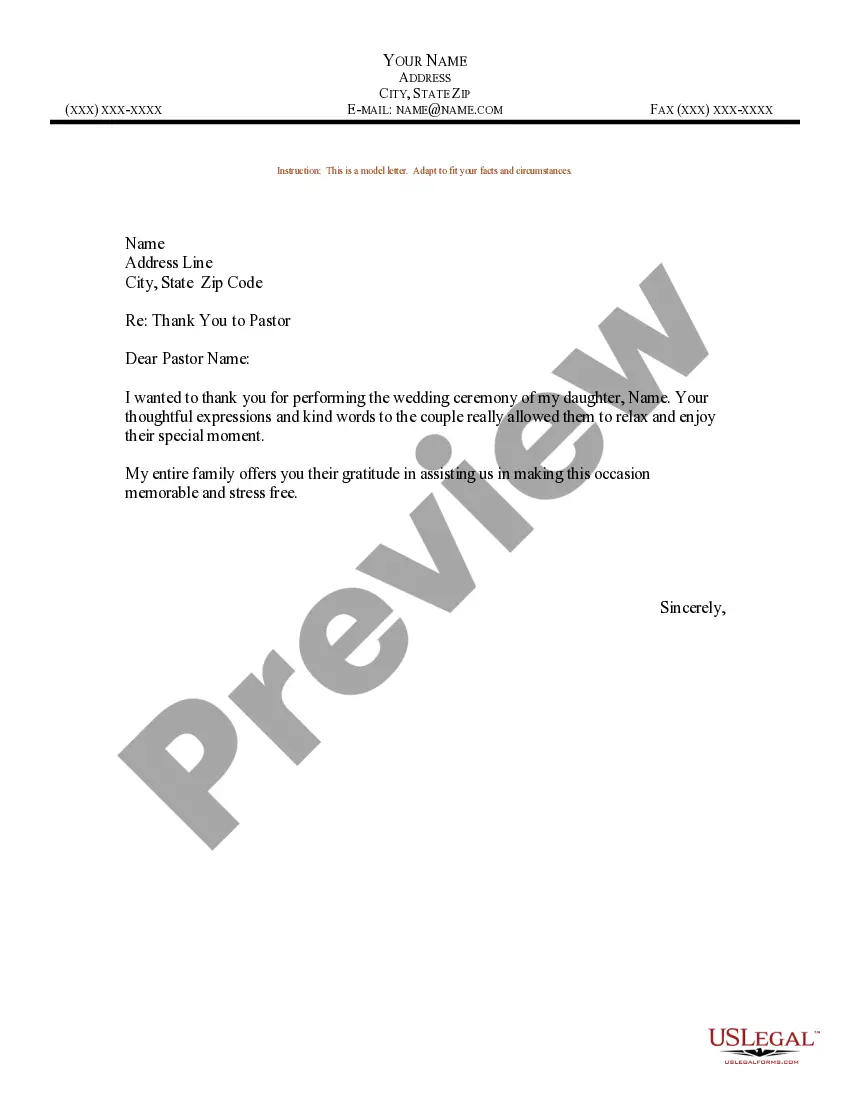
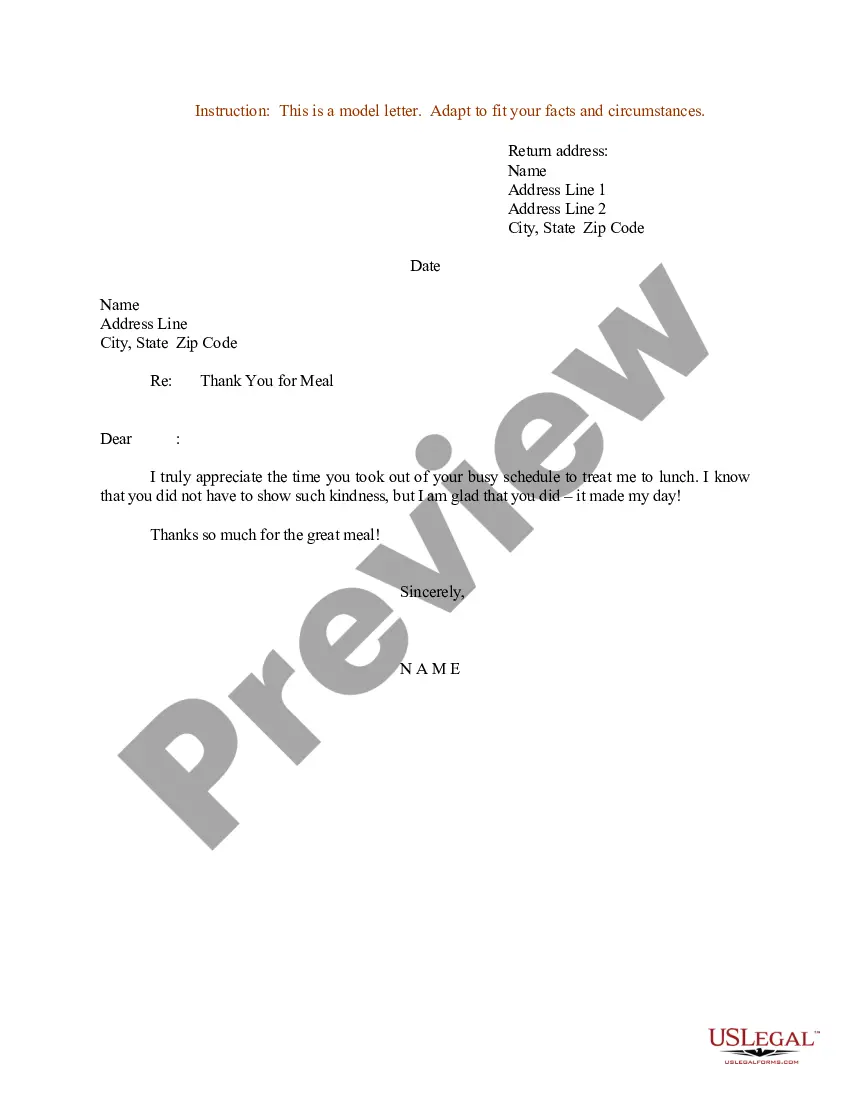
Get your form ready online
Our built-in tools help you complete, sign, share, and store your documents in one place.
Make edits, fill in missing information, and update formatting in US Legal Forms—just like you would in MS Word.
Download a copy, print it, send it by email, or mail it via USPS—whatever works best for your next step.
Sign and collect signatures with our SignNow integration. Send to multiple recipients, set reminders, and more. Go Premium to unlock E-Sign.
If this form requires notarization, complete it online through a secure video call—no need to meet a notary in person or wait for an appointment.
We protect your documents and personal data by following strict security and privacy standards.

Make edits, fill in missing information, and update formatting in US Legal Forms—just like you would in MS Word.

Download a copy, print it, send it by email, or mail it via USPS—whatever works best for your next step.

Sign and collect signatures with our SignNow integration. Send to multiple recipients, set reminders, and more. Go Premium to unlock E-Sign.

If this form requires notarization, complete it online through a secure video call—no need to meet a notary in person or wait for an appointment.

We protect your documents and personal data by following strict security and privacy standards.
Looking for another form?



Form popularity
FAQ
The affidavit of financial information or “AFI” is a document each litigant must complete under oath and file in any Arizona family court case involving requests for child support, spousal maintenance, and/or attorney's fees. A copy of the form used in Maricopa County Superior Court can be found here.
Arizona Rule of Family Law Procedure 49 (Rule 49) requires both parties to share information in family law cases. It requires each party send to the other party a detailed statement with the specific positions the party proposes to resolve all issues.
Child custody cases in Arizona can take three months to a year to conclude because of the many things that influence the case. It can take longer than that if both parents do not discuss an agreement.
Arizona courts consider factors such as the child's needs, parental involvement, and each parent's ability to provide a nurturing environment when determining custody arrangements. This information is often outlined in a parenting plan to ensure the child's well-being and development.
If you're doing it on your own, however, you may contact your court clerk for information on how to do this. The motion has to state what your ex-spouse isn't doing, what areas he or she is in violation of. It must clarify why he or she ought to be held in contempt of the divorce decree. You must prove your case.
You will receive your marriage license on the same day you apply for the license, and can be married on the same day, if you have made arrangements with an officiator of your choice to perform the ceremony.
Certified copies of marriage licenses are only available from the county clerk. Certified copies of divorce decrees are only available from the district clerk. Certified copies of marriage/divorce records must be obtained in the county or district in which they were originally filed.
How do I obtain a copy of a marriage license or divorce decree? These records can be obtained at the Clerk of Superior Court's Office located at 415 E Spring St in Kingman or via telephone at (928)753-0713.
You can make a marriage records search request in person at the clerk's office. Requests can also be made online. Visit the court's clerk's website, navigate the public record request page, complete an online form, and submit it.
Marriage Licenses and Divorce Decrees are available from the Maricopa County Clerk of the Superior Court. Family Court and Probate records are available at various Justice Court and Maricopa County Court locations. Adoption records are available at the Arizona State Library, Archives and Public Records.

