Letter Engagement Form With The Client In Maricopa
Description
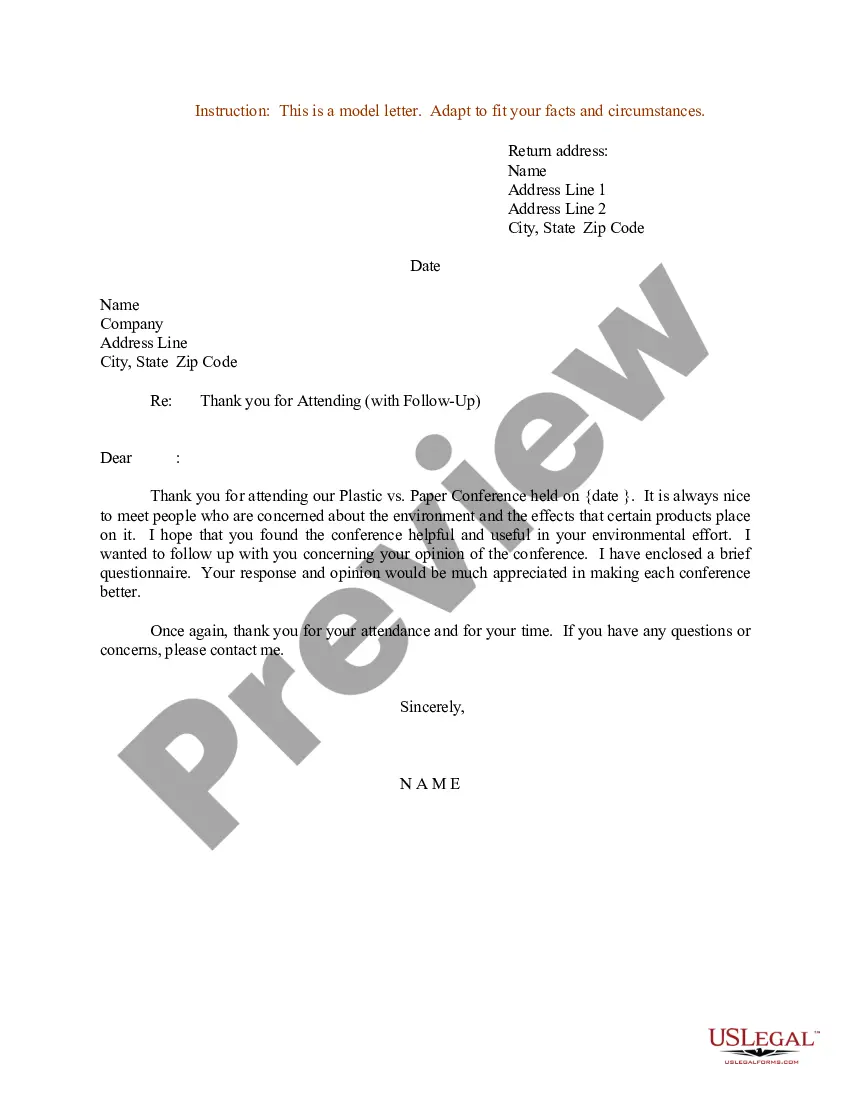
Get your form ready online
Our built-in tools help you complete, sign, share, and store your documents in one place.
Make edits, fill in missing information, and update formatting in US Legal Forms—just like you would in MS Word.
Download a copy, print it, send it by email, or mail it via USPS—whatever works best for your next step.
Sign and collect signatures with our SignNow integration. Send to multiple recipients, set reminders, and more. Go Premium to unlock E-Sign.
If this form requires notarization, complete it online through a secure video call—no need to meet a notary in person or wait for an appointment.
We protect your documents and personal data by following strict security and privacy standards.

Make edits, fill in missing information, and update formatting in US Legal Forms—just like you would in MS Word.

Download a copy, print it, send it by email, or mail it via USPS—whatever works best for your next step.

Sign and collect signatures with our SignNow integration. Send to multiple recipients, set reminders, and more. Go Premium to unlock E-Sign.

If this form requires notarization, complete it online through a secure video call—no need to meet a notary in person or wait for an appointment.

We protect your documents and personal data by following strict security and privacy standards.
Looking for another form?






Form popularity
FAQ
Maricopa County Phoenix / County
More than half of the state's population resides in Maricopa County, which includes the cities of Phoenix, Mesa, Glendale, Scottsdale, Tempe, Chandler, Peoria and the town of Gilbert. This metropolitan area is the state's major center of political and economic activity.
The Phoenix Metropolitan Area comprises Maricopa County (2020 population: 4,420,568) and Pinal County (2020 population: 425,264). It is officially designated by the US Census Bureau as the Phoenix–Mesa–Chandler, AZ Metropolitan Statistical Area.
Cities & Towns Apache Junction. Avondale. Buckeye. Carefree. Cave Creek. Chandler. El Mirage.
Maricopa County Phoenix / County
Phoenix is the seat of Maricopa County, the state capital, and the largest city in the state.
Your final divorce paper is called a Decree of Dissolution. You will also need other documents listed below. The relief that you asked for in your Petition must be the same as in the Decree.
In most cases, the process takes around 90 to 120 days from the initial filing. Once the consent decree is filed, it shows that all issues, including alimony, custody, and asset division, have been agreed upon. This filing can speed up the divorce process, potentially even before the first court date.
Are Arizona Divorce Records available online? Arizona court records of 153 out of 180 trial courts in the state are available online through a Public Access Case Lookup. Online access in some county websites is redirected to the same online resource.
Contact the Clerk of the Superior Court for the county in which the divorce was filed in. Divorce decrees filed before 1950 may be held by the Arizona State Archives, depending on the county. Contact the Clerk of the Superior Court for the county they were filed in.

