Sample Pitch Email For Speaking Engagement In Los Angeles
Description
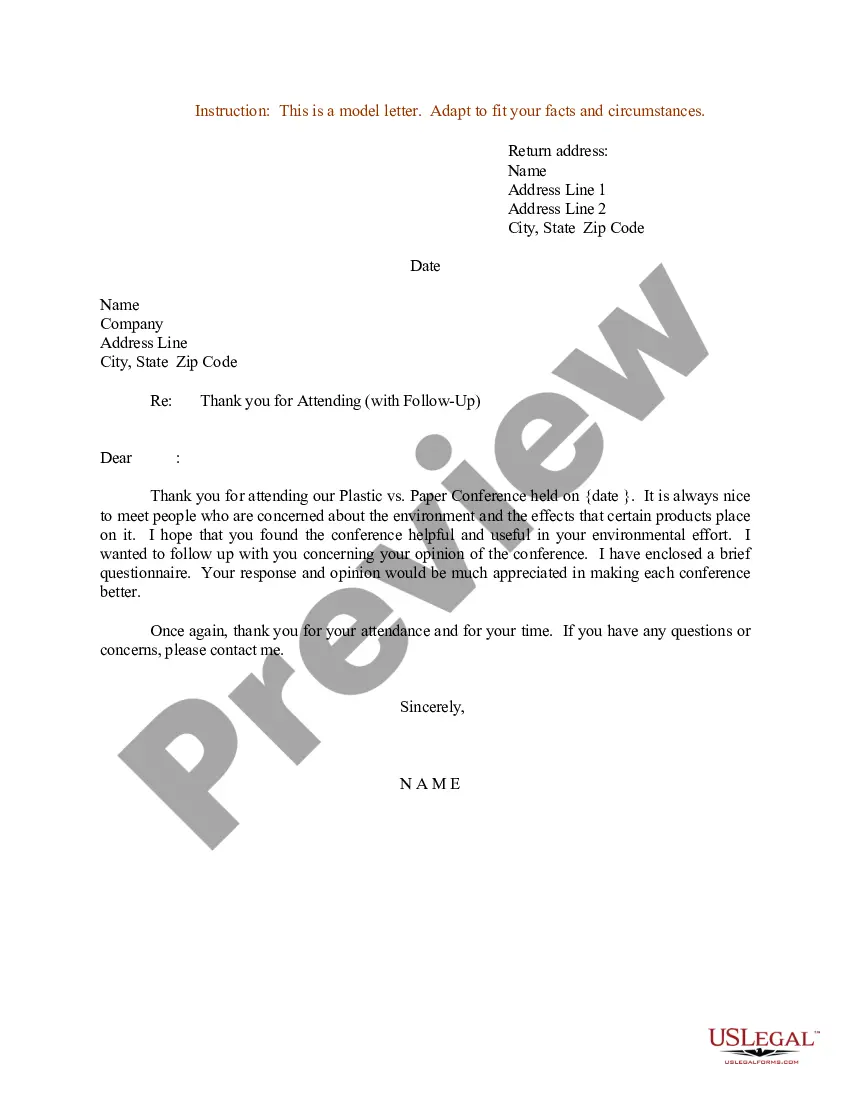
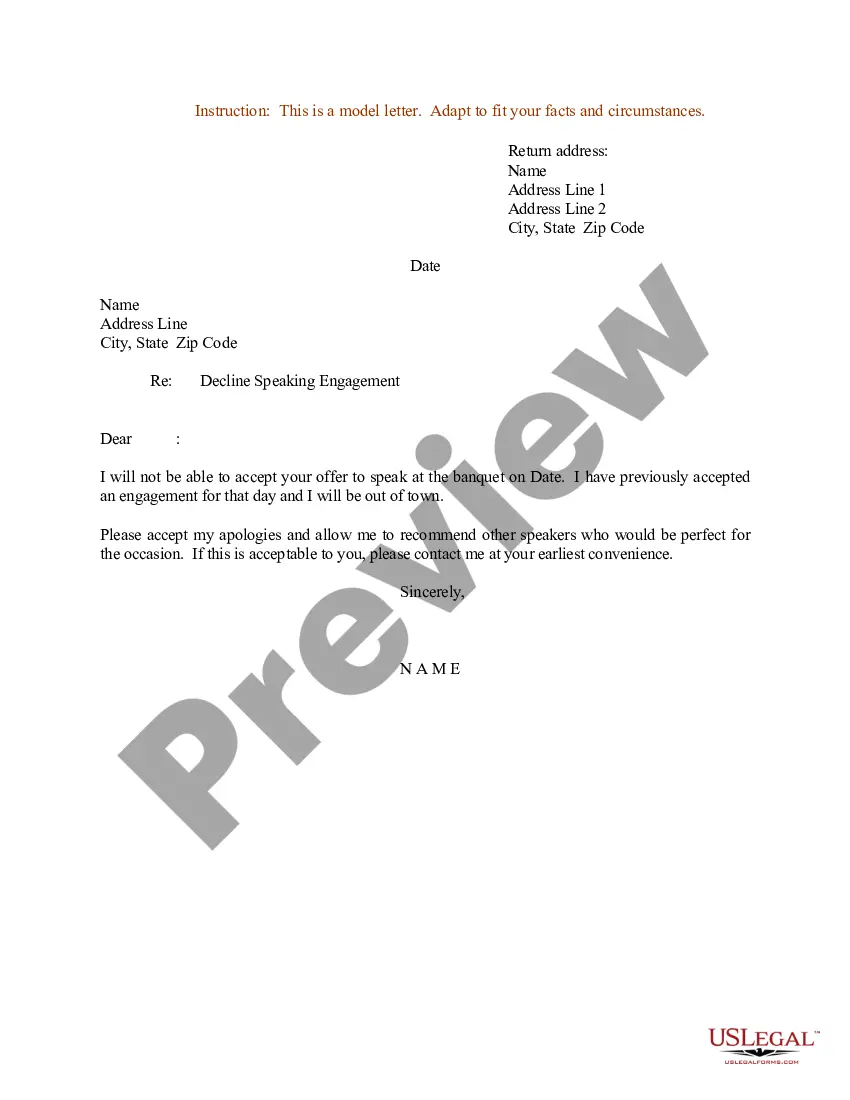
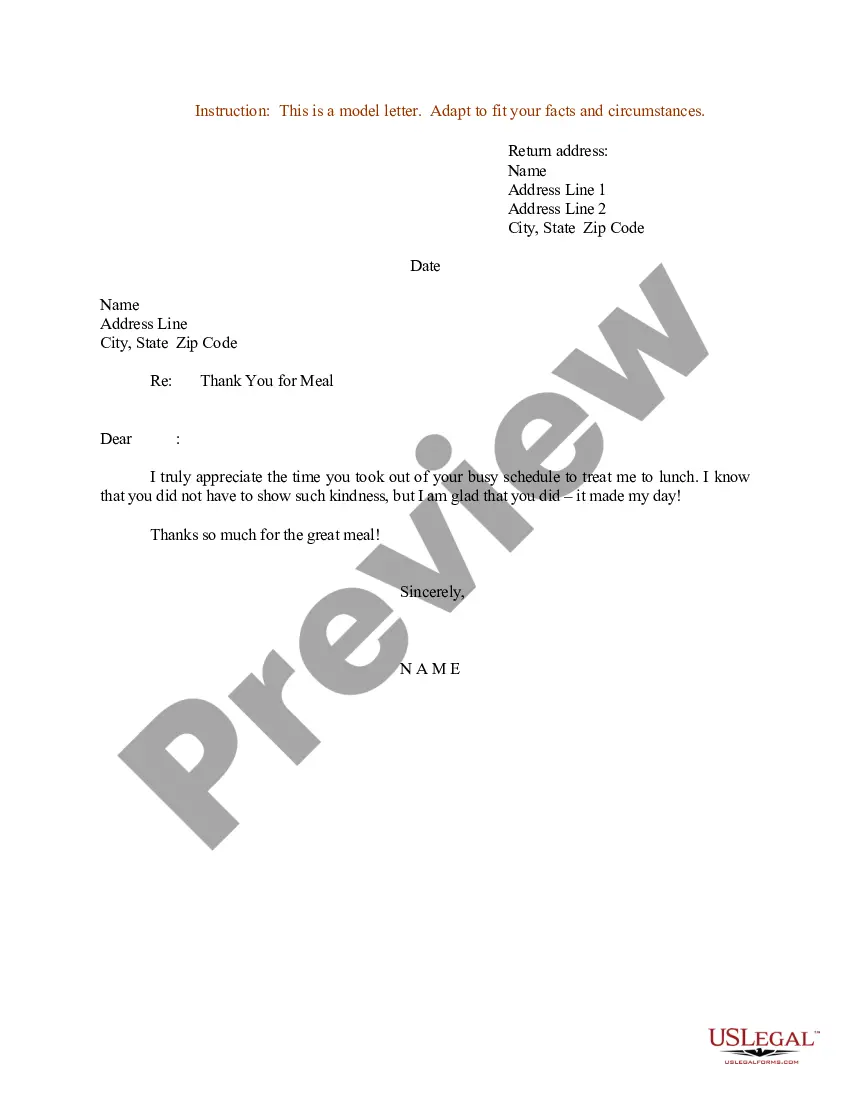
Get your form ready online
Our built-in tools help you complete, sign, share, and store your documents in one place.
Make edits, fill in missing information, and update formatting in US Legal Forms—just like you would in MS Word.
Download a copy, print it, send it by email, or mail it via USPS—whatever works best for your next step.
Sign and collect signatures with our SignNow integration. Send to multiple recipients, set reminders, and more. Go Premium to unlock E-Sign.
If this form requires notarization, complete it online through a secure video call—no need to meet a notary in person or wait for an appointment.
We protect your documents and personal data by following strict security and privacy standards.

Make edits, fill in missing information, and update formatting in US Legal Forms—just like you would in MS Word.

Download a copy, print it, send it by email, or mail it via USPS—whatever works best for your next step.

Sign and collect signatures with our SignNow integration. Send to multiple recipients, set reminders, and more. Go Premium to unlock E-Sign.

If this form requires notarization, complete it online through a secure video call—no need to meet a notary in person or wait for an appointment.

We protect your documents and personal data by following strict security and privacy standards.
Looking for another form?

Form popularity
FAQ
A confident greeting, a brief mention of your name and role, a pertinent and engaging personal anecdote, and an expression of excitement for the chance to speak are the best ways to introduce oneself on stage. To get the attention of your audience right away, keep it brief.
Good pitches include: a clear title (don't try to be too clever, no one knows what the heck you're talking about), timely topic, and real-world examples (most conferences won't take a presentation that has zero data or case studies).
1 Know your audience. Before you send out any pitch, you need to do some research on your target audience. 2 Craft your hook. The first impression is crucial when it comes to pitching yourself for speaking opportunities. 3 Showcase your value. 4 Provide evidence. 5 Include a call to action. 6 Here's what else to consider.
Breakdown of an Effective Pitch Introduction (15 seconds) Problem statement (30 seconds) Market opportunity (15 seconds): for an investor pitch only! ... Solution statement (30 seconds) What makes you Unique (15 seconds) What you are Asking the customer for (15 seconds)
How Do You Write an Effective Sales Pitch Email? The secret to a good sales pitch email is explaining your product's value to the right audience. Start with a catchy subject line to draw the recipient in. Personalize the introduction, highlight the value proposition, and end with a clear call to action.
What to Include in Your Pitch Email Introduction: sell yourself and make it fun! Purpose: why are you reaching out? Flattery: express your interest in a specific product/service Boast: share some goodies about yourself! Plan: give them a taste of how you'd show off their product/service
A great example of a sales pitch is a personalized, concise email that addresses the customer's needs. It should clearly explain the offered product or service and how it can solve the customer's problem or address their pain points. It should also include social proof and provide a clear call to action.
How to get speaking engagements Get clear on why you want to speak. Listen to a lot of talks from speakers that you admire. Come up with 3-5 talk ideas. Prepare an outline for each talk idea. Build your event list. Slide into event organizers' DMs. Email your pitch. Turn your outline into a speaker proposal.
Reach Out to Contacts: Inform colleagues, friends, and professional contacts that you are available for speaking engagements. Ask for Referrals: Encourage your network to recommend you to event organizers. Create a Compelling Pitch: Outline your speaking topics, what attendees will learn, and your unique perspective.
How to Write a Pitch Email in 5 Steps Start with an attention-grabbing subject line. Keep your email subject line to a handful of words, ideally only seven or eight. Include the recipient's name. Write a quick introduction. Create a short and sweet pitch. Conclude with a polite sign-off.

