Engagement Letter Format For Internal Audit In Los Angeles
Description
Get your form ready online
Our built-in tools help you complete, sign, share, and store your documents in one place.
Make edits, fill in missing information, and update formatting in US Legal Forms—just like you would in MS Word.
Download a copy, print it, send it by email, or mail it via USPS—whatever works best for your next step.
Sign and collect signatures with our SignNow integration. Send to multiple recipients, set reminders, and more. Go Premium to unlock E-Sign.
If this form requires notarization, complete it online through a secure video call—no need to meet a notary in person or wait for an appointment.
We protect your documents and personal data by following strict security and privacy standards.

Make edits, fill in missing information, and update formatting in US Legal Forms—just like you would in MS Word.

Download a copy, print it, send it by email, or mail it via USPS—whatever works best for your next step.

Sign and collect signatures with our SignNow integration. Send to multiple recipients, set reminders, and more. Go Premium to unlock E-Sign.

If this form requires notarization, complete it online through a secure video call—no need to meet a notary in person or wait for an appointment.

We protect your documents and personal data by following strict security and privacy standards.
Looking for another form?
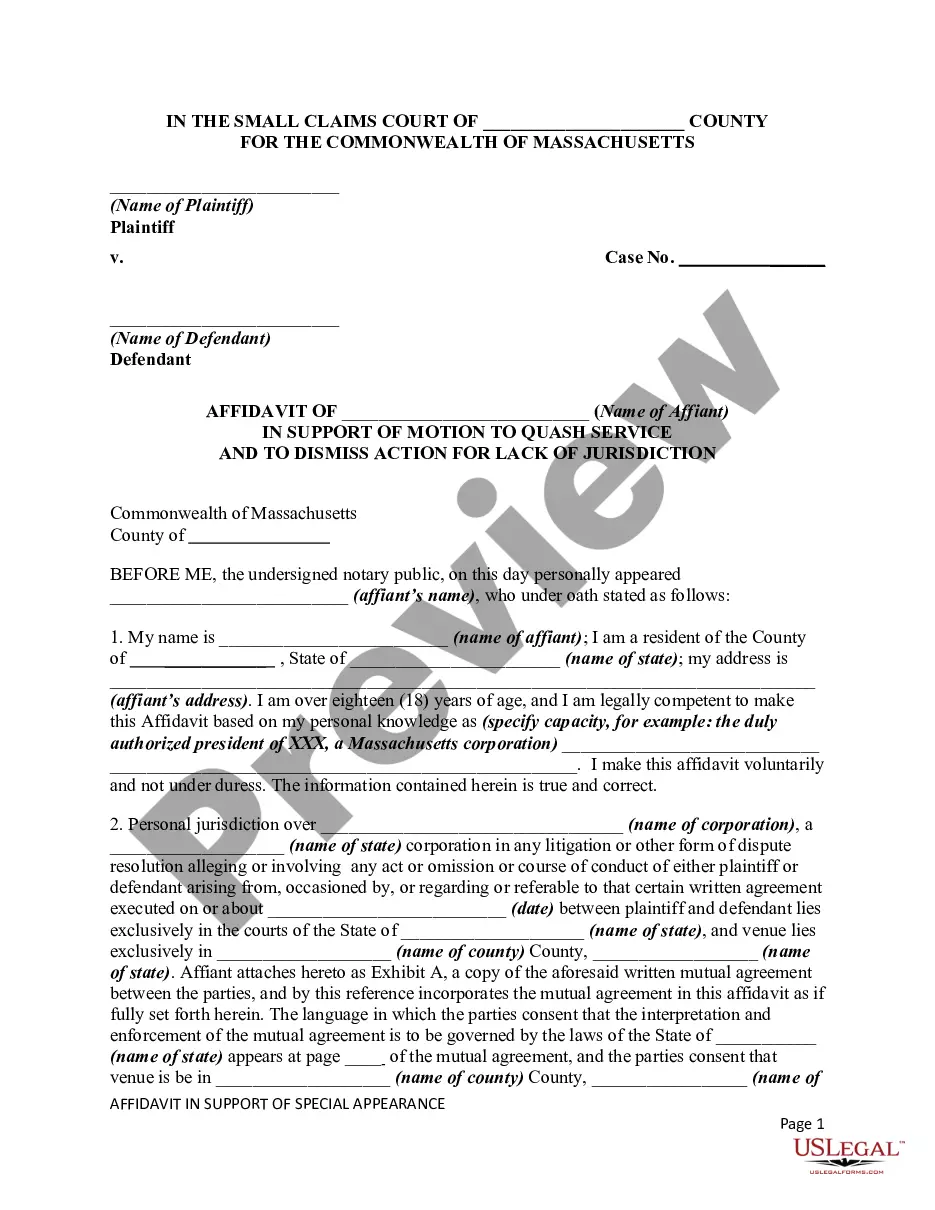





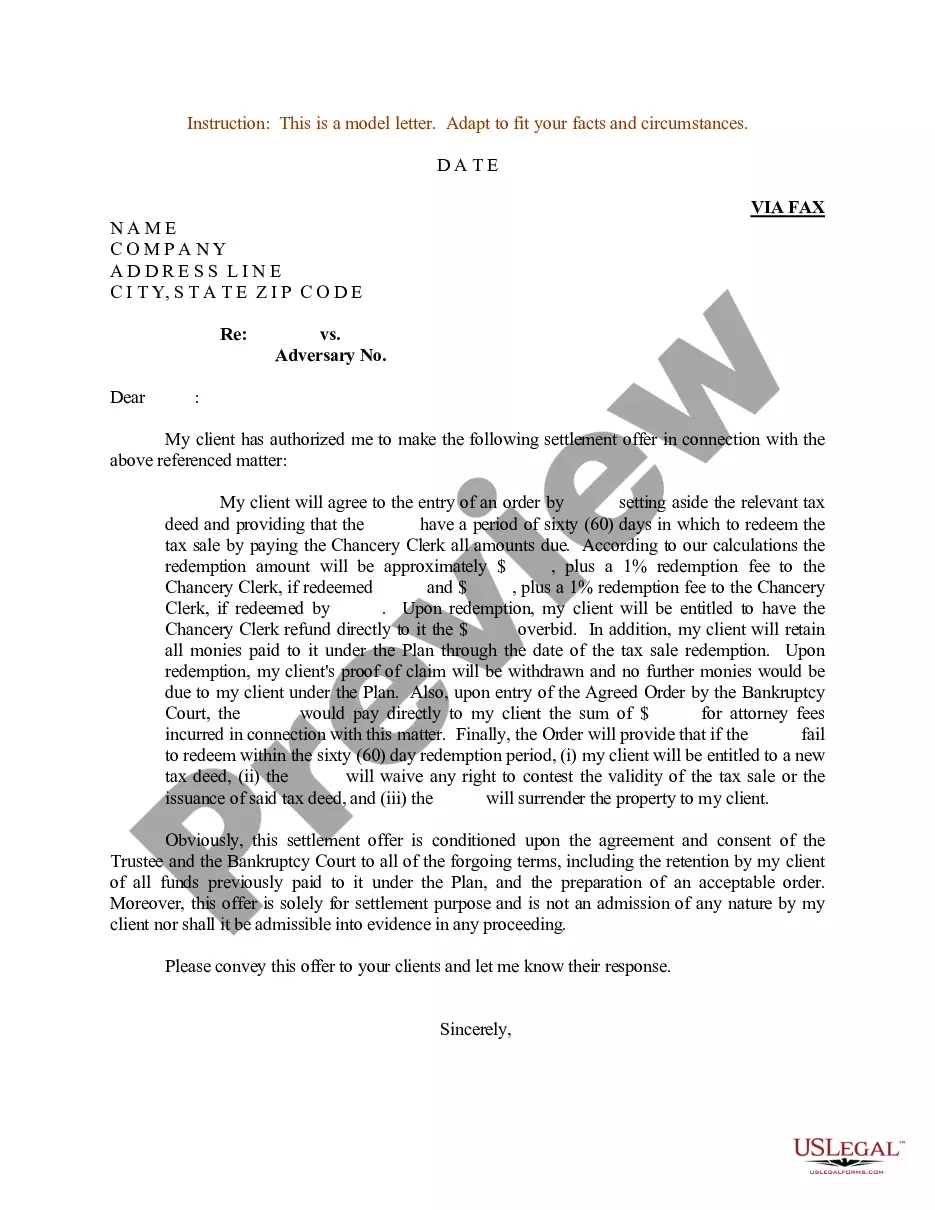



Form popularity
FAQ
An auditor's engagement letter generally includes matters such as management's responsibility for the entity's compliance with laws and regulations, the factors to be considered in setting preliminary judgments about materiality, and the auditor's responsibility to guarantee accuracy of the financial statements.
Engagement letters set the terms of the agreement between two parties and include details such as the scope, fees, and responsibilities, among others. Some of the benefits of engagement letters are that they are legally binding documents, they reduce misunderstandings, and they set clear expectations.
Your designated audit firm will prepare the specific terms of engagement using the appropriate AICPA-issued engagement letter template. It should be noted that there are many terms for audit engagements that are deemed required by the AICPA and therefore unable to be negotiated.
Engagement audit planning process has to address the four phases of an audit engagement: the initial planning, the preliminary survey, the fieldwork, the report. The main steps in the planning process are the same whether the internal auditor is undertaking an assurance or consulting mission.
To help you protect yourself and mitigate risk, these eight critical elements should be included in every engagement letter. CLIENT NAME. SCOPE OF SERVICES. CPA FIRM RESPONSIBILITIES. CLIENT RESPONSIBILITIES. DELIVERABLES. ENGAGEMENT TIMING. TERMINATION AND WITHDRAWAL. BILLING AND FEES.
What Does an Audit Engagement Letter Typically Include? Introduction and Purpose. Scope of the Audit. Auditor's Responsibilities. Client's Responsibilities. Audit Limitations. Applicable Standards. Fees and Payment Terms. Confidentiality and Data Security.
Engagement audit planning process has to address the four phases of an audit engagement: the initial planning, the preliminary survey, the fieldwork, the report. The main steps in the planning process are the same whether the internal auditor is undertaking an assurance or consulting mission.
Internal auditors exercise a unique function in the company. Their status, their mission and their impact are reminded in the session entitled “The 5 P's of Internal Audit”. The 5 Ps are : Plan, Perform, People, Profile and Product.
Audit team reports frequently adhere to the rule of the “Five C's” of data sharing and communication, and a thorough summary in a report will include each of these elements. The “Five C's” are criteria, condition, cause, consequence, and corrective action.

