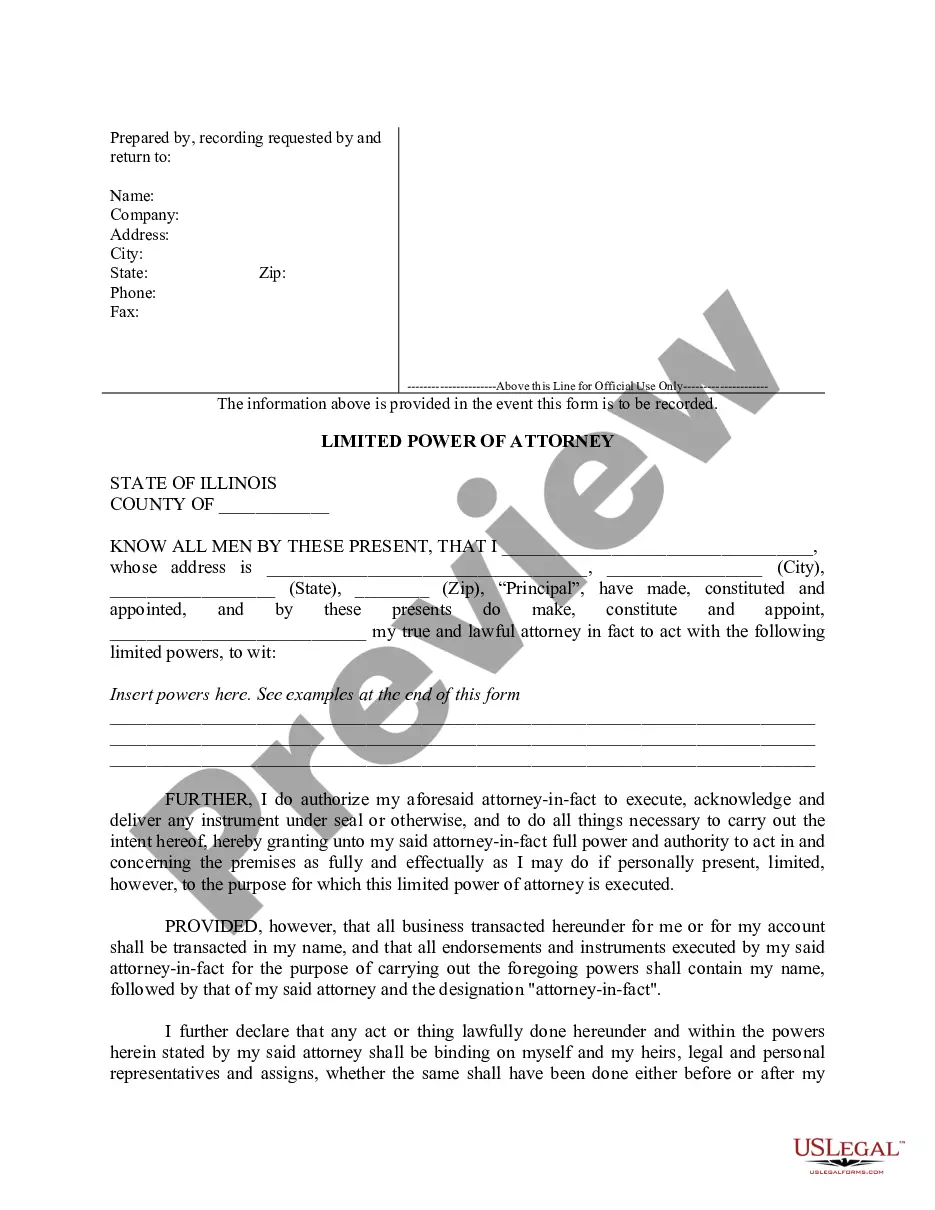
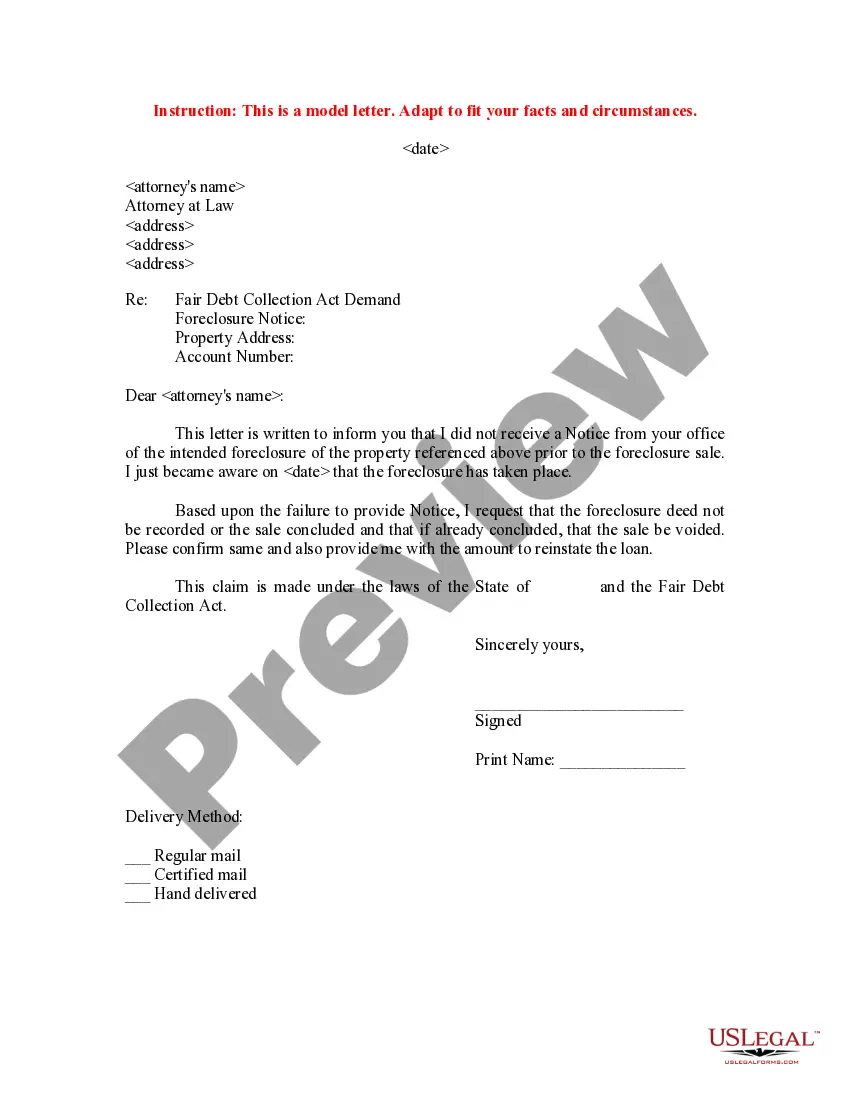
Letter Engagement Statement With Reference In Franklin
Description
Get your form ready online
Our built-in tools help you complete, sign, share, and store your documents in one place.
Make edits, fill in missing information, and update formatting in US Legal Forms—just like you would in MS Word.
Download a copy, print it, send it by email, or mail it via USPS—whatever works best for your next step.
Sign and collect signatures with our SignNow integration. Send to multiple recipients, set reminders, and more. Go Premium to unlock E-Sign.
If this form requires notarization, complete it online through a secure video call—no need to meet a notary in person or wait for an appointment.
We protect your documents and personal data by following strict security and privacy standards.

Make edits, fill in missing information, and update formatting in US Legal Forms—just like you would in MS Word.

Download a copy, print it, send it by email, or mail it via USPS—whatever works best for your next step.

Sign and collect signatures with our SignNow integration. Send to multiple recipients, set reminders, and more. Go Premium to unlock E-Sign.

If this form requires notarization, complete it online through a secure video call—no need to meet a notary in person or wait for an appointment.

We protect your documents and personal data by following strict security and privacy standards.
Looking for another form?


Form popularity
FAQ
Franklin Open is now indexed in Scopus We are pleased to share that our journal has been accepted for indexation in Scopus. This will help us further increase the visibility of the journal, attract more authors and high-quality content, and will help track our journal's performance.
Dear Sir, You are a very good Correspondent, which I do not deserve, as I am a bad one. 9 The Truth is, I have too much Business upon my hands, a great deal of it foreign to my Function as a Minister, which interferes with my writing regularly to my Friends.
Just before leaving America for England, Benjamin Franklin dashed off this eight-page letter to John Lining, a physician who had immigrated from Scotland. Lining lived in Charles Town (now Charleston), South Carolina, a pestilential swamp regularly visited by yellow fever epidemics.
Thus, the letter was a diplomatic cover-up by Benjamin Franklin to ensure that the King of France and his people did not withdraw their Alliance with the US at that crucial moment.
The main purpose of writing the letter Einstein to Franklin Roosevelt was to alert him about the Nazis. He warn that the Nazis were working on a strong and new weapon that could make an atomic bomb. Fellow physicist Leo Szilard encouraged Einstein to transmit the letter and supported him in preparing it.

