Letter Engagement Form Without Disclosures In Florida
Description
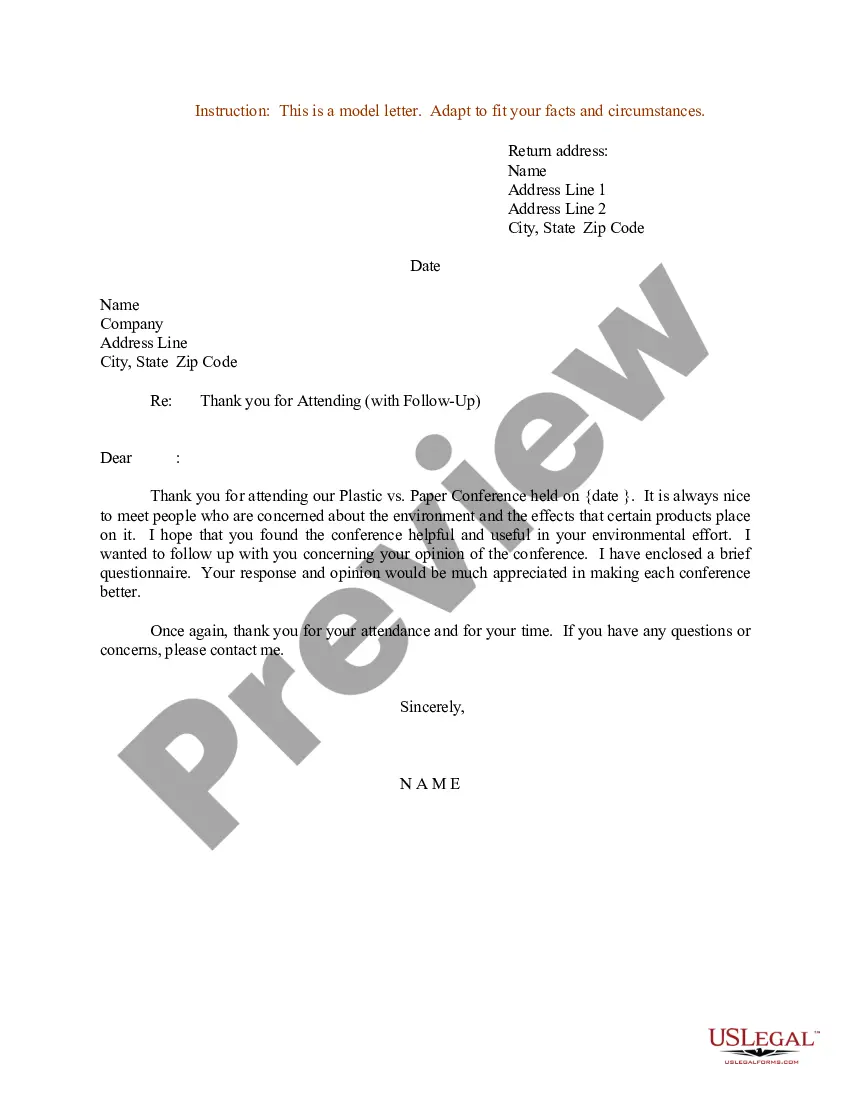
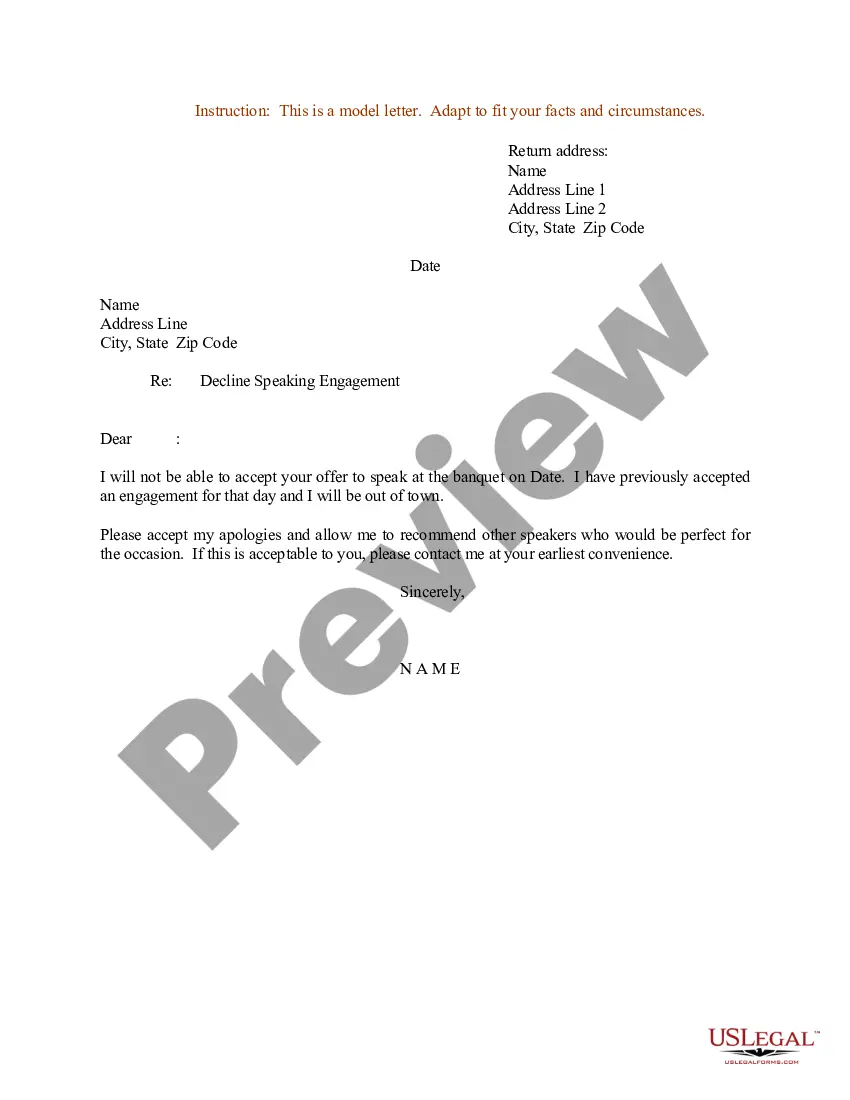
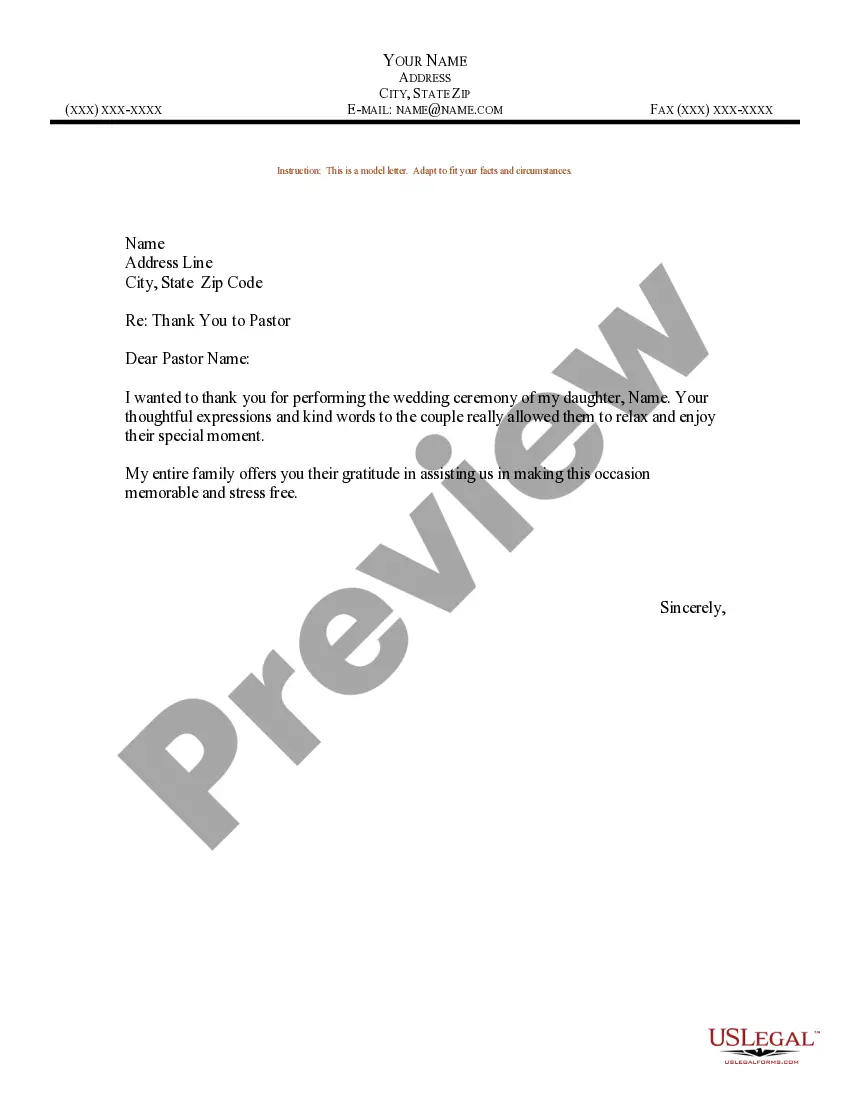
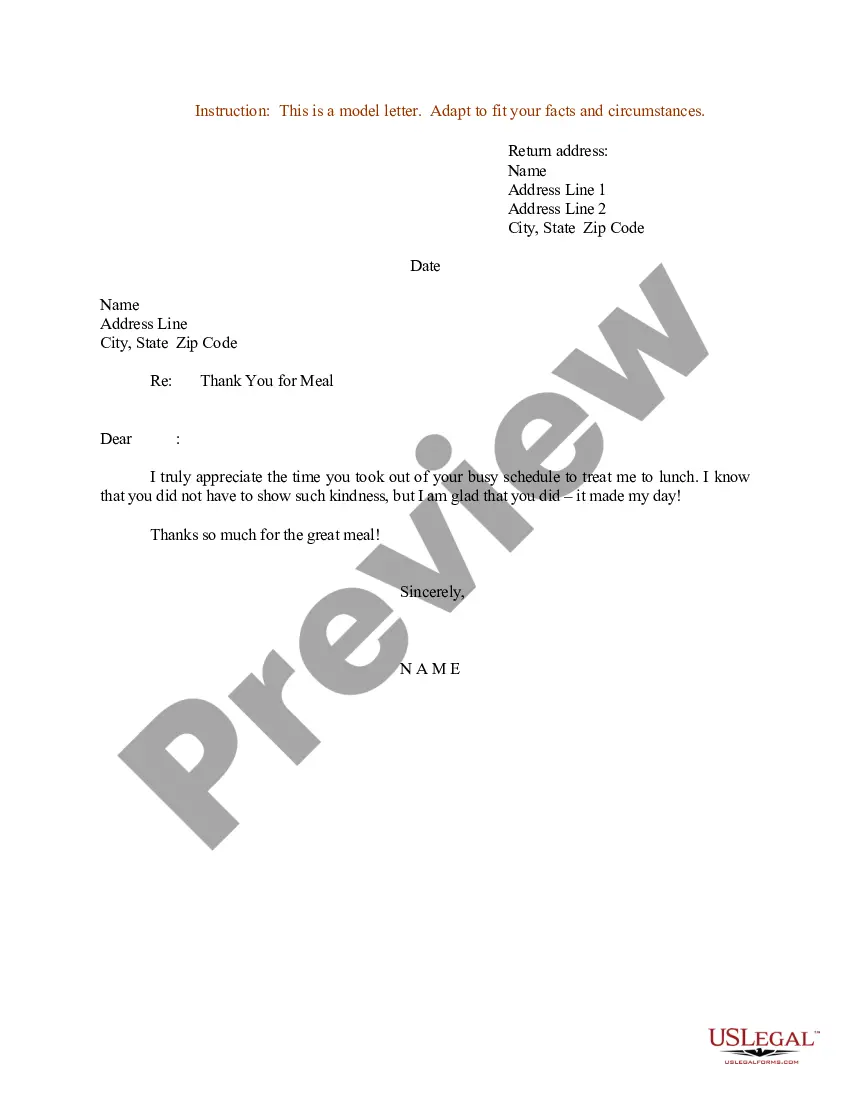
Get your form ready online
Our built-in tools help you complete, sign, share, and store your documents in one place.
Make edits, fill in missing information, and update formatting in US Legal Forms—just like you would in MS Word.
Download a copy, print it, send it by email, or mail it via USPS—whatever works best for your next step.
Sign and collect signatures with our SignNow integration. Send to multiple recipients, set reminders, and more. Go Premium to unlock E-Sign.
If this form requires notarization, complete it online through a secure video call—no need to meet a notary in person or wait for an appointment.
We protect your documents and personal data by following strict security and privacy standards.

Make edits, fill in missing information, and update formatting in US Legal Forms—just like you would in MS Word.

Download a copy, print it, send it by email, or mail it via USPS—whatever works best for your next step.

Sign and collect signatures with our SignNow integration. Send to multiple recipients, set reminders, and more. Go Premium to unlock E-Sign.

If this form requires notarization, complete it online through a secure video call—no need to meet a notary in person or wait for an appointment.

We protect your documents and personal data by following strict security and privacy standards.
Looking for another form?






Form popularity
FAQ
Florida law requires the seller of residential real property to affirmatively disclose to the buyer all known facts materially affecting the value of the property, which are not readily observable and are not known to the buyer. Johnson v. Davis, 480 So.
Except for the form of financial affidavit used, mandatory disclosure is made the same for all parties subject to the rule, regardless of income. The amount of information required to be disclosed is increased for parties in the under-$50,000 category and decreased for parties in the $50,000-or-over category.
Florida law requires sellers to disclose any issues they know about that materially affect the value of a home or property. This requirement applies even if the buyer does not ask whether the seller knows about defects.
The Mandatory Disclosure Rule (Rule 12.285) of the Florida Family Court Rules of Procedure, requires that each party to a family law case provide certain documentation to the other party so that each will be fully informed about the financial circumstances of the other party.
§ 39.201(1)(a). o Any person, including but not limited to state, county, or municipal criminal justice employees or law enforcement officers, who knows or has reasonable cause to suspect that a vulnerable adult has been or is being abused, neglected, or exploited must make a report.
While a seller's property disclosure form is not required under Florida law, Florida law does require seller's and their realtors to disclose any significant property defects that may not be easily visible to the buyer. Buyers still have the responsibility to have the property inspected.
The requirement that each party file a completed Financial Affidavit cannot be waived and the Affidavit must be filed. If you and the other party agree to waive the requirements of the Mandatory Disclosure Rule you may file a Waiver of Mandatory Disclosure with the court.
Presence of asbestos or radon: Older Florida homes might contain asbestos materials or have elevated radon levels, both of which pose health risks and must be disclosed. Lead paint: For homes built before 1978, the presence of lead-based paint must be disclosed, aligning with federal requirements.
The seller is not obligated to disclose any defects that are obvious, such as a broken window or a hole in a wall.

