Example Of Application Letter With Reference Number In Florida
Description
Get your form ready online
Our built-in tools help you complete, sign, share, and store your documents in one place.
Make edits, fill in missing information, and update formatting in US Legal Forms—just like you would in MS Word.
Download a copy, print it, send it by email, or mail it via USPS—whatever works best for your next step.
Sign and collect signatures with our SignNow integration. Send to multiple recipients, set reminders, and more. Go Premium to unlock E-Sign.
If this form requires notarization, complete it online through a secure video call—no need to meet a notary in person or wait for an appointment.
We protect your documents and personal data by following strict security and privacy standards.

Make edits, fill in missing information, and update formatting in US Legal Forms—just like you would in MS Word.

Download a copy, print it, send it by email, or mail it via USPS—whatever works best for your next step.

Sign and collect signatures with our SignNow integration. Send to multiple recipients, set reminders, and more. Go Premium to unlock E-Sign.

If this form requires notarization, complete it online through a secure video call—no need to meet a notary in person or wait for an appointment.

We protect your documents and personal data by following strict security and privacy standards.
Looking for another form?








Form popularity
FAQ
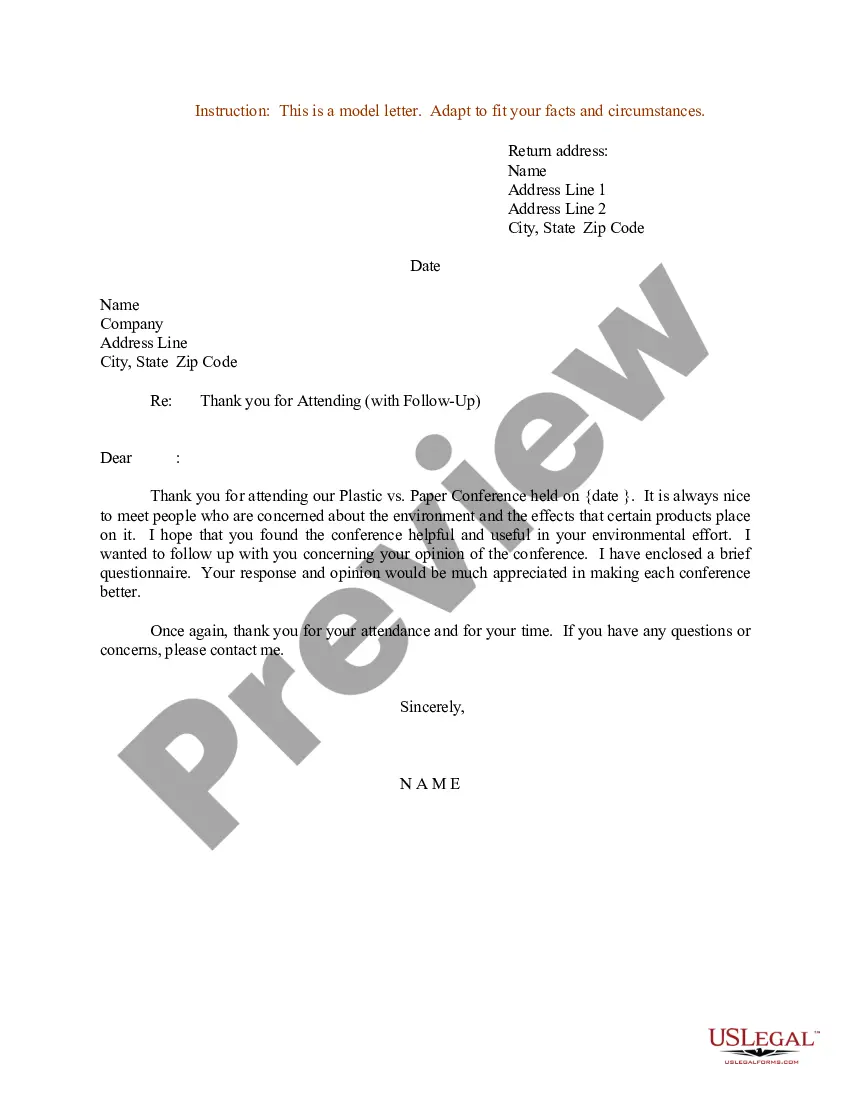
List the reference number, if applicable. If your letter refers to an existing matter, you may have a reference number or case number. Featuring this number prominently will help your recipient relate the letter to your previous correspondence. A reference number could look like this: Ref: #08923.
Include your phone number and email address in your closing paragraph to make it easier for them to reach out to you immediately. Finally, include an appropriate letter of application sign-off such as “Sincerely” or “Best Regards,” followed by your name.
Add the job reference. Before you start the body of the letter, add any reference that has been given for the job application, for example, “Re: Engineering Trainee, Eastern Division” or “ Ref – HR/004.” Introduce your CV in two or three short paragraphs.
Dear Hiring Manager's Name or Hiring Manager, I'm writing to express my interest in any open position at Company Name. With a strong work ethic, adaptability, and a commitment to making a positive contribution to team goals, I believe I can be a valuable asset to your organization.
Now you're ready to write a personal reference, here are the key details to include: Job title. Salary. Your relationship to the candidate. Length of employment. Roles and responsibilities. Strengths and achievements. Professional conduct. Examples of good performance.
This can be done by using the name of the person who referred you, referring to a specific job listing or by identifying a unique talking point about the particular organization. For example, you may decide to get attention by referencing an article or fact a trade publication.
Add the job reference. Before you start the body of the letter, add any reference that has been given for the job application, for example, “Re: Engineering Trainee, Eastern Division” or “ Ref – HR/004.” Introduce your CV in two or three short paragraphs.
When applying for a position, the job description or application should tell you everything you need to know about how, or if, you should send references. A reference list may be requested in the online application process. In this case, you can simply include your contacts here.
Introduce yourself and explain how you found the advertised job. You can mention the job title, and reference number if there is one. If you're asking about any job openings and not applying to a vacancy, tell them what sort of job you're looking for. Let the employer see how keen you are to work for them.

