Example Of Application Letter With Three Address In Cuyahoga
Description
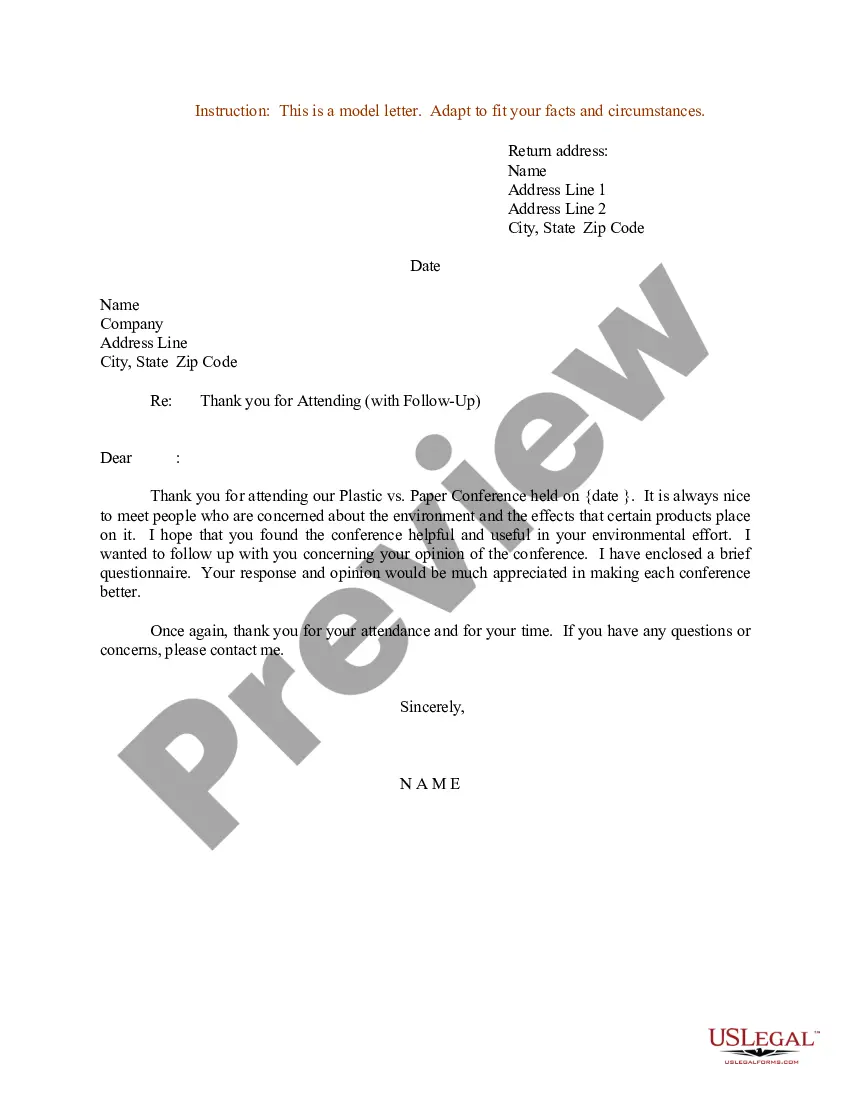
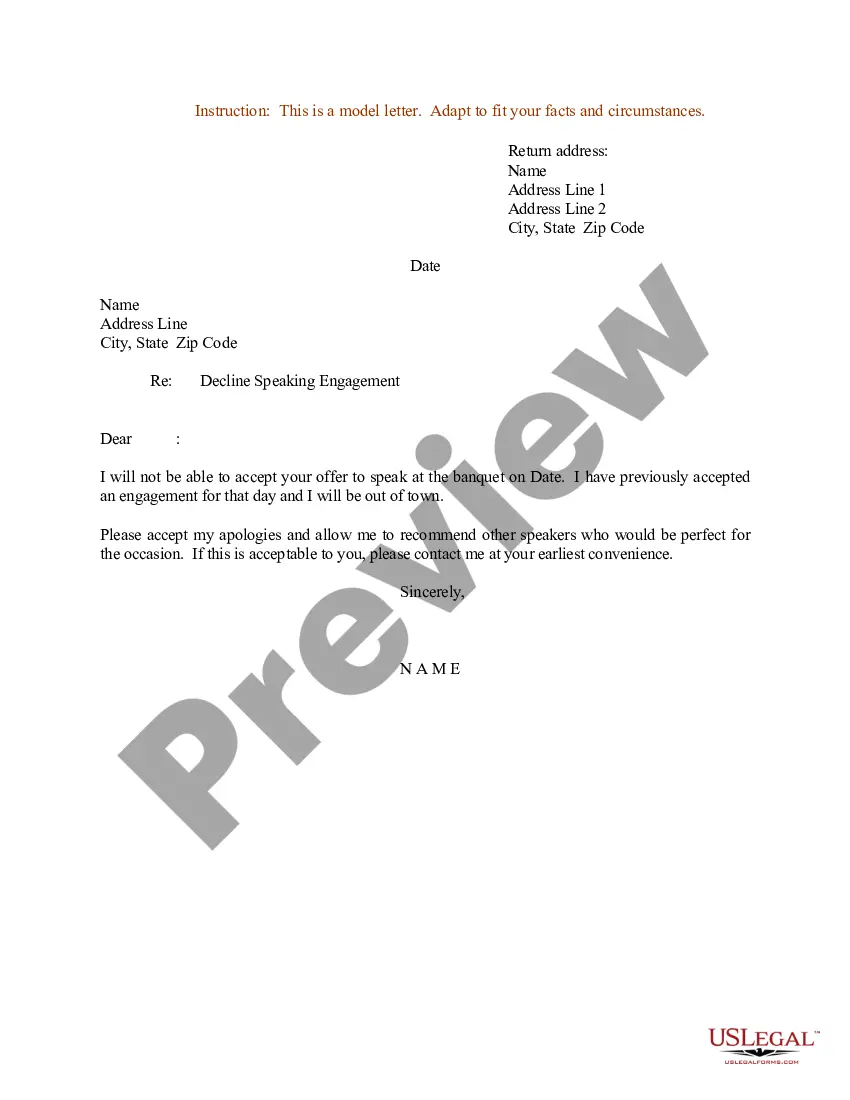
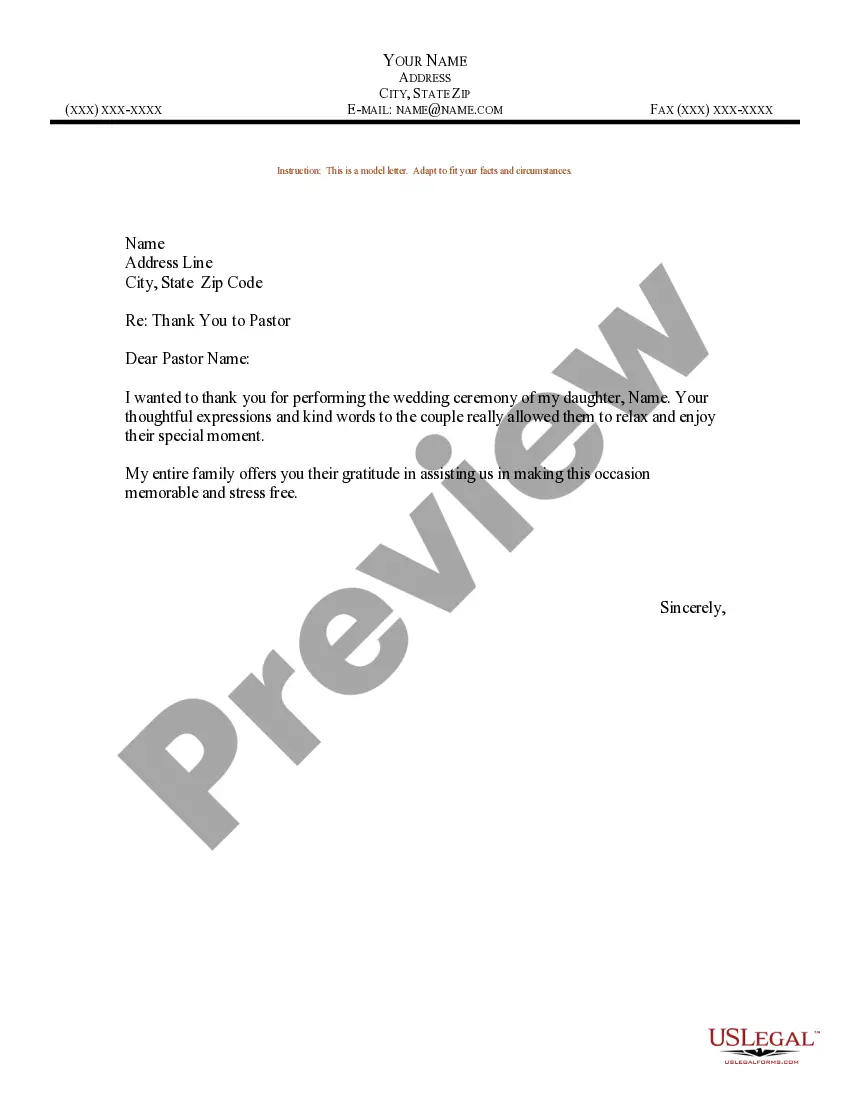
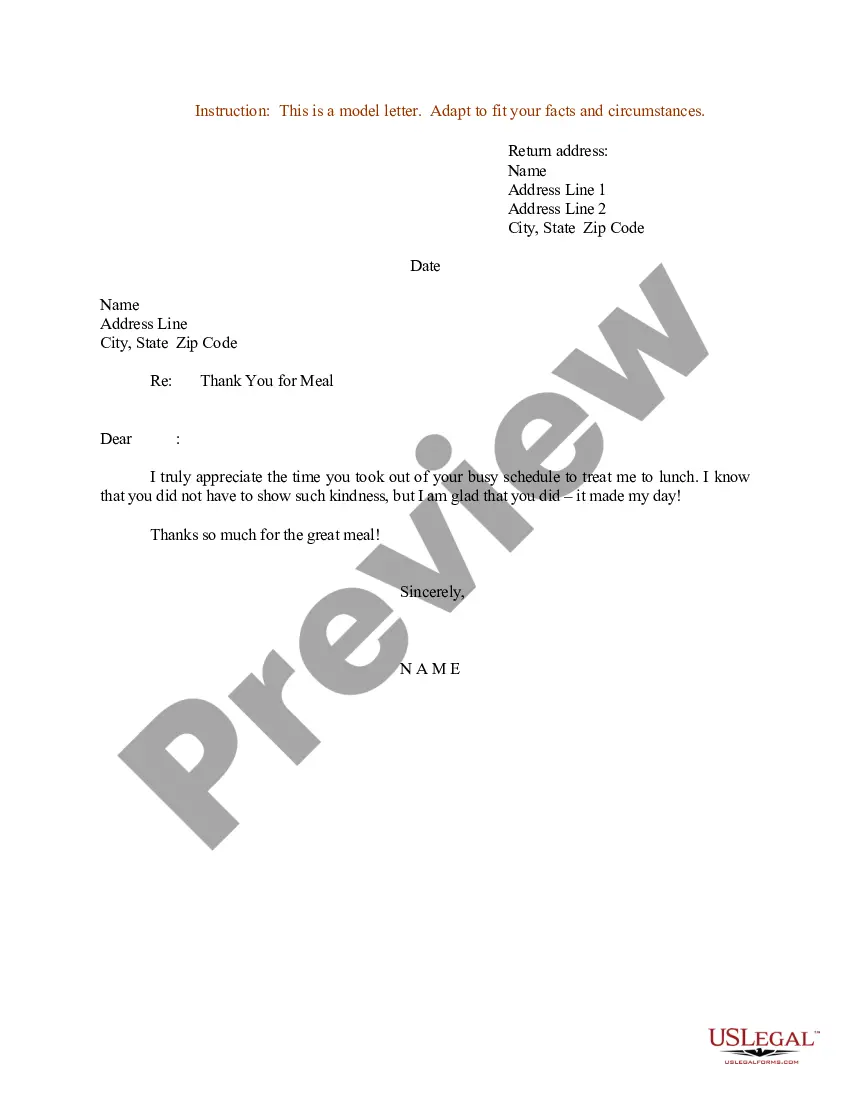
Get your form ready online
Our built-in tools help you complete, sign, share, and store your documents in one place.
Make edits, fill in missing information, and update formatting in US Legal Forms—just like you would in MS Word.
Download a copy, print it, send it by email, or mail it via USPS—whatever works best for your next step.
Sign and collect signatures with our SignNow integration. Send to multiple recipients, set reminders, and more. Go Premium to unlock E-Sign.
If this form requires notarization, complete it online through a secure video call—no need to meet a notary in person or wait for an appointment.
We protect your documents and personal data by following strict security and privacy standards.

Make edits, fill in missing information, and update formatting in US Legal Forms—just like you would in MS Word.

Download a copy, print it, send it by email, or mail it via USPS—whatever works best for your next step.

Sign and collect signatures with our SignNow integration. Send to multiple recipients, set reminders, and more. Go Premium to unlock E-Sign.

If this form requires notarization, complete it online through a secure video call—no need to meet a notary in person or wait for an appointment.

We protect your documents and personal data by following strict security and privacy standards.
Looking for another form?








Form popularity
FAQ
Include the title, name and job title of addressee (spelled correctly), as well as the organisation's name and address on the letter. Only use “Dear Sir or Madam” if you can't find the hiring manager's name.
Using the salutation "Dear Hiring Manager" is the optimal choice for many hiring professionals when a name is unavailable. It's better to use this general salutation rather than not including one at all, as it indicates respect for cultural norms and professionalism.
In your job application letter's salutation, you should address the hiring manager by name to show that you've taken the time to tailor your letter to the company. Use the format: Dear Mr./Ms./Mx. Last Name.
Open your letter with a formal greeting. Use “Dear,” as a professional and polite greeting. For instance, “Dear Mr. Burgin.” If you don't have the employer or hiring manager's name, use a general but professional opening, “To Whom It May Concern” or “Dear Department Hiring Manager.”
Include the title, name and job title of addressee (spelled correctly), as well as the organisation's name and address on the letter. Only use “Dear Sir or Madam” if you can't find the hiring manager's name.
11.0 HEARING AND SUBMISSION OF MOTIONS If the motion requires consideration of facts not appearing of record, the movant shall serve and file copies of all affidavits, depositions, photographs or documentary evidence which the movant desires to submit in support of the motion.
Who to address a cover letter to Using the hiring manager's name. Using professional alternatives to the name. Using hiring manager. Using sir or madam. Review the job posting. Check the company's website. Contact the company. Check with your network.
As shown in this Friendly Letter Sample, no Inside Address (the recipient's address) is needed. Many friendly letters even omit the sender's address and just use the date as a heading. (Sign your name after the closing.
Over one address: When sending a letter to multiple recipients at multiple locations, it's often best to send each of your recipients an individual copy that includes only their name and address. Consider including a "cc: " after the names of your recipients to inform them of who else has received the letter.
Addressing a cover letter to multiple recipients Dear Anna Johnson and Lee Thomas. Dear Mr. Allen and Ms. Adams. Dear Marketing Team. Dear Hiring Committee.

