Engagement Letter Format For Due Diligence In California
Description

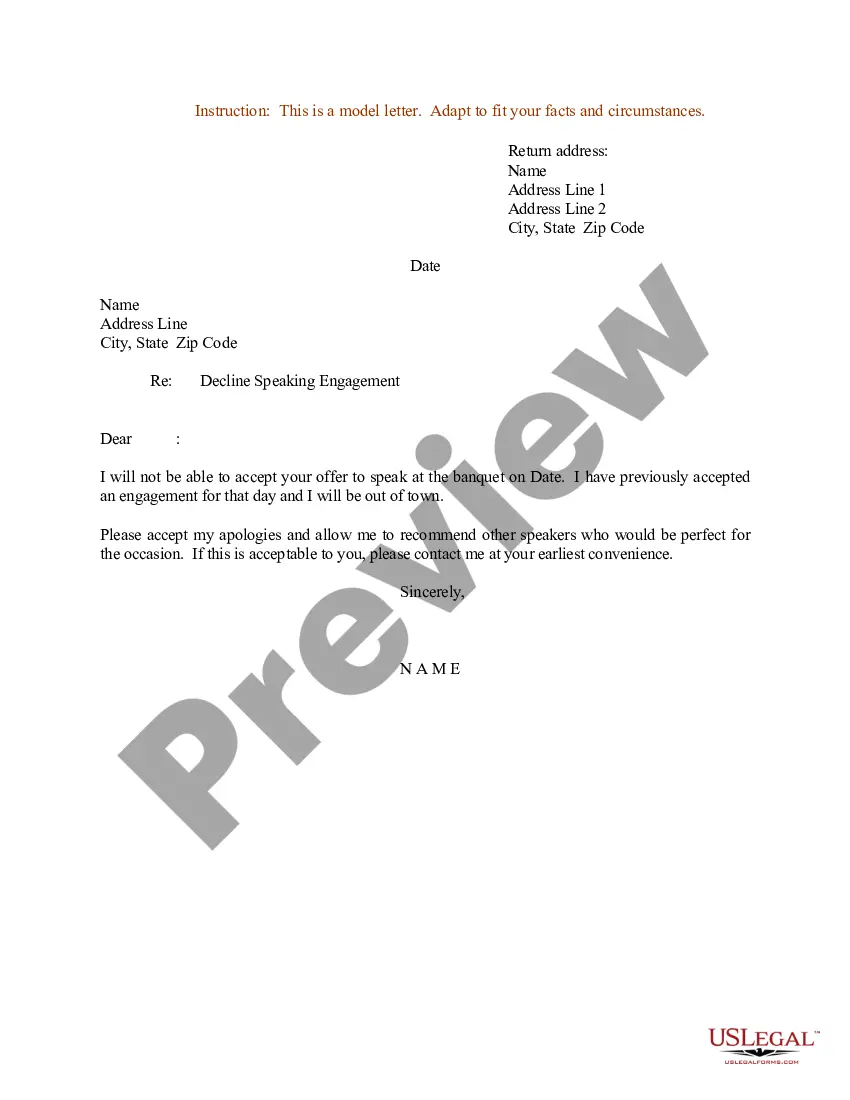

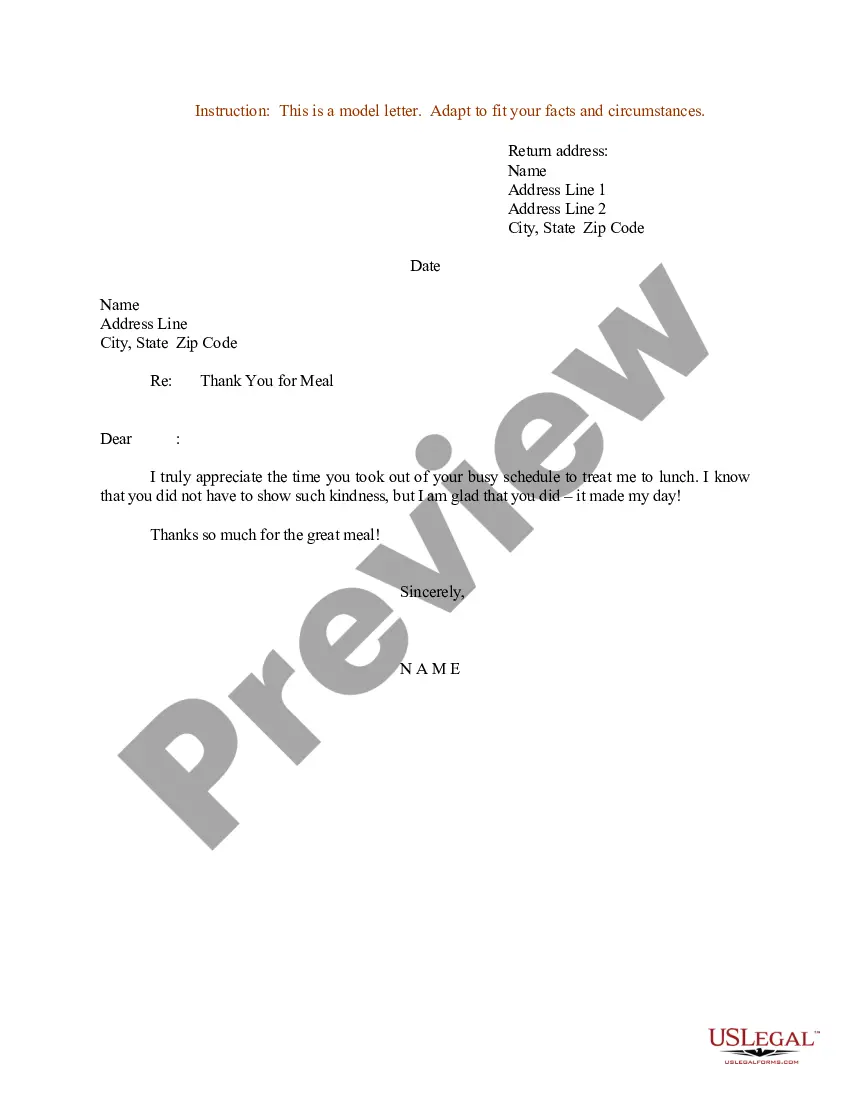
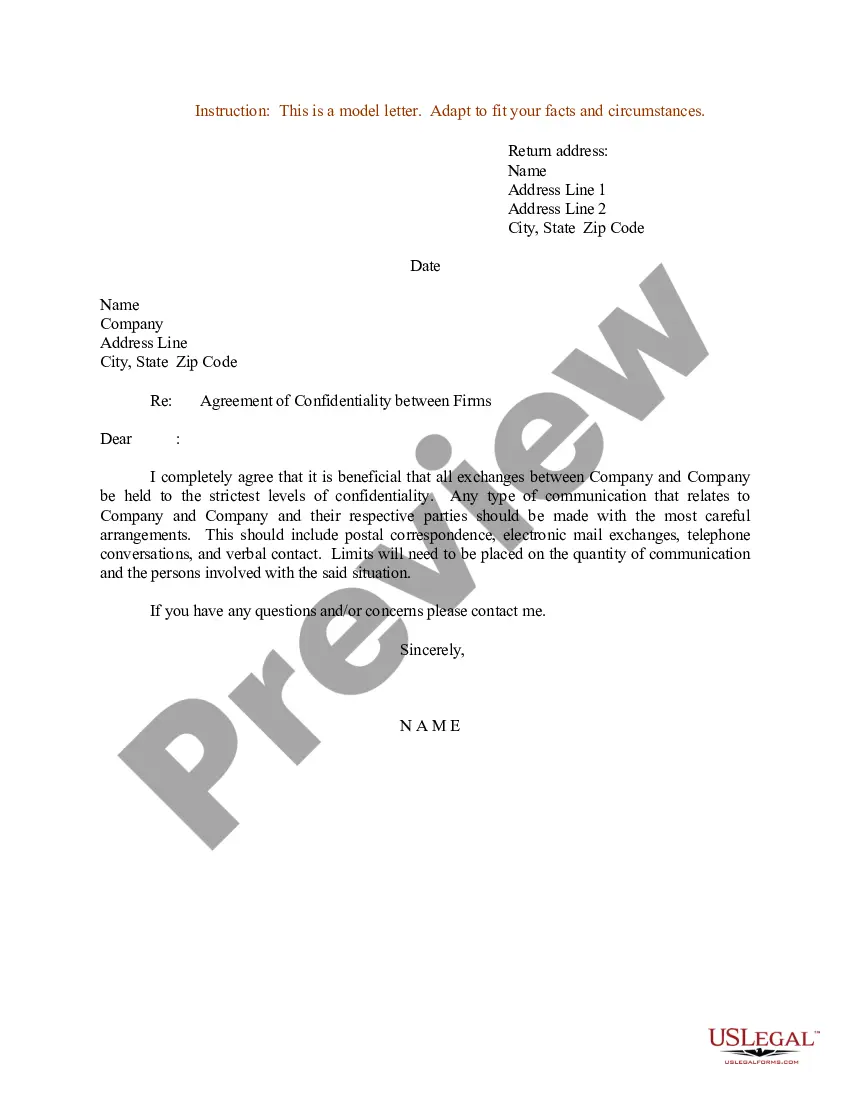
Get your form ready online
Our built-in tools help you complete, sign, share, and store your documents in one place.
Make edits, fill in missing information, and update formatting in US Legal Forms—just like you would in MS Word.
Download a copy, print it, send it by email, or mail it via USPS—whatever works best for your next step.
Sign and collect signatures with our SignNow integration. Send to multiple recipients, set reminders, and more. Go Premium to unlock E-Sign.
If this form requires notarization, complete it online through a secure video call—no need to meet a notary in person or wait for an appointment.
We protect your documents and personal data by following strict security and privacy standards.

Make edits, fill in missing information, and update formatting in US Legal Forms—just like you would in MS Word.

Download a copy, print it, send it by email, or mail it via USPS—whatever works best for your next step.

Sign and collect signatures with our SignNow integration. Send to multiple recipients, set reminders, and more. Go Premium to unlock E-Sign.

If this form requires notarization, complete it online through a secure video call—no need to meet a notary in person or wait for an appointment.

We protect your documents and personal data by following strict security and privacy standards.
Looking for another form?









Form popularity
FAQ
A due diligence letter is a notice sent to a debtor informing them of the creditor agency's intention to refer their debt to TOP for offset against federal payments. The letter contains specific language informing the debtor of their options and rights.
Due diligence is informed by engagement with stakeholders It involves the timely sharing of the relevant information needed for stakeholders to make informed decisions in a format that they can understand and access. To be meaningful, engagement involves the good faith of all parties.
Due diligence is a process or effort to collect and analyze information before making a decision. It is a process often used by investors to assess risk.
Due diligence is the process a business with unclaimed property must follow to notify owners with unclaimed property valued at $50 or more (and all securities and safe deposit boxes regardless of value) that their property may be transferred to the State of California.
Due diligence when dealing with a real estate transaction in California is not a recommendation; it is a mandatory process required by the state. This entire process is implemented to reduce risks, uncover business opportunities, and ensure a transaction is completed seamlessly.
Financial Due Diligence for Letters of Credit There's a particular emphasis on collateral – even more so than other forms of senior-secured commercial lending. It is because the Issuing Bank needs funds immediately when an LC is redeemed.
The due diligence in business circumstances refers to organizations practicing prudence by carefully assessing associated costs and risks prior to completing transactions. Examples include purchasing new property or equipment, implementing new business information systems, or integrating with another firm.
What Does an Audit Engagement Letter Typically Include? Introduction and Purpose. Scope of the Audit. Auditor's Responsibilities. Client's Responsibilities. Audit Limitations. Applicable Standards. Fees and Payment Terms. Confidentiality and Data Security.
Engagement letters set the terms of the agreement between two parties and include details such as the scope, fees, and responsibilities, among others. Some of the benefits of engagement letters are that they are legally binding documents, they reduce misunderstandings, and they set clear expectations.
How to write an engagement letter Write the name of the business leader. Specify the purpose of the partnership. List the duties of the client. Identify the timeline for completing the project. Include resources the client delivers. Attach a disclaimer. Validate the terms of the agreement.
