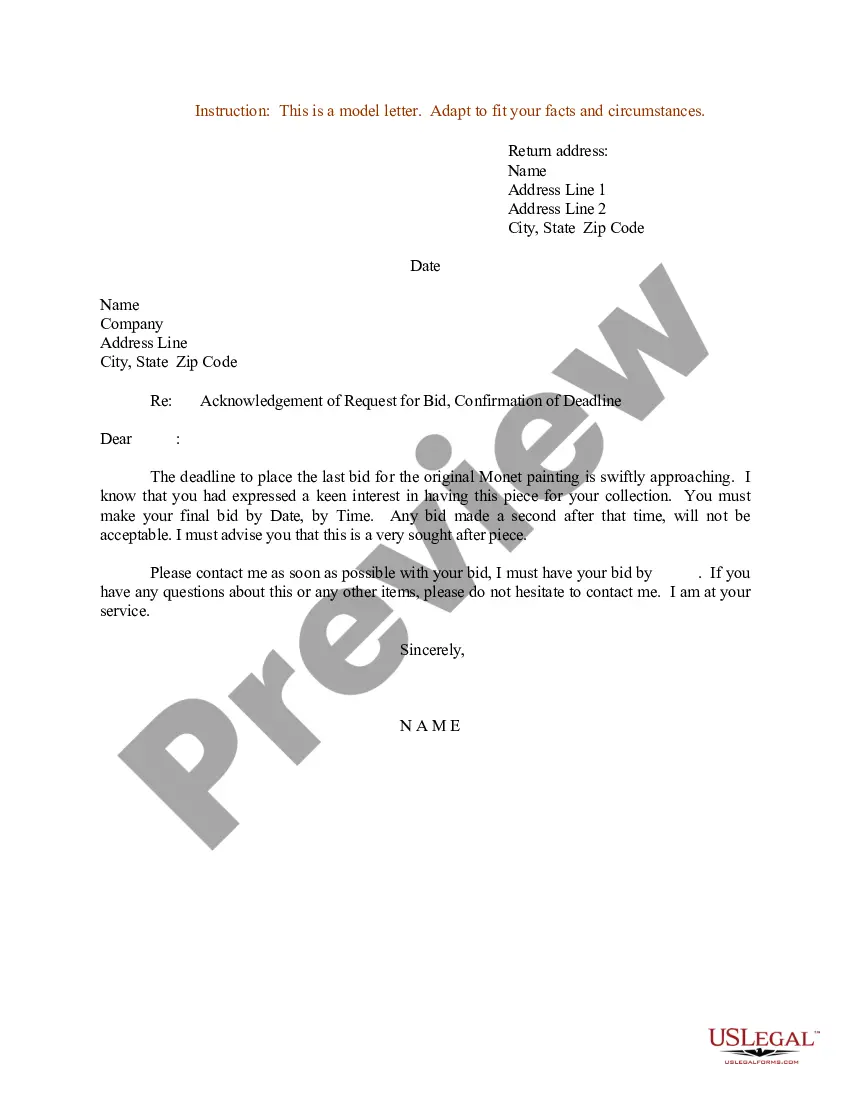
Engagement Letter For Professional Services In California
Description
Get your form ready online
Our built-in tools help you complete, sign, share, and store your documents in one place.
Make edits, fill in missing information, and update formatting in US Legal Forms—just like you would in MS Word.
Download a copy, print it, send it by email, or mail it via USPS—whatever works best for your next step.
Sign and collect signatures with our SignNow integration. Send to multiple recipients, set reminders, and more. Go Premium to unlock E-Sign.
If this form requires notarization, complete it online through a secure video call—no need to meet a notary in person or wait for an appointment.
We protect your documents and personal data by following strict security and privacy standards.

Make edits, fill in missing information, and update formatting in US Legal Forms—just like you would in MS Word.

Download a copy, print it, send it by email, or mail it via USPS—whatever works best for your next step.

Sign and collect signatures with our SignNow integration. Send to multiple recipients, set reminders, and more. Go Premium to unlock E-Sign.

If this form requires notarization, complete it online through a secure video call—no need to meet a notary in person or wait for an appointment.

We protect your documents and personal data by following strict security and privacy standards.
Looking for another form?









Form popularity
FAQ
Key Terms of an Engagement Letter. An Engagement Letter is generally considered a legally binding agreement. This document is crucial in establishing clear expectations and minimizing misunderstandings throughout the business relationship.
Rule 4.2 Communication with a Represented Person (a) In representing a client, a lawyer shall not communicate directly or indirectly about the subject of the representation with a person the lawyer knows to be represented by another lawyer in the matter, unless the lawyer has the consent of the other lawyer.
Section 6148 requires a written engagement agreement in almost every matter not falling under section 6147 in which it is reasonably foreseeable the total expense to the client, including attorney fees, will exceed $1000.
Simply put, under California Corporations Code Section 13401 et al, LLCs in California are generally not permitted for business to provide “Professional Services”. The Code Section 13401 (a) defines “Professional Services” as “…
Rule 3.4 Fairness to Opposing Party and Counsel (g) in trial, assert personal knowledge of facts in issue except when testifying as a witness, or state a subjective opinion as to the guilt or innocence of an accused.
Proposed rule 4.1 prohibits a lawyer from making a false statement of fact or law to a third person and also requires a lawyer to disclose a material fact to avoid assisting a client in a criminal or fraudulent act, subject to the lawyer's duties under rule 1.6 and Business and Professions Code section 6068(e).
California Rule of Professional Responsibility (Rule) 1.13 addresses a lawyer's duty to organizational clients. The lawyer represents the organization through its duly authorized “directors, officers, employees, members, shareholders, or other constituents” for a particular engagement. Rule 1.13(a).
A letter of engagement is a legally binding document signed by both the business and the client. Much like a contract, it sets out the terms of an agreement to carry out a specific job, project, or service package between an organisation and its client.
An engagement letter refers to a legal document that defines the relationship between a business providing professional services and its clients. Engagement letters set the terms of the agreement between two parties and include details such as the scope, fees, and responsibilities, among others.
The service provider typically prepares the Letter of Engagement, be it a law firm, accounting agency, consultancy, or any professional offering services.