Consultant Work Contract For Government In Virginia
Description

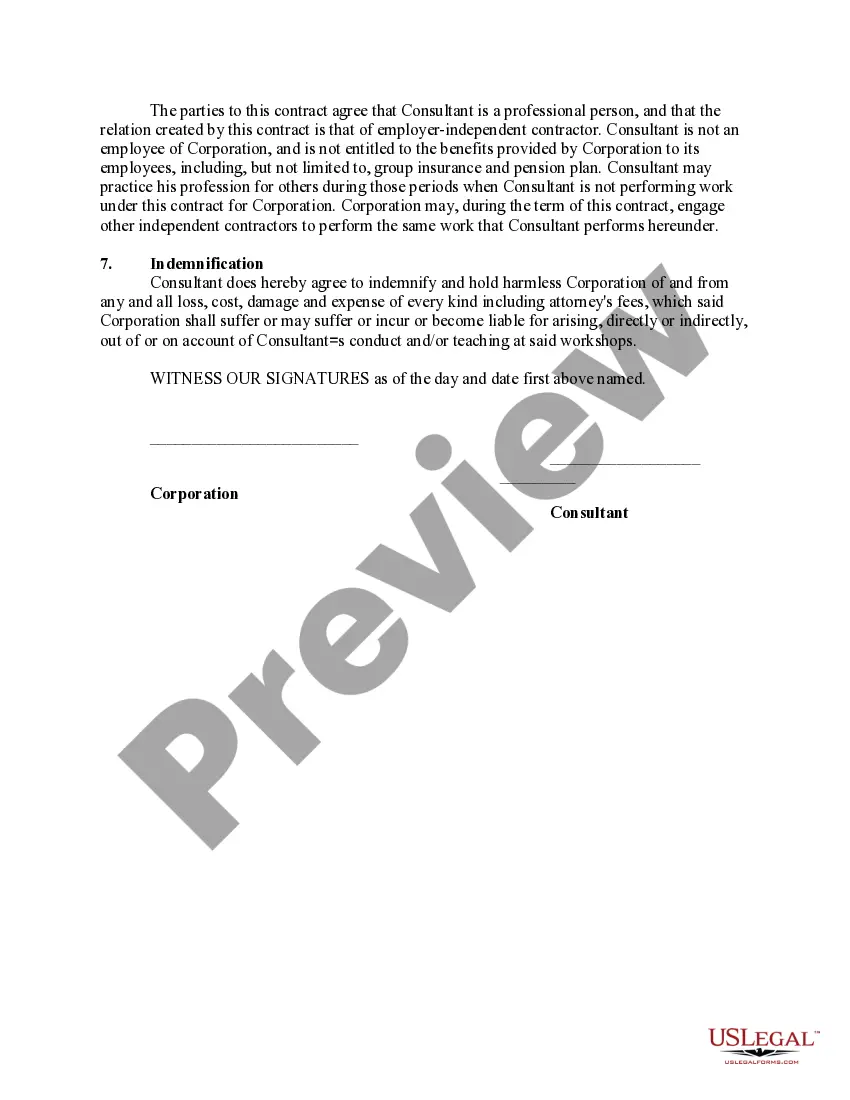
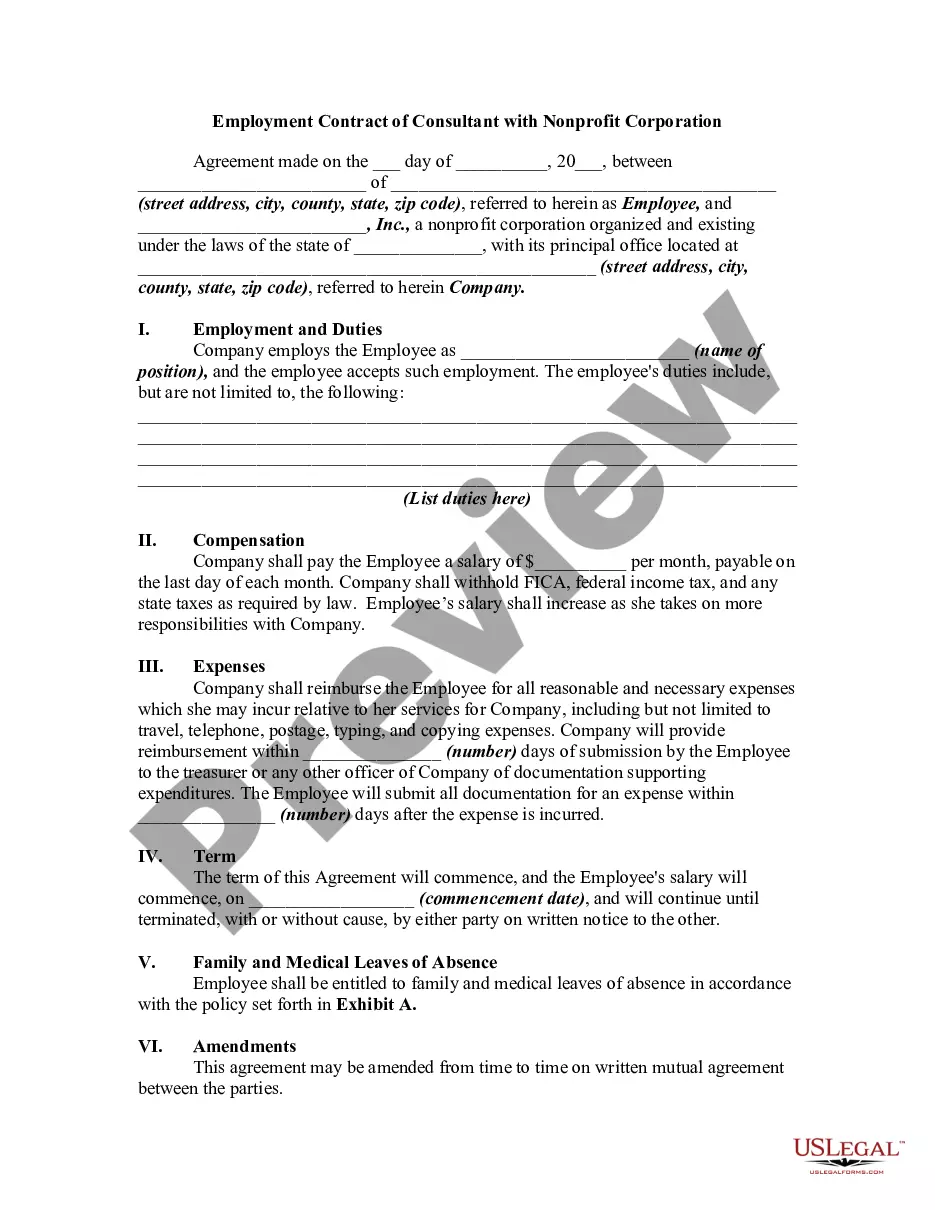
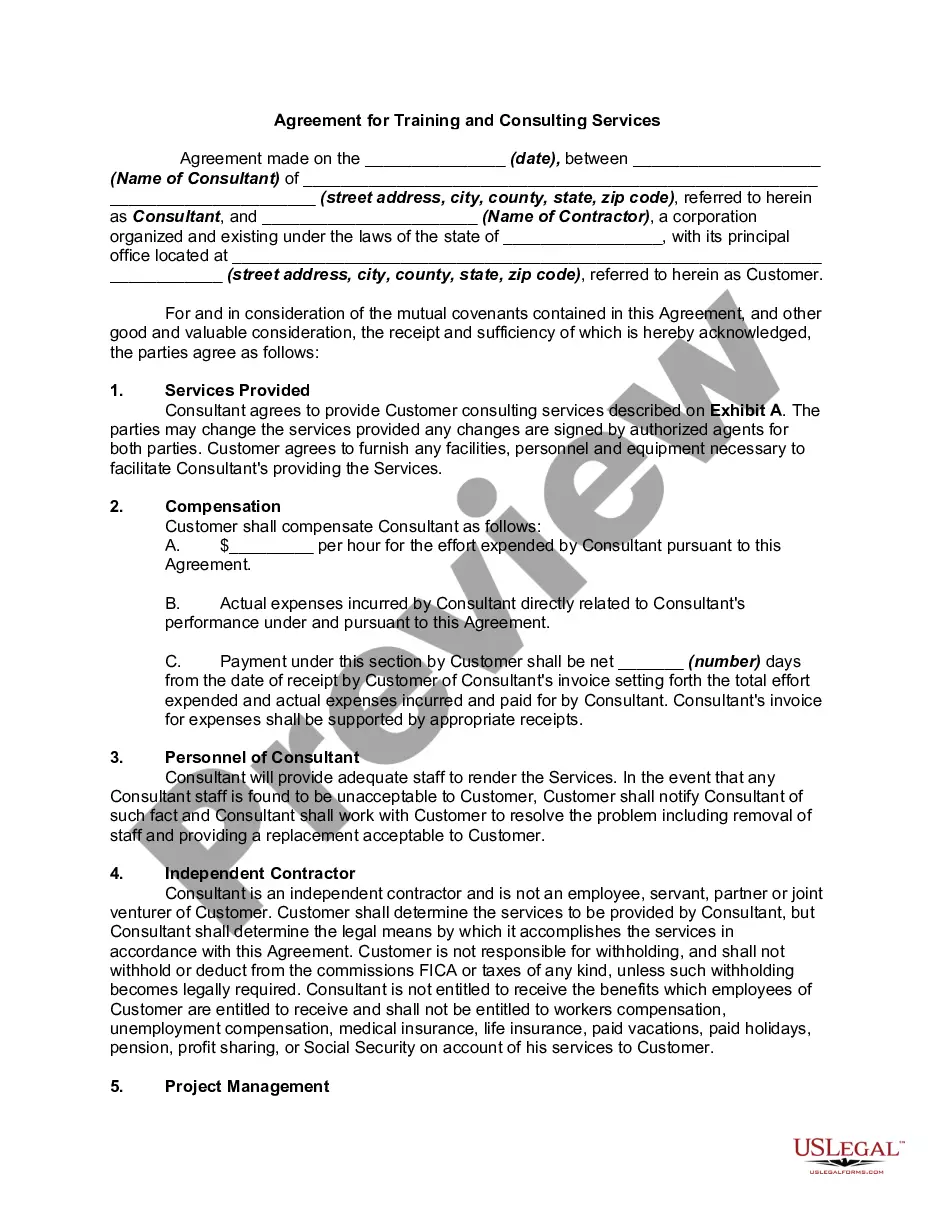
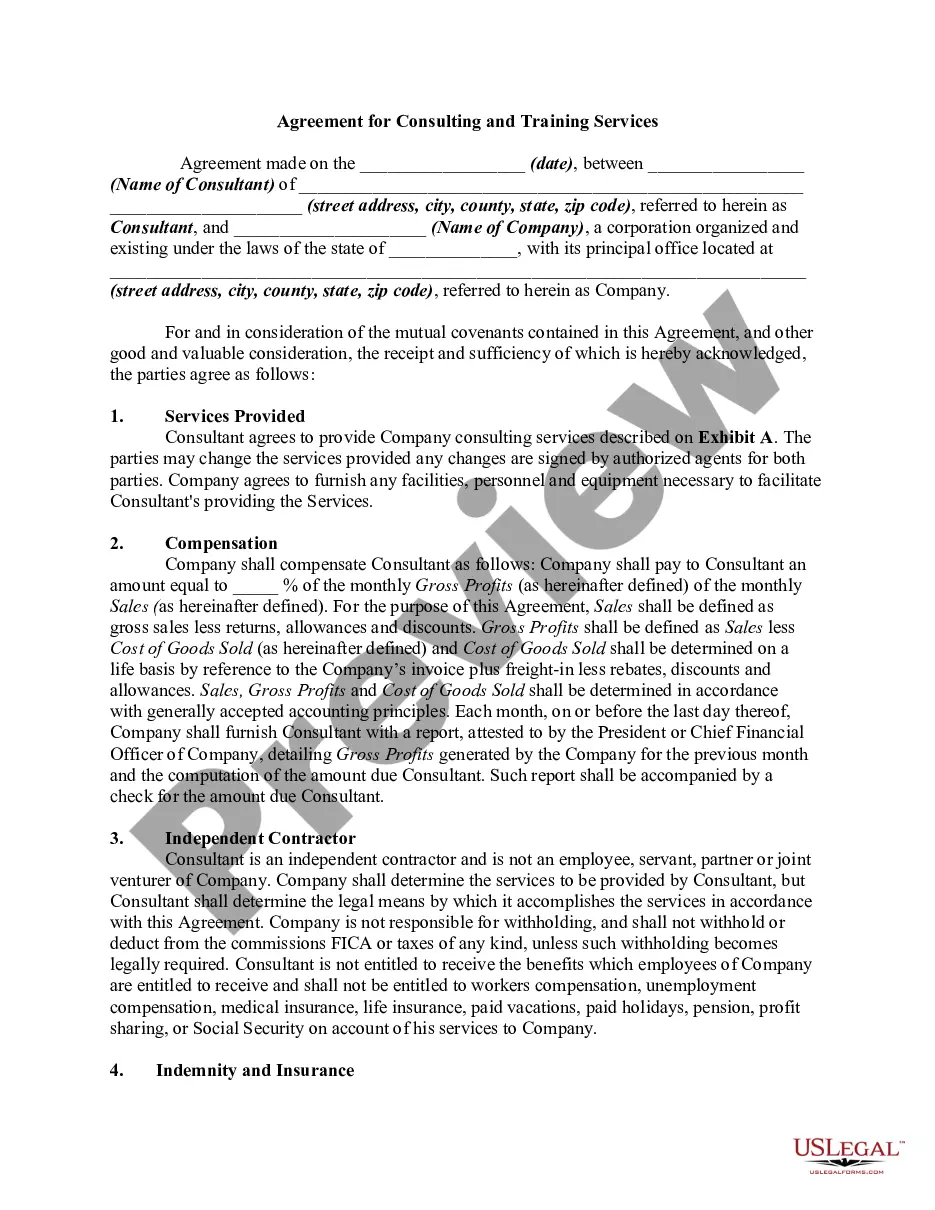
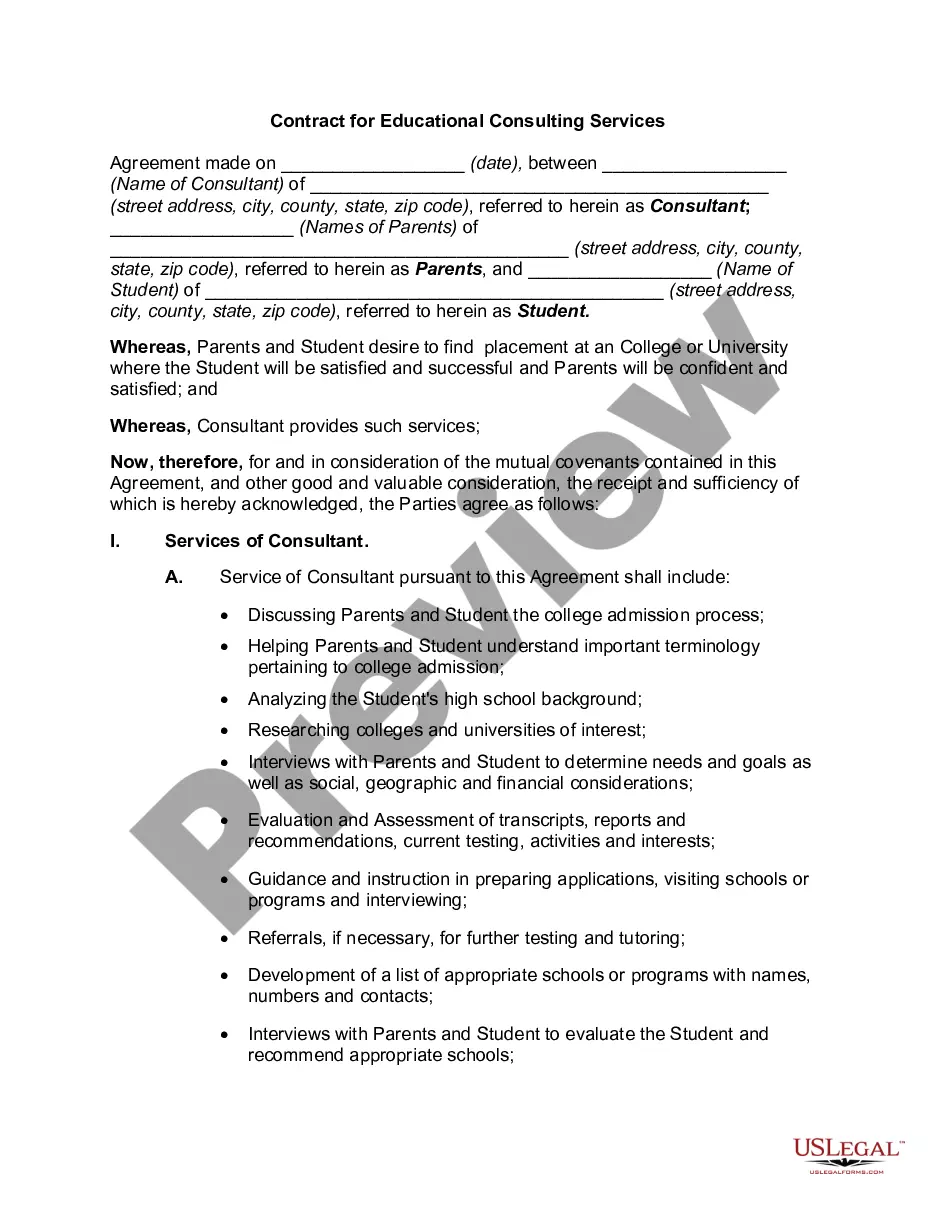
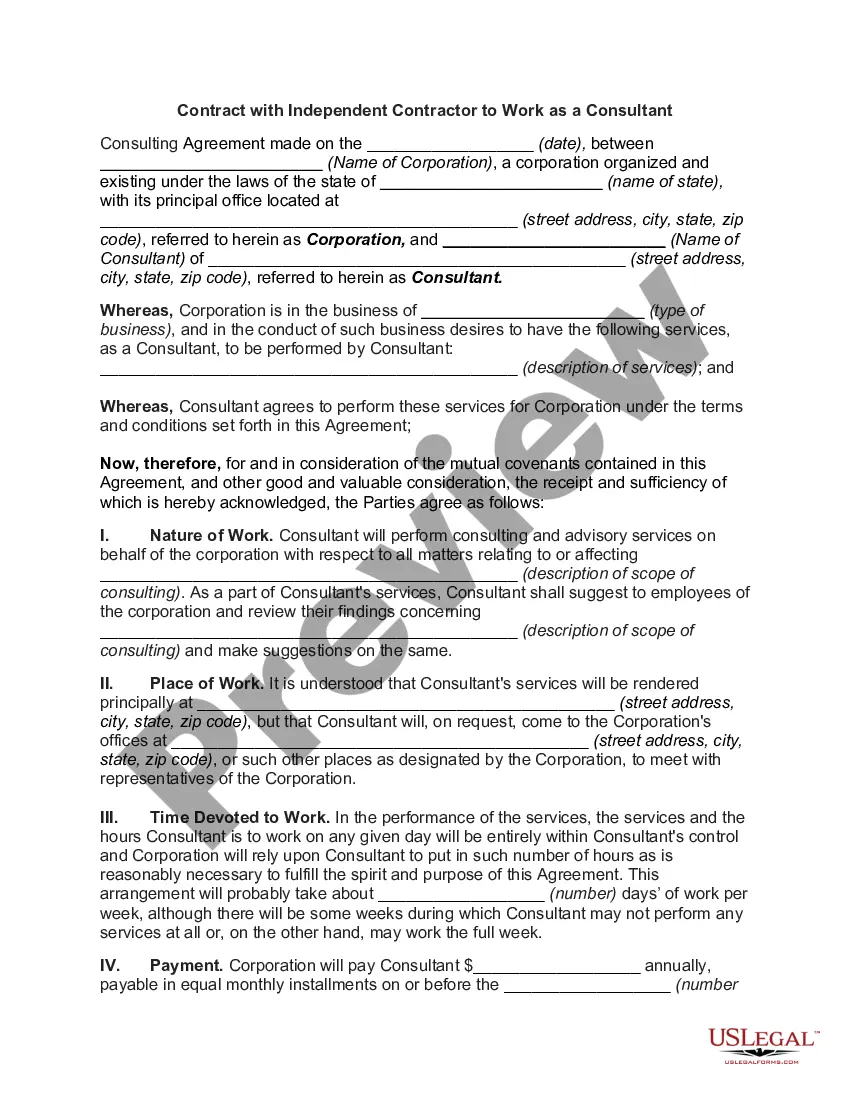
Get your form ready online
Our built-in tools help you complete, sign, share, and store your documents in one place.
Make edits, fill in missing information, and update formatting in US Legal Forms—just like you would in MS Word.
Download a copy, print it, send it by email, or mail it via USPS—whatever works best for your next step.
Sign and collect signatures with our SignNow integration. Send to multiple recipients, set reminders, and more. Go Premium to unlock E-Sign.
If this form requires notarization, complete it online through a secure video call—no need to meet a notary in person or wait for an appointment.
We protect your documents and personal data by following strict security and privacy standards.

Make edits, fill in missing information, and update formatting in US Legal Forms—just like you would in MS Word.

Download a copy, print it, send it by email, or mail it via USPS—whatever works best for your next step.

Sign and collect signatures with our SignNow integration. Send to multiple recipients, set reminders, and more. Go Premium to unlock E-Sign.

If this form requires notarization, complete it online through a secure video call—no need to meet a notary in person or wait for an appointment.

We protect your documents and personal data by following strict security and privacy standards.
Looking for another form?










Form popularity
FAQ
Be open, fair, impartial, and non-discriminatory in all processes. Treat suppliers equitably, without discrimination, and without imposing unnecessary constraints on the competitive market. Use sound professional judgment within established legal frameworks to balance competing interests among stakeholders.
The Virginia Public Procurement Act §2.2-4300 of the Code of Virginia provides guidance regarding public policies pertaining to governmental procurement from nongovernmental sources, to include governmental procurement that may or may not result in monetary consideration for either party.
How Do I Get My Virginia Contractor License? #1: Get your Virginia contractor business set up. #2: Decide on your Virginia contractor license type. #3: Complete your Virginia contractor pre-license education course. #4: Pass the Virginia contractor exam. #5: Submit your completed application to the DPOR.
Licensed contractors are required by law to provide a written contract for residential work, signed by both parties. Don't rely on verbal agreements. Get all guarantees, warranties, and promises in writing. Limit your down payment or deposit.
The Virginia Public Procurement Act §2.2-4300 of the Code of Virginia provides guidance regarding public policies pertaining to governmental procurement from nongovernmental sources, to include governmental procurement that may or may not result in monetary consideration for either party.
Identify who you serve and craft an ideal client profile. Identify how you serve and build your value proposition. Outline your consulting process in detail. Partner with established experts in your niche to share insights. Create your own content, and share it far and wide.
Leverage your professional network, join industry-specific job boards, and attend relevant conferences and events. Utilize LinkedIn to showcase your expertise and connect with potential clients. Additionally, consider working with staffing agencies that specialize in contract placements.
How do you find contracts as an independent consultant? 1. Leverage Your Network 2. Get on a Pre-Qualified List 3. Subcontract with Another Firm 4. Team up with Other Independent Consultants 5. Ask for Referrals
Referrals are a great way to get introduced to a new client. A potential client is much more likely to take advice from someone they know and trust rather than trying their luck on someone entirely new. To ask for a referral, approach a client you've successfully worked with before.
The top states for federal contract awards are Virginia, Texas, California, Maryland, and the District of Columbia. These states dominate due to their proximity to federal agencies, robust defense and technology industries, and well-established contractor networks.
