Consultant Work Contract For 1099 In San Bernardino
Description


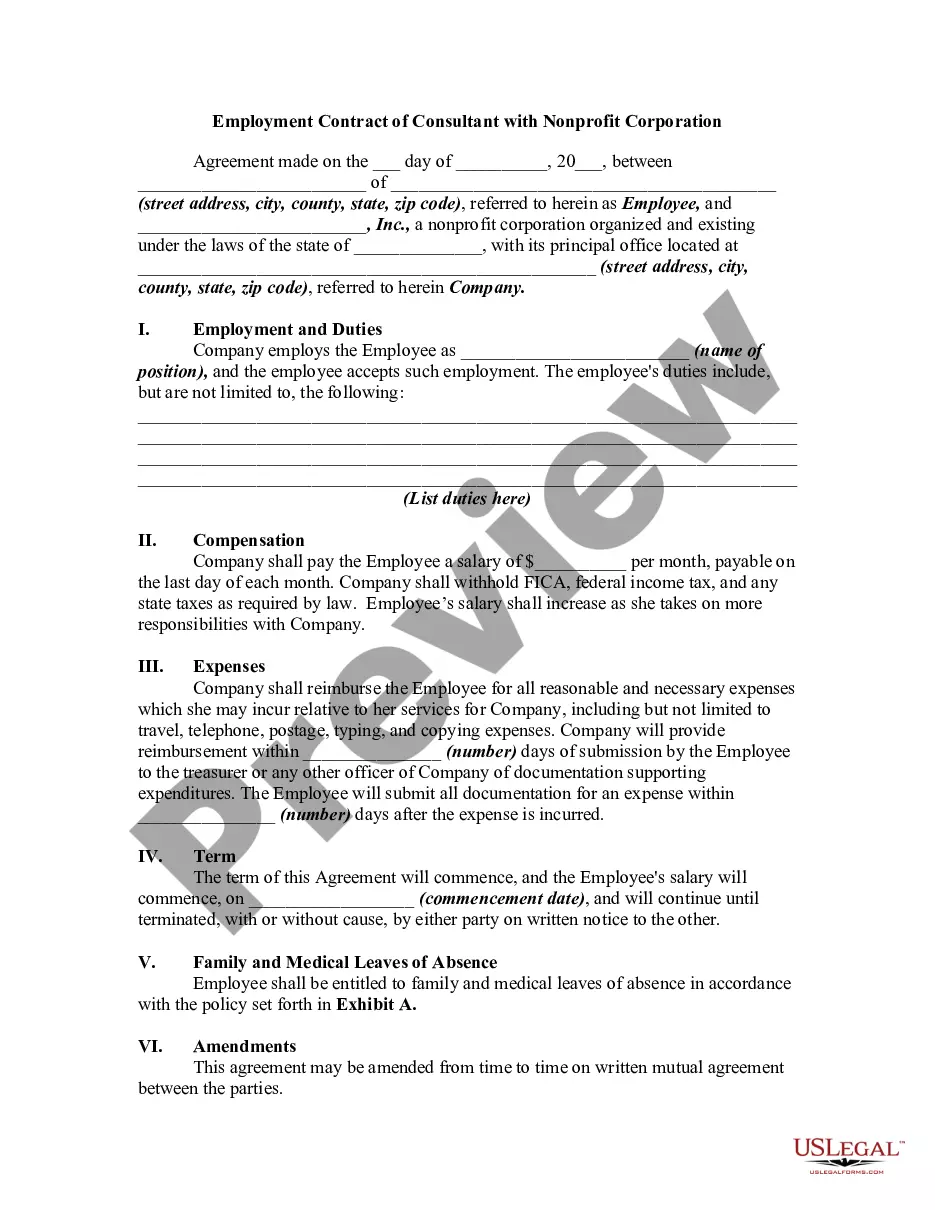
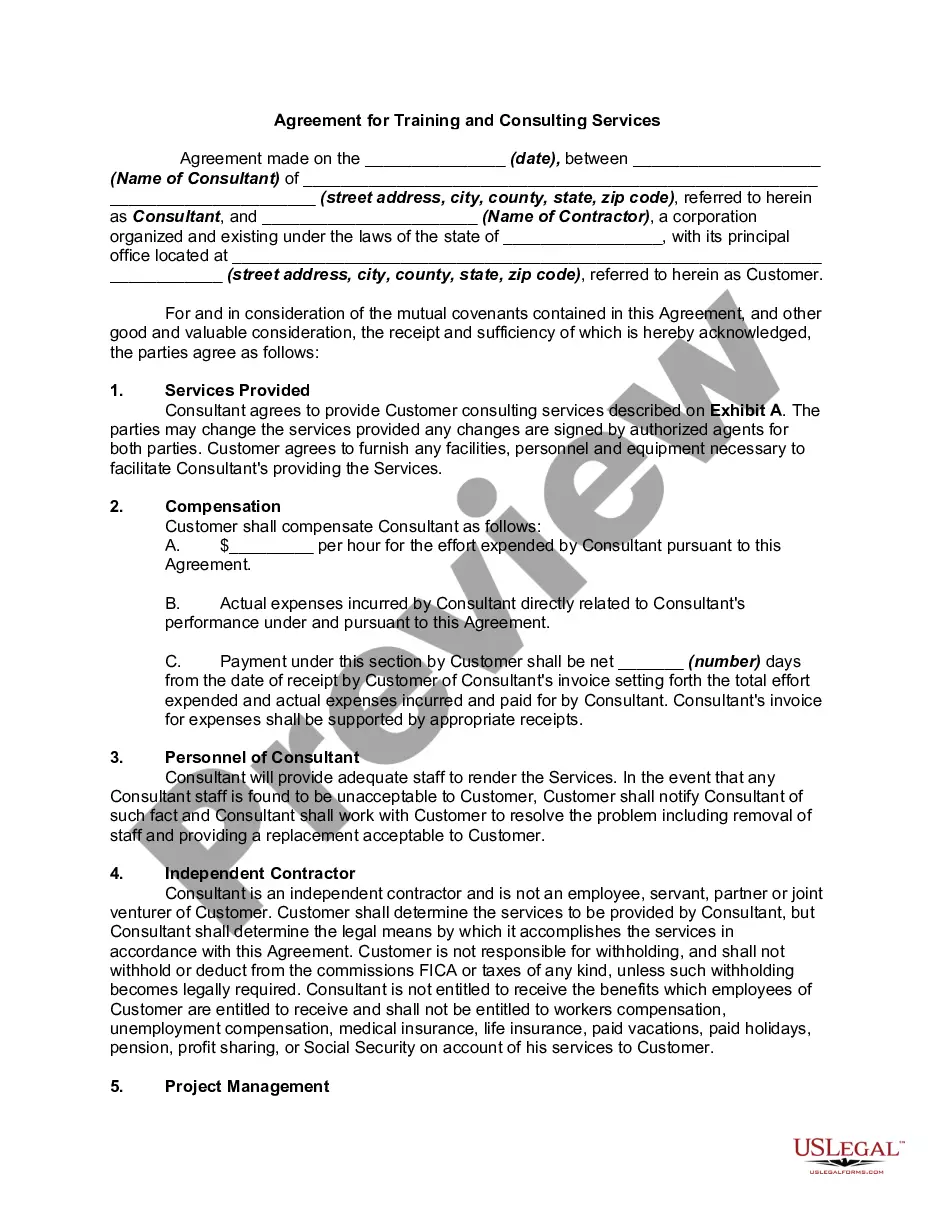
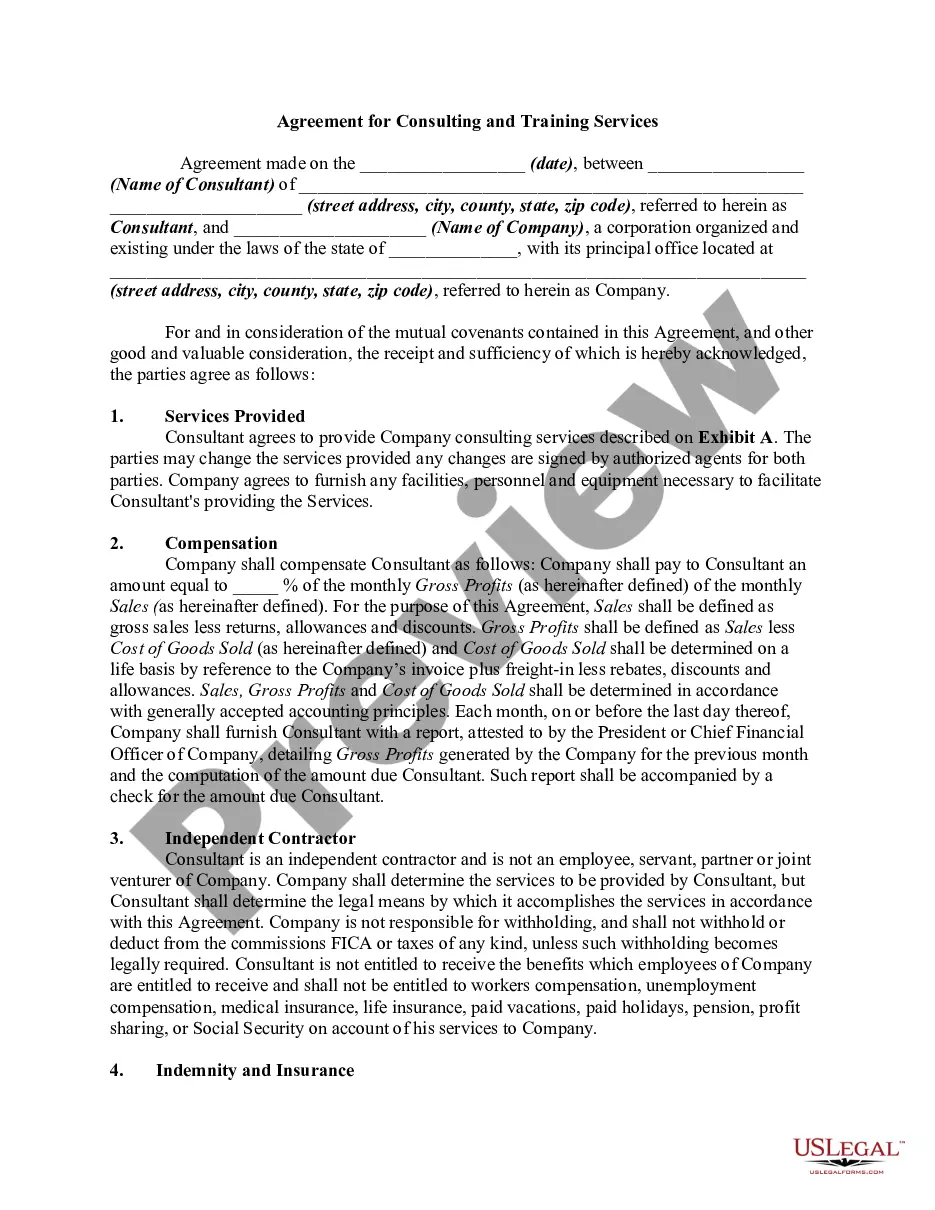
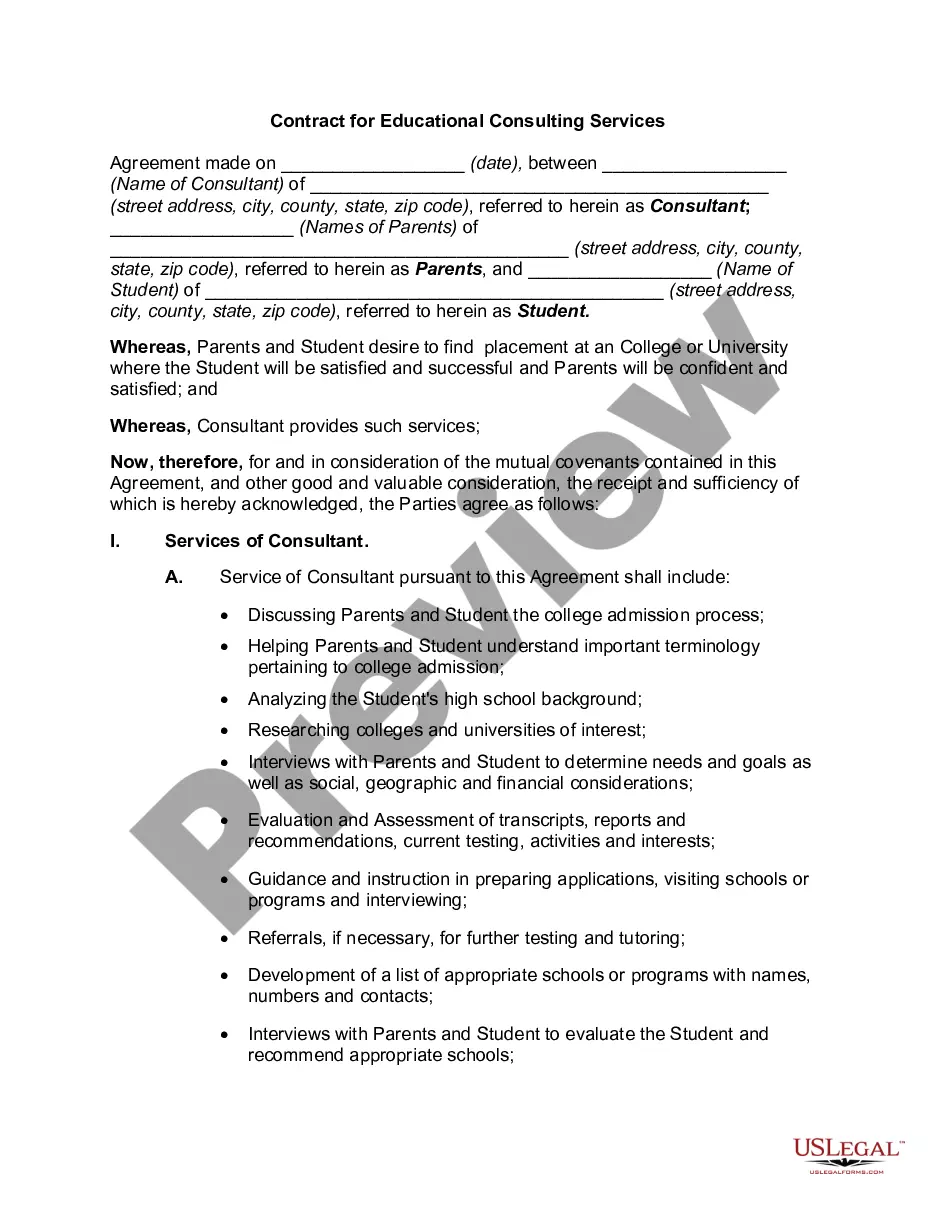
Get your form ready online
Our built-in tools help you complete, sign, share, and store your documents in one place.
Make edits, fill in missing information, and update formatting in US Legal Forms—just like you would in MS Word.
Download a copy, print it, send it by email, or mail it via USPS—whatever works best for your next step.
Sign and collect signatures with our SignNow integration. Send to multiple recipients, set reminders, and more. Go Premium to unlock E-Sign.
If this form requires notarization, complete it online through a secure video call—no need to meet a notary in person or wait for an appointment.
We protect your documents and personal data by following strict security and privacy standards.

Make edits, fill in missing information, and update formatting in US Legal Forms—just like you would in MS Word.

Download a copy, print it, send it by email, or mail it via USPS—whatever works best for your next step.

Sign and collect signatures with our SignNow integration. Send to multiple recipients, set reminders, and more. Go Premium to unlock E-Sign.

If this form requires notarization, complete it online through a secure video call—no need to meet a notary in person or wait for an appointment.

We protect your documents and personal data by following strict security and privacy standards.
Looking for another form?







Form popularity
FAQ
Independent contractors use 1099 forms. In California, if you report your income on a Form 1099, you are an independent contractor, while if you report it on a W-2 form, you are an employee.
A company that hires an independent contractor is not responsible for tax withholdings, benefits, or workers' compensation coverage for the 1099 employee. The company is, however, responsible for paying the independent contractor for their services. An independent contractor can set their rates or fees.
Independent contractors don't need a license to operate in the state of California, but they may have other requirements based on where they build their business. Still others will vary based on the kind of work you do.
Many California counties require businesses to obtain a business operating license before doing business in the county. This requirement applies to all businesses, including one-person, home-based operations. Many cities require a business license in addition to the county license.
The legislature requires this in order to protect the public from unscrupulous and unsafe contractors. Under California Business and Professions Code Section 7028 BPC it is illegal to engage in contracting without a license.
A: Working as an independent contractor in California does not always require a business license. Whether or not you need permits or licenses can depend on your industry and where you operate the business.
A Guide on How to Hire an Independent Contractor in California. Review Nature of Proposed Project for Consultant. Collect W-9 From Independent Contractor. Execute Independent Contracting Agreement. Optional Items you May Want/Need to do for Your Independent Contractor. Pre-relationship Non-Disclosure Agreement.
The State of California aligns with the federal threshold. The payer should assess and file a Form 1099 based on each form's applicable federal threshold. However, the state mandates filing Form 1099-K if the network company acts as a third-party settlement entity and the payee is an app-based driver.
For a worker to be properly classified as an independent contractor (sometimes called a “1099 contractor” or “1099 employee”), they must pass certain tests under federal and state law. California employers have been subject to the “ABC test” since April of 2018 because of a California Supreme Court ruling.
