Consultant Work Contract For Construction In Salt Lake
Description

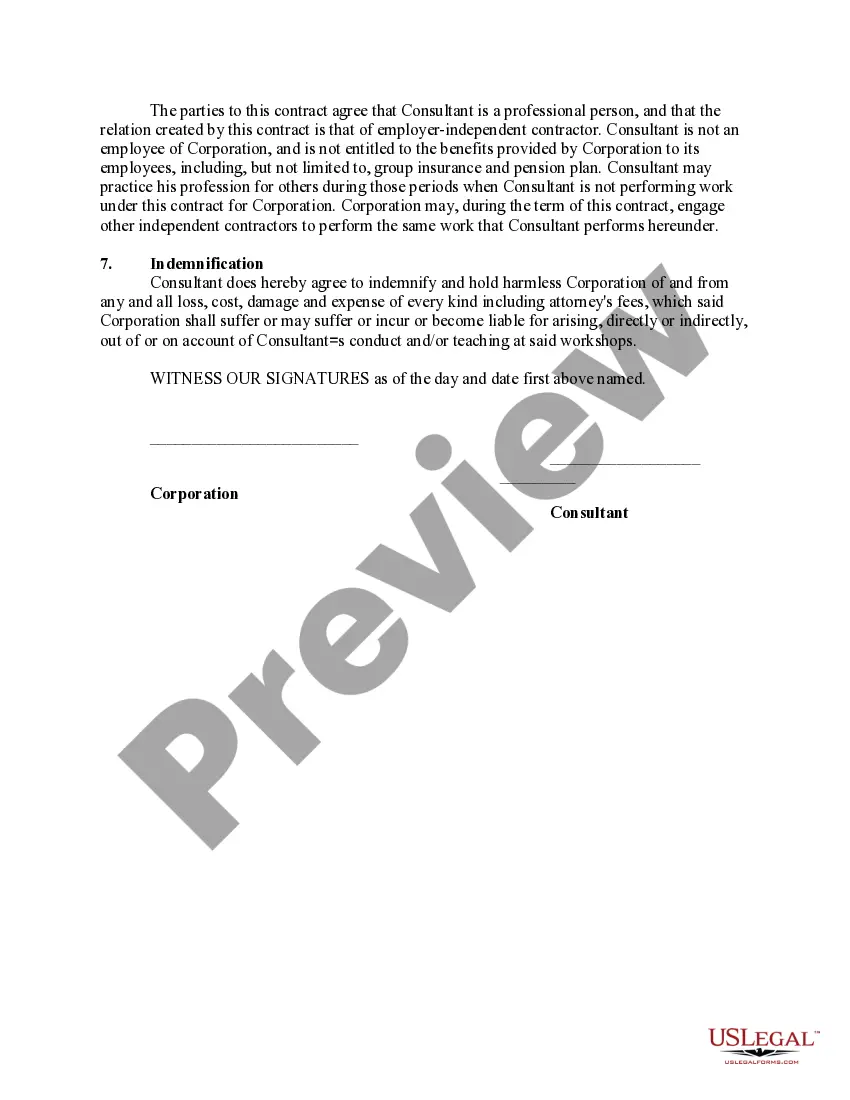
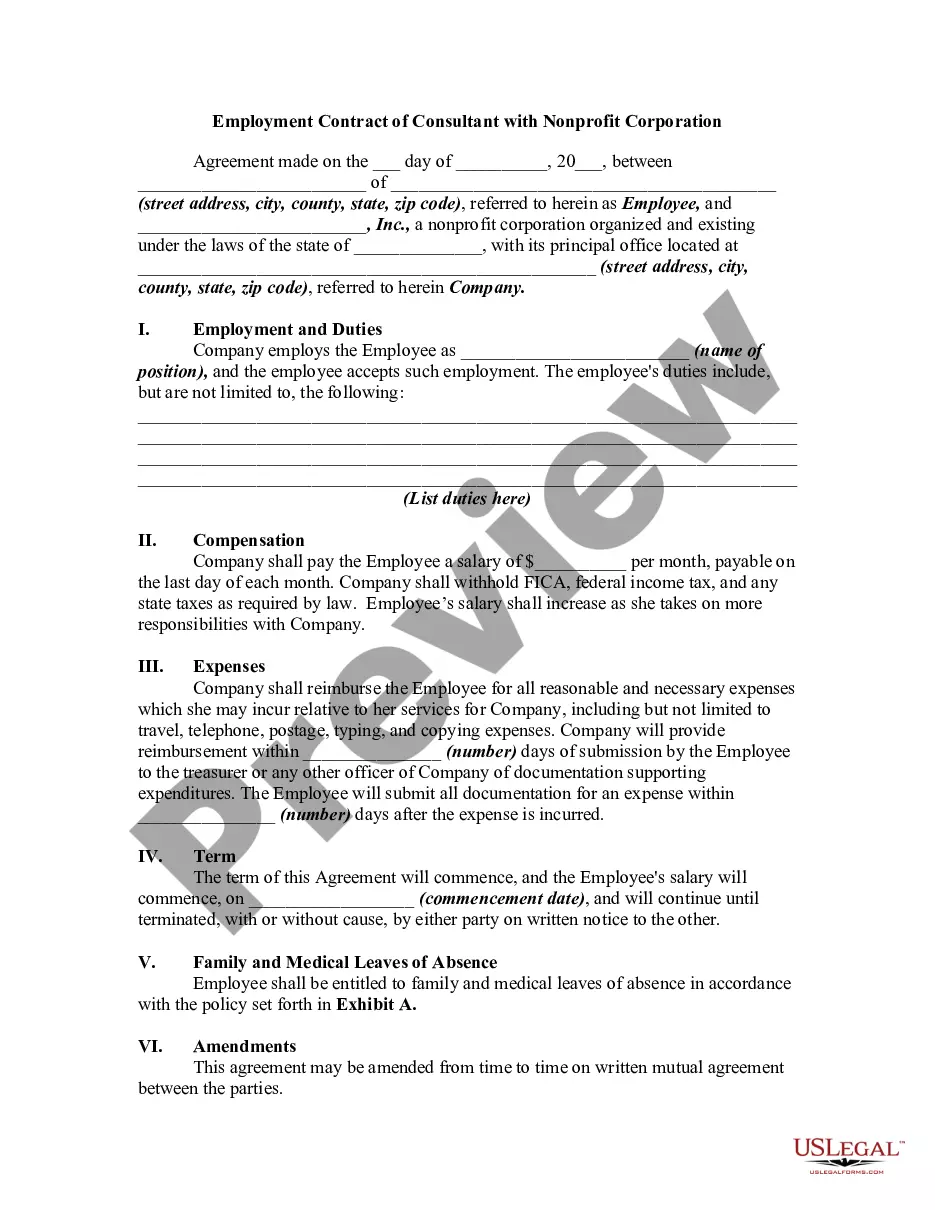
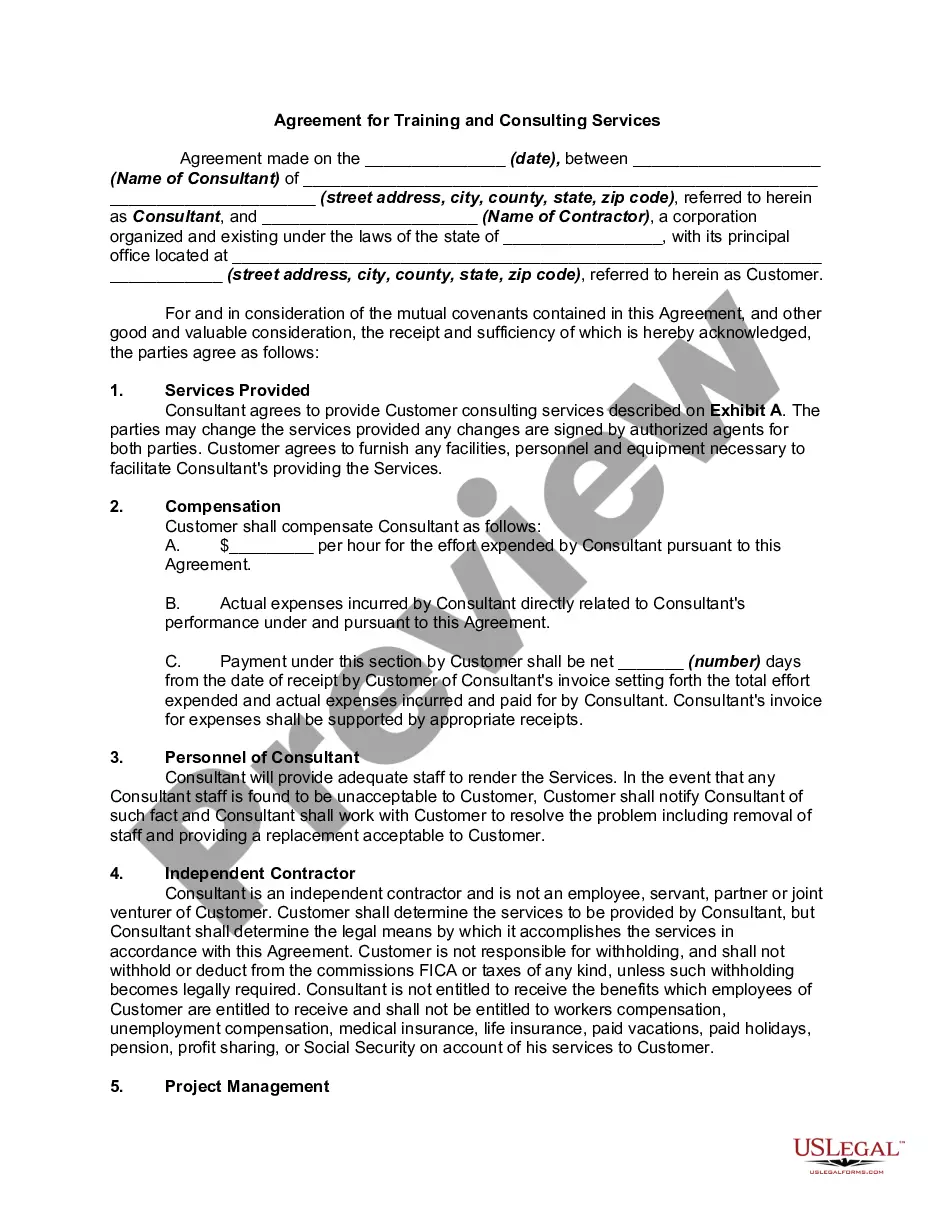
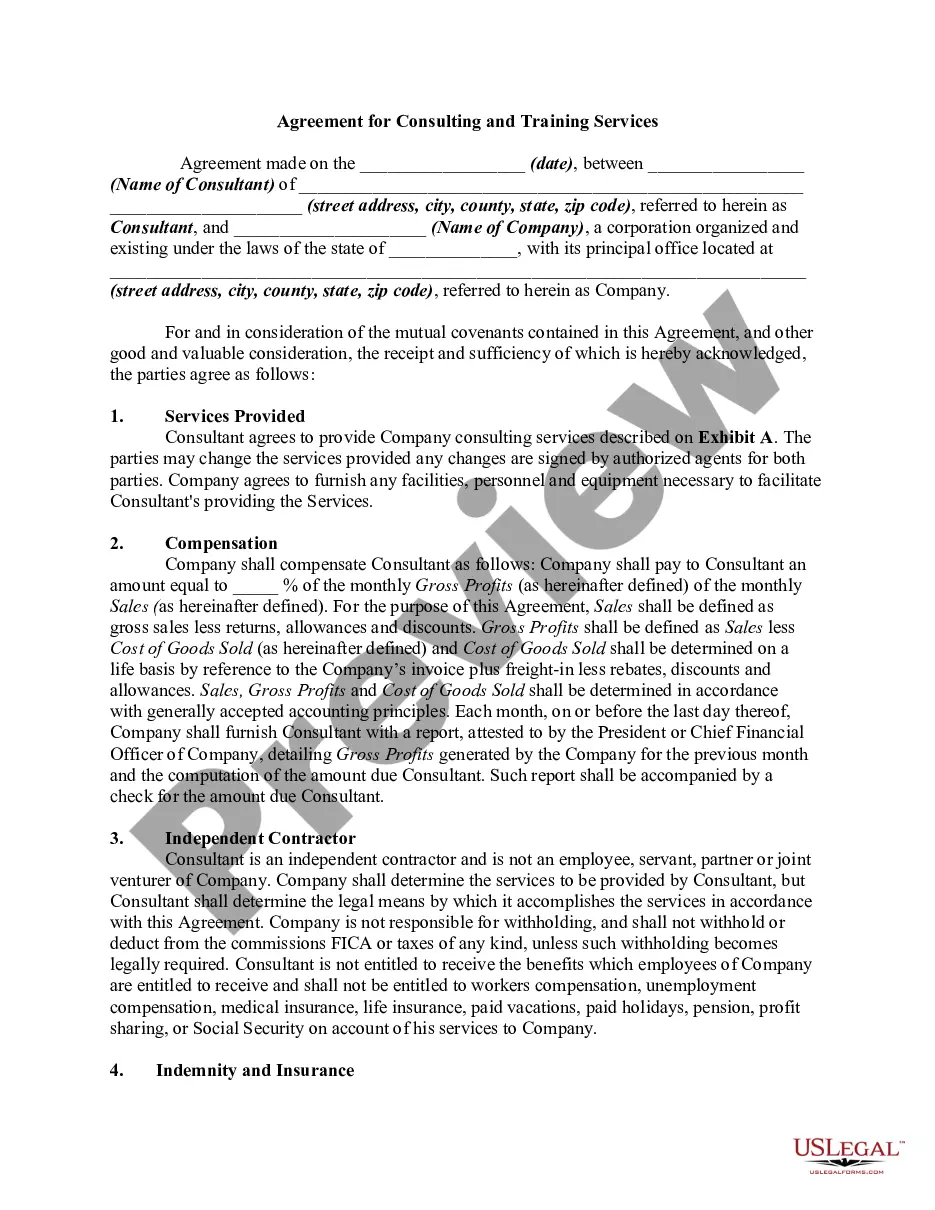
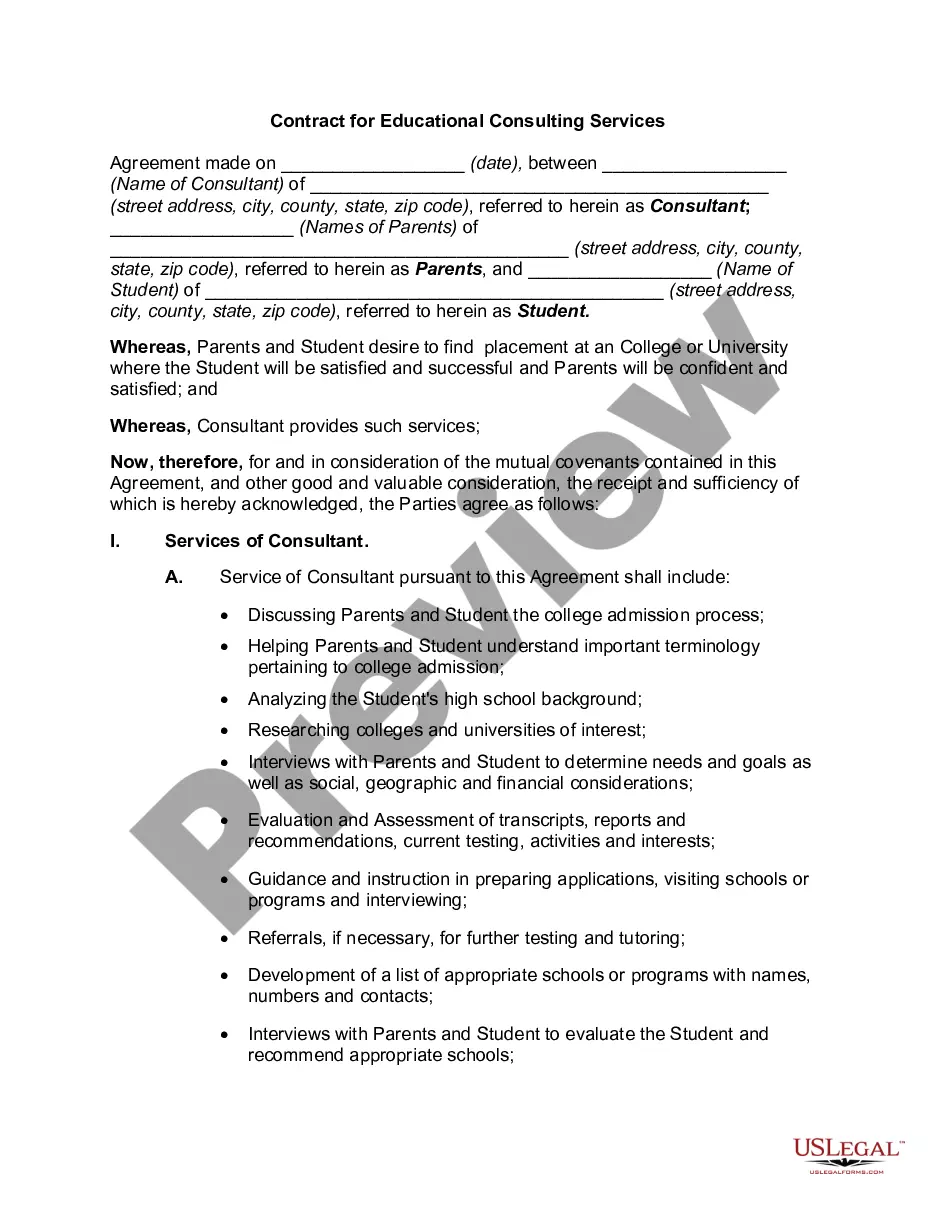
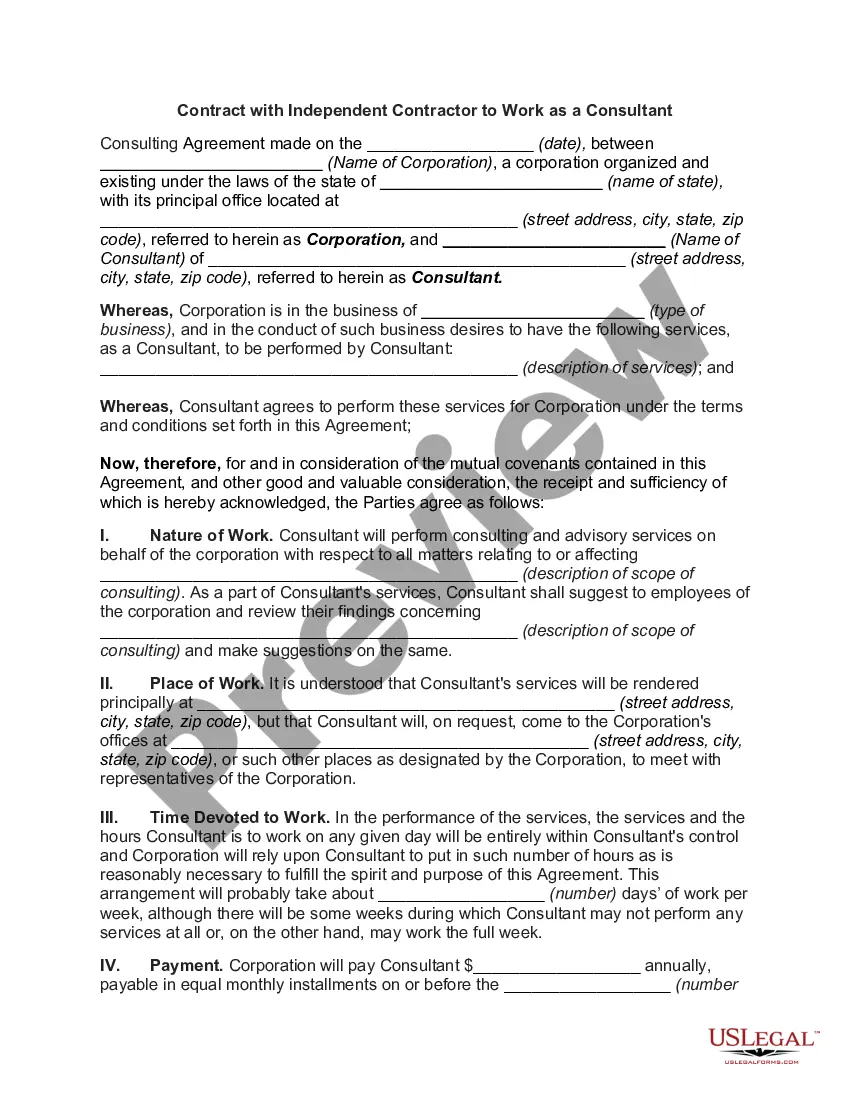
Get your form ready online
Our built-in tools help you complete, sign, share, and store your documents in one place.
Make edits, fill in missing information, and update formatting in US Legal Forms—just like you would in MS Word.
Download a copy, print it, send it by email, or mail it via USPS—whatever works best for your next step.
Sign and collect signatures with our SignNow integration. Send to multiple recipients, set reminders, and more. Go Premium to unlock E-Sign.
If this form requires notarization, complete it online through a secure video call—no need to meet a notary in person or wait for an appointment.
We protect your documents and personal data by following strict security and privacy standards.

Make edits, fill in missing information, and update formatting in US Legal Forms—just like you would in MS Word.

Download a copy, print it, send it by email, or mail it via USPS—whatever works best for your next step.

Sign and collect signatures with our SignNow integration. Send to multiple recipients, set reminders, and more. Go Premium to unlock E-Sign.

If this form requires notarization, complete it online through a secure video call—no need to meet a notary in person or wait for an appointment.

We protect your documents and personal data by following strict security and privacy standards.
Looking for another form?









Form popularity
FAQ
How To Write A Construction Contract With 7 Steps Step 1: Define the Parties Involved. Step 2: Outline the Scope of Work. Step 3: Establish the Timeline. Step 4: Determine the Payment Terms. Step 5: Include Necessary Legal Clauses. Step 6: Address Change Orders and Modifications. Step 7: Sign and Execute the Contract.
Agreement has been reached between the parties; consideration has been given by at least one of the parties; the parties have legal capacity and intend the contract to be legally binding; and. formalities are complied with.
Here are six best practices to write a consulting contract that defines your project scope and protects both you and your business. Define Duties, Deliverables, and Roles. Prepare for Potential Risk. Specify Project Milestones and Engagement Time. Identify Expenses and Outline Payment Terms. Specify Product Ownership.
Can I be my own Contractor? Pursuant to Utah State Code 55-55-305 a property owner is exempt from licensure and may engage in acts or practices included within the practice of construction trades subject to the stated circumstances and limitations within the Code.
The preparation of construction contracts and the organisation of the project must be based on a strategic analysis of the requirements for project success and the challenges that might be encountered. What is project success? there are no material unresolved claims that require dispute resolution.
How to write a contract agreement in 7 steps. Determine the type of contract required. Confirm the necessary parties. Choose someone to draft the contract. Write the contract with the proper formatting. Review the written contract with a lawyer. Send the contract agreement for review or revisions.
How do you find contracts as an independent consultant? 1. Leverage Your Network 2. Get on a Pre-Qualified List 3. Subcontract with Another Firm 4. Team up with Other Independent Consultants 5. Ask for Referrals
Freelancers often work as independent contractors or are self-employed professionals, whereas consultants can work as employees for private companies and even in the government and nonprofit sectors. Because of this distinction, you may have different employment requirements between the two career fields.
Therefore, in general, consultants are individuals and subcontractors are organizations or entities, and consultants tend to be limited to providers of services and advice, while subcontractors can provide a broader array of resources for an SBIR/STTR project.
Contract consultants are independent professionals who offer their expertise and skills to various clients on a project-by-project basis. They can work in different fields, such as management, IT, marketing, engineering, or education, and help clients solve problems, improve performance, or implement changes.
