Contract For Training Employee In Pennsylvania
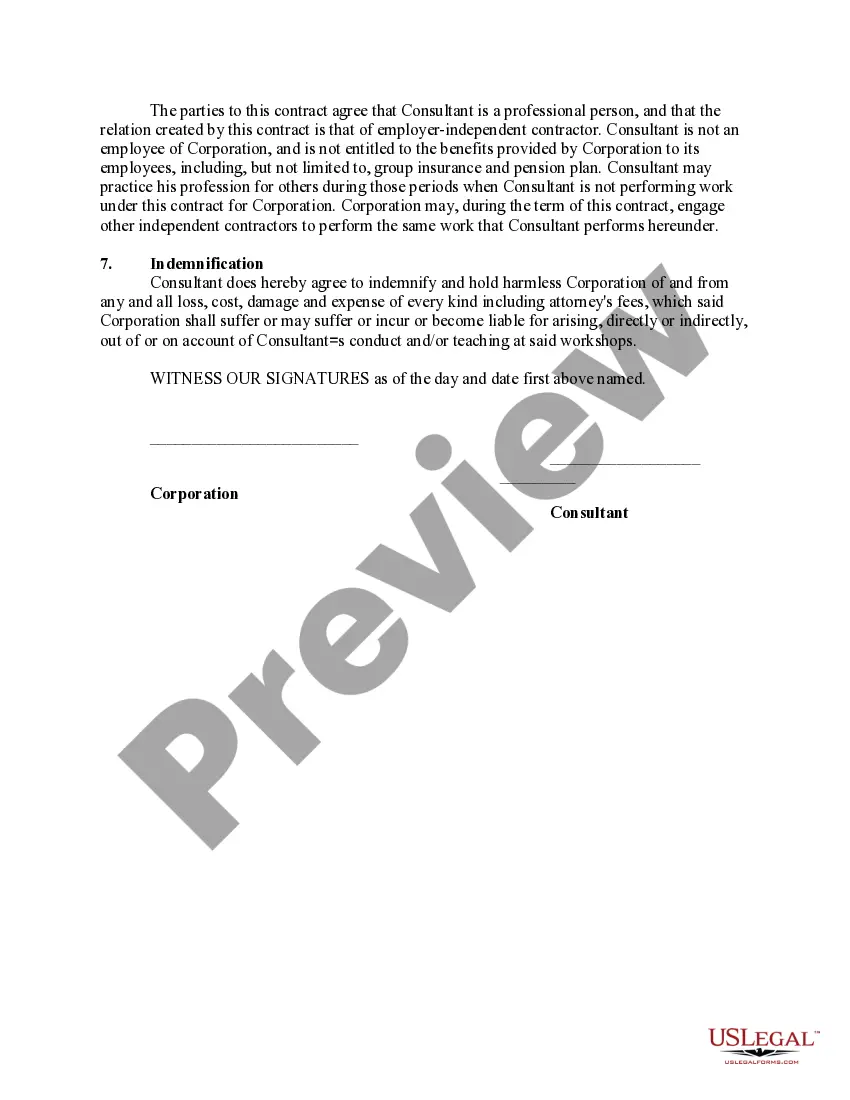
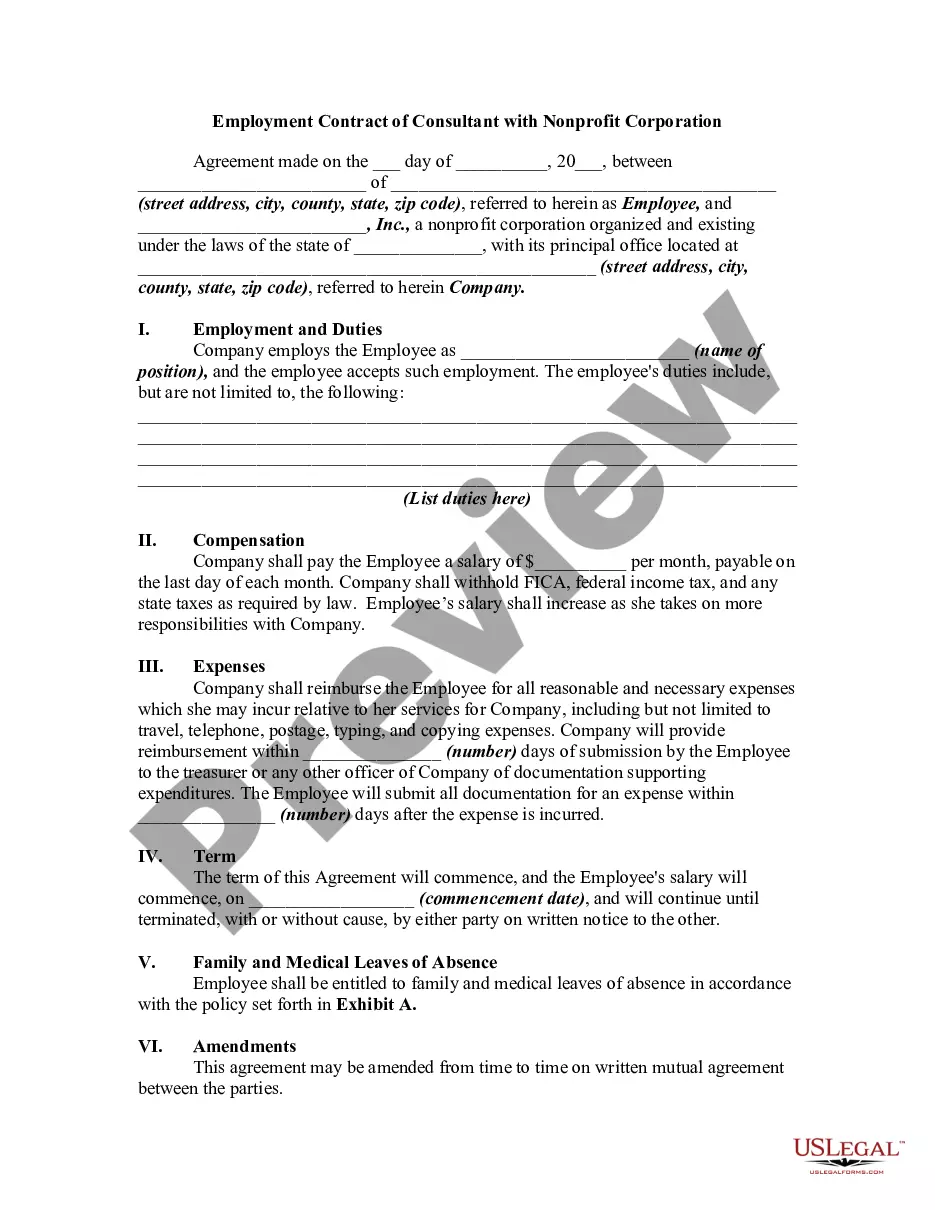
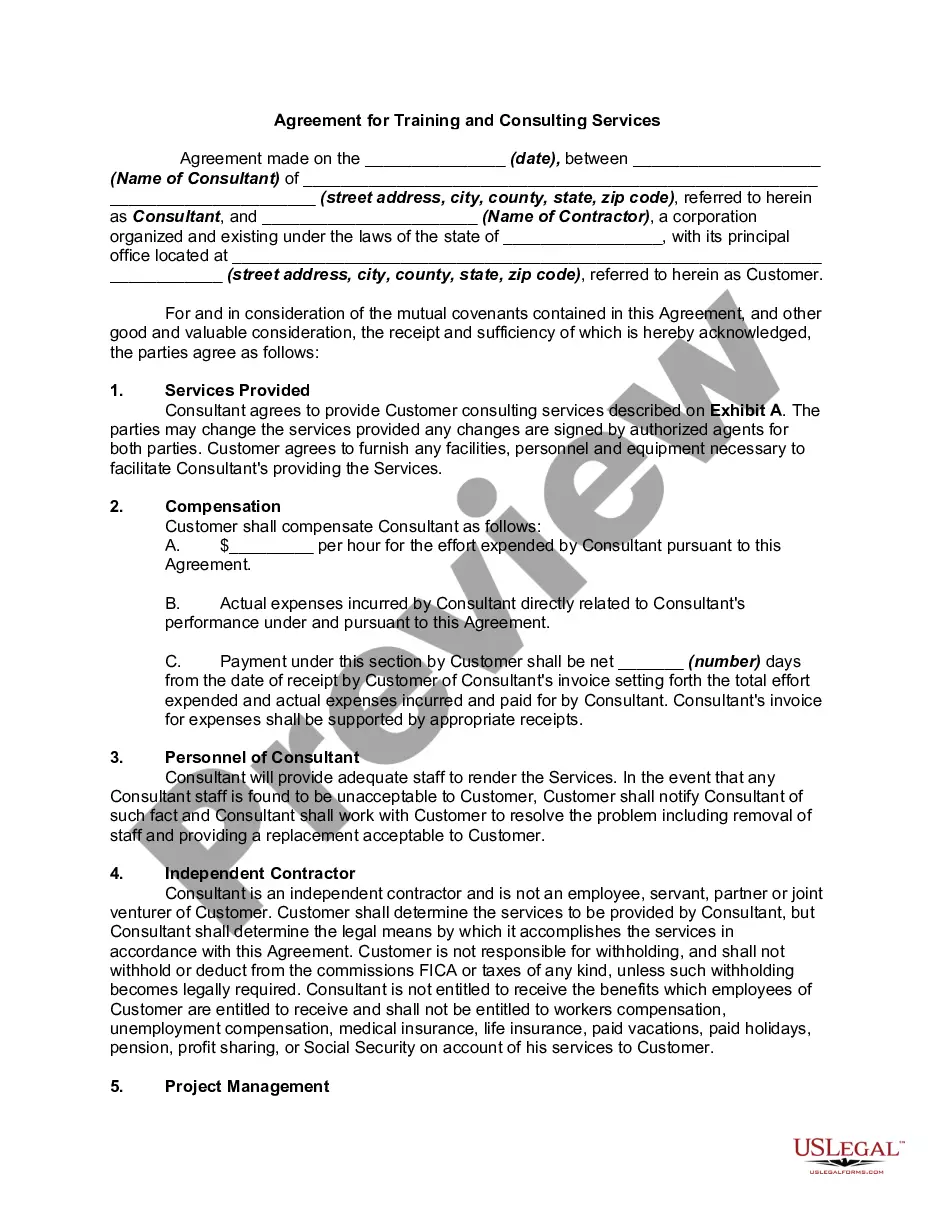
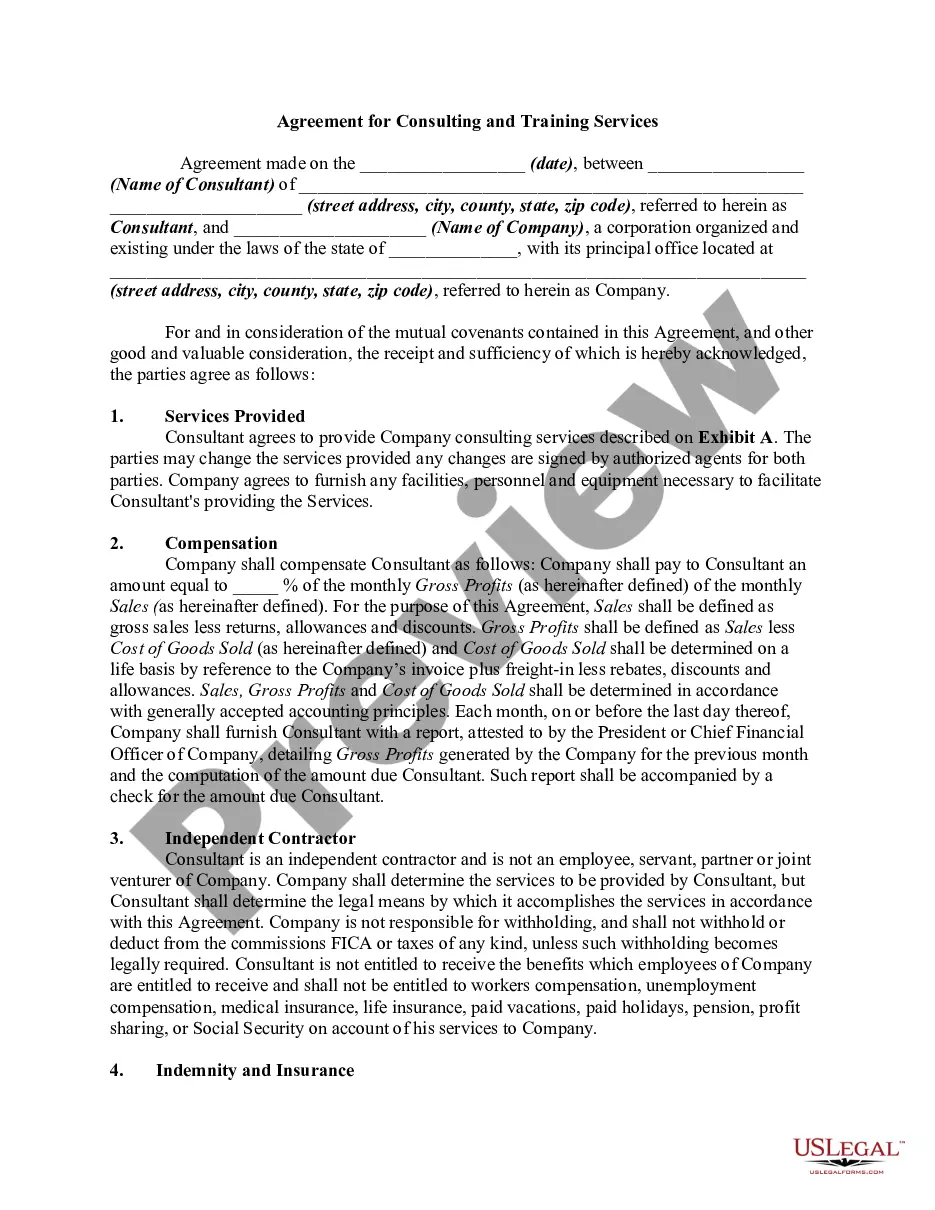
Description

Get your form ready online
Our built-in tools help you complete, sign, share, and store your documents in one place.
Make edits, fill in missing information, and update formatting in US Legal Forms—just like you would in MS Word.
Download a copy, print it, send it by email, or mail it via USPS—whatever works best for your next step.
Sign and collect signatures with our SignNow integration. Send to multiple recipients, set reminders, and more. Go Premium to unlock E-Sign.
If this form requires notarization, complete it online through a secure video call—no need to meet a notary in person or wait for an appointment.
We protect your documents and personal data by following strict security and privacy standards.

Make edits, fill in missing information, and update formatting in US Legal Forms—just like you would in MS Word.

Download a copy, print it, send it by email, or mail it via USPS—whatever works best for your next step.

Sign and collect signatures with our SignNow integration. Send to multiple recipients, set reminders, and more. Go Premium to unlock E-Sign.

If this form requires notarization, complete it online through a secure video call—no need to meet a notary in person or wait for an appointment.

We protect your documents and personal data by following strict security and privacy standards.
Looking for another form?







Form popularity
FAQ
Pennsylvania is an at-will employment state, which means that in the absence of a written employment or collective bargaining agreement, either the employer or the employee may terminate employment for any reason that is not contrary to law. Stumpp v. Stroudsburg Mun. Auth., 658 A.
Pennsylvania does not have a state law requiring employers to provide advance notice of termination. However, employers may be subject to the federal WARN Act, which requires some employers to provide advance notice of mass layoffs or plant closings.
The following information needs to be included in a temporary employment contract. Names of the Employer and Employee. This ensures it's clear who the contract is between. Job Title and Description. Financial Compensation. Work Pattern. Start Date. The Term of Employment. Temporary Employment Contract Notice Period. Benefits.
How to draft a contract in 13 simple steps Start with a contract template. Understand the purpose and requirements. Identify all parties involved. Outline key terms and conditions. Define deliverables and milestones. Establish payment terms. Add termination conditions. Incorporate dispute resolution.
A comprehensive temporary employment contract template should include the following elements: Job title and description. Employment duration. Working hours and schedule. Compensation. Benefits. Probationary period. Termination conditions. Confidentiality agreement.
Every effective short term contract should clearly outline several essential elements: Terms of termination: Conditions under which either party may end the agreement early. Duration: The precise start and end dates of the employment period. Responsibilities: Detailed description of expected duties and deliverables.
The main difference is that a traineeship is offered in a broader range of occupations and is shorter - typically over one or two years. An apprenticeship covers skilled trades and takes a lot longer - usually three to four years, either full or part-time.
In ance with the Apprenticeship and Training Act of 1961, a State Apprenticeship and Training Council exists in PA as a departmental agency in the Department of Labor and Industry to act as the approving agency of registration for proposed Apprenticeship programs.
The apprentice Act of 1961 was a movement by the Central government to fill the gap in the availability of skilled labour in India by producing them domestically. The act makes it compulsory for employers to recruit them and provide training.
