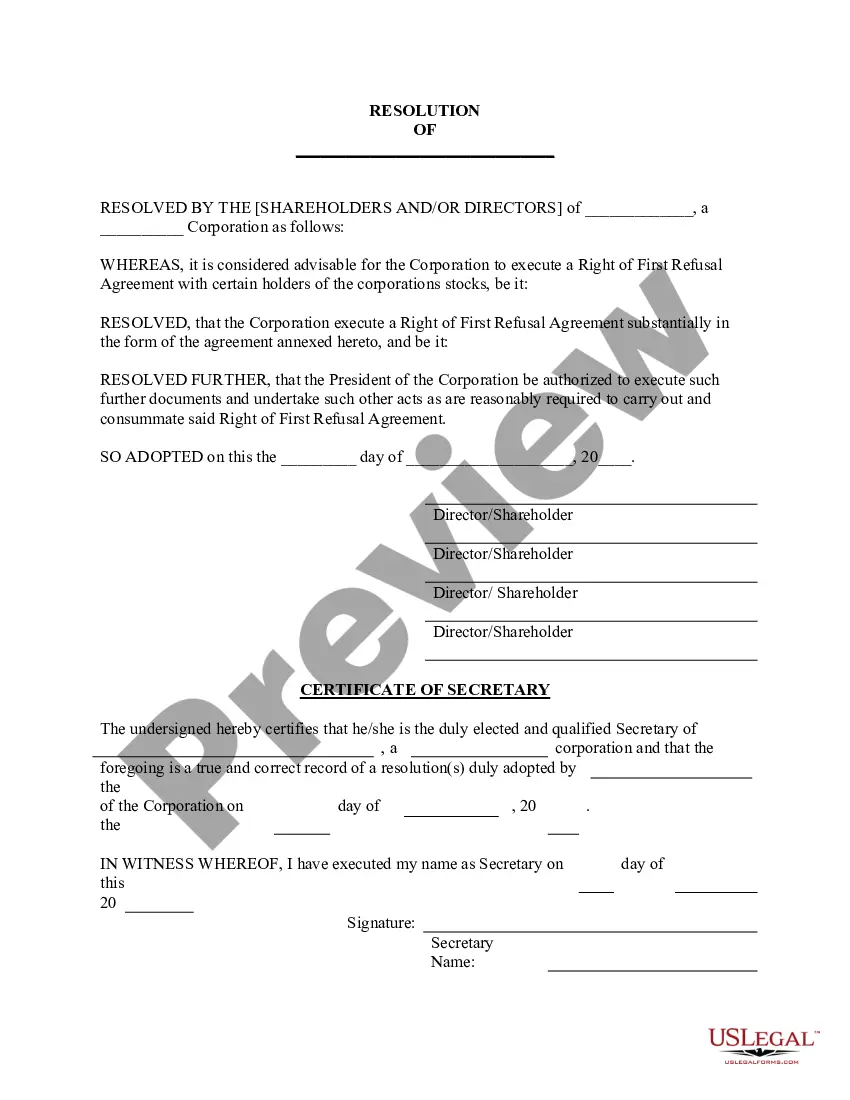
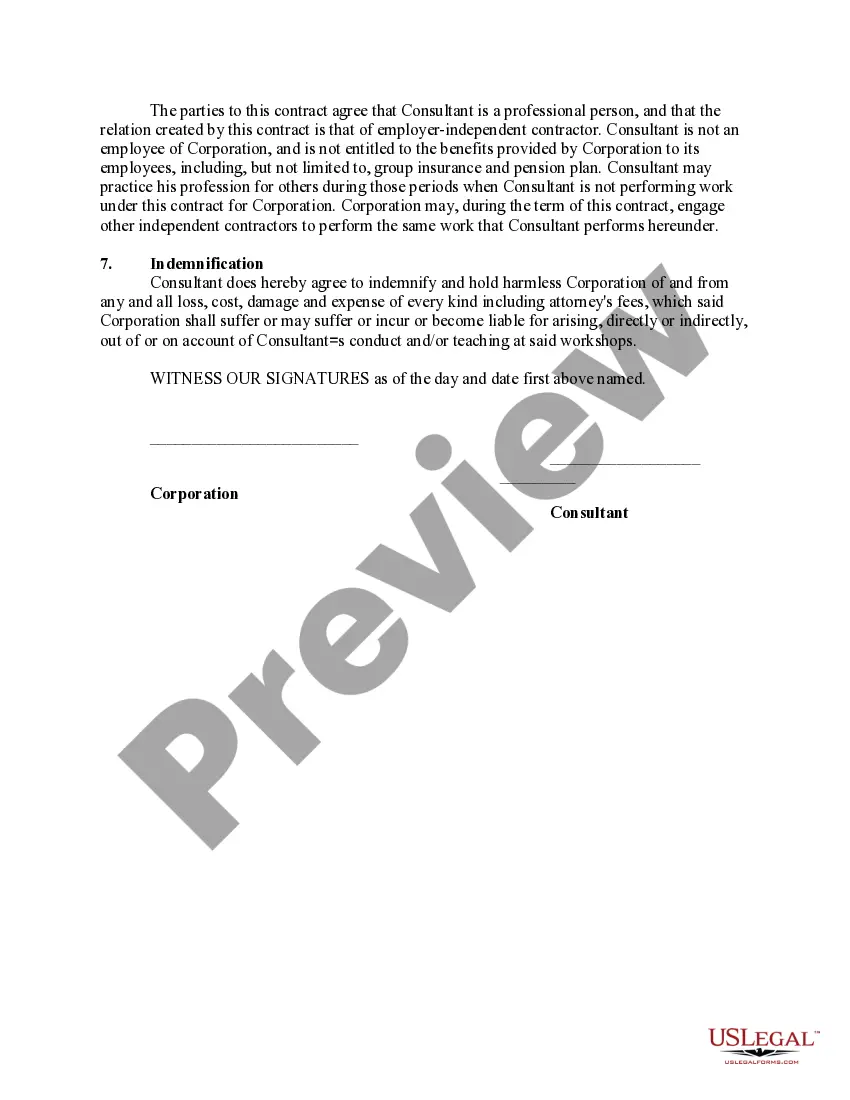
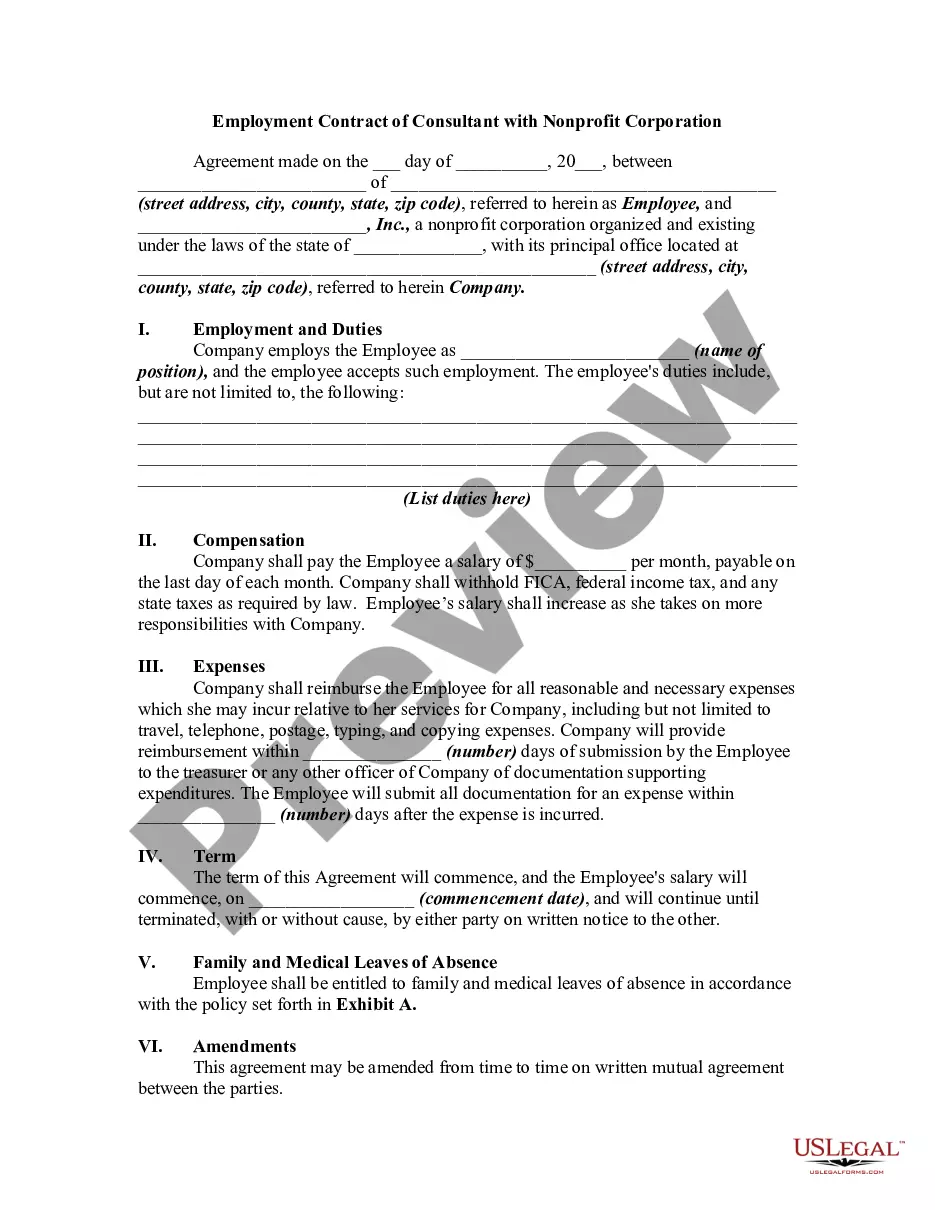
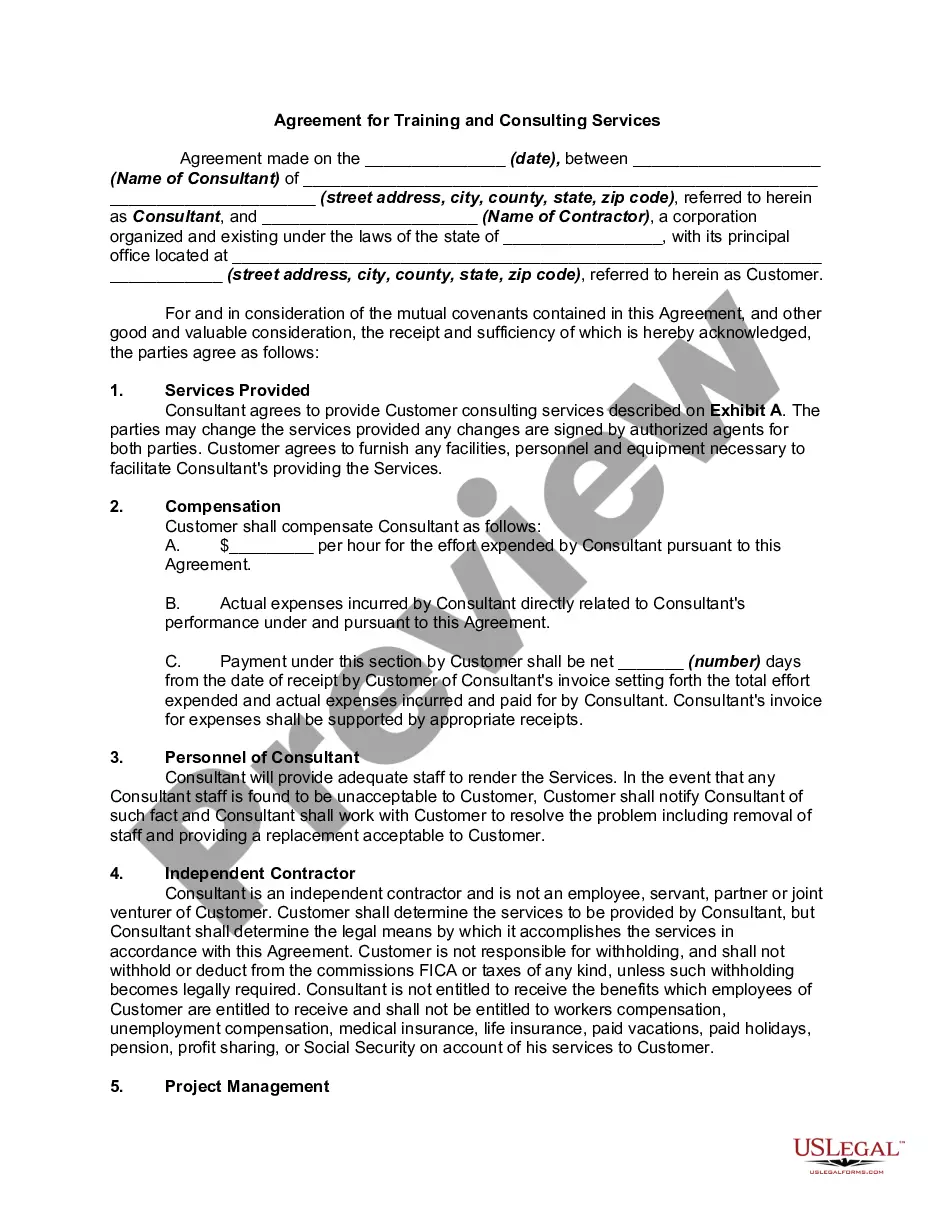
Contract For Training Employee In North Carolina
Description

Get your form ready online
Our built-in tools help you complete, sign, share, and store your documents in one place.
Make edits, fill in missing information, and update formatting in US Legal Forms—just like you would in MS Word.
Download a copy, print it, send it by email, or mail it via USPS—whatever works best for your next step.
Sign and collect signatures with our SignNow integration. Send to multiple recipients, set reminders, and more. Go Premium to unlock E-Sign.
If this form requires notarization, complete it online through a secure video call—no need to meet a notary in person or wait for an appointment.
We protect your documents and personal data by following strict security and privacy standards.

Make edits, fill in missing information, and update formatting in US Legal Forms—just like you would in MS Word.

Download a copy, print it, send it by email, or mail it via USPS—whatever works best for your next step.

Sign and collect signatures with our SignNow integration. Send to multiple recipients, set reminders, and more. Go Premium to unlock E-Sign.

If this form requires notarization, complete it online through a secure video call—no need to meet a notary in person or wait for an appointment.

We protect your documents and personal data by following strict security and privacy standards.
Looking for another form?



Form popularity
FAQ
An “employment agreement” is a legally binding document (contract) signed by an employer and an employee. An employment contract may be for permanent employment or for temporary employment/employment for a fixed term; independent contractors also enter into contracts.
Under the Fair Labor Standards Act (FLSA), unpaid training can only occur when specific criteria are met, such as when the training is similar to what would be given in an educational environment and the trainee acts primarily for their own benefit.
Delegation of performance; assignment of rights. (1) A party may perform his duty through a delegate unless otherwise agreed or unless the other party has a substantial interest in having his original promisor perform or control the acts required by the contract.
Penalty for Violation Suppose an employer violates the minimum wage, overtime, or wage payment provisions set by North Carolina. In that case, they are responsible for paying the affected employee or employees the unpaid wages, overtime, along with interest as determined by the court.
In order to have a valid contract in North Carolina, there must be an offer, an acceptance, along with consideration.
North Carolina is an at-will-employment state, which means that an employer may end the employment relationship at any time and for any reason as long as it is not an otherwise unlawful reason.
Understanding At Will Employment in North Carolina Being late once, a personality clash or a simple mistake are all legally acceptable reasons to terminate an employee in the eyes of the law, and there doesn't need to be a "paper trail" or warning beforehand.
For wills signed in another state, if the will's execution complied with the laws of the state where the person making the will was either physically present or where he or she lived, it will be deemed valid in North Carolina.
North Carolina does not require employees to give notice before resignation. However, providing a two-week notice period is considered a professional courtesy and can help ensure a smoother transition.
Training agreements provide legal protection for employers. They can include clauses that allow employees to repay training expenses if they quit the company within a specific timeframe. This ensures the company can avoid the financial burden of training employees who end up leaving for other opportunities.