Contract For Training In Nevada
Description


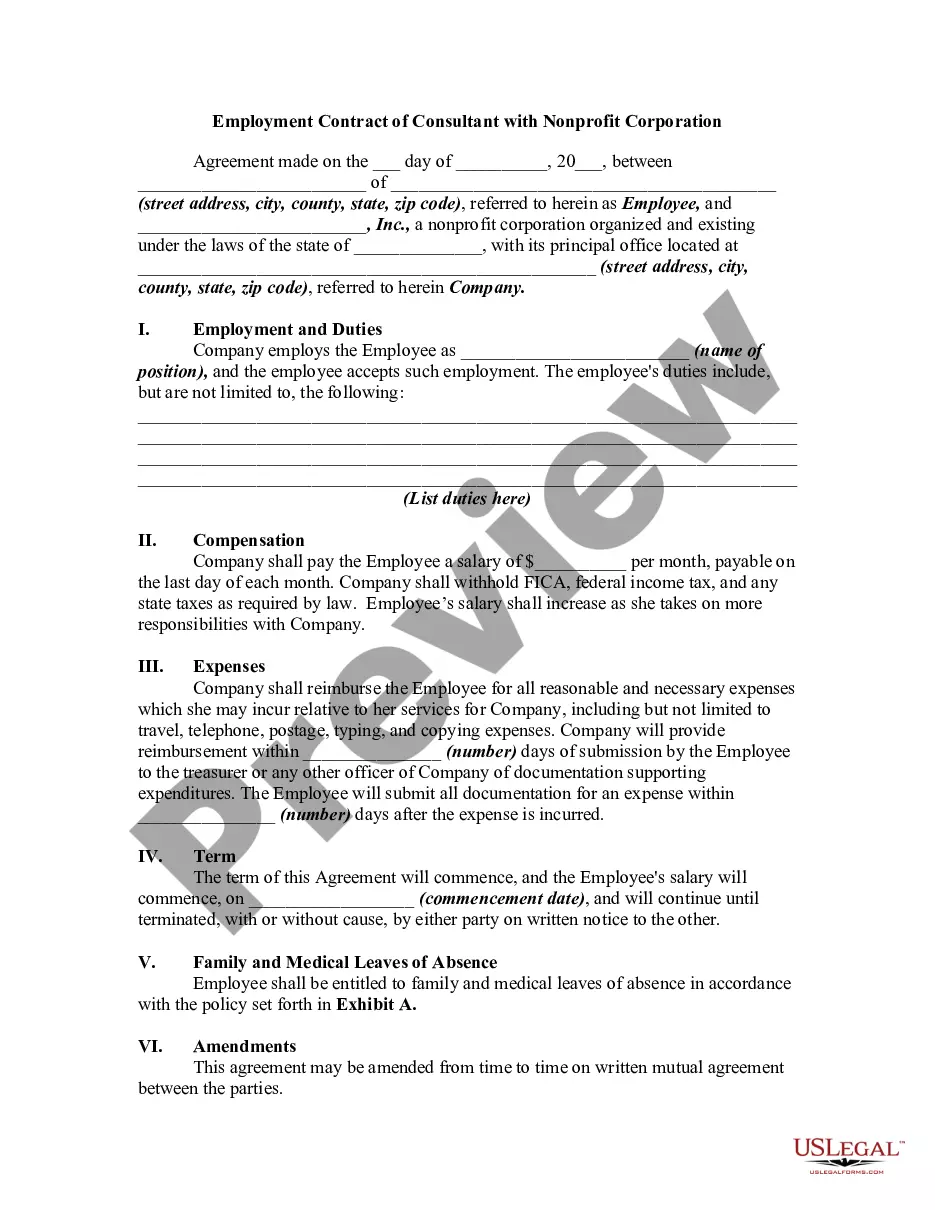
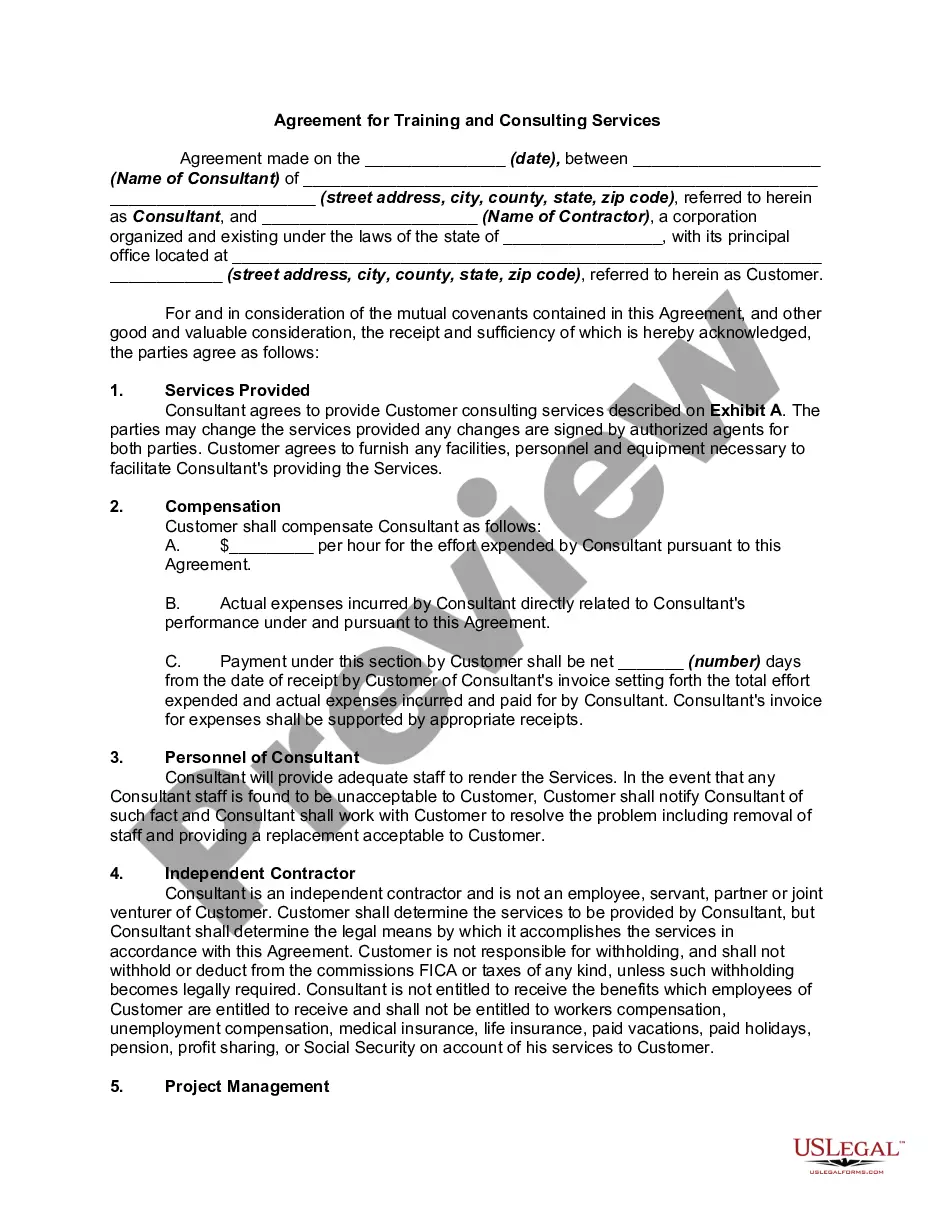
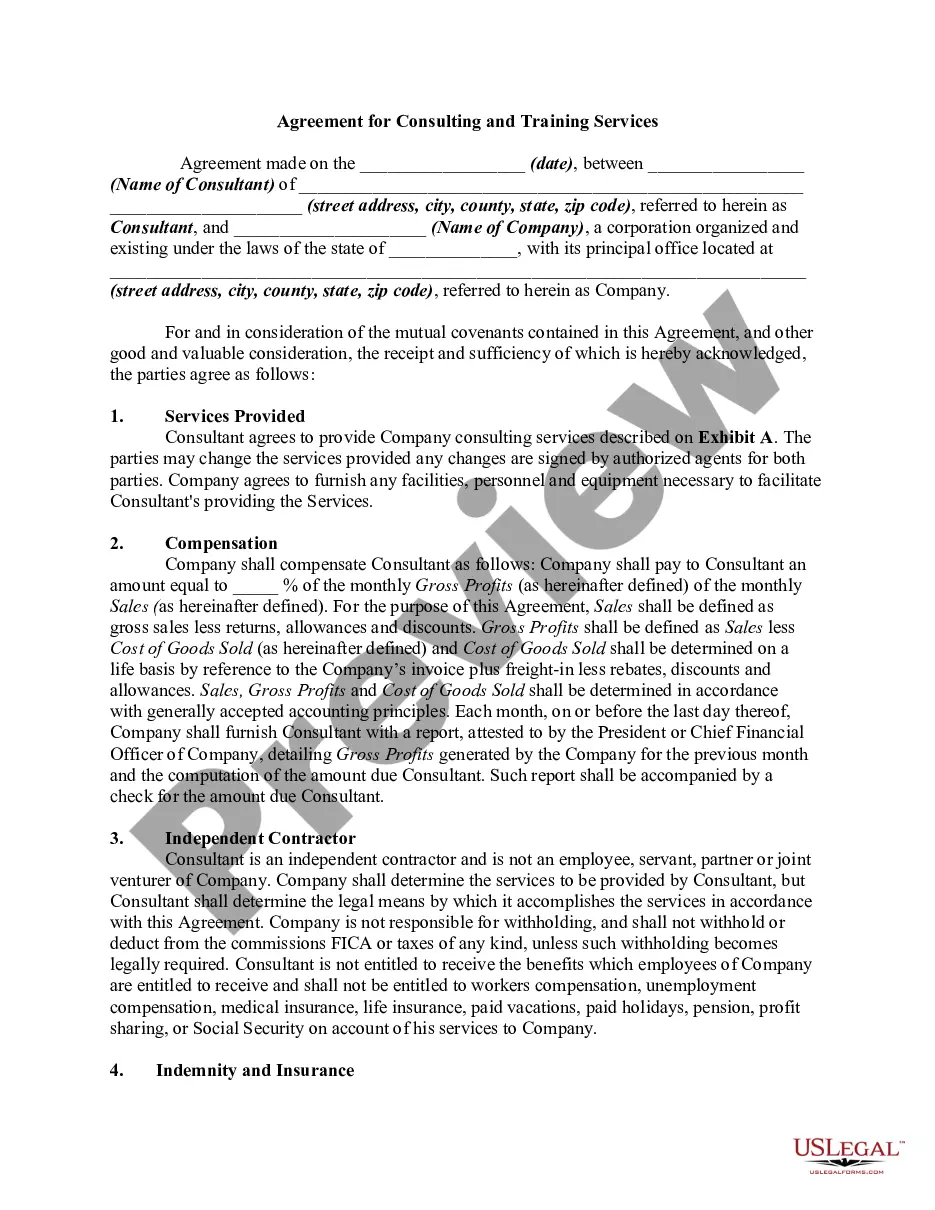
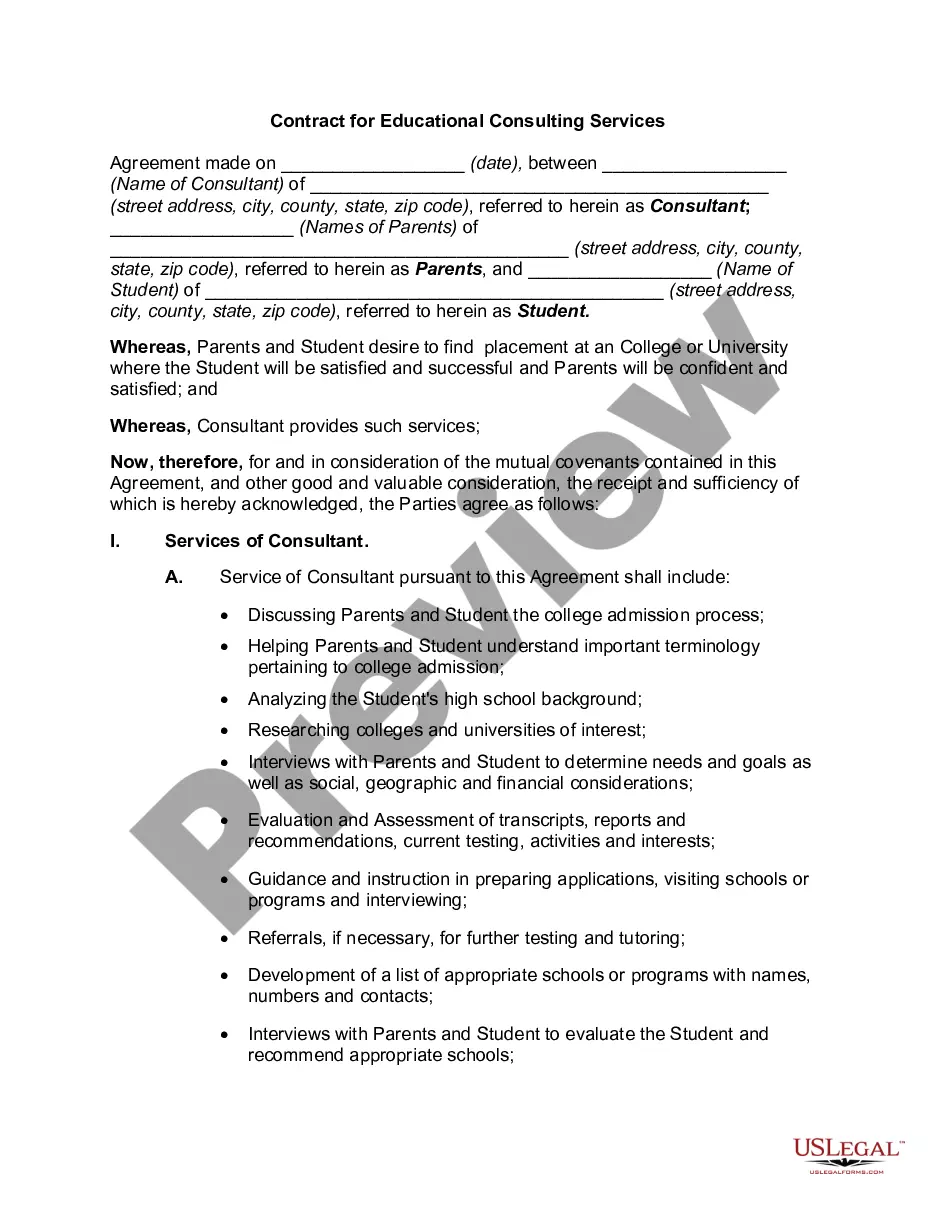
Get your form ready online
Our built-in tools help you complete, sign, share, and store your documents in one place.
Make edits, fill in missing information, and update formatting in US Legal Forms—just like you would in MS Word.
Download a copy, print it, send it by email, or mail it via USPS—whatever works best for your next step.
Sign and collect signatures with our SignNow integration. Send to multiple recipients, set reminders, and more. Go Premium to unlock E-Sign.
If this form requires notarization, complete it online through a secure video call—no need to meet a notary in person or wait for an appointment.
We protect your documents and personal data by following strict security and privacy standards.

Make edits, fill in missing information, and update formatting in US Legal Forms—just like you would in MS Word.

Download a copy, print it, send it by email, or mail it via USPS—whatever works best for your next step.

Sign and collect signatures with our SignNow integration. Send to multiple recipients, set reminders, and more. Go Premium to unlock E-Sign.

If this form requires notarization, complete it online through a secure video call—no need to meet a notary in person or wait for an appointment.

We protect your documents and personal data by following strict security and privacy standards.
Looking for another form?






Form popularity
FAQ
Contract Courses are supervised individual research or investigation under guidance of faculty member, with a culminating paper or project.
A learning contract, also called a goals contract, can help you set transparent expectations for your students. Learning contracts specify behaviors and habits for success and can promote student reflection on how they learn. They are shared at the beginning of the semester to clarify expectations for the course.
When two or more parties agree to do or not to do something, these parties enter a legally binding contract in Nevada. The obligations under the contract are enforceable by mutual understanding—until a dispute arises. Then, the parties go to court, where the Nevada judiciary adjudicates the case.
Develop the skills and knowledge to administer contracts and manage contract risks, work effectively with key stakeholders and improve overall supplier performance.
A training contract, or qualifying work experience (QWE), is a two-year period spent working at a law firm or other organisation that employs solicitors. It's one of the stages required to qualify as a solicitor.
Contract training is customized training for employees and teams to improve performance, efficiency, and teamwork. It is important for organizations to train their employees continuously and take an interest in their development. It fosters a mutually beneficial partnership with both the employers and the employees.
Some industries will require more compliance than others – the food, building or pharmaceutical industries are examples of these. But there are also some universal laws that most businesses might need to comply with such as basic first aid and health and safety, fire safety, GDPR and COSHH.
A law training contract is a two year period of practical learning undertaken by aspiring solicitors who have taken the Legal Practice Course (LPC) route to qualify as a solicitor.
Nevada is an at-will employment state. In most states, including Nevada, an employer may not fire an employee if the firing would violate the state's public policies (against discrimination, for example) or a state or federal statute.
You shouldn't let this stop you from ensuring that your employees get relevant and up-to-date training. As an employer, you can implement a training agreement with your employee. This is a legally binding document that outlines the terms and conditions of the training you will be giving your team.