Consultant Work Contract For Accounting In Miami-Dade
Description

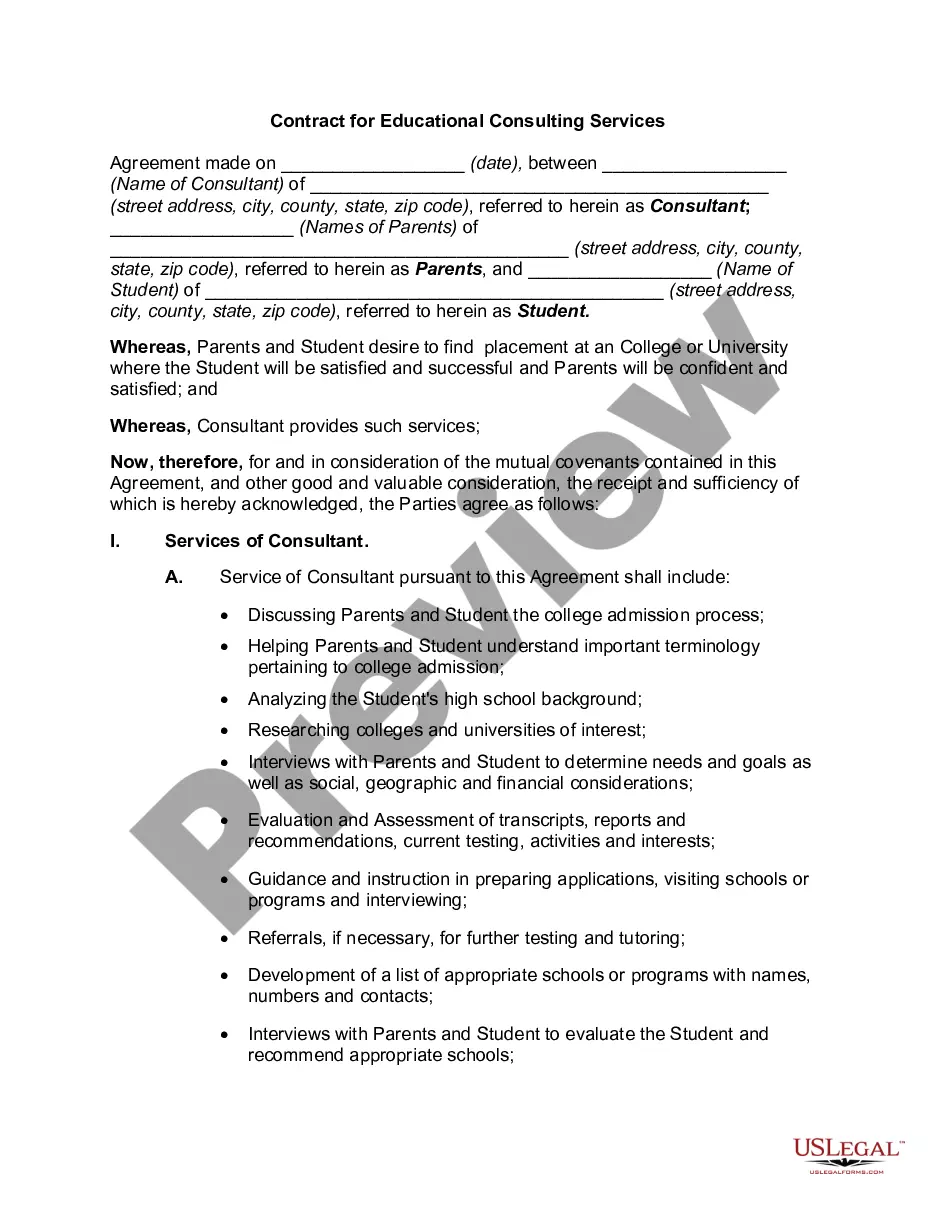
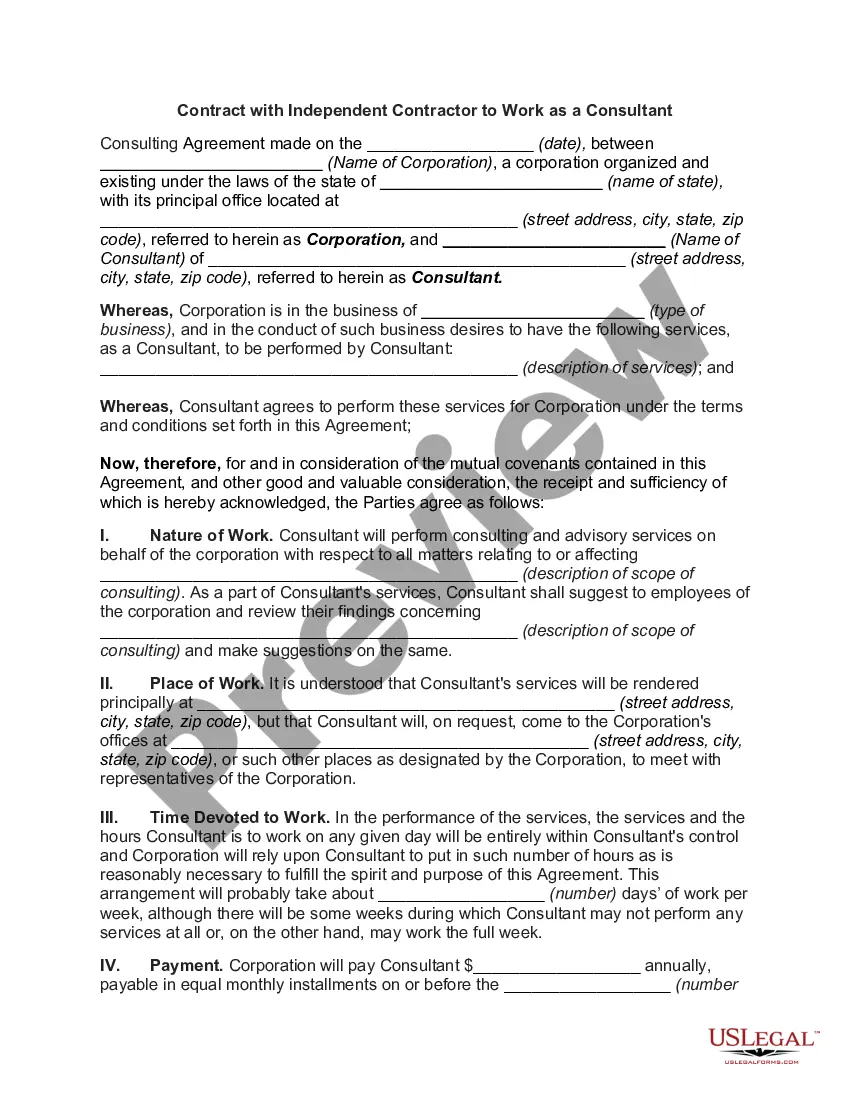
Get your form ready online
Our built-in tools help you complete, sign, share, and store your documents in one place.
Make edits, fill in missing information, and update formatting in US Legal Forms—just like you would in MS Word.
Download a copy, print it, send it by email, or mail it via USPS—whatever works best for your next step.
Sign and collect signatures with our SignNow integration. Send to multiple recipients, set reminders, and more. Go Premium to unlock E-Sign.
If this form requires notarization, complete it online through a secure video call—no need to meet a notary in person or wait for an appointment.
We protect your documents and personal data by following strict security and privacy standards.

Make edits, fill in missing information, and update formatting in US Legal Forms—just like you would in MS Word.

Download a copy, print it, send it by email, or mail it via USPS—whatever works best for your next step.

Sign and collect signatures with our SignNow integration. Send to multiple recipients, set reminders, and more. Go Premium to unlock E-Sign.

If this form requires notarization, complete it online through a secure video call—no need to meet a notary in person or wait for an appointment.

We protect your documents and personal data by following strict security and privacy standards.
Looking for another form?









Form popularity
FAQ
It's fairly common for CPAs to become part-time or full-time consultants just prior to retirement, while others enjoy the benefits of greater flexibility and control over their schedules earlier in their careers. Another option is to consult on the side, or in between permanent jobs.
If you're more interested in management consulting, a CPA isn't necessary.
While both tax consultants and tax accountants deal with tax matters, they differ in their primary focus and the nature of their services. Tax consultants are more involved in strategic planning and advising on complex tax issues, whereas tax accountants focus on the practical aspects of preparing and filing taxes.
Here's a list of steps on how to become an accountant consultant: Earn an undergraduate degree. Gain relevant experience. Obtain a CPA certification. Network with professionals. Consider higher education.
Basic Requirements For Starting An Accounting Firm Accounting Qualifications. Accounting Experience. An Employer Identification Number and Tax ID Number. Some Funds. Conduct Market Research And Analysis. Choose An Accounting Specialization. Choose Technology And Information Systems. Determine a Legal Structure And Registration.
