Consultant Work Contract For Union Members In Maryland
Description

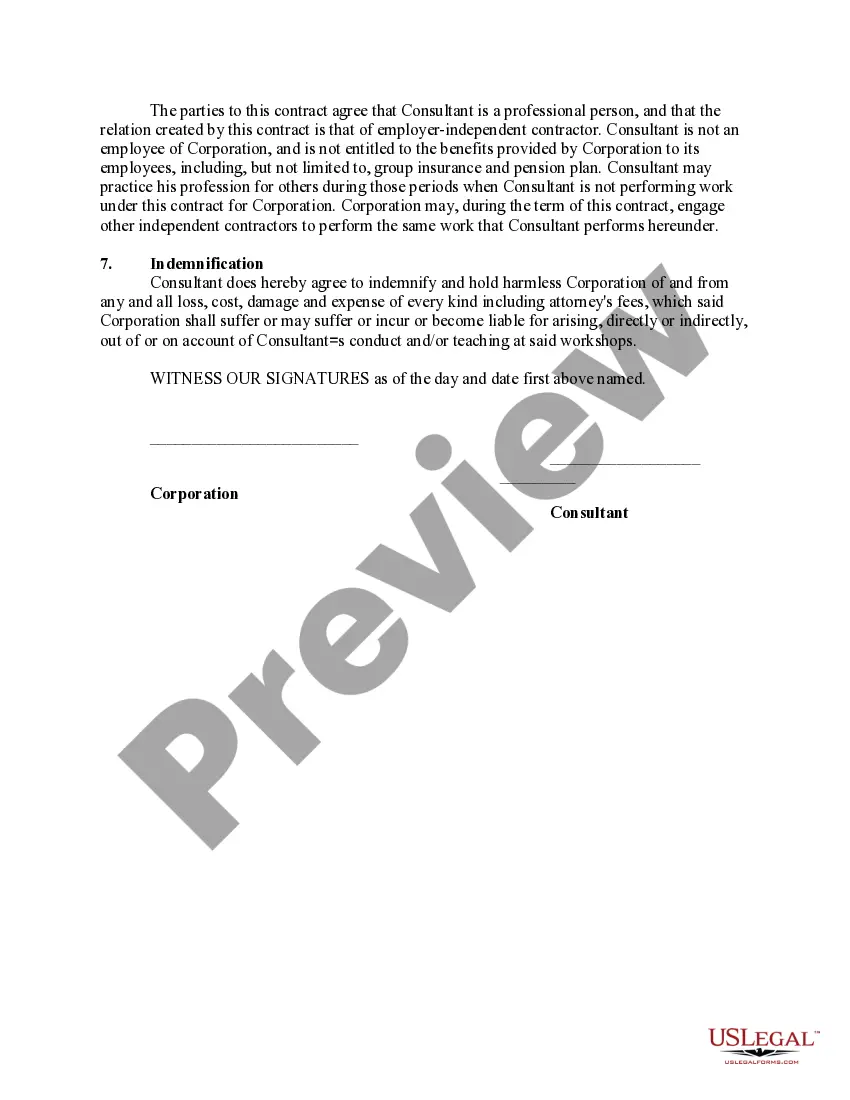
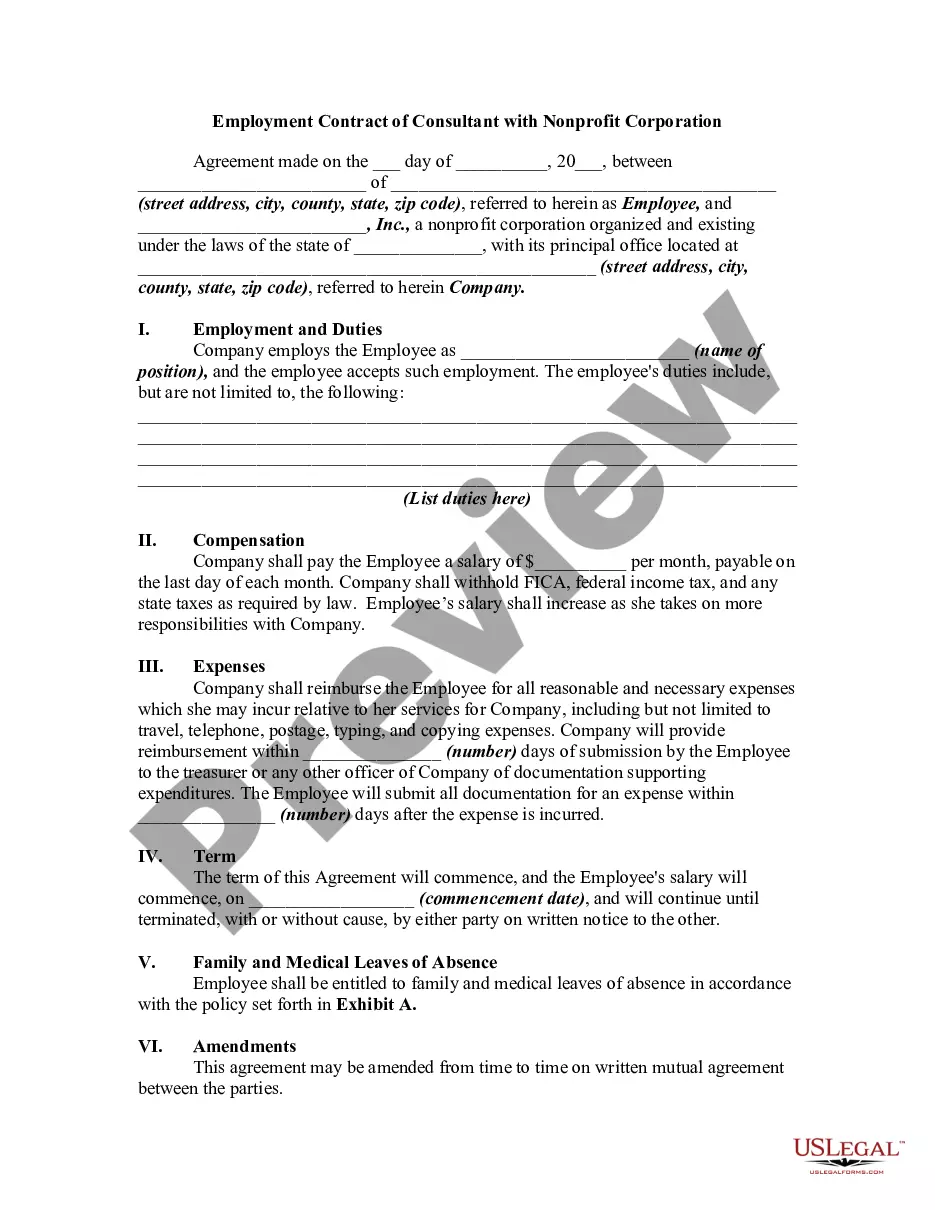
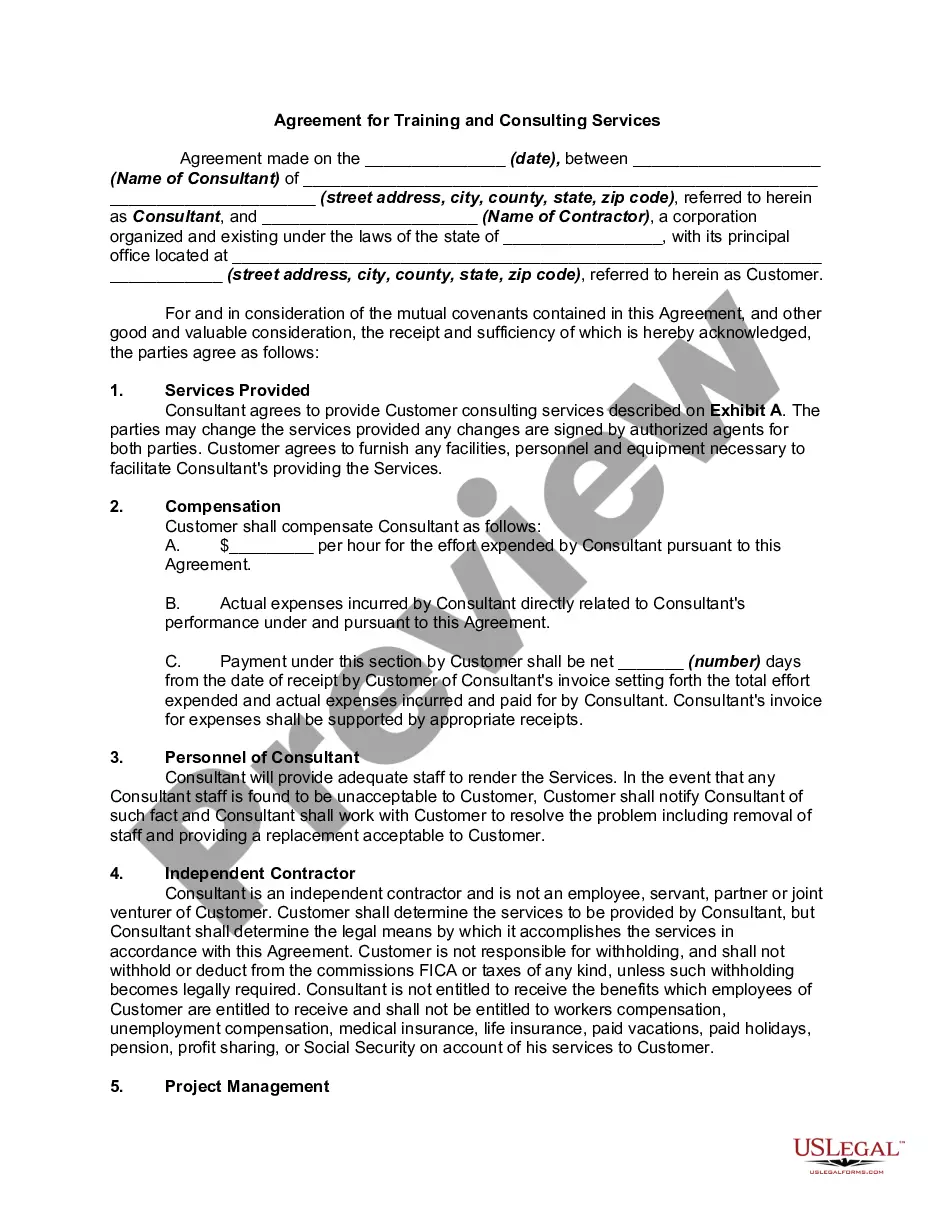
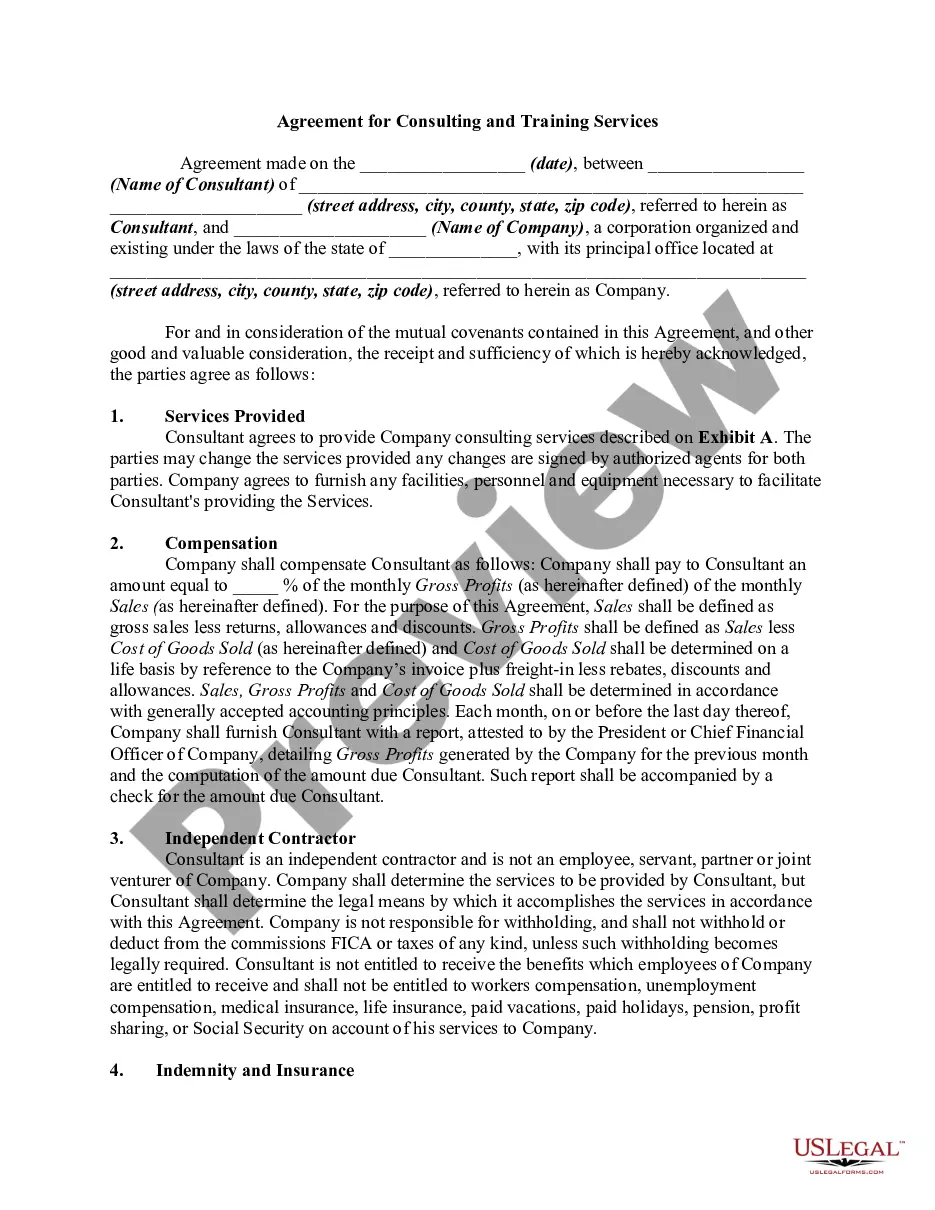
Get your form ready online
Our built-in tools help you complete, sign, share, and store your documents in one place.
Make edits, fill in missing information, and update formatting in US Legal Forms—just like you would in MS Word.
Download a copy, print it, send it by email, or mail it via USPS—whatever works best for your next step.
Sign and collect signatures with our SignNow integration. Send to multiple recipients, set reminders, and more. Go Premium to unlock E-Sign.
If this form requires notarization, complete it online through a secure video call—no need to meet a notary in person or wait for an appointment.
We protect your documents and personal data by following strict security and privacy standards.

Make edits, fill in missing information, and update formatting in US Legal Forms—just like you would in MS Word.

Download a copy, print it, send it by email, or mail it via USPS—whatever works best for your next step.

Sign and collect signatures with our SignNow integration. Send to multiple recipients, set reminders, and more. Go Premium to unlock E-Sign.

If this form requires notarization, complete it online through a secure video call—no need to meet a notary in person or wait for an appointment.

We protect your documents and personal data by following strict security and privacy standards.
Looking for another form?







Form popularity
FAQ
Generally, there are four general stages for negotiating a contract: Preparing. A proper mindset and preparation are key to any negotiation, which means successful negotiators research, strategize, plan, contingency plan and practice their approach. Drafting. Negotiating. Concluding.
Collective bargaining is a process through which the union and employer exchange proposals, share ideas, mutually solve problems, and reach a written agreement.
Unions in Maryland At the federal level, per the National Labor Relations Act (NLRA), employees have the right to: Organize or join a union. Discuss their employment terms and conditions with other workers. Bargain collectively by choosing employee representatives.
It depends on the union, the local and the company typically. As others mentioned the bargaining committee should be made up primarily of members from the shop. The E board of the local is usually part of that but not all of the committee. Staff reps and lawyers are there to support and sometimes lead at the table.
Negotiations usually take several rounds of bargaining. The union and management sides express the rationale behind their proposals. Some contract provisions remain predominantly the same from contract to contract while others, such as salary, are bargained with each contract.
How long does it take to negotiate a union contract? It varies. The negotiation process for first labor contracts typically lasts a year or longer, during which time the status quo remains in effect (i.e., nothing changes during this time). However, it is impossible to predict how long contract negotiations would take.
Contract negotiation is the process through which two or more parties deliberate over the contents of a contract to reach a legally binding agreement. Contract negotiation typically proceeds by setting the terms and conditions in which both parties can agree on.
Until contract approval, these records are generally confidential unless both the public agency and the bargaining unit agree to their release.
The 5 Stages of Collective Bargaining Preparing for bargaining. Conducting negotiations. Ratifying the contract. Resolving a contract dispute. Changing or clarifying the contract.
Section 7 of the NLRA states that: “Employees shall have the right to self-organization, to form, join, or assist labor organizations, to bargain collectively through representatives of their own choosing, and to engage in other concerted activities for the purpose of collective bargaining or other mutual aid or ...
