Consultant Contract Under Foreign Trade In King
Description

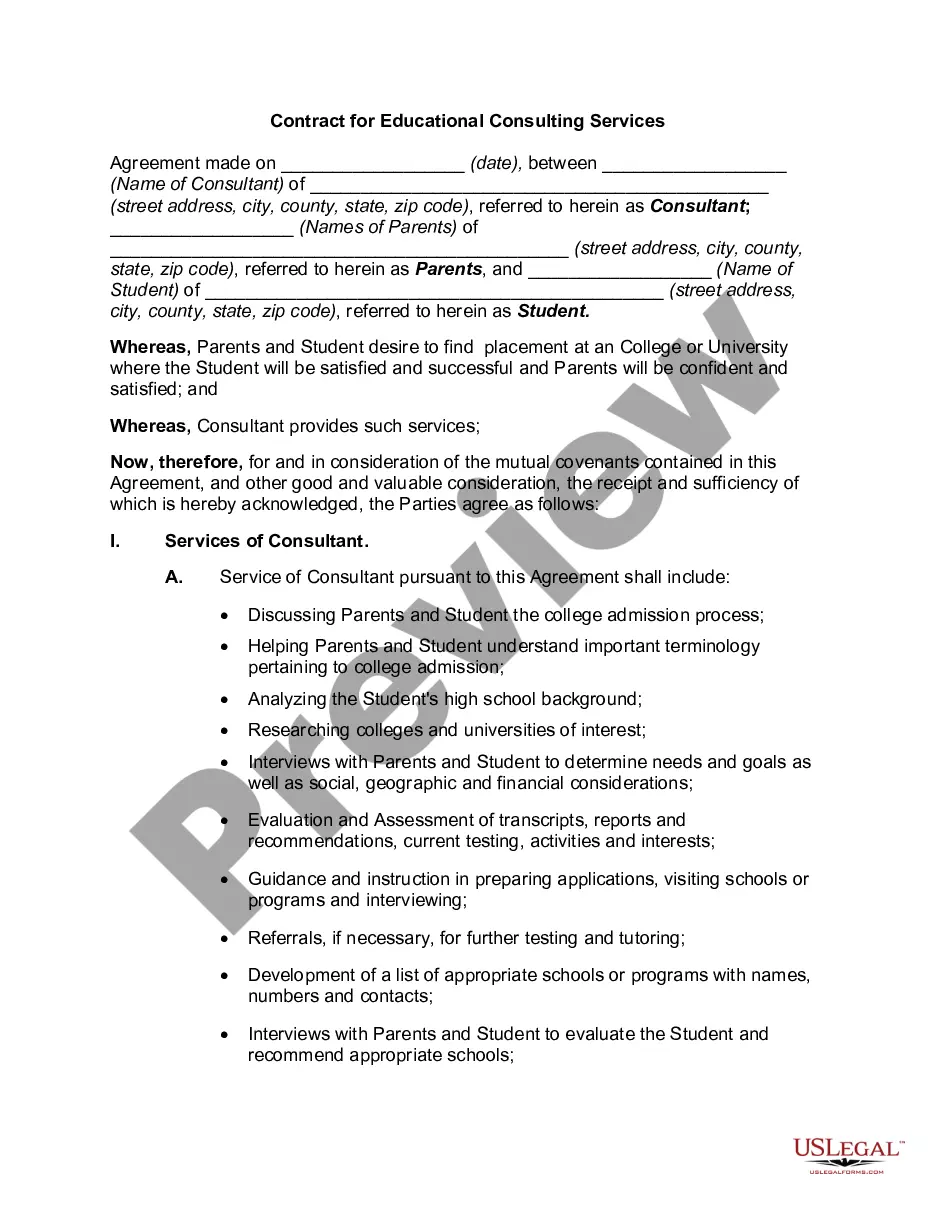
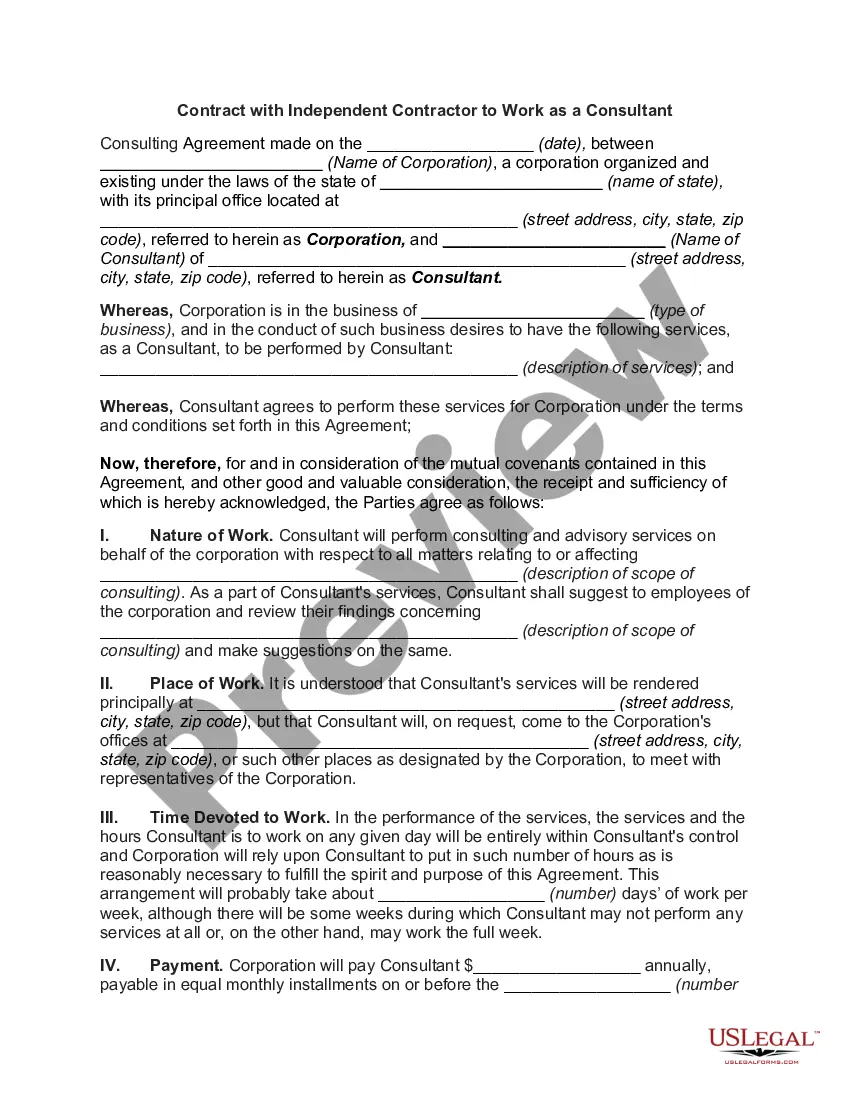
Get your form ready online
Our built-in tools help you complete, sign, share, and store your documents in one place.
Make edits, fill in missing information, and update formatting in US Legal Forms—just like you would in MS Word.
Download a copy, print it, send it by email, or mail it via USPS—whatever works best for your next step.
Sign and collect signatures with our SignNow integration. Send to multiple recipients, set reminders, and more. Go Premium to unlock E-Sign.
If this form requires notarization, complete it online through a secure video call—no need to meet a notary in person or wait for an appointment.
We protect your documents and personal data by following strict security and privacy standards.

Make edits, fill in missing information, and update formatting in US Legal Forms—just like you would in MS Word.

Download a copy, print it, send it by email, or mail it via USPS—whatever works best for your next step.

Sign and collect signatures with our SignNow integration. Send to multiple recipients, set reminders, and more. Go Premium to unlock E-Sign.

If this form requires notarization, complete it online through a secure video call—no need to meet a notary in person or wait for an appointment.

We protect your documents and personal data by following strict security and privacy standards.
Looking for another form?





Form popularity
FAQ
For most countries international trade is regulated by unilateral barriers of several types, including tariffs, nontariff barriers, and outright prohibitions. Trade agreements are one way to reduce these barriers, thereby opening all parties to the benefits of increased trade.
Trade policies Reforms since World War II have substantially reduced government-imposed trade barriers. But policies to protect domestic industries vary. Tariffs are much higher in certain sectors (such as agriculture and clothing) and among certain country groups (such as less developed countries) than in others.
In international trade, creating contracts that are clear, secure, and legally binding is key to safeguarding the interests of the involved parties (exporter-seller and importer-buyers). Essentially, this agreement sets out the rights and obligations of the parties and the remedies for breach.
How to become an international trade specialist Earn a bachelor's degree. Consider pursuing a master's degree. Complete an internship. Become certified. Gain relevant industry experience. Analytical skills. Written and verbal communication. Cross cultural communication.
A Foreign Trade Consultant is responsible for advising companies on international trade regulations, market entry strategies, and foreign market opportunities.
To become an international trader, you need to have a variety of qualifications and skills. Most employers seek traders who have at least a bachelor's degree in finance, economics, logistics, or business administration, although several years of experience in the import/export business can make up for lack of a degree.
Trade contributes to global efficiency. When a country opens up to trade, capital and labor shift toward industries in which they are used more efficiently. That movement provides society a higher level of economic welfare.
International trade specialists research opportunities and find trends in global commerce so they can help companies make informed decisions on how to conduct trade operations. This requires trade specialists to stay abreast of new tariffs, import and export laws, customs rules, and supply chain changes.
A trade consultant helps their client get all the answers they need regarding their upcoming shipment. They help their clients navigate the complicated world of imports and export trade compliance, and ensure their clients are compliant with local rules and regulations every step of the way.
