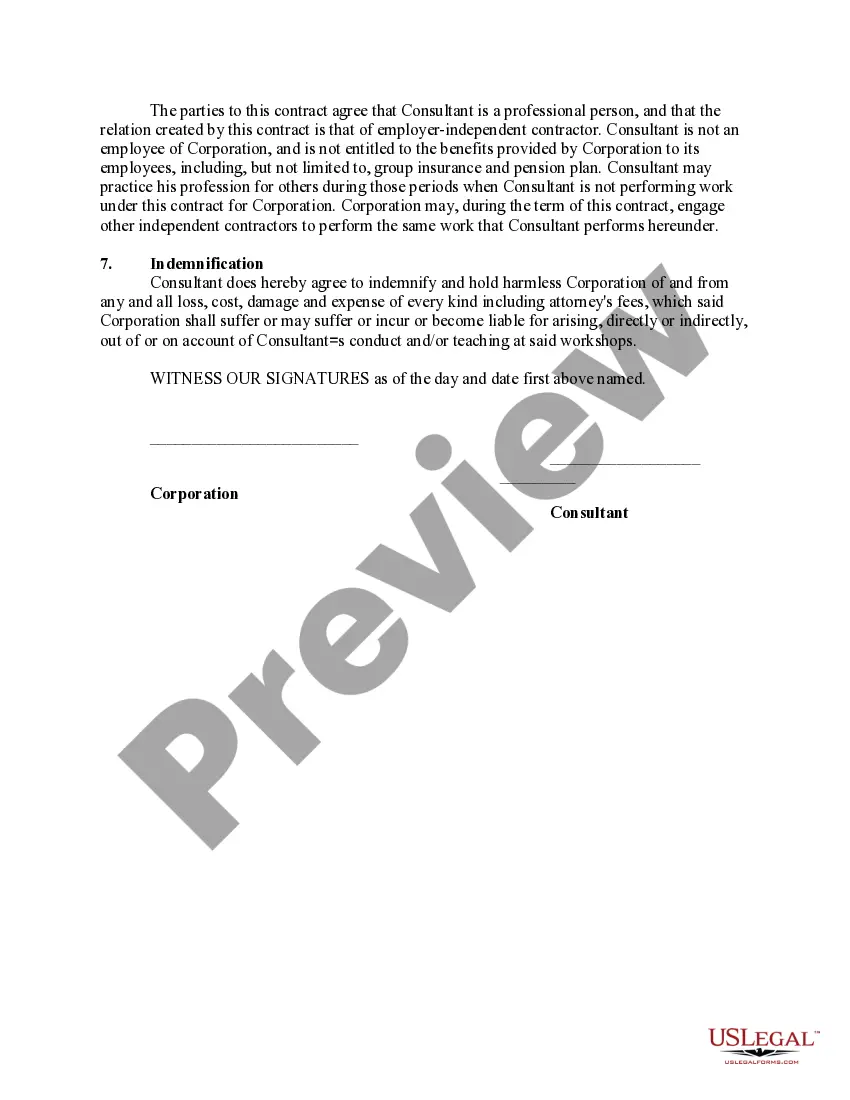
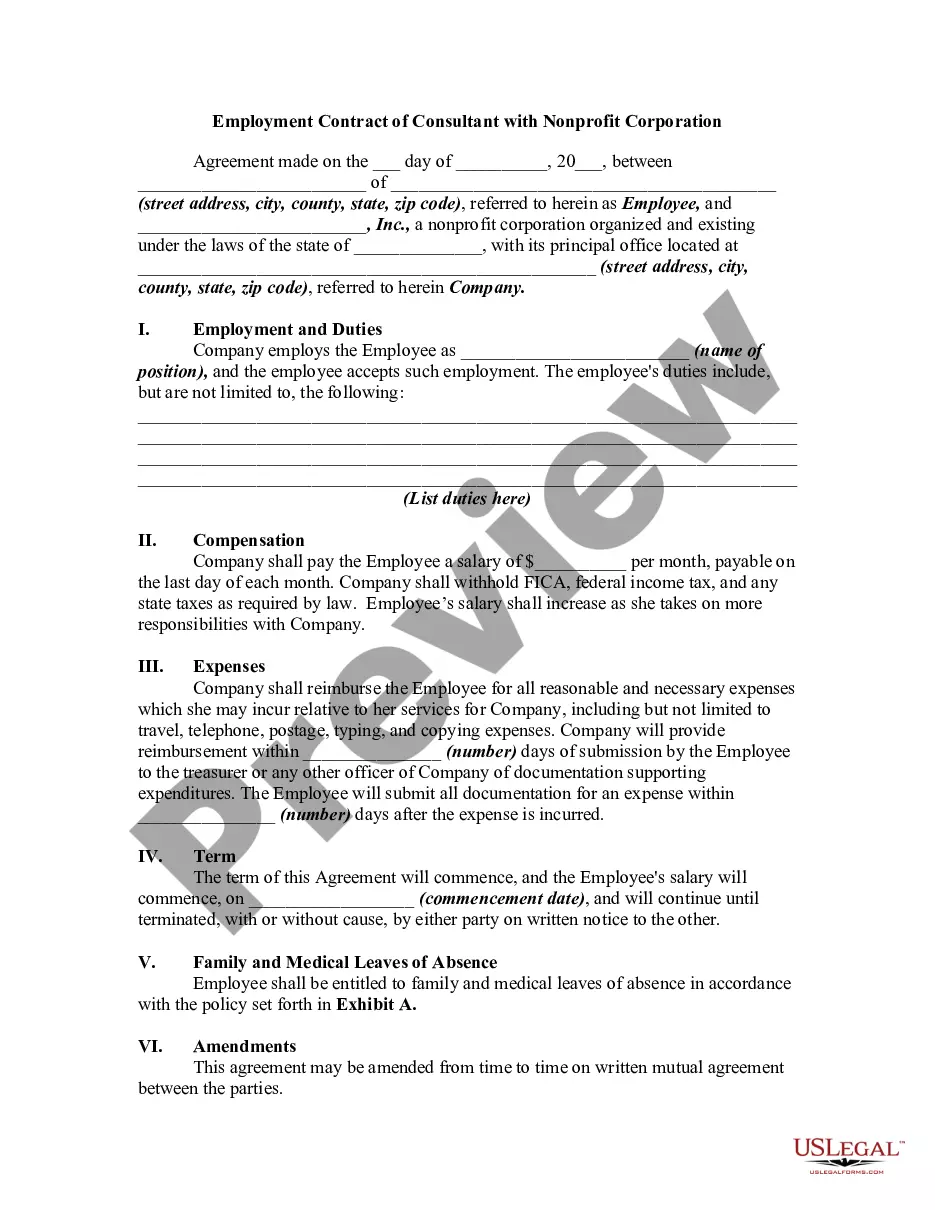
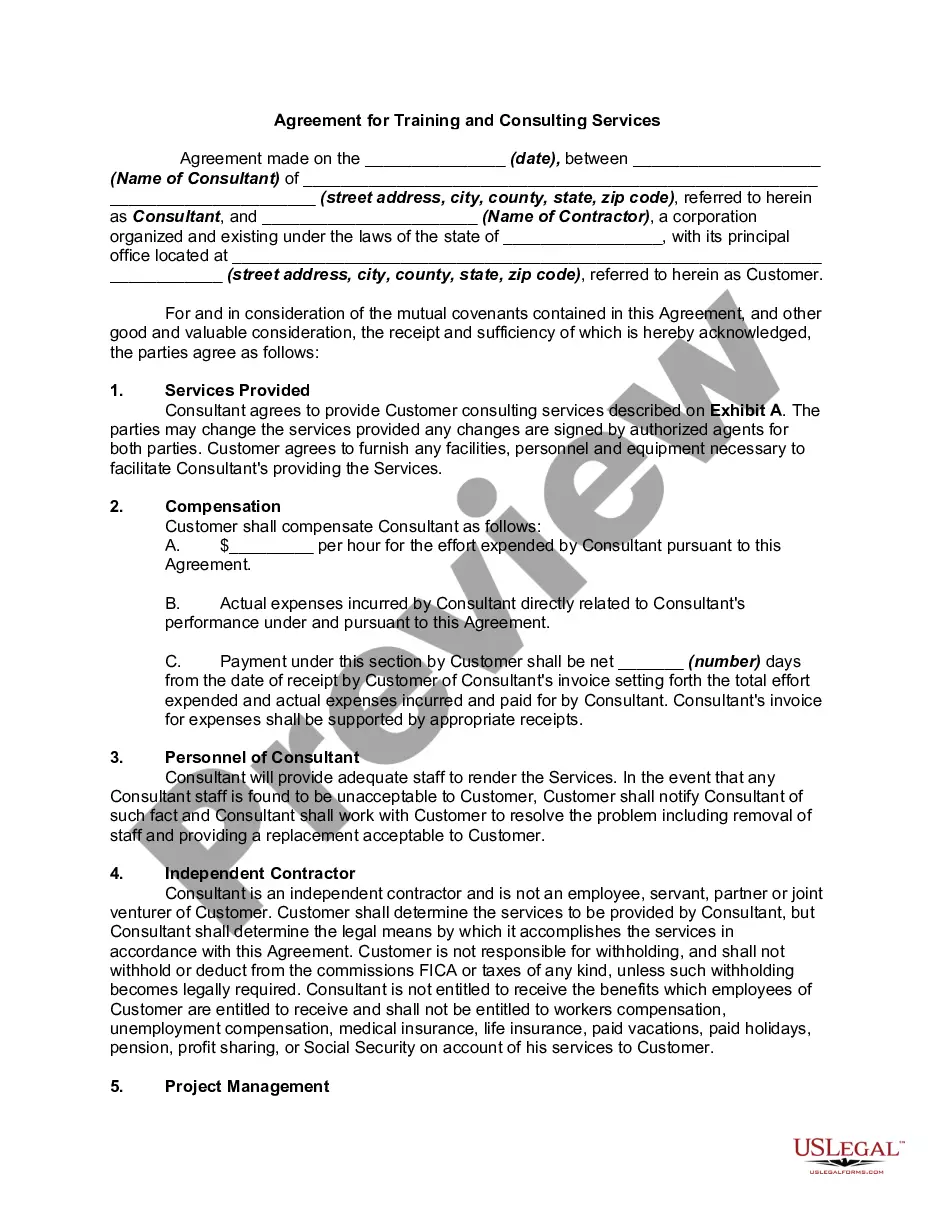
Consultant Work Contract For Taxes In Houston
Description

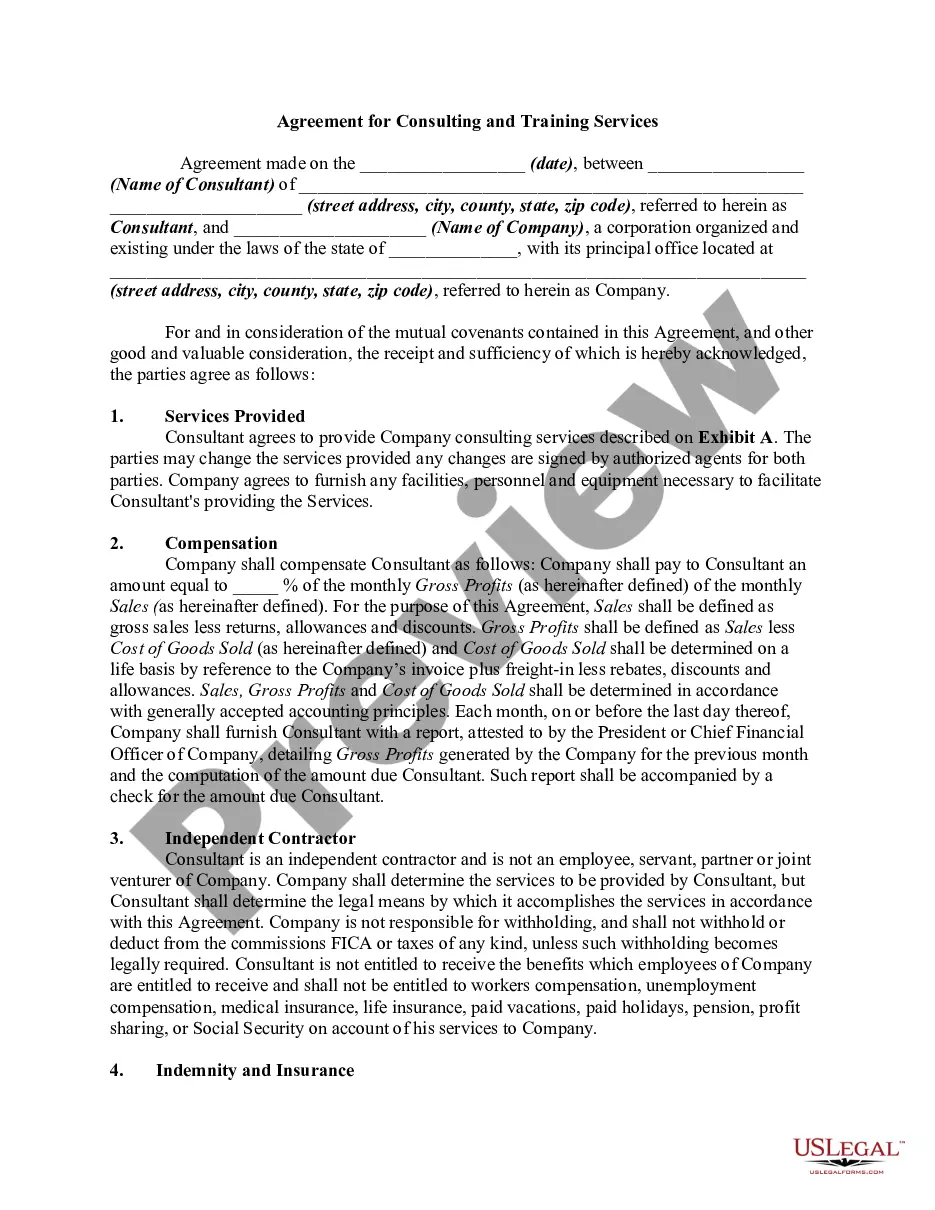
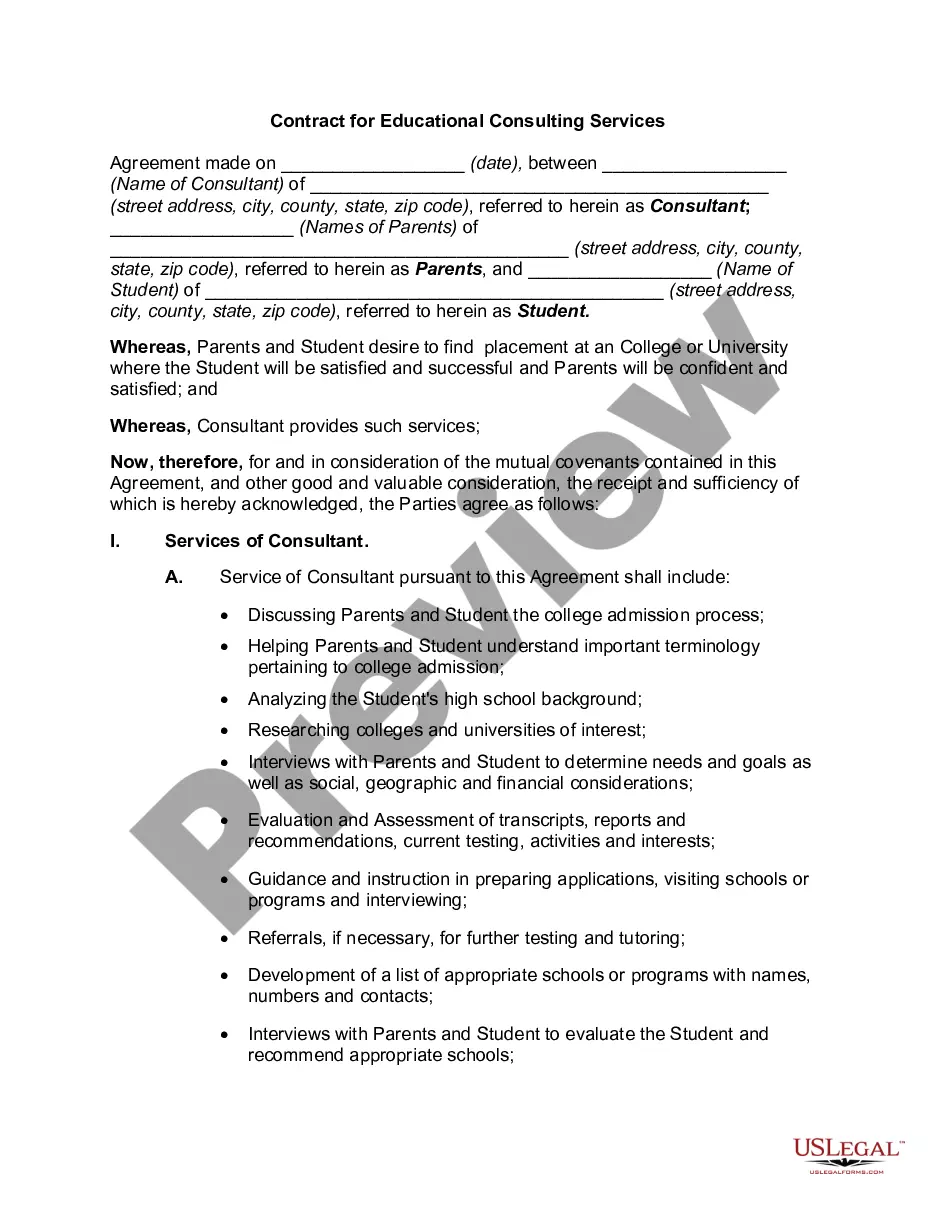
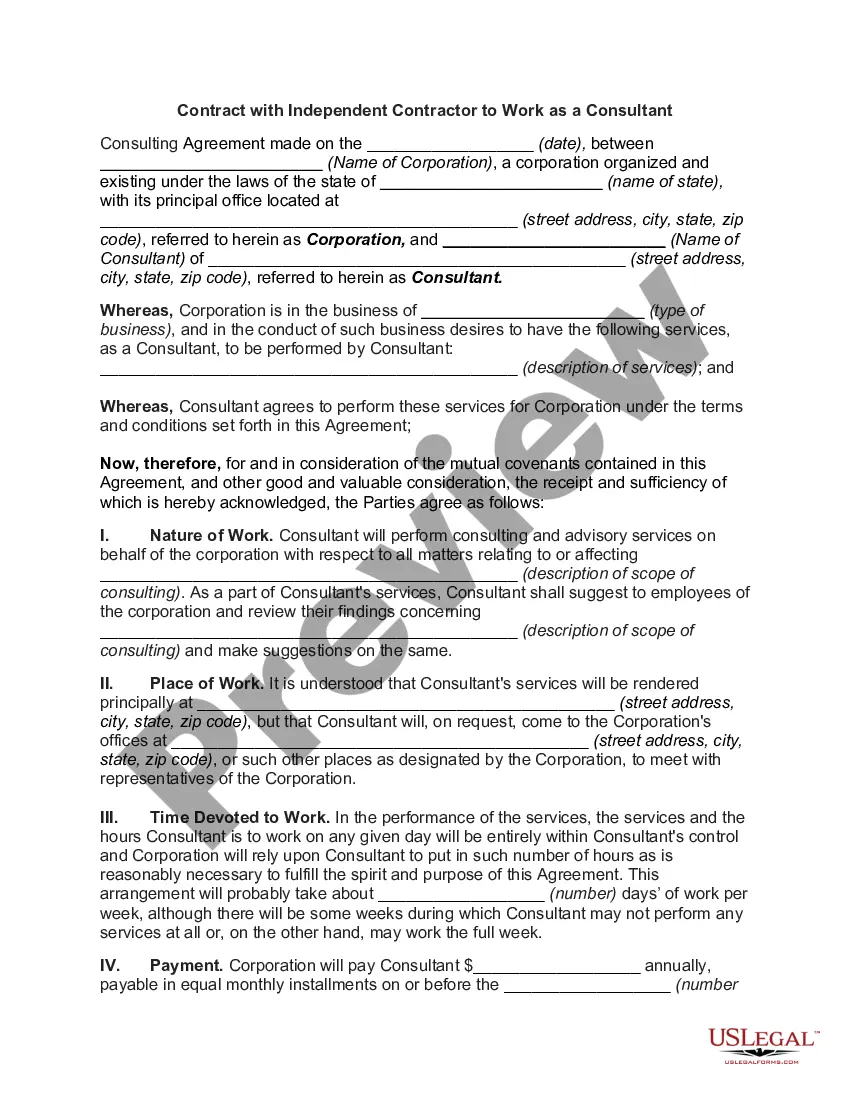
Get your form ready online
Our built-in tools help you complete, sign, share, and store your documents in one place.
Make edits, fill in missing information, and update formatting in US Legal Forms—just like you would in MS Word.
Download a copy, print it, send it by email, or mail it via USPS—whatever works best for your next step.
Sign and collect signatures with our SignNow integration. Send to multiple recipients, set reminders, and more. Go Premium to unlock E-Sign.
If this form requires notarization, complete it online through a secure video call—no need to meet a notary in person or wait for an appointment.
We protect your documents and personal data by following strict security and privacy standards.

Make edits, fill in missing information, and update formatting in US Legal Forms—just like you would in MS Word.

Download a copy, print it, send it by email, or mail it via USPS—whatever works best for your next step.

Sign and collect signatures with our SignNow integration. Send to multiple recipients, set reminders, and more. Go Premium to unlock E-Sign.

If this form requires notarization, complete it online through a secure video call—no need to meet a notary in person or wait for an appointment.

We protect your documents and personal data by following strict security and privacy standards.
Looking for another form?



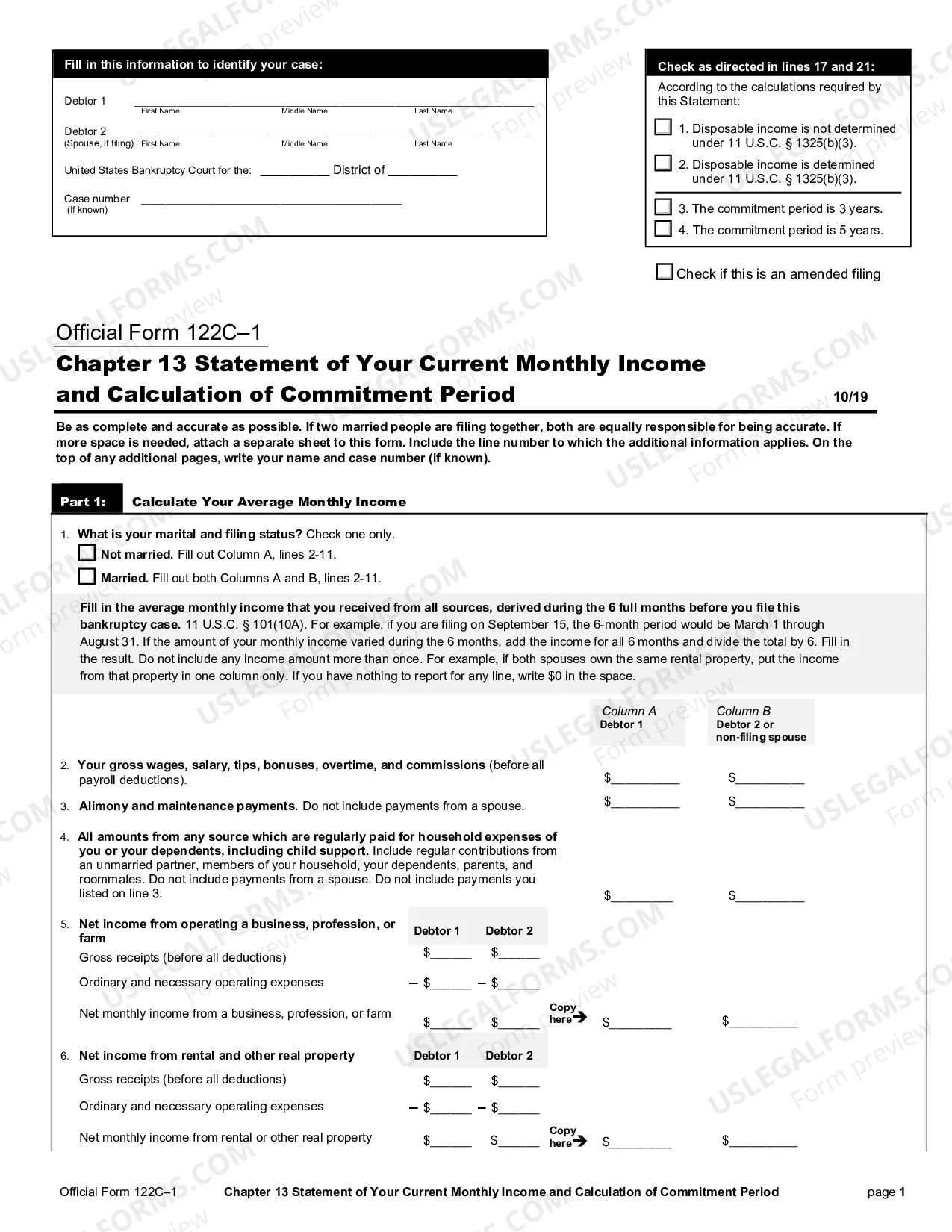






Form popularity
FAQ
Answer: Independent contractors generally report their income on Schedule C (Form 1040), Profit or Loss from Business (Sole Proprietorship). Also file Schedule SE (Form 1040), Self-Employment Tax if your net earnings from self-employment are $400 or more.
Independent contractors generally report their income on Schedule C (Form 1040), Profit or Loss from Business (Sole Proprietorship). Also file Schedule SE (Form 1040), Self-Employment Tax if your net earnings from self-employment are $400 or more.
When you work as a consultant, you are considered a self-employed individual for income reporting purposes. If you earn more than $600 in a year, the client has to provide you with a Form 1099-MISC, the IRS is also provided a copy.
Generally, the amount you may need to set aside could range from 20% to 35% of your 1099 income, less any deductions that you're eligible to claim. Examples of expenses you might be able to deduct as a 1099 worker include: Office supplies.
At the end of the year, independent consultants must file an annual federal income tax return using Form 1040. Along with the standard 1040 form, independent consultants will file additional forms, including: Schedule C (Profit or Loss from Business): This form reports your business income and expenses.
Contractor services performed on residential real property are not usually subject to sales tax. The Texas Administrative Code Section 3.291(a)(12) defines residential real property to include the following: Family dwellings.
Consultants who opt for the presumptive scheme of taxation must file their Income Tax Return (ITR) using ITR-4. Consultants other than those who opt for presumptive scheme of taxation must file their ITR using ITR-3.
Workers who use their own materials and tools, control meaningful aspects of the working relationship, complete tasks relatively quickly, are highly skilled, and control how they perform their job can usually be classified as independent contractors.
The amount you should consider saving for 1099 taxes depends on your income from self-employment and which tax bracket you expect to be in when you file your annual return. Generally, the amount you may need to set aside could range from 20% to 35% of your 1099 income, less any deductions that you're eligible to claim.