Training Contract With Cps In Dallas
Description

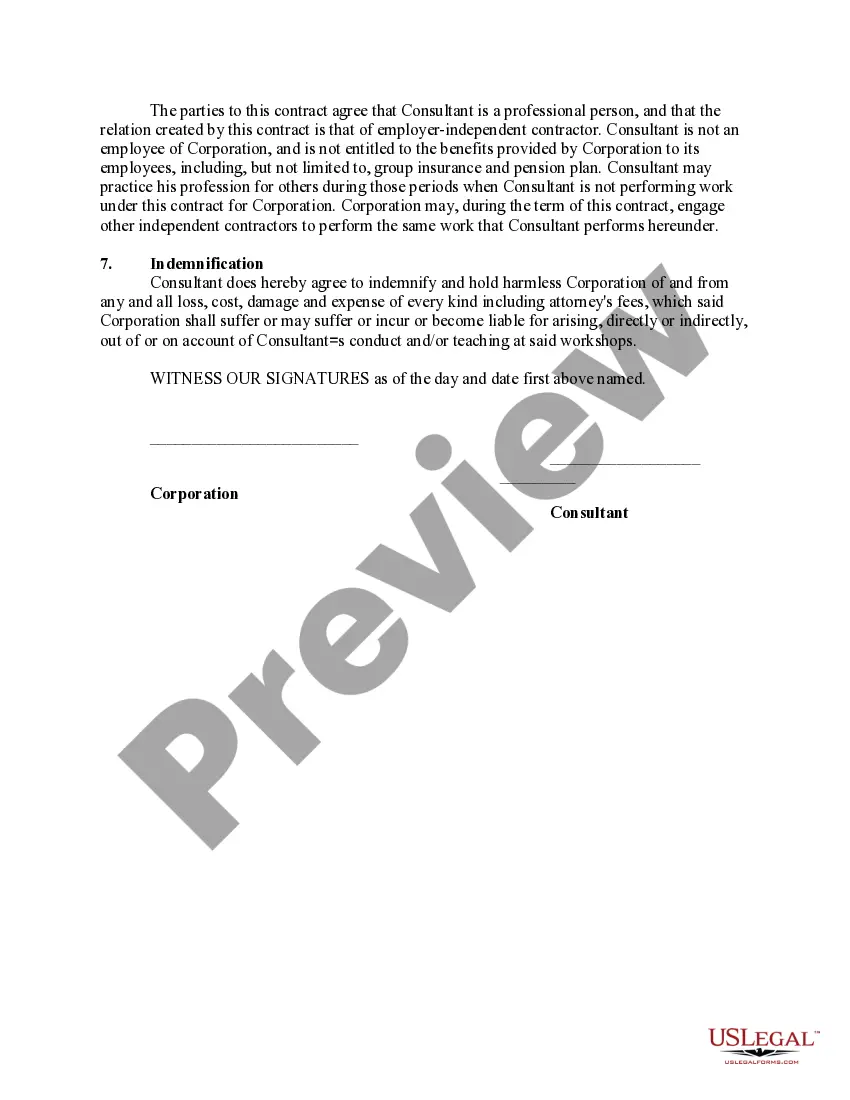
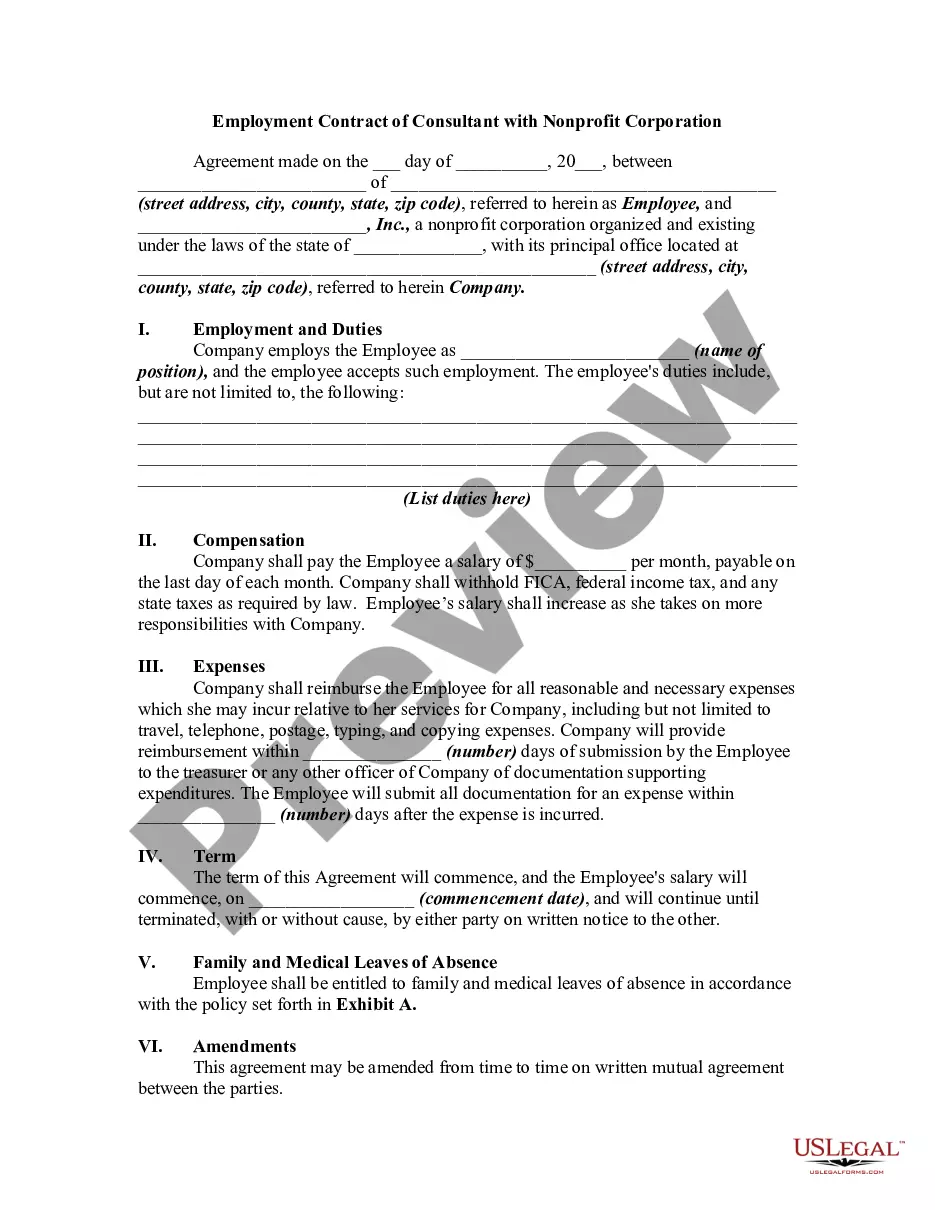
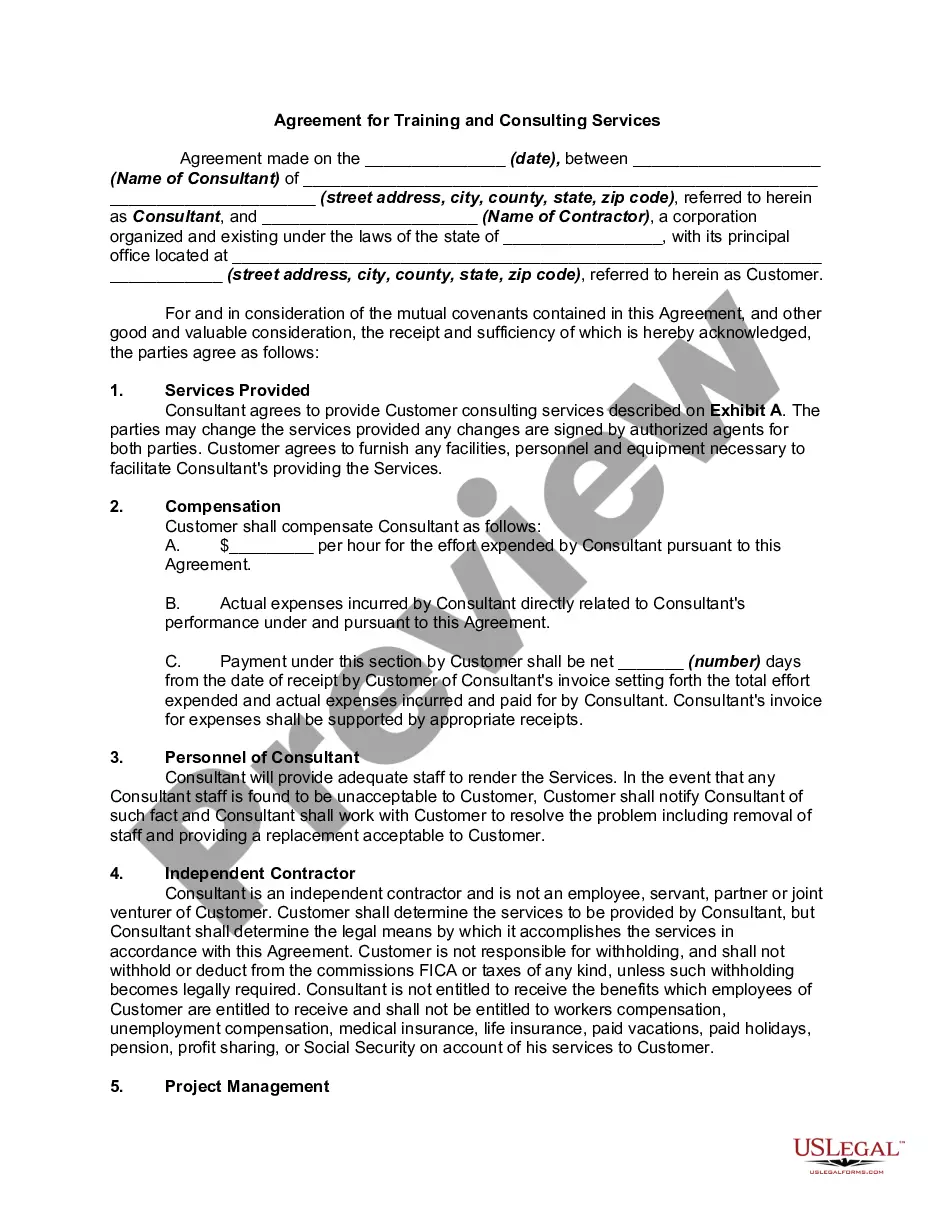
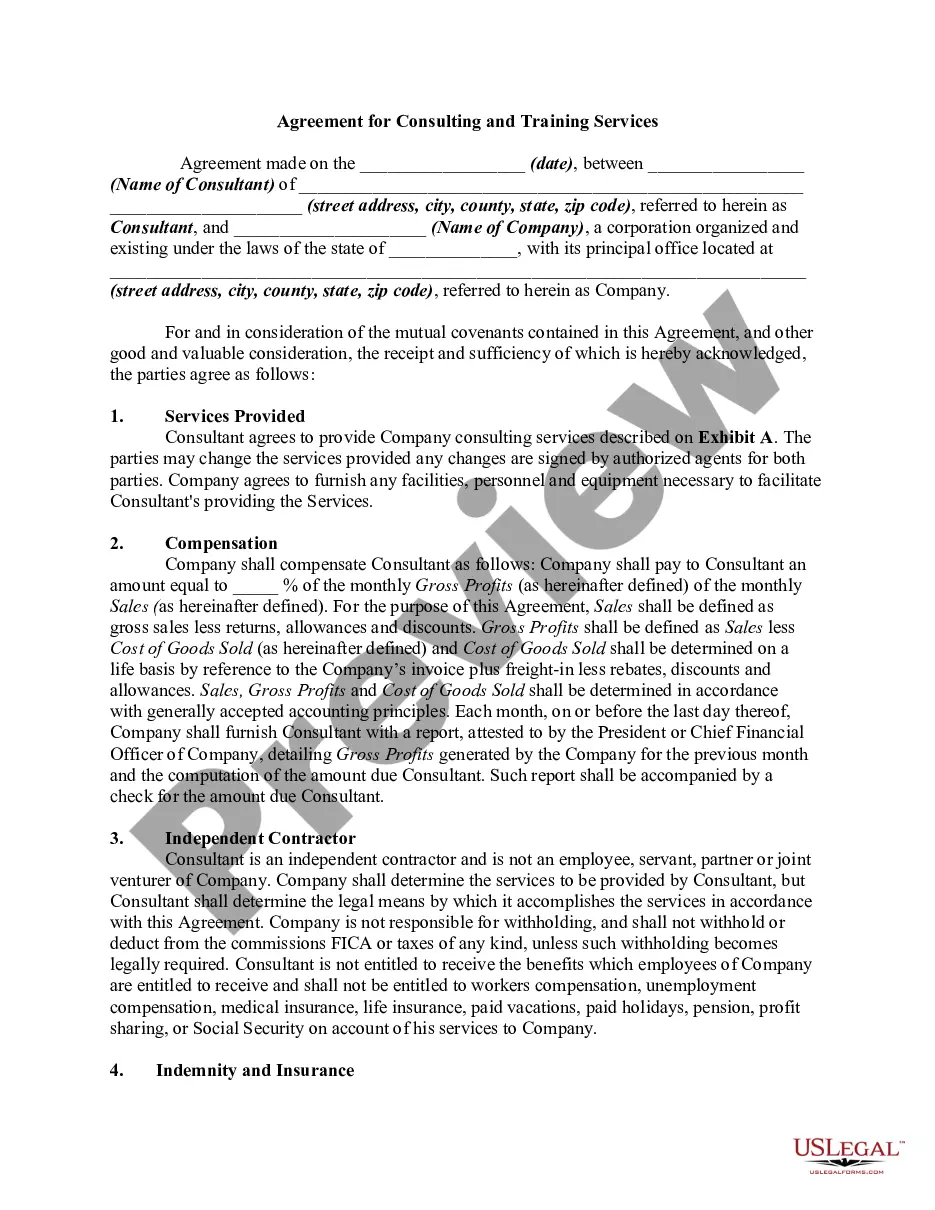
Get your form ready online
Our built-in tools help you complete, sign, share, and store your documents in one place.
Make edits, fill in missing information, and update formatting in US Legal Forms—just like you would in MS Word.
Download a copy, print it, send it by email, or mail it via USPS—whatever works best for your next step.
Sign and collect signatures with our SignNow integration. Send to multiple recipients, set reminders, and more. Go Premium to unlock E-Sign.
If this form requires notarization, complete it online through a secure video call—no need to meet a notary in person or wait for an appointment.
We protect your documents and personal data by following strict security and privacy standards.

Make edits, fill in missing information, and update formatting in US Legal Forms—just like you would in MS Word.

Download a copy, print it, send it by email, or mail it via USPS—whatever works best for your next step.

Sign and collect signatures with our SignNow integration. Send to multiple recipients, set reminders, and more. Go Premium to unlock E-Sign.

If this form requires notarization, complete it online through a secure video call—no need to meet a notary in person or wait for an appointment.

We protect your documents and personal data by following strict security and privacy standards.
Looking for another form?










Form popularity
FAQ
Texas Department of Family and Protective Services (DFPS)
Entry level CPI Investigators can have: A Bachelor's degree OR an Associates degree plus two (2) years of relevant work experience. 60 college credit hours plus two (2) years relevant work experience OR 90 college credit hours plus one (1) year of relevant work experience.
Graduation from an accredited four-year college or university with major coursework in social work, counseling, early childhood education, psychology, criminal justice, elementary or secondary education, or a related field is generally preferred. Experience and education may be substituted for one another.
House Bill 567 Clarifies The Definition of Child Neglect Texas House Bill 567 became law on and goes into effect on September 1, 2021; it takes an important step in giving back some parental rights in CPS cases by clarifying the definition of child neglect.
CPS cannot enter your home without your permission or a court order, unless they believe the child is in immediate danger (Texas Family Code §261.303). If a caseworker asks to enter your home, you have the right to refuse. However, if CPS obtains a court order, you must allow them to enter.
CPS will conduct interviews with various individuals, including you, your ex-partner, and other family members, to gather information about the allegations. Although you have the right to refuse, cooperating with these interviews can be beneficial for both you and your children.
