Consultant Work Contract For 1099 In Cuyahoga
Description

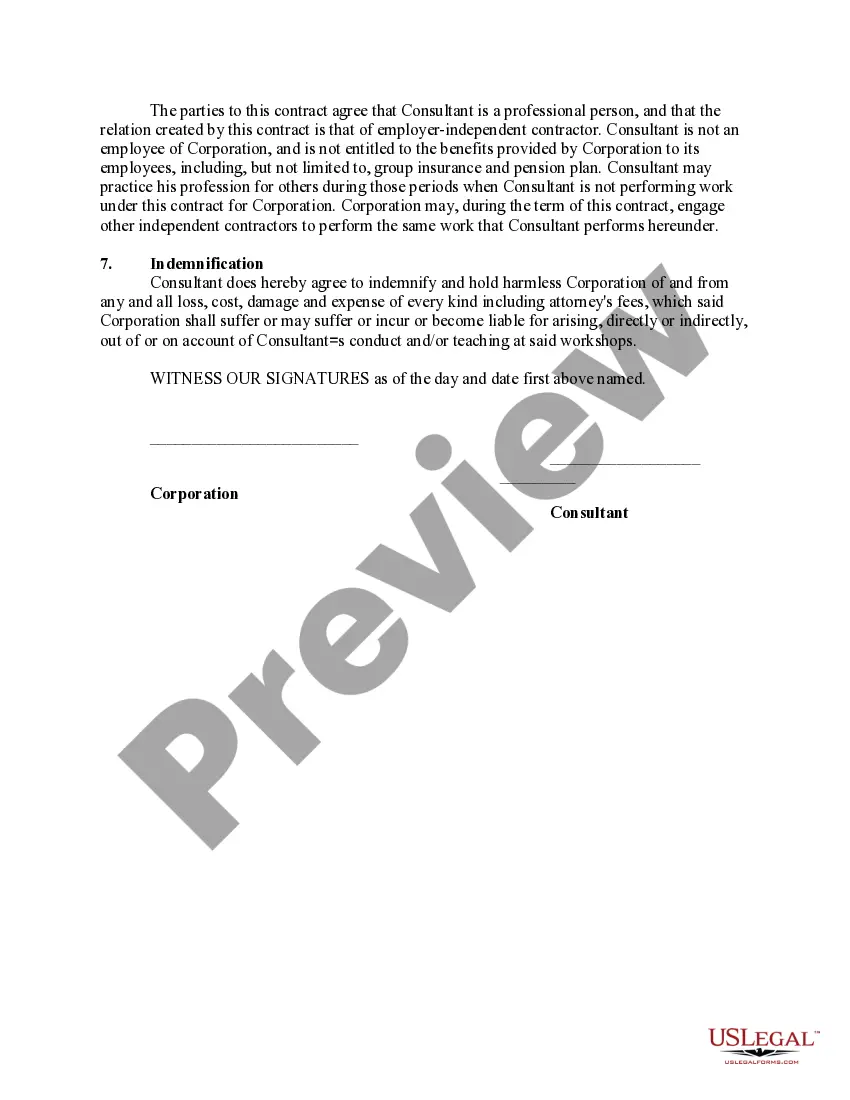
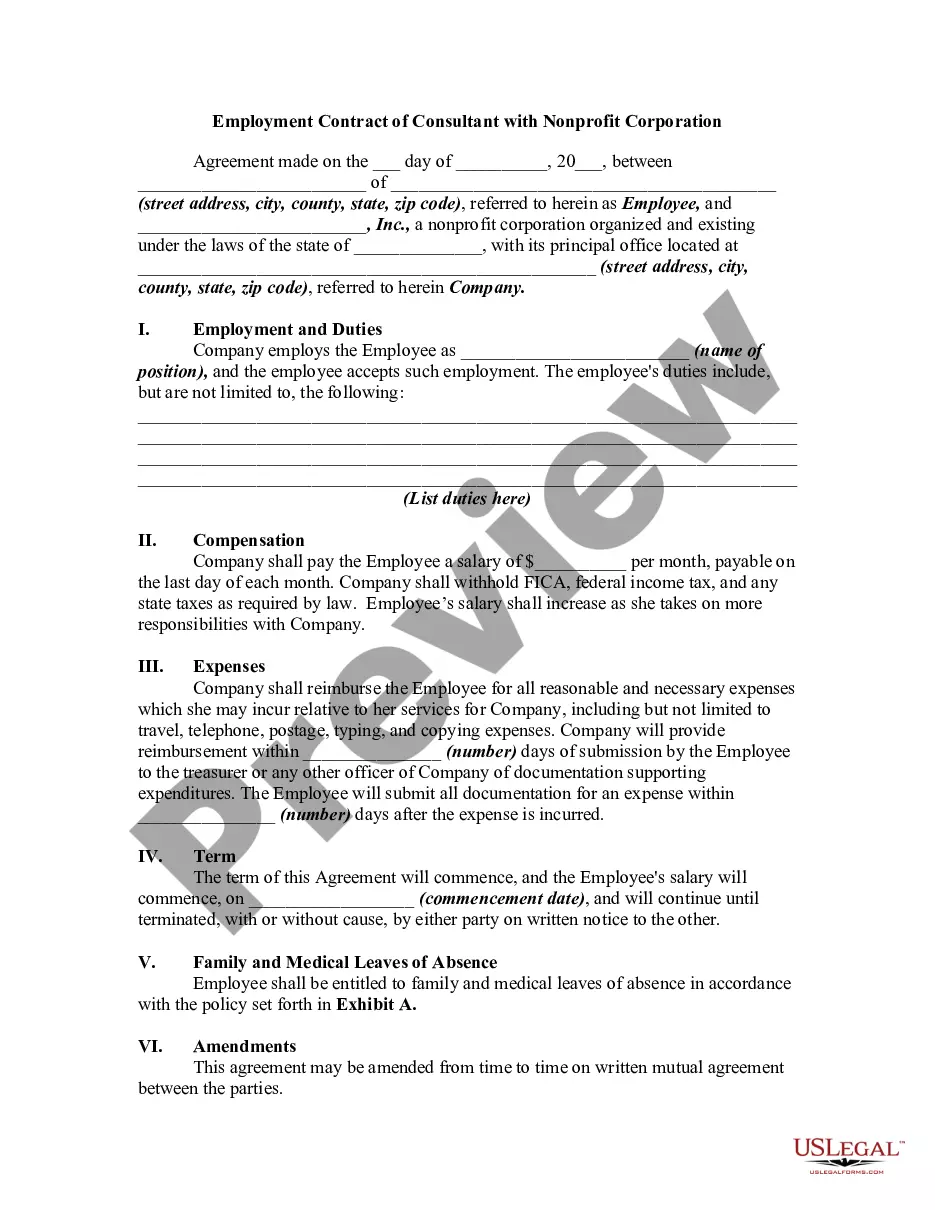
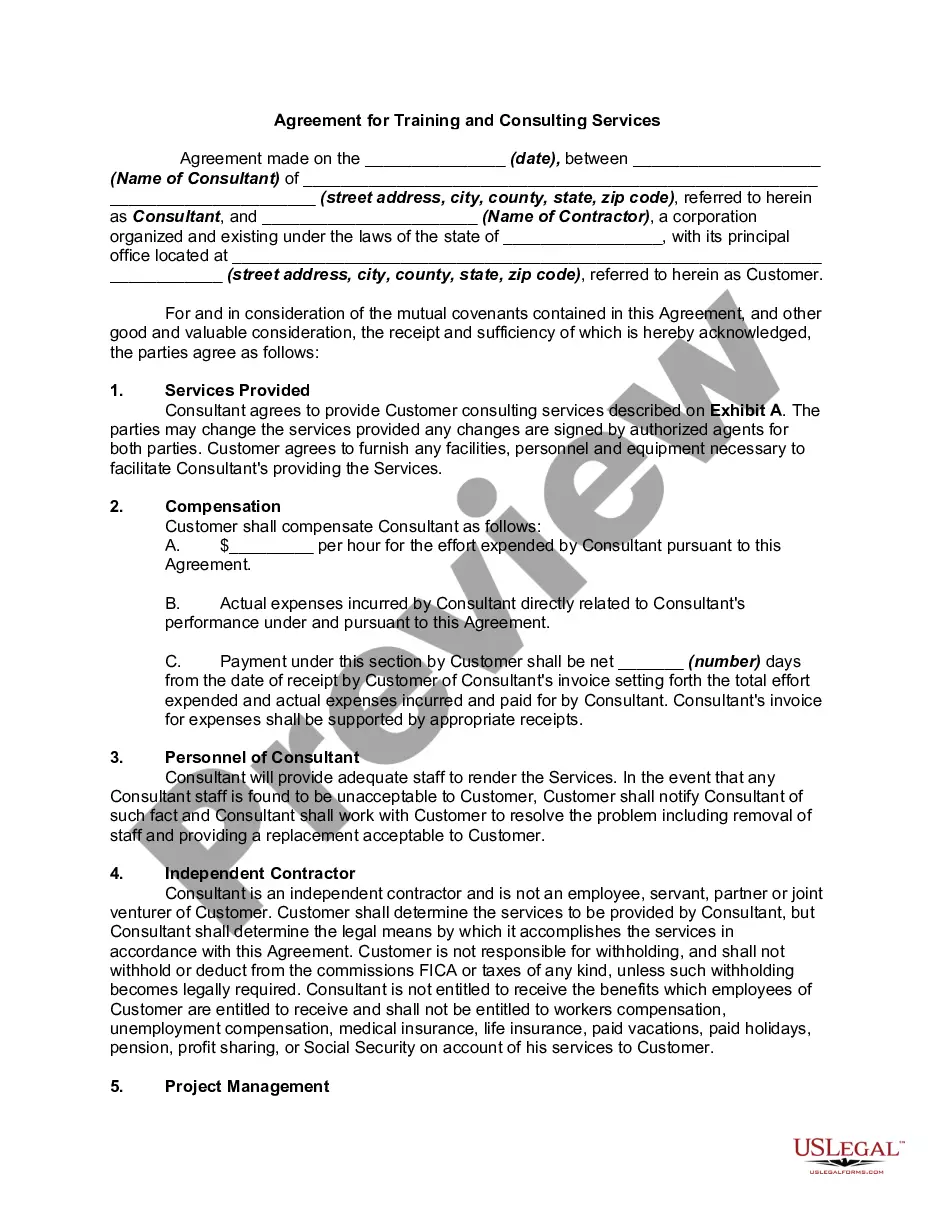
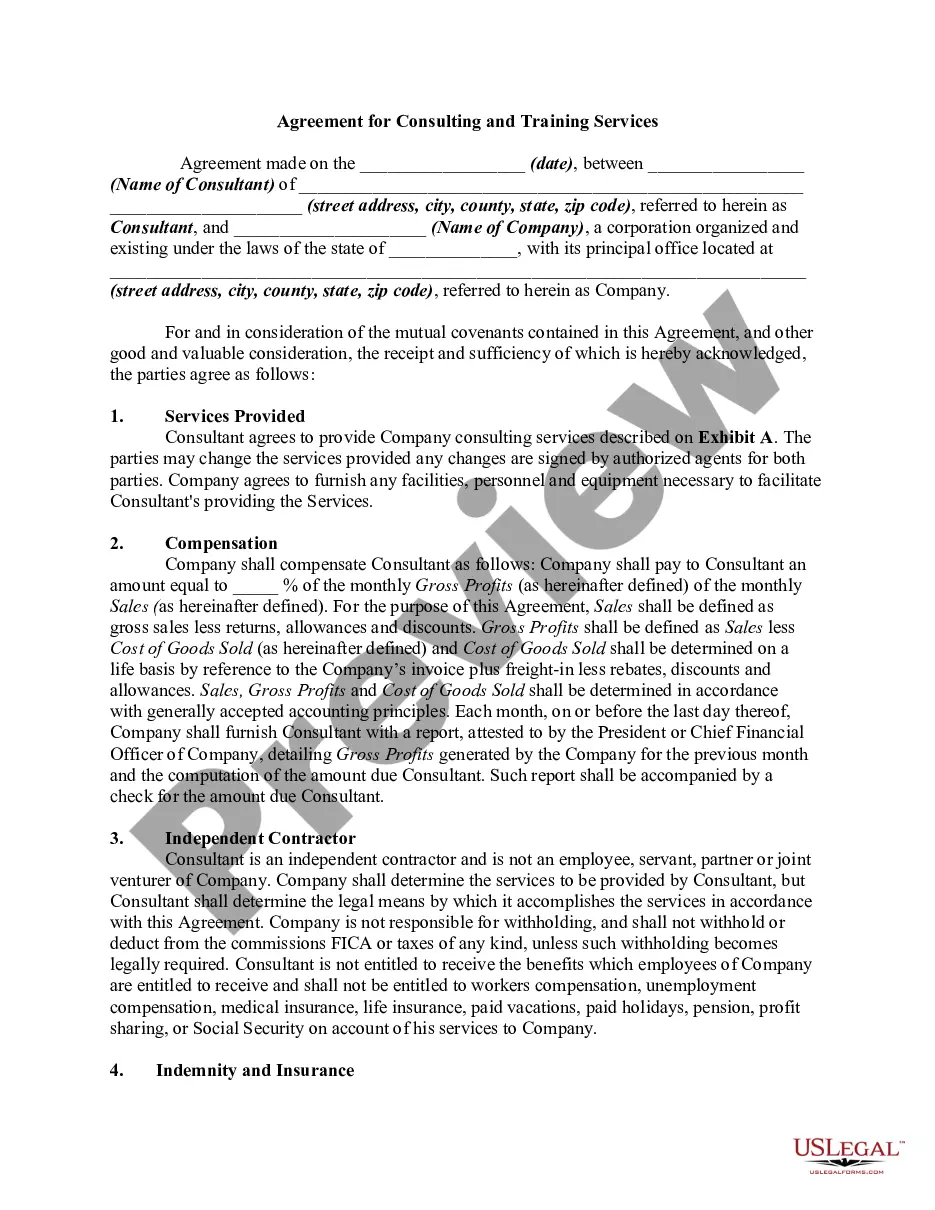
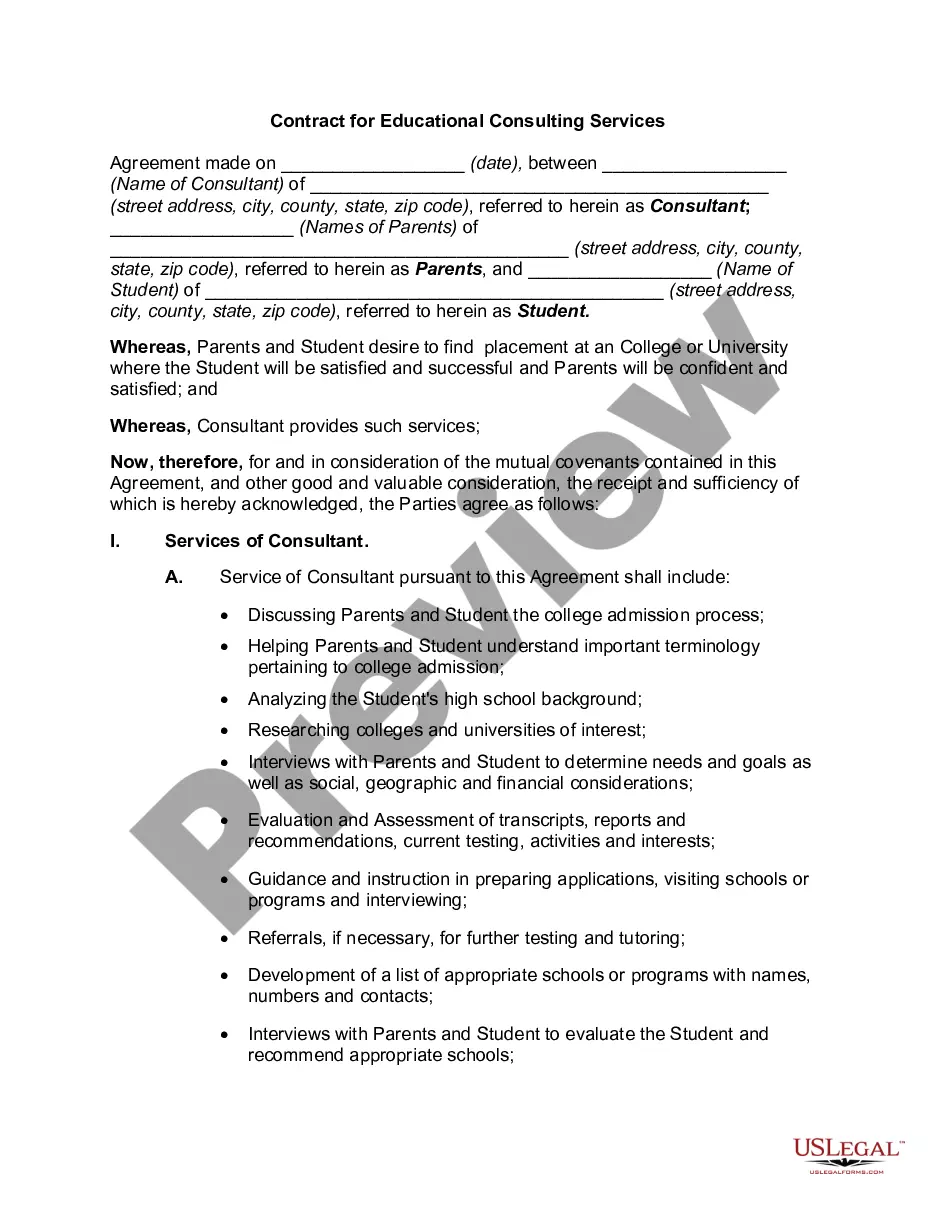
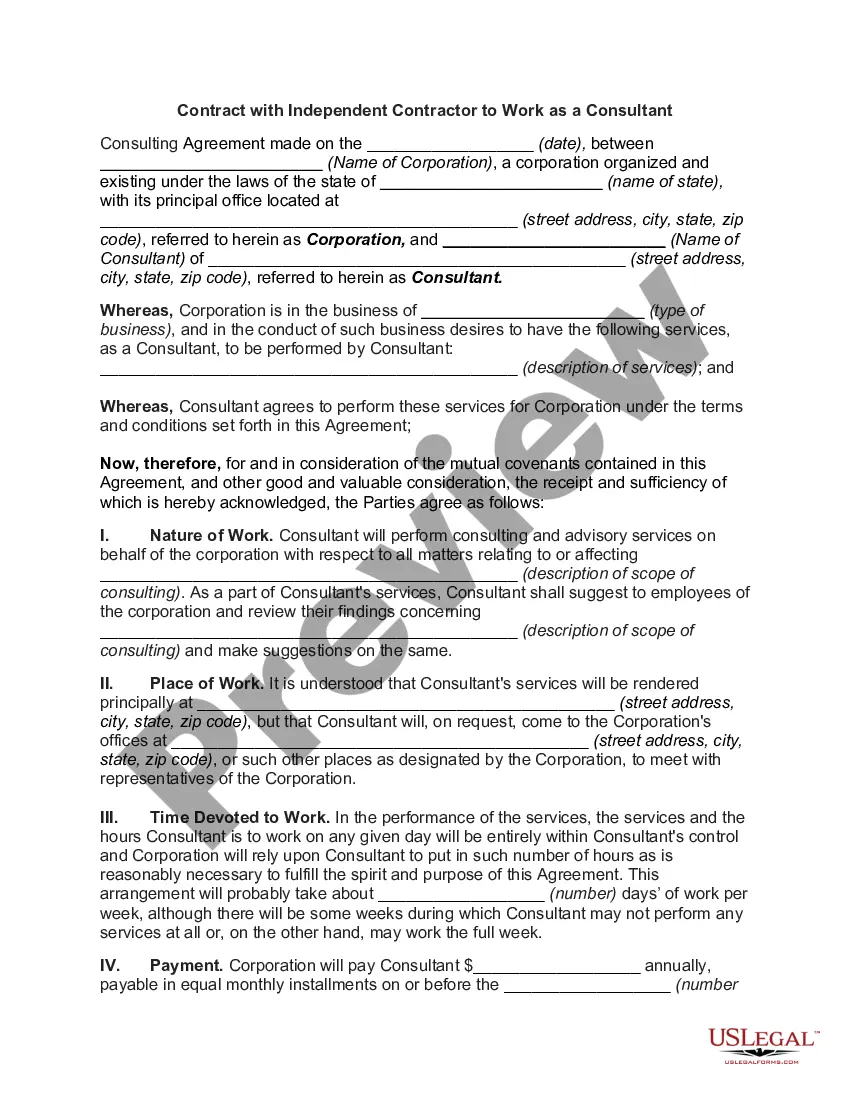
Get your form ready online
Our built-in tools help you complete, sign, share, and store your documents in one place.
Make edits, fill in missing information, and update formatting in US Legal Forms—just like you would in MS Word.
Download a copy, print it, send it by email, or mail it via USPS—whatever works best for your next step.
Sign and collect signatures with our SignNow integration. Send to multiple recipients, set reminders, and more. Go Premium to unlock E-Sign.
If this form requires notarization, complete it online through a secure video call—no need to meet a notary in person or wait for an appointment.
We protect your documents and personal data by following strict security and privacy standards.

Make edits, fill in missing information, and update formatting in US Legal Forms—just like you would in MS Word.

Download a copy, print it, send it by email, or mail it via USPS—whatever works best for your next step.

Sign and collect signatures with our SignNow integration. Send to multiple recipients, set reminders, and more. Go Premium to unlock E-Sign.

If this form requires notarization, complete it online through a secure video call—no need to meet a notary in person or wait for an appointment.

We protect your documents and personal data by following strict security and privacy standards.
Looking for another form?









Form popularity
FAQ
US tax forms like the 1099 series must be reported as foreign income on the Canadian T1 form. The 1042-S form corresponds to the Canadian T4A slip, and the W2 form corresponds to the Canadian T4 slip.
1099 workers are responsible for invoicing you for their work, managing their own tax deductions and remittances, and purchasing their own insurance. In Canada, unincorporated independent contractors are known as sole proprietors.
Legally, workers' comp is not needed for 1099 employees. However, if the employee lacks coverage, you may be held liable in case of injury.
To determine whether an Ohio worker is an employee or an independent contractor, courts follow the Sixth Circuit Court of Appeals multifactor test, which considers: The permanency of the relationship between the parties. The degree of skill required for rendering the services.
People such as doctors, dentists, veterinarians, lawyers, accountants, contractors, subcontractors, public stenographers, or auctioneers who are in an independent trade, business, or profession in which they offer their services to the general public are generally independent contractors.
Employees have minimal bargaining power but are protected by various employment laws, such as minimum wage laws, workers' compensation, reasonable notice, and various tax laws. Independent Contractors are considered to be operators of their own business, providing a contract for service to an employer.
Types of Businesses That Do Not Have to Carry Workers' Comp Sole proprietors with no employees. Partnerships with no employees. Family farm corporate officers with no employees. Individuals incorporated as a business with no employees.
Ohio employers are either state-funded or self-insuring when it comes to workers' compensation coverage. The law makes coverage an elective for certain employers, like: Sole proprietors. Partnerships.
Use these steps to help you get your first consulting contract: Consider your areas of expertise. In order to book a contract, you need to know what areas you can train in. Target companies in your area. Meet with the owner. Prove your knowledge. Get the contract. Ask for a referral and testimonial.
