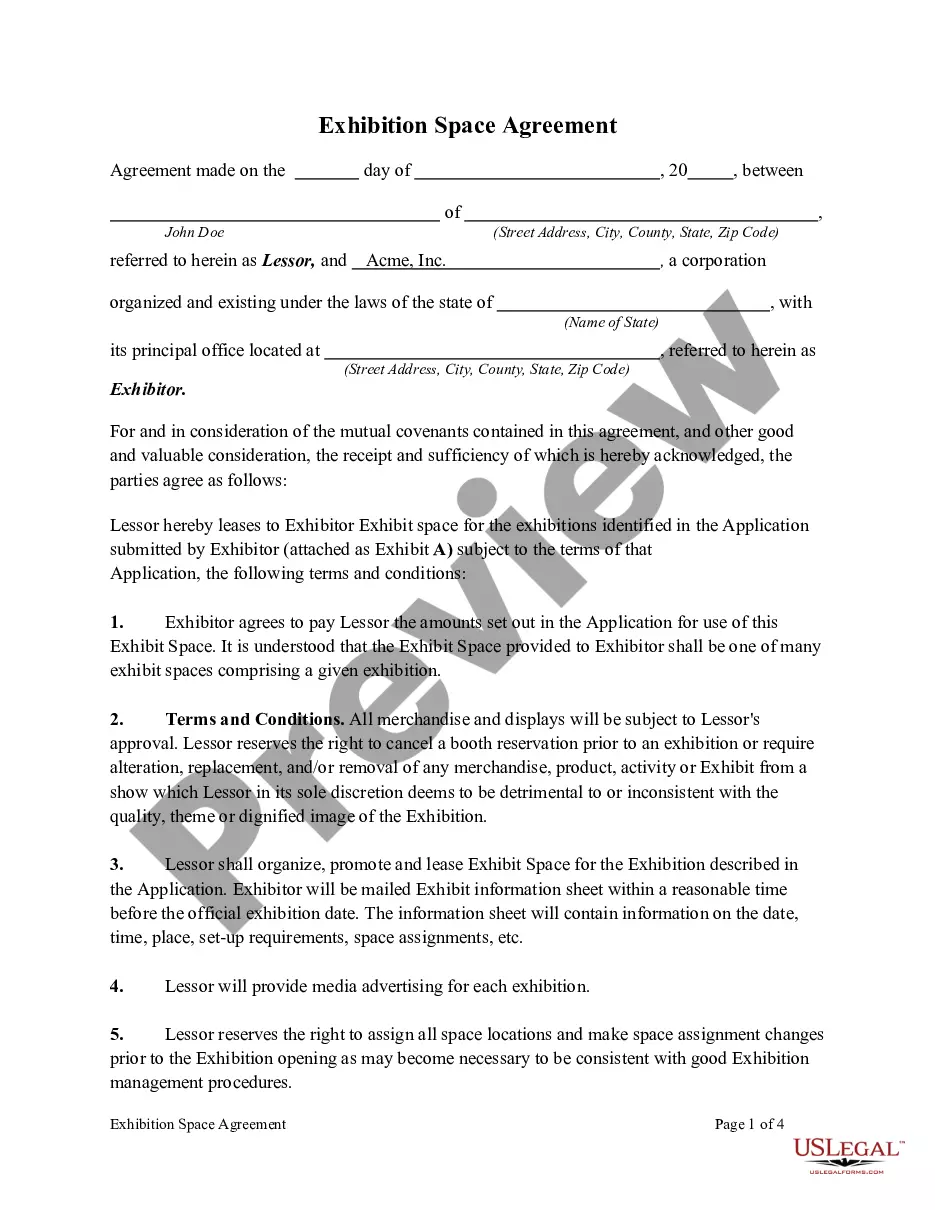
Contract For Training In Cook
Description

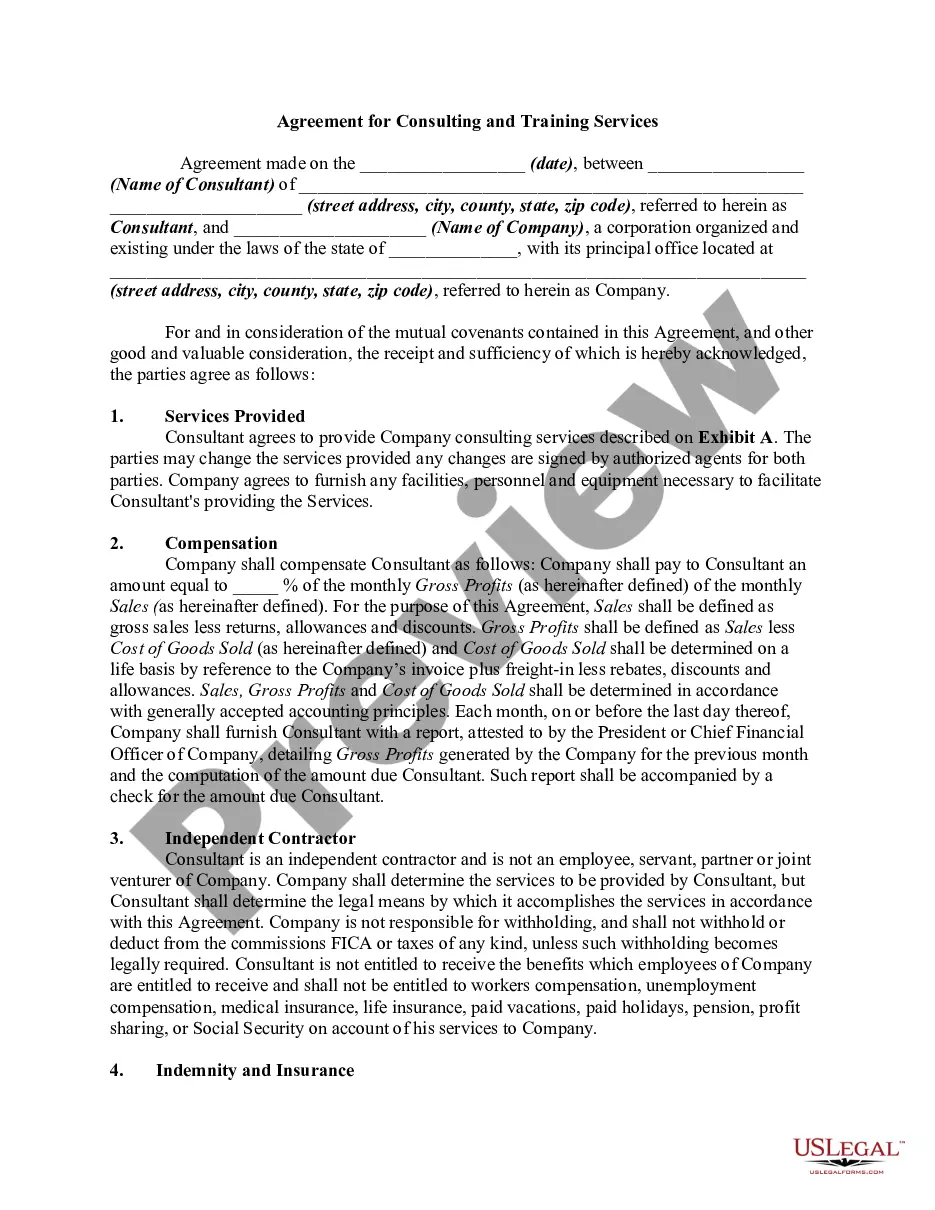
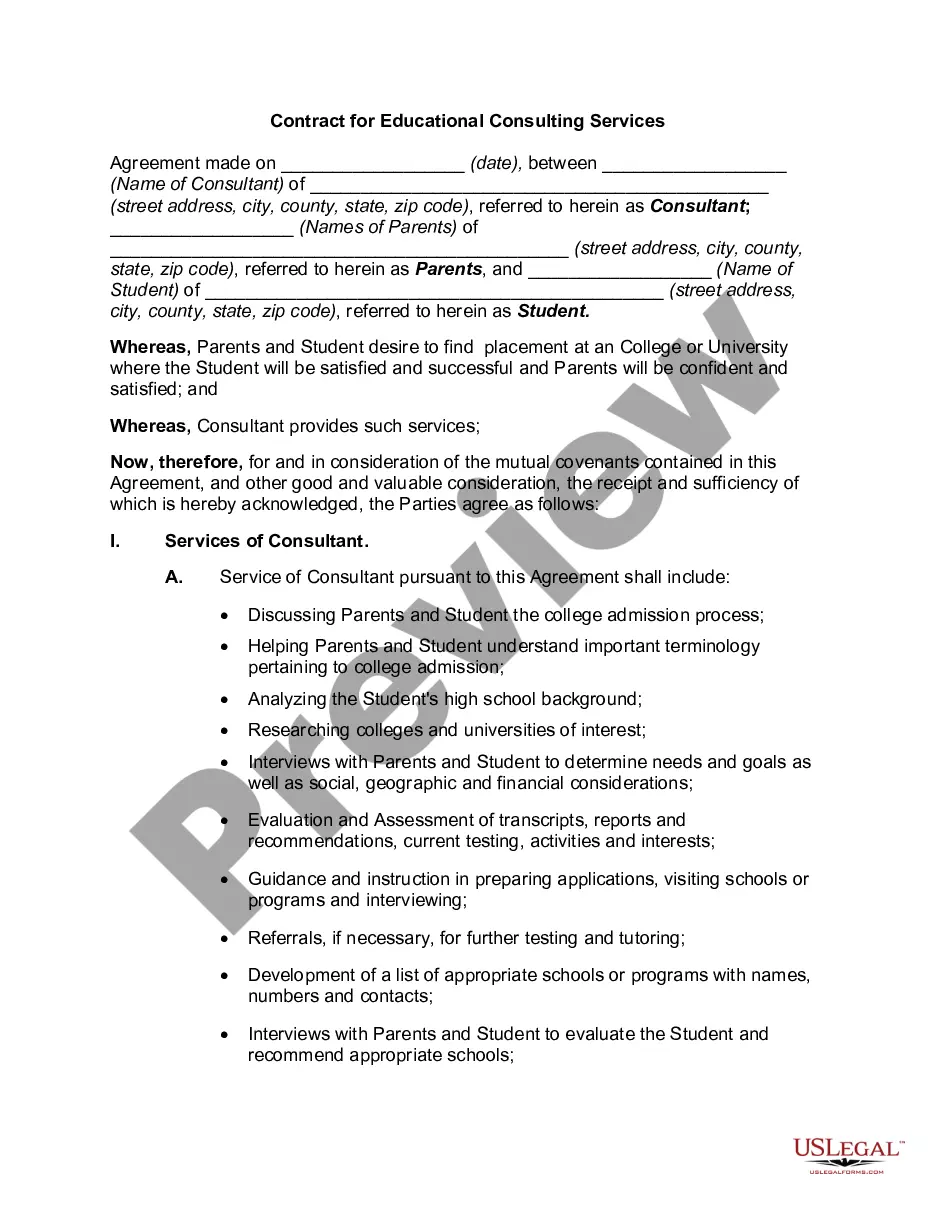
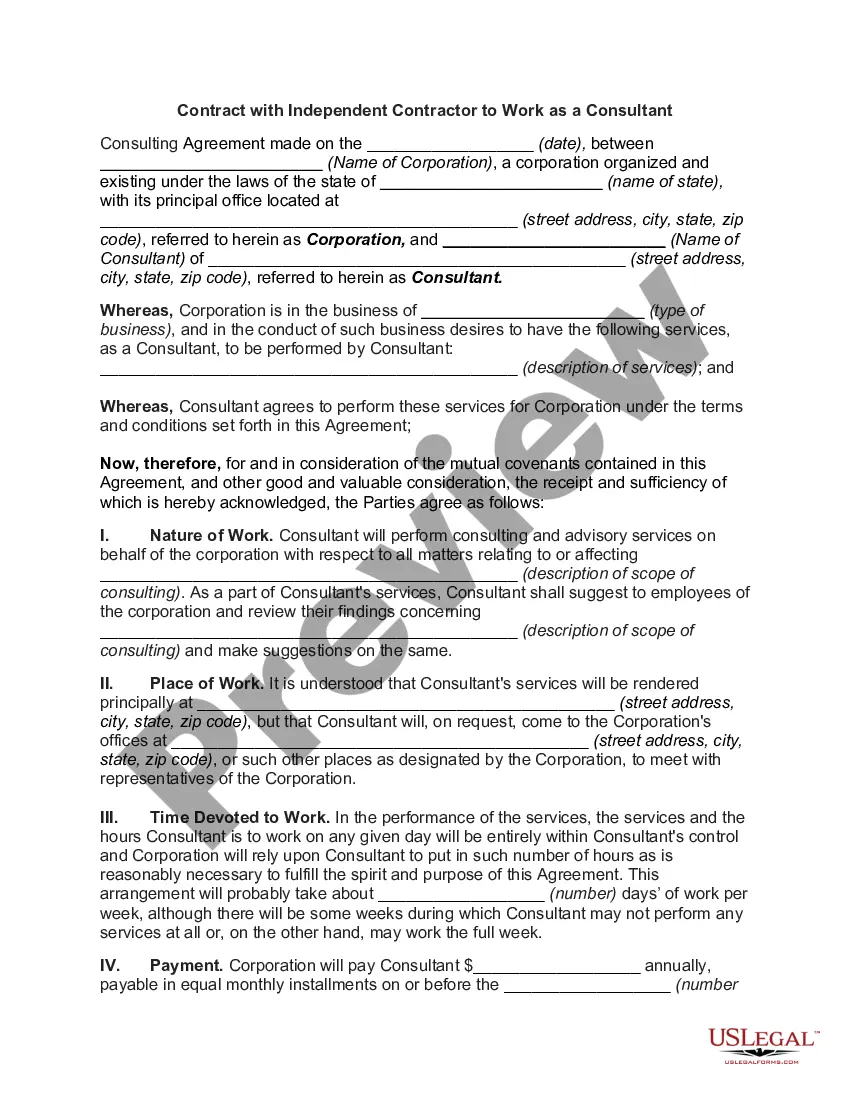
Get your form ready online
Our built-in tools help you complete, sign, share, and store your documents in one place.
Make edits, fill in missing information, and update formatting in US Legal Forms—just like you would in MS Word.
Download a copy, print it, send it by email, or mail it via USPS—whatever works best for your next step.
Sign and collect signatures with our SignNow integration. Send to multiple recipients, set reminders, and more. Go Premium to unlock E-Sign.
If this form requires notarization, complete it online through a secure video call—no need to meet a notary in person or wait for an appointment.
We protect your documents and personal data by following strict security and privacy standards.

Make edits, fill in missing information, and update formatting in US Legal Forms—just like you would in MS Word.

Download a copy, print it, send it by email, or mail it via USPS—whatever works best for your next step.

Sign and collect signatures with our SignNow integration. Send to multiple recipients, set reminders, and more. Go Premium to unlock E-Sign.

If this form requires notarization, complete it online through a secure video call—no need to meet a notary in person or wait for an appointment.

We protect your documents and personal data by following strict security and privacy standards.
Looking for another form?


Form popularity
FAQ
Step by step instructions on how to write your own employment contract Understand the role. Determine the contract type. Specify compensation. Include working hours. Detail leave entitlements. Add termination clauses. Confidentiality and non-compete. Review and legal check.
How to Write a Contract Letter The date. Be addressed to the person with whom you're entering the agreement. Basic details of the work to be completed. Any special instructions or stipulations. Information about whether another agreement will come after the letter. A place for both parties to sign.
How to write an agreement letter Title your document. Provide your personal information and the date. Include the recipient's information. Address the recipient and write your introductory paragraph. Write a detailed body. Conclude your letter with a paragraph, closing remarks, and a signature. Sign your letter.
Training agreements provide legal protection for employers. They can include clauses that allow employees to repay training expenses if they quit the company within a specific timeframe. This ensures the company can avoid the financial burden of training employees who end up leaving for other opportunities.
Write the contract in six steps Start with a contract template. Open with the basic information. Describe in detail what you have agreed to. Include a description of how the contract will be ended. Write into the contract which laws apply and how disputes will be resolved. Include space for signatures.
Yes. Similar to employees and interns, if an independent contractor works for an employer of 15 or more people and works (a) more than 80 hours in a calendar year AND (b) for at least 90 days (does not need to be consecutive), then the independent contractor must be trained.
Tips on How to Write a Contract Letter Make the Candidate Feel Valued. Cover the Specifics. Stipulate Important Conditions. Spell Out the At-will Employment Relationship. Don't Forget the Nice-to-Knows. Remember the Signature. Ask a Legal Team to Review.
or twoyear certificate program leading to a career as a cook or chef includes courses like safety, sanitation, food preparation, customer service, nutrition, and menu planning.
An agreement and a contract share the fundamental purpose of establishing mutual obligations between parties, yet they differ in their legal implications and formalities.
You shouldn't let this stop you from ensuring that your employees get relevant and up-to-date training. As an employer, you can implement a training agreement with your employee. This is a legally binding document that outlines the terms and conditions of the training you will be giving your team.