Commercial Lease Agreement With Option To Purchase In Wake
Description
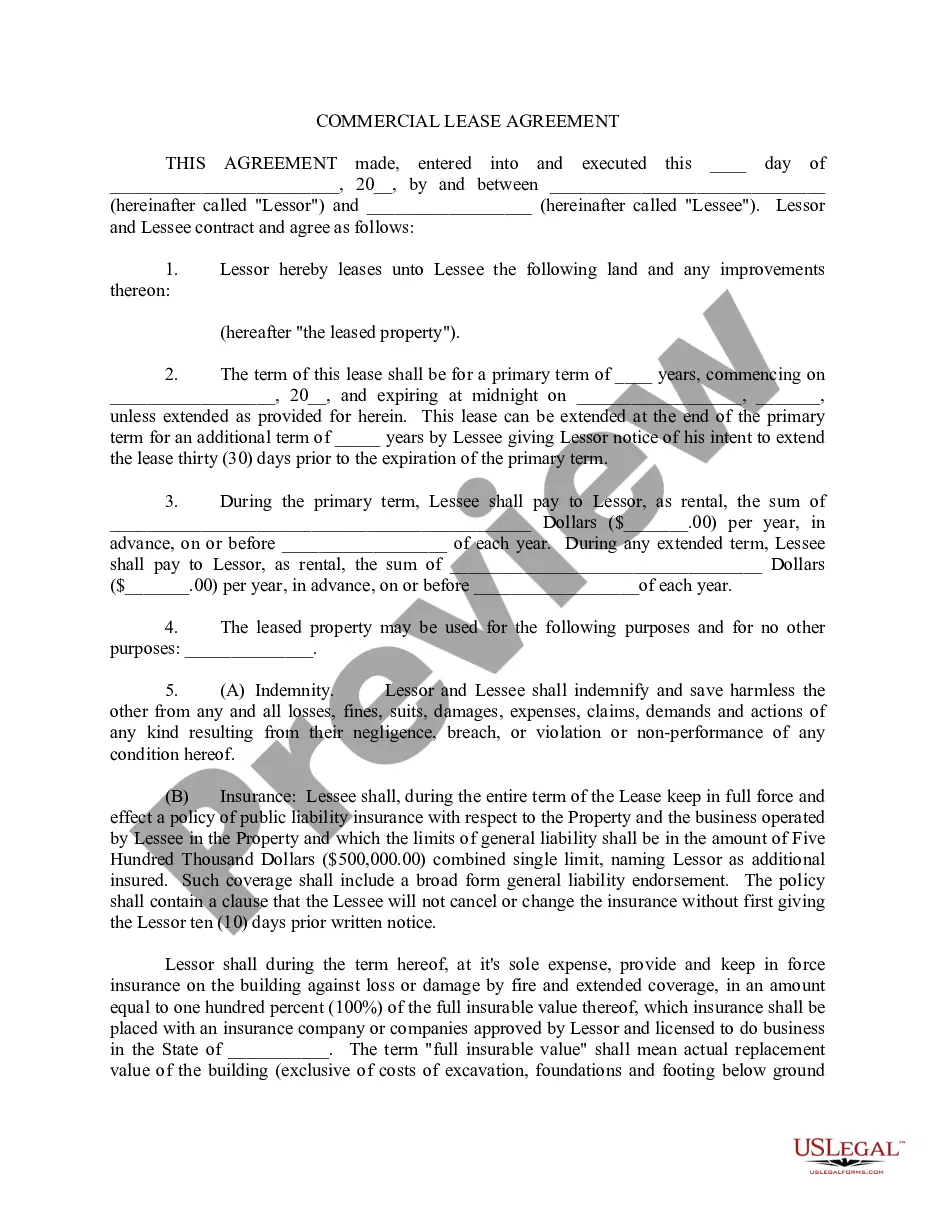
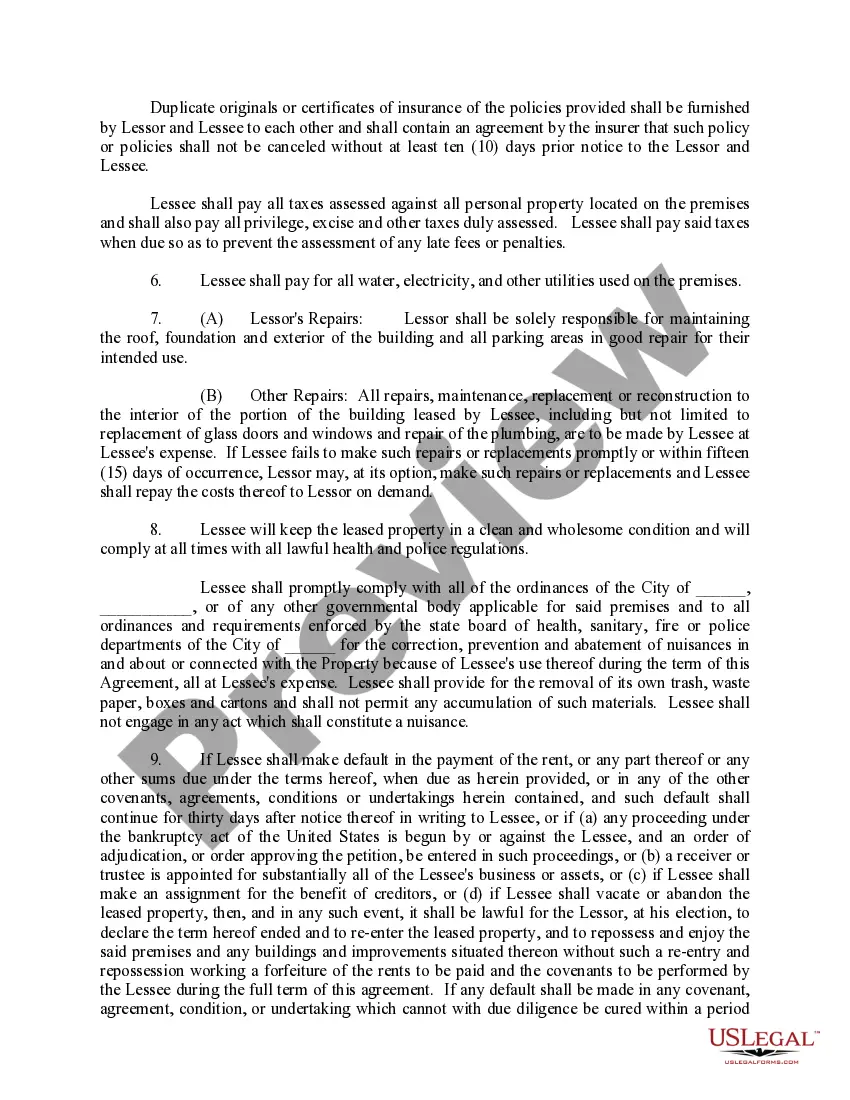
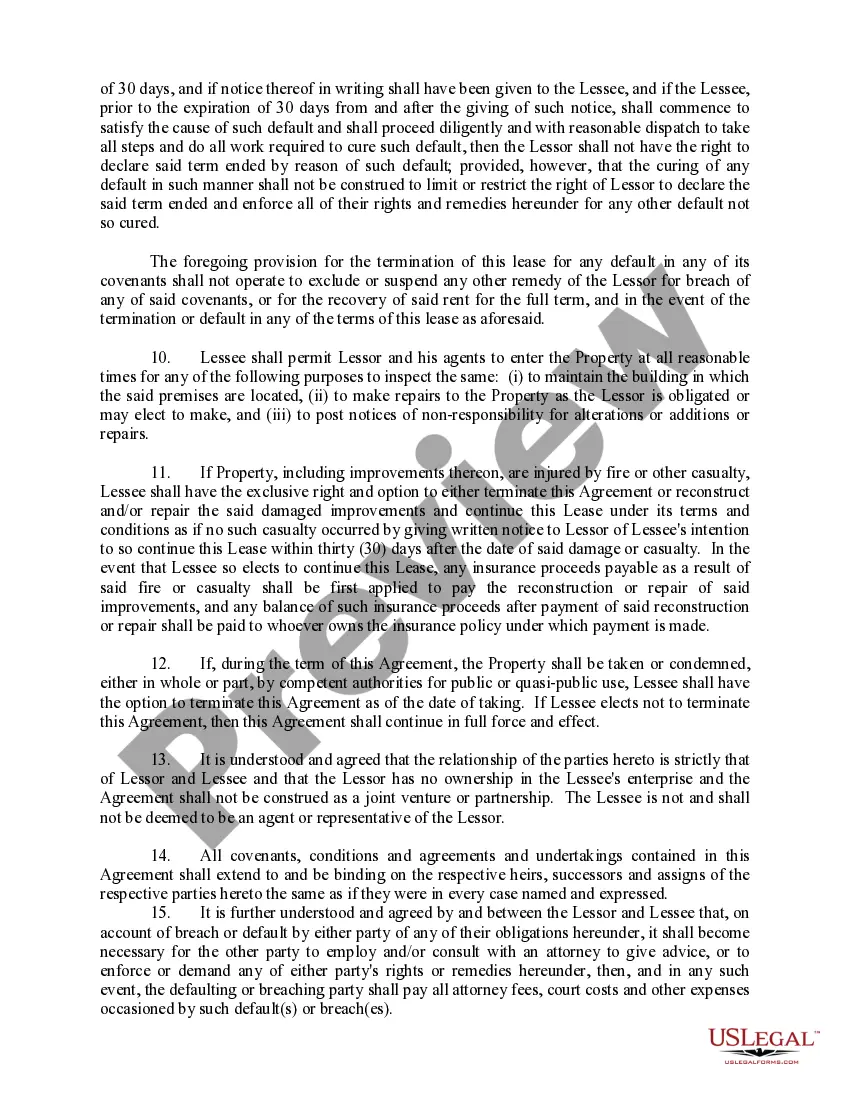
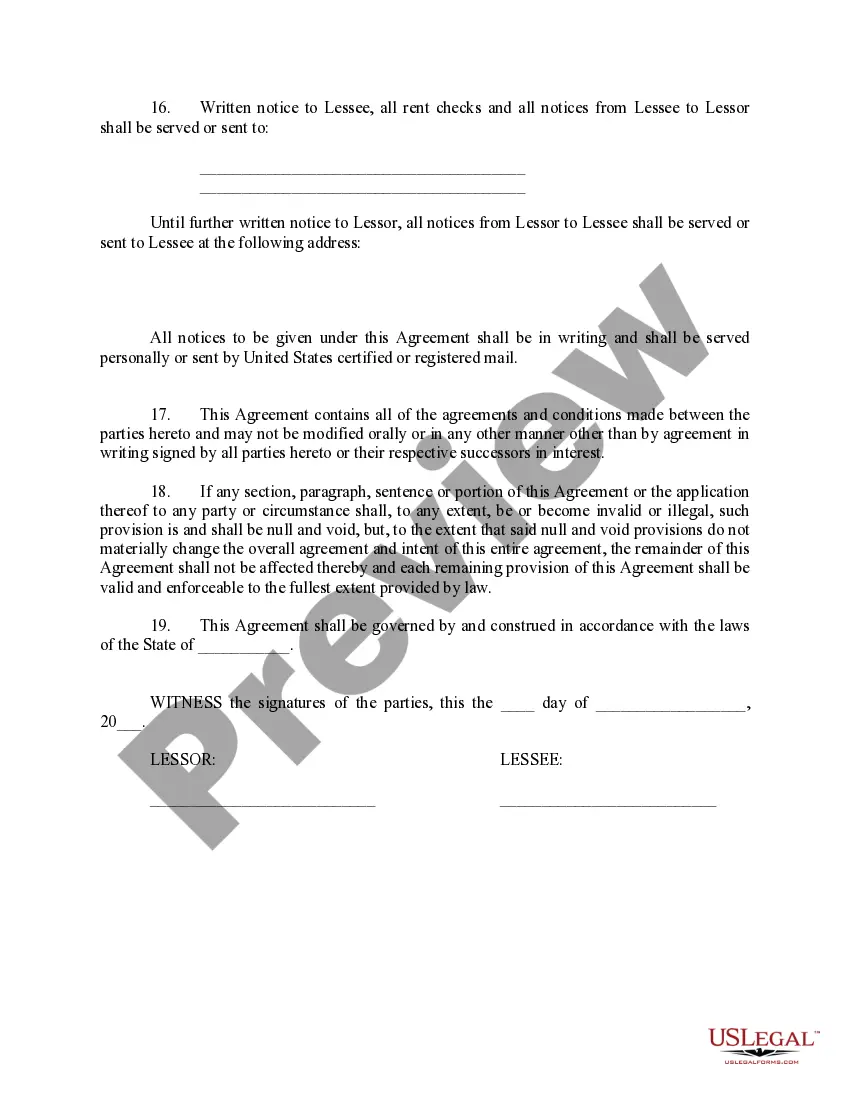

Get your form ready online
Our built-in tools help you complete, sign, share, and store your documents in one place.
Make edits, fill in missing information, and update formatting in US Legal Forms—just like you would in MS Word.
Download a copy, print it, send it by email, or mail it via USPS—whatever works best for your next step.
Sign and collect signatures with our SignNow integration. Send to multiple recipients, set reminders, and more. Go Premium to unlock E-Sign.
If this form requires notarization, complete it online through a secure video call—no need to meet a notary in person or wait for an appointment.
We protect your documents and personal data by following strict security and privacy standards.

Make edits, fill in missing information, and update formatting in US Legal Forms—just like you would in MS Word.

Download a copy, print it, send it by email, or mail it via USPS—whatever works best for your next step.

Sign and collect signatures with our SignNow integration. Send to multiple recipients, set reminders, and more. Go Premium to unlock E-Sign.

If this form requires notarization, complete it online through a secure video call—no need to meet a notary in person or wait for an appointment.

We protect your documents and personal data by following strict security and privacy standards.
Looking for another form?







Form popularity
FAQ
For example, a tenant and landlord may agree to a five-year lease with a five-year option to renew. At the end of the first five years, the tenant is given the chance to continue the lease for another five years. If you think you may renew, be sure to bring up extension provisions with your landlord.
A break clause in a commercial lease (also known as 'an option to determine') is fairly common. It allows both parties flexibility if any issues or changes in circumstances occur, and provides the parties with a mechanism to terminate the agreement early if certain criteria are met.
For example, a tenant and landlord may agree to a five-year lease with a five-year option to renew. At the end of the first five years, the tenant is given the chance to continue the lease for another five years. If you think you may renew, be sure to bring up extension provisions with your landlord.
Gross Lease Gross leases are most common for commercial properties such as offices and retail space. The tenant pays a single, flat amount that includes rent, taxes, utilities, and insurance.
Here are the essential elements that should be included in a commercial lease: Parties Involved. Landlord Information: Name, address, and contact details. Property Description. Lease Term. Rent. Security Deposit. Maintenance and Repairs. Improvements and Modifications. Insurance.
The three essentials' attributes of a lease is a grant of exclusive possessions, for a certain term and at a rent. Exclusive possession is the right to exclude others, even the landlord from the land. There must be a certainty of time or there is no valid lease. Lastly a rent usually requires financial payment.
Essential Lease Agreement Clauses Restricting resident's illegal activities. Late Payment. Occupancy. Pet Policy. Utilities. Rights to Enter the Property. Insurance. This is a great opportunity to discuss insurance coverage. Severability Clause. Include this crucial clause in your lease document to prevent future issues.
An option clause is a term in a commercial or retail lease, permitting a tenant to renew their lease at the end of the initial lease period.
For example, a tenant and landlord may agree to a five-year lease with a five-year option to renew. At the end of the first five years, the tenant is given the chance to continue the lease for another five years. If you think you may renew, be sure to bring up extension provisions with your landlord.
