Difference Between A Commercial And Retail Lease In Texas
Description
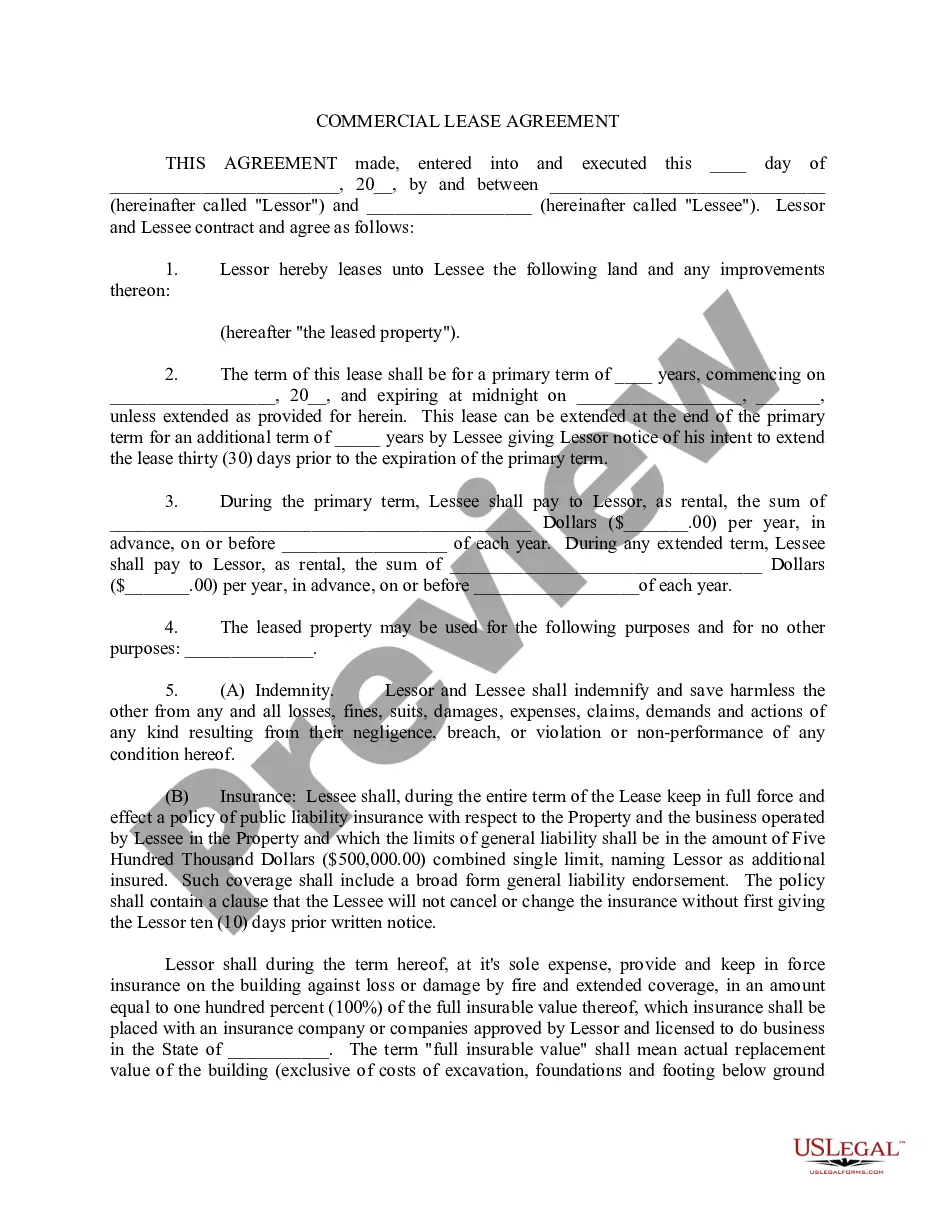
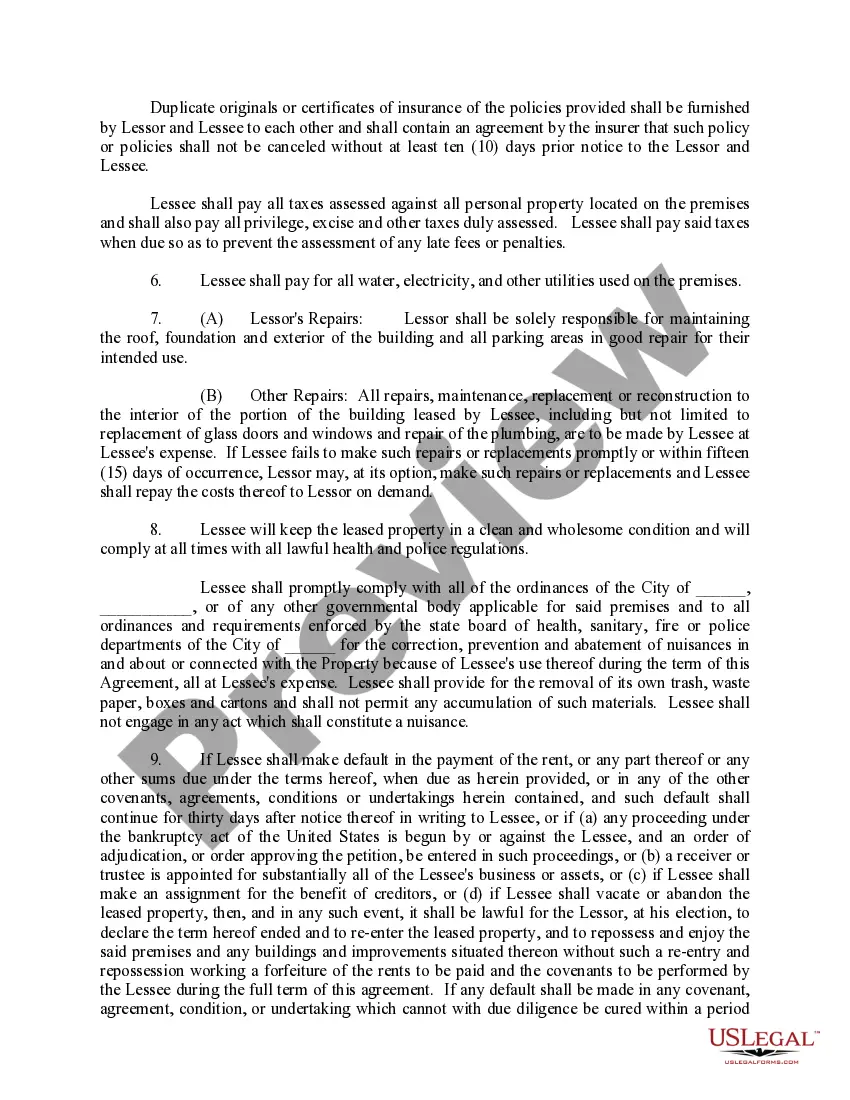
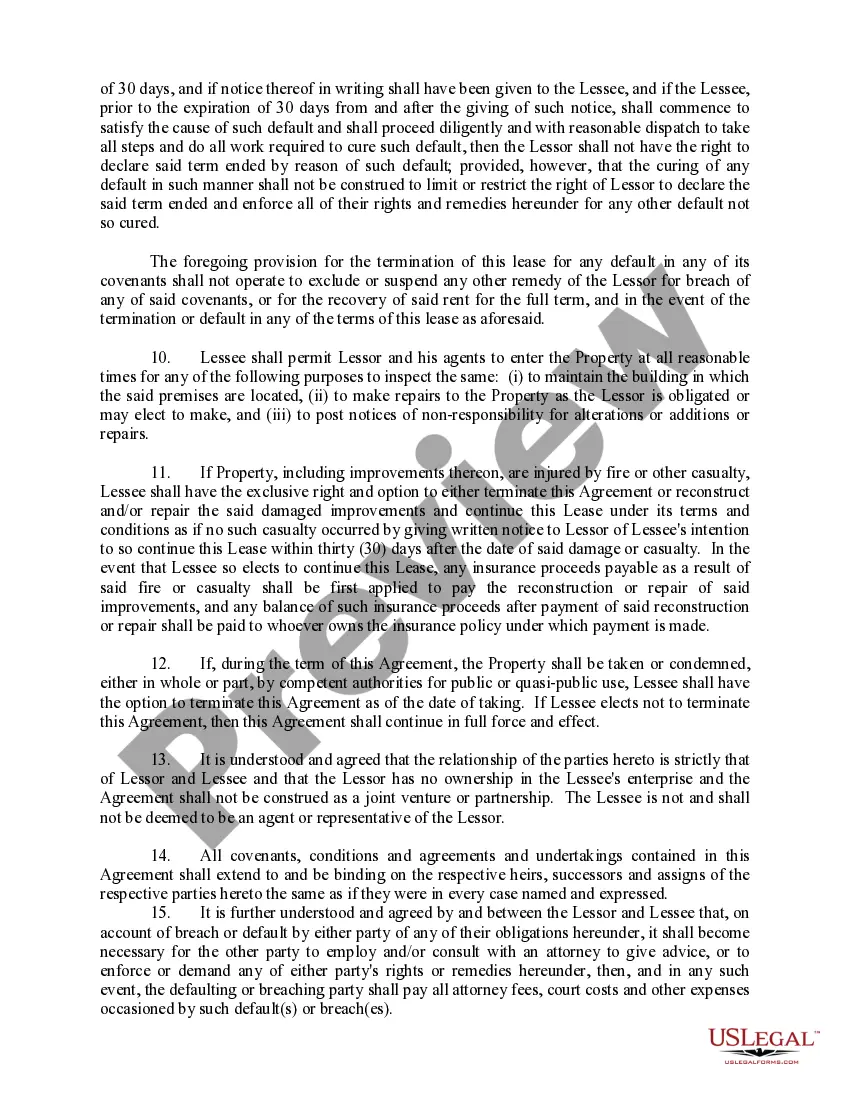
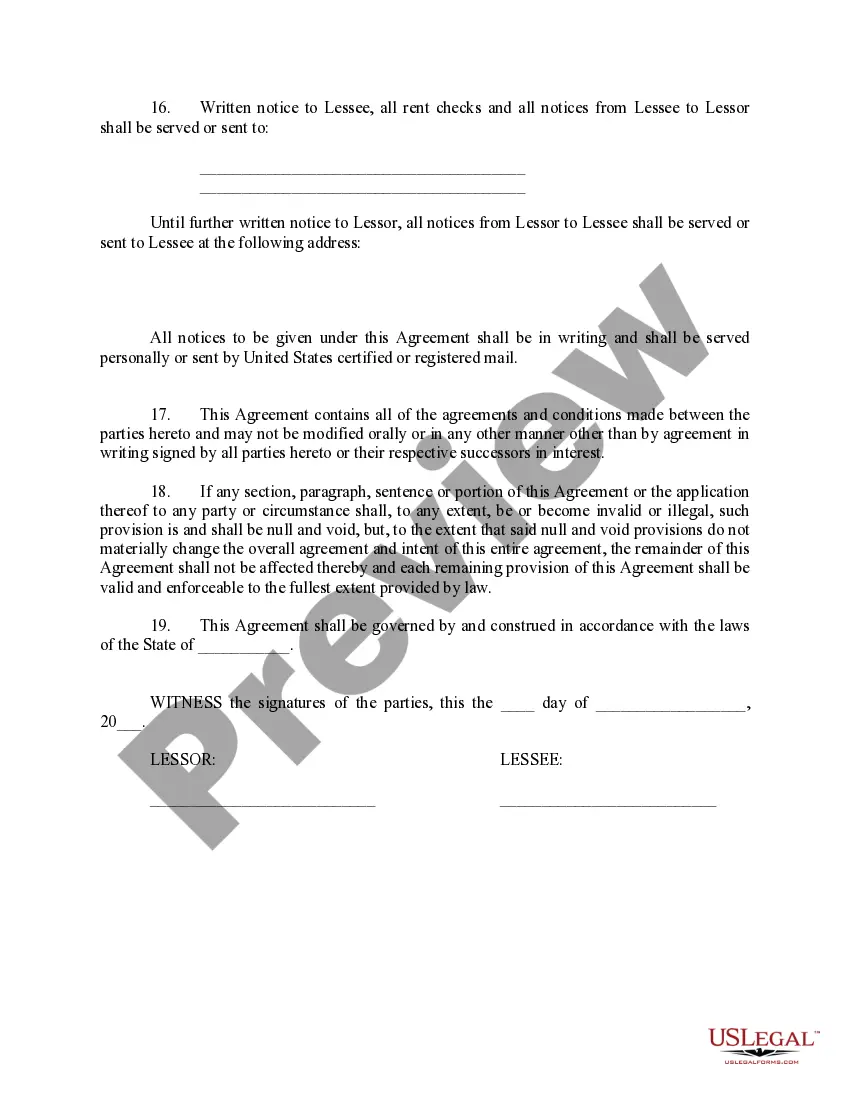

Get your form ready online
Our built-in tools help you complete, sign, share, and store your documents in one place.
Make edits, fill in missing information, and update formatting in US Legal Forms—just like you would in MS Word.
Download a copy, print it, send it by email, or mail it via USPS—whatever works best for your next step.
Sign and collect signatures with our SignNow integration. Send to multiple recipients, set reminders, and more. Go Premium to unlock E-Sign.
If this form requires notarization, complete it online through a secure video call—no need to meet a notary in person or wait for an appointment.
We protect your documents and personal data by following strict security and privacy standards.

Make edits, fill in missing information, and update formatting in US Legal Forms—just like you would in MS Word.

Download a copy, print it, send it by email, or mail it via USPS—whatever works best for your next step.

Sign and collect signatures with our SignNow integration. Send to multiple recipients, set reminders, and more. Go Premium to unlock E-Sign.

If this form requires notarization, complete it online through a secure video call—no need to meet a notary in person or wait for an appointment.

We protect your documents and personal data by following strict security and privacy standards.
Looking for another form?



Form popularity
FAQ
Texas law gives the landlord or the tenant the explicit right to end a lease early in a few specific circumstances: Military Service. Family Violence. Sexual Offenses or Stalking Victims. Tenant's Death. Landlord's Failure to Repair. Landlord's Failure to , Inspect, or Repair a Smoke Alarm.
Key Commercial Lease Types Explained Gross Lease. Often found in office buildings and retail spaces, gross leases provide a simple, all-inclusive rental arrangement. Net Lease. In net leases, the tenant assumes a more significant share of responsibility for building expenses. Modified Gross Lease. Percentage Lease.
Yes, this is an important section to add to the end of your rental agreement. You must allow space for both parties to add their names, the date, and signatures. Although Texas commercial lease agreements do not have to be notarized, many prefer to have their leases notarized.
Commercial leases are typically fixed-term agreements, often lasting 12 months or more. A commercial rent agreement is usually a short-term arrangement, often renewing every 30 days, offering more flexibility but less long-term security.
Retail spaces are designed to sell products directly to customers. Think of stores where you buy clothes or groceries. Commercial spaces are used for a wider range of business activities, such as office work, manufacturing, product storage, and medical care.
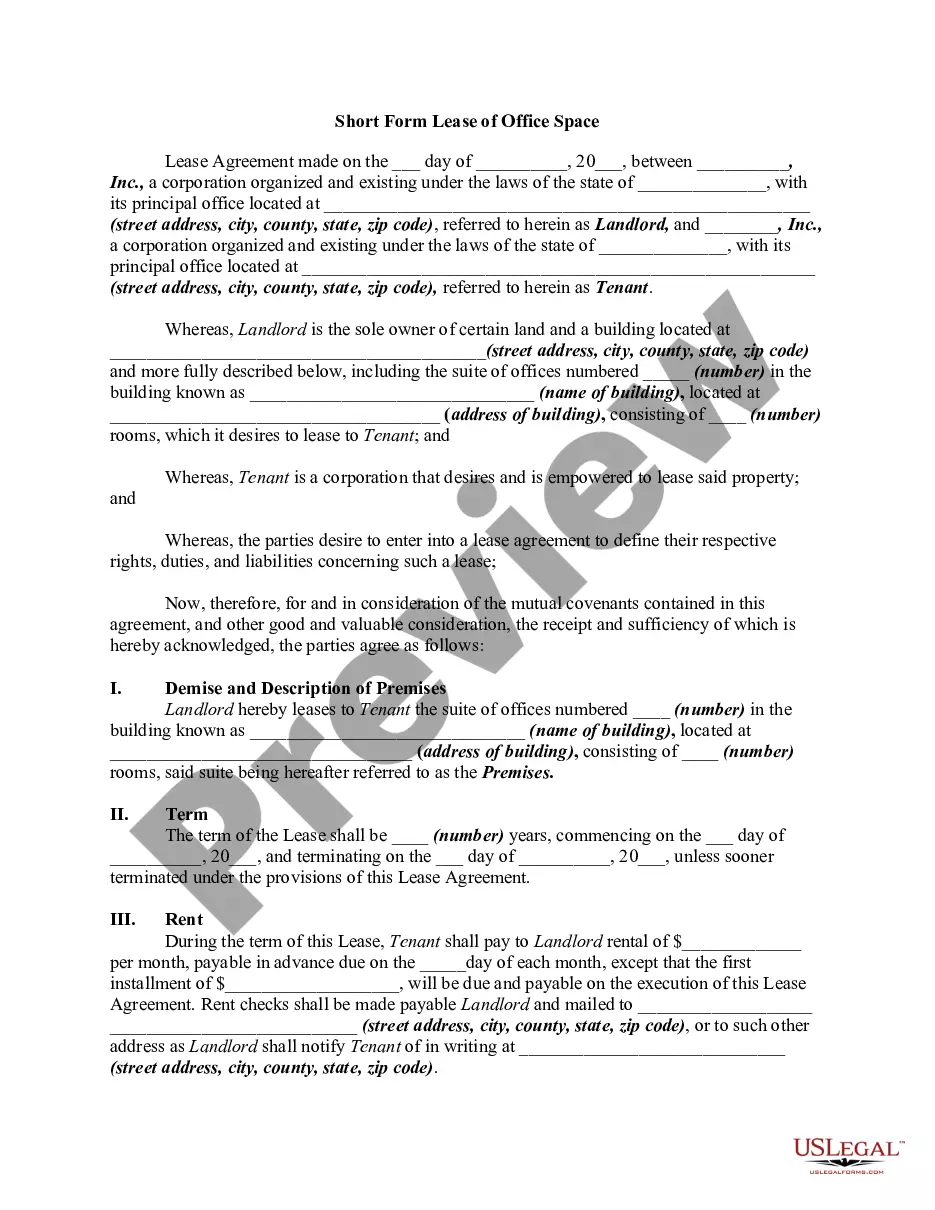
A retail lease is used where there is a sale of goods or services, often in a shopping centre (cluster of 5 or more stores). A commercial lease is used for warehouse, industrial or office space premises.
The retail banking model caters to the general public, with bank branches strategically placed across a city that works with retail customers on a regular basis. Commercial banking, on the other hand, helps businesses raise funds, extend loans, and offer advice.
Gross Lease Gross leases are most common for commercial properties such as offices and retail space. The tenant pays a single, flat amount that includes rent, taxes, utilities, and insurance. The landlord is responsible for paying taxes, utilities, and insurance from the rent fees.
A lease is a legal, binding contract outlining the terms under which one party agrees to rent property owned by another party. It guarantees the tenant or lessee use of the property and, in exchange, regular payments for a specified period to the property owner or landlord.
In the Lone Star State, commercial lease commission rates typically range from 4% to 6% of the total lease value.
