Difference Between A Commercial And Retail Lease In Sacramento
Description
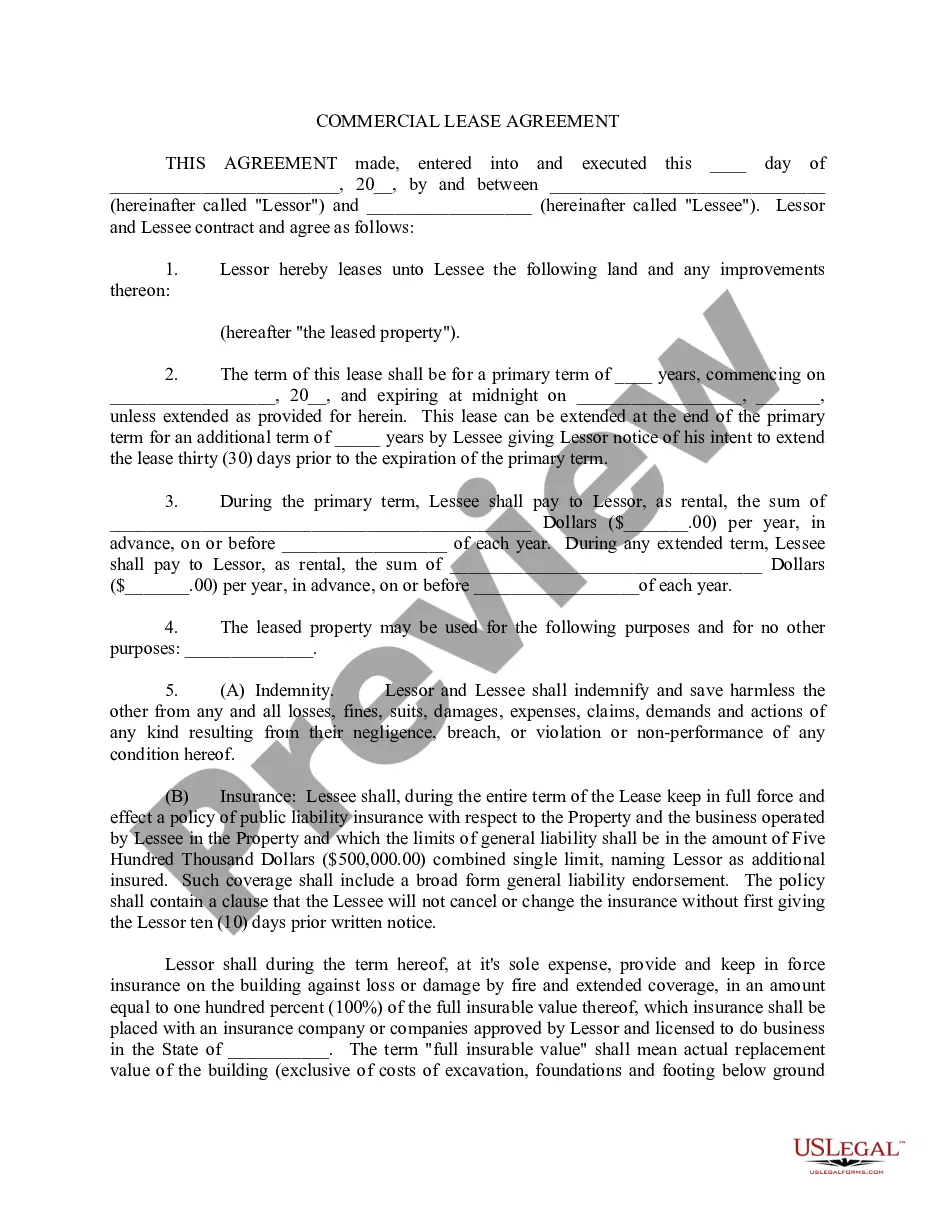
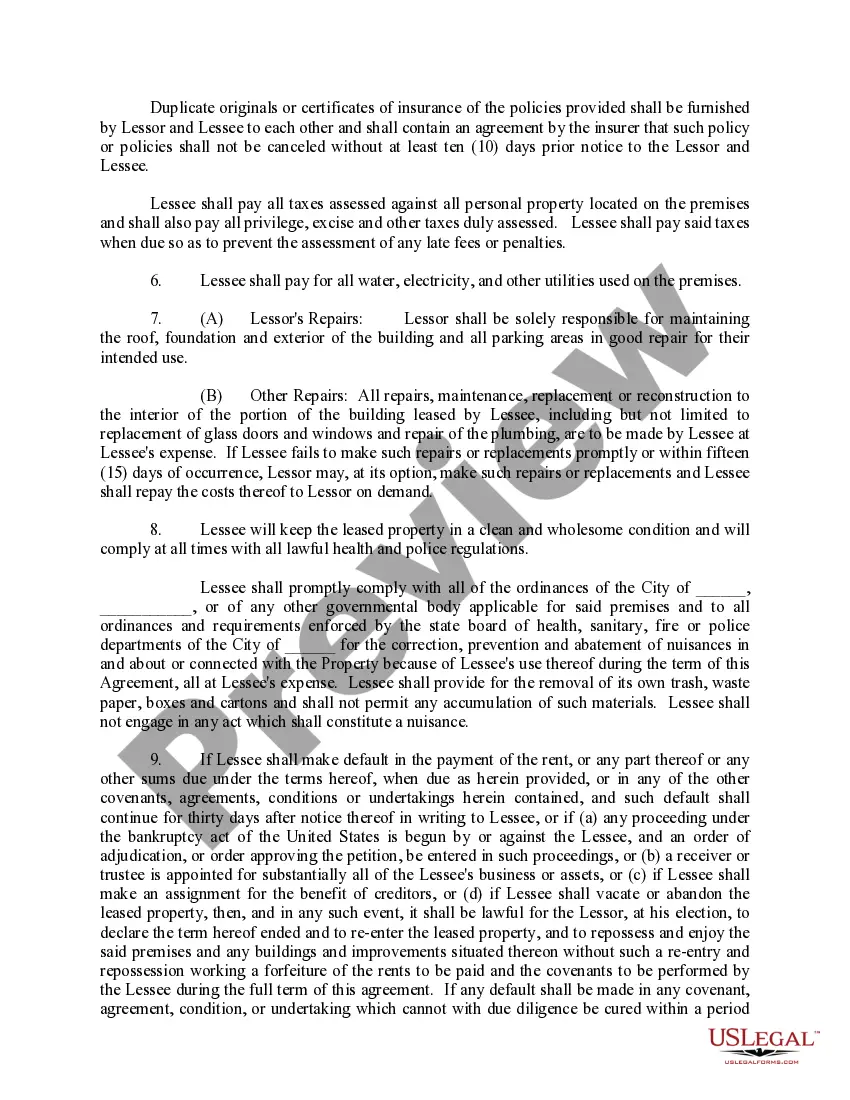
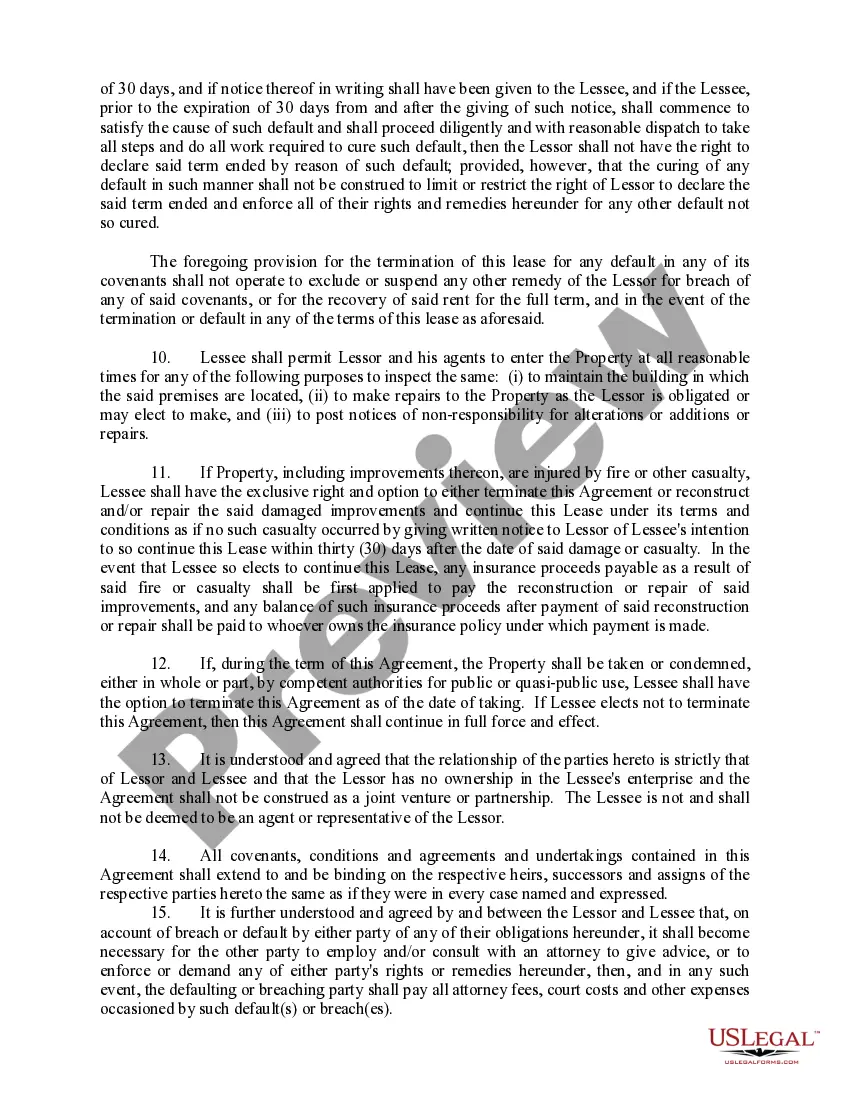
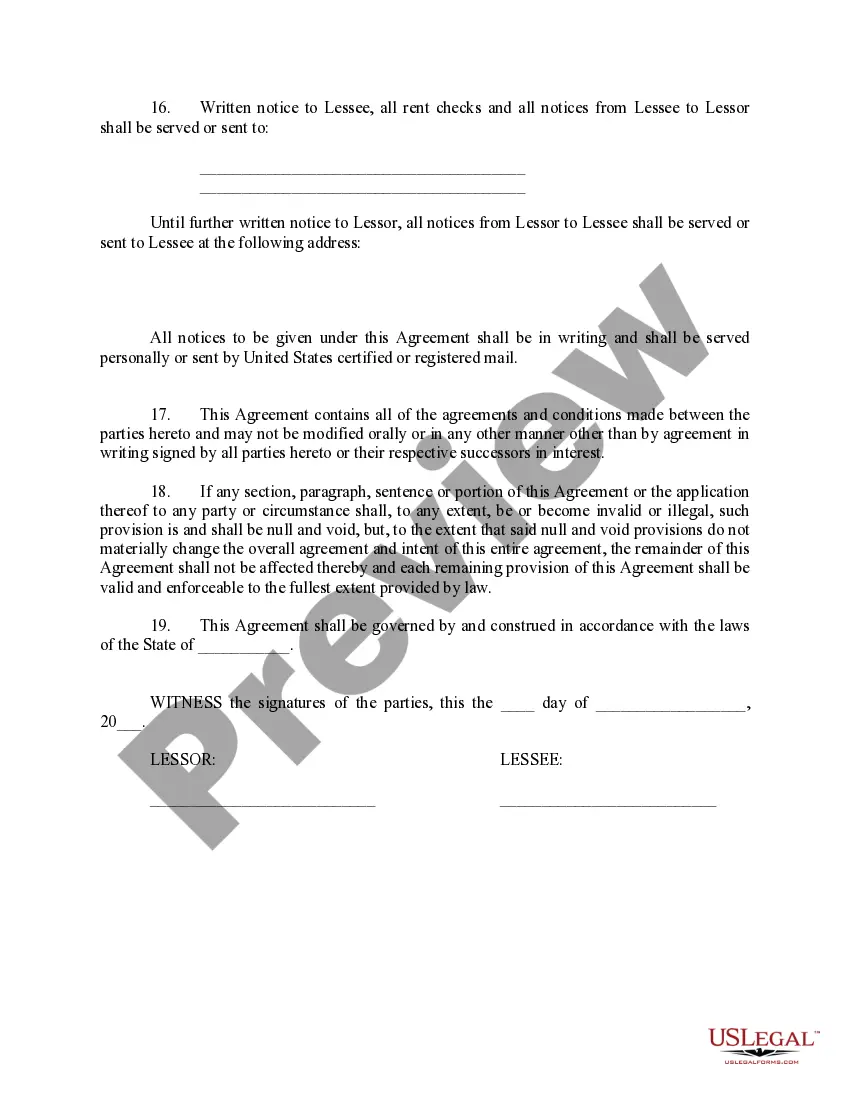

Get your form ready online
Our built-in tools help you complete, sign, share, and store your documents in one place.
Make edits, fill in missing information, and update formatting in US Legal Forms—just like you would in MS Word.
Download a copy, print it, send it by email, or mail it via USPS—whatever works best for your next step.
Sign and collect signatures with our SignNow integration. Send to multiple recipients, set reminders, and more. Go Premium to unlock E-Sign.
If this form requires notarization, complete it online through a secure video call—no need to meet a notary in person or wait for an appointment.
We protect your documents and personal data by following strict security and privacy standards.

Make edits, fill in missing information, and update formatting in US Legal Forms—just like you would in MS Word.

Download a copy, print it, send it by email, or mail it via USPS—whatever works best for your next step.

Sign and collect signatures with our SignNow integration. Send to multiple recipients, set reminders, and more. Go Premium to unlock E-Sign.

If this form requires notarization, complete it online through a secure video call—no need to meet a notary in person or wait for an appointment.

We protect your documents and personal data by following strict security and privacy standards.
Looking for another form?






Form popularity
FAQ
Percentage leases are most commonly used in retail spaces, particularly in areas like shopping malls and retail centers. In a percentage lease agreement, the tenant pays a base rent plus a percentage of their gross sales.
Commercial leases are typically fixed-term agreements, often lasting 12 months or more. A commercial rent agreement is usually a short-term arrangement, often renewing every 30 days, offering more flexibility but less long-term security.
Gross Lease Gross leases are most common for commercial properties such as offices and retail space. The tenant pays a single, flat amount that includes rent, taxes, utilities, and insurance. The landlord is responsible for paying taxes, utilities, and insurance from the rent fees.
Yes, state laws significantly influence lease notarization requirements. Some states, like California and Texas, require notarization for leases exceeding one year, while others, such as Florida, do not require it unless specified.
By far, the most common lease for retail tenants is the percentage lease. In a percentage lease, the retail building owner takes a percentage of their tenants' sales. Anchor tenants have some negotiating power with these kinds of leases.
A grocery store is typically considered to be both retail and commercial. It sells directly to consumers (retail) but often operates on a larger scale with bulk purchasing and distribution (commercial).
Retail sales include in-store purchases, point-of-sale transactions, and physical customer interactions while ecommerce involves online shopping, digital payments, and dropshipping. Ecommerce and retail sales differ primarily in the sales environment: online versus physical stores.
Key Commercial Lease Types Explained Gross Lease. Often found in office buildings and retail spaces, gross leases provide a simple, all-inclusive rental arrangement. Net Lease. In net leases, the tenant assumes a more significant share of responsibility for building expenses. Modified Gross Lease. Percentage Lease.
“Commercial space” generally refers to office space. With commercial space, there may not be as many people wandering in and out, whereas “retail space” depends largely on foot traffic. Commercial space is typically used for businesses that don't have a lot of foot traffic.
“Commercial space” generally refers to office space. With commercial space, there may not be as many people wandering in and out, whereas “retail space” depends largely on foot traffic. Commercial space is typically used for businesses that don't have a lot of foot traffic.
