Commercial Property To Purchase In Sacramento
Description
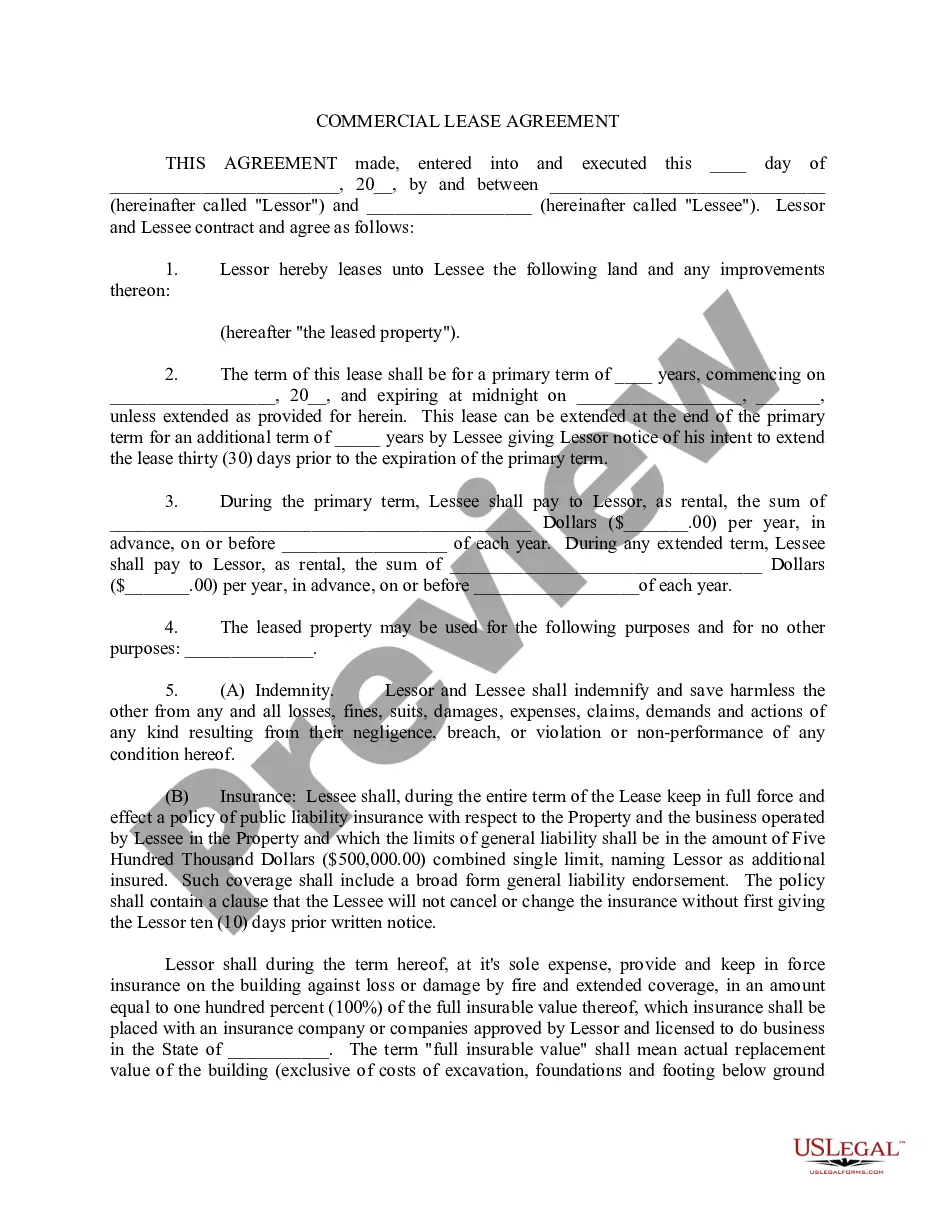
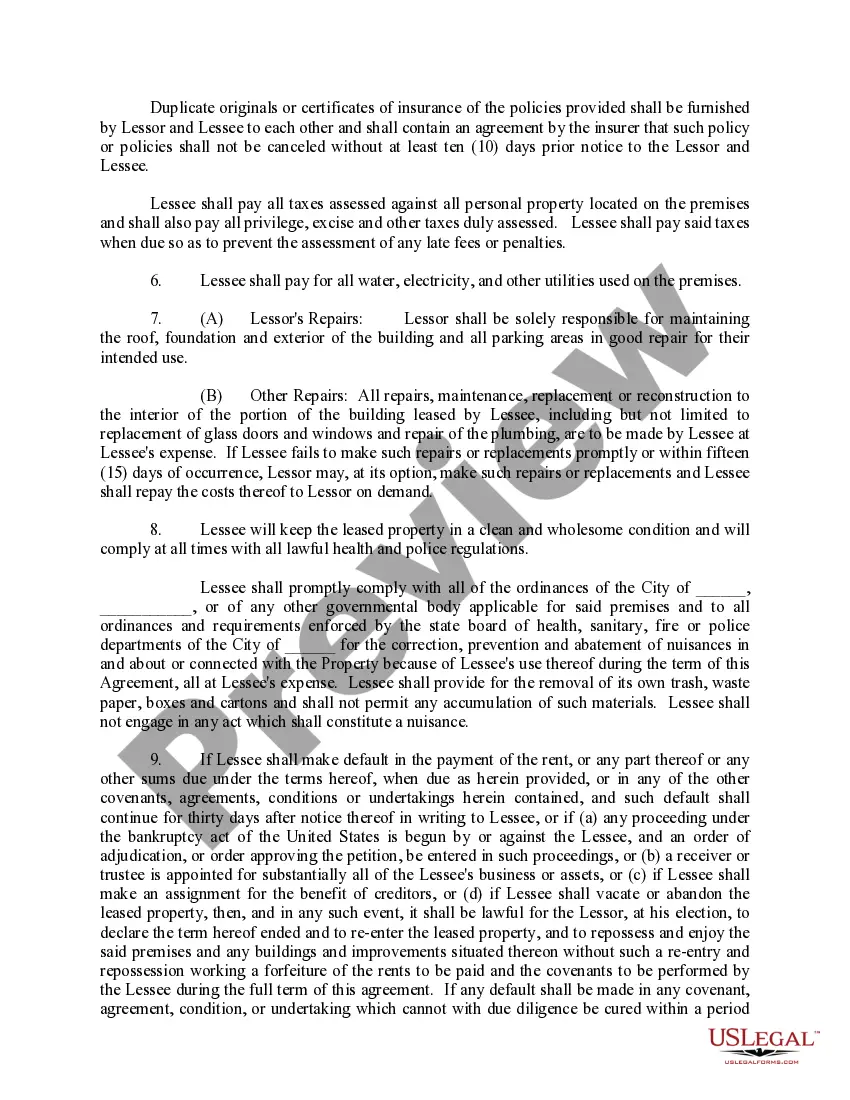
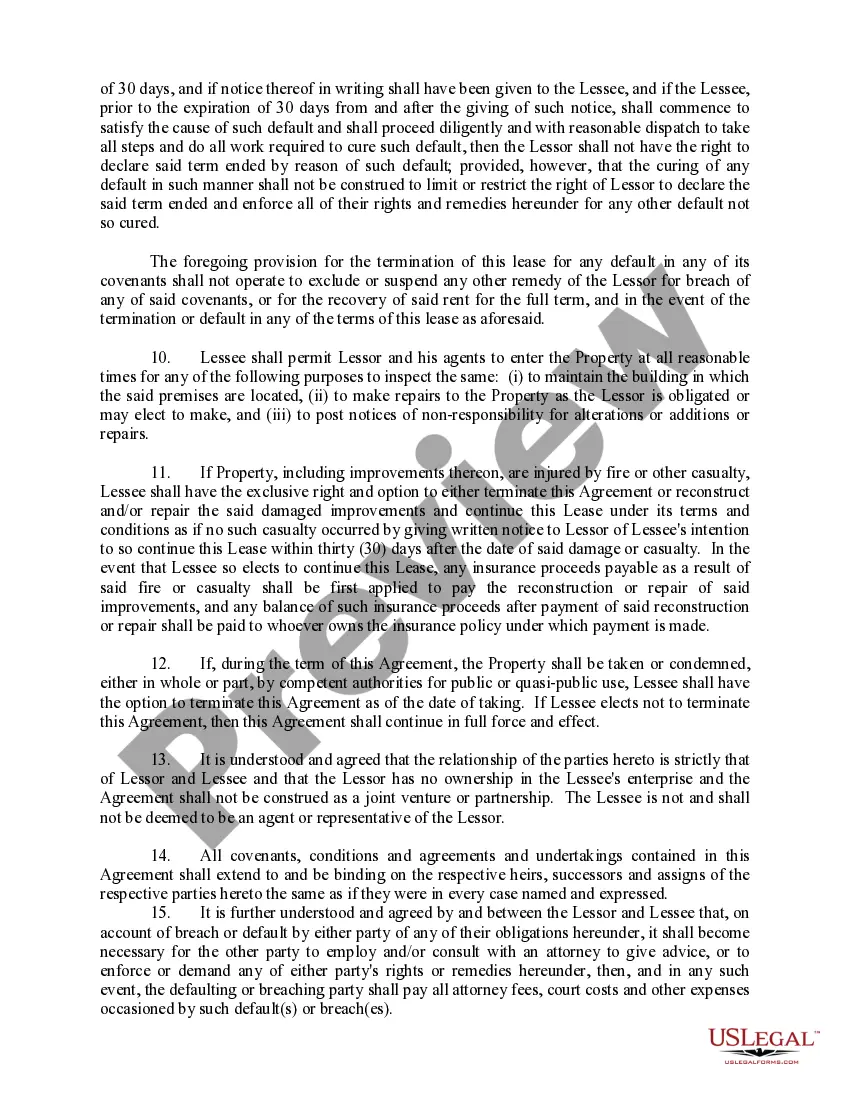
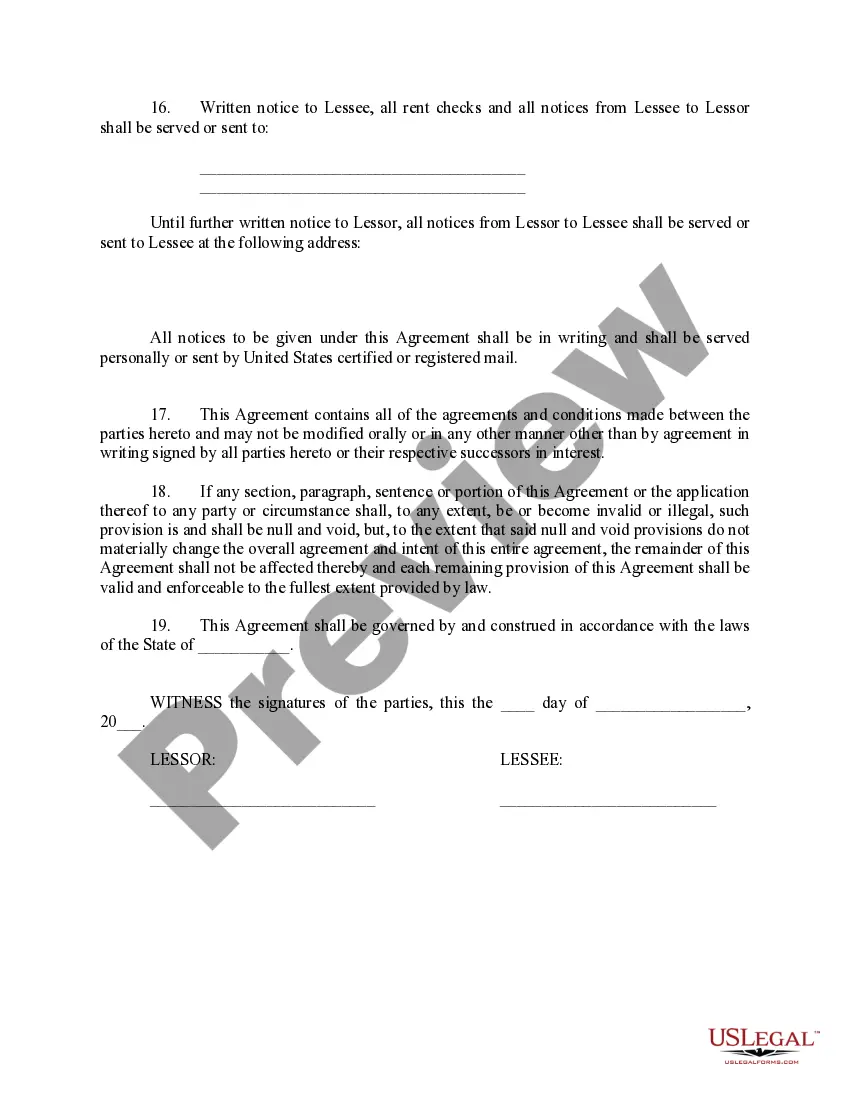

Get your form ready online
Our built-in tools help you complete, sign, share, and store your documents in one place.
Make edits, fill in missing information, and update formatting in US Legal Forms—just like you would in MS Word.
Download a copy, print it, send it by email, or mail it via USPS—whatever works best for your next step.
Sign and collect signatures with our SignNow integration. Send to multiple recipients, set reminders, and more. Go Premium to unlock E-Sign.
If this form requires notarization, complete it online through a secure video call—no need to meet a notary in person or wait for an appointment.
We protect your documents and personal data by following strict security and privacy standards.

Make edits, fill in missing information, and update formatting in US Legal Forms—just like you would in MS Word.

Download a copy, print it, send it by email, or mail it via USPS—whatever works best for your next step.

Sign and collect signatures with our SignNow integration. Send to multiple recipients, set reminders, and more. Go Premium to unlock E-Sign.

If this form requires notarization, complete it online through a secure video call—no need to meet a notary in person or wait for an appointment.

We protect your documents and personal data by following strict security and privacy standards.
Looking for another form?
Form popularity
FAQ
The Homeowners' Exemption reduces your property taxes by deducting $7,000 from your property's assessed value before applying the tax rate, and given the one percent statewide property tax rate, this generally equates to $70 in property tax savings.
How much is property tax in California? Property tax in California is calculated at a standard rate of 1% of the assessed property value, plus additional charges for voter-approved bonds, fees, and special charges.
California's property tax rate is 1% of assessed value (also applies to real property) plus any bonded indebtedness voted in by the taxpayers.
FAQ: Understanding Commercial Property Tax & Revenue in California. How Are Commercial and Industrial Properties Taxed Today? The general property tax rate for California commercial and industrial properties has been capped at 1% of assessed value since voters approved Prop. 13 in 1978.
How much is property tax in California? Property tax in California is calculated at a standard rate of 1% of the assessed property value, plus additional charges for voter-approved bonds, fees, and special charges.
As it stands, commercial properties in California are primarily taxed at a foundational rate of 1% of their assessed value, thanks to the provisions set forth by Proposition 13. This means if a commercial property has an assessed value of $1 million, the base property tax owed would be $10,000.
What is the purpose of the Business Property Statement (BPS)? The BPS collects information regarding business equipment, supplies and fixtures for each business location. The information an owner provides on the statement is then used to assess and tax property in ance with California state law.
Yes, Sacramento is an excellent choice for first-time buyers due to its relatively affordable housing market (compared to other major California cities), strong community vibe, and job growth. Additionally, Sacramento's proximity to both San Francisco and Lake Tahoe makes it a desirable location.
The neighborhoods mentioned above are just a few of the promising options in Sacramento. If you're considering property investment in the region, we recommend focusing on Oak Park, Rancho Cordova, Elk Grove, and East Sacramento.
However, if you're seeking higher returns and have the financial capacity, commercial properties, such as retail spaces or industrial sites, may offer stronger yields and secure long-term leases. Ultimately, the best choice is one that aligns with your personal financial situation and investment strategy.
