Commercial Property To Purchase In Queens
Description
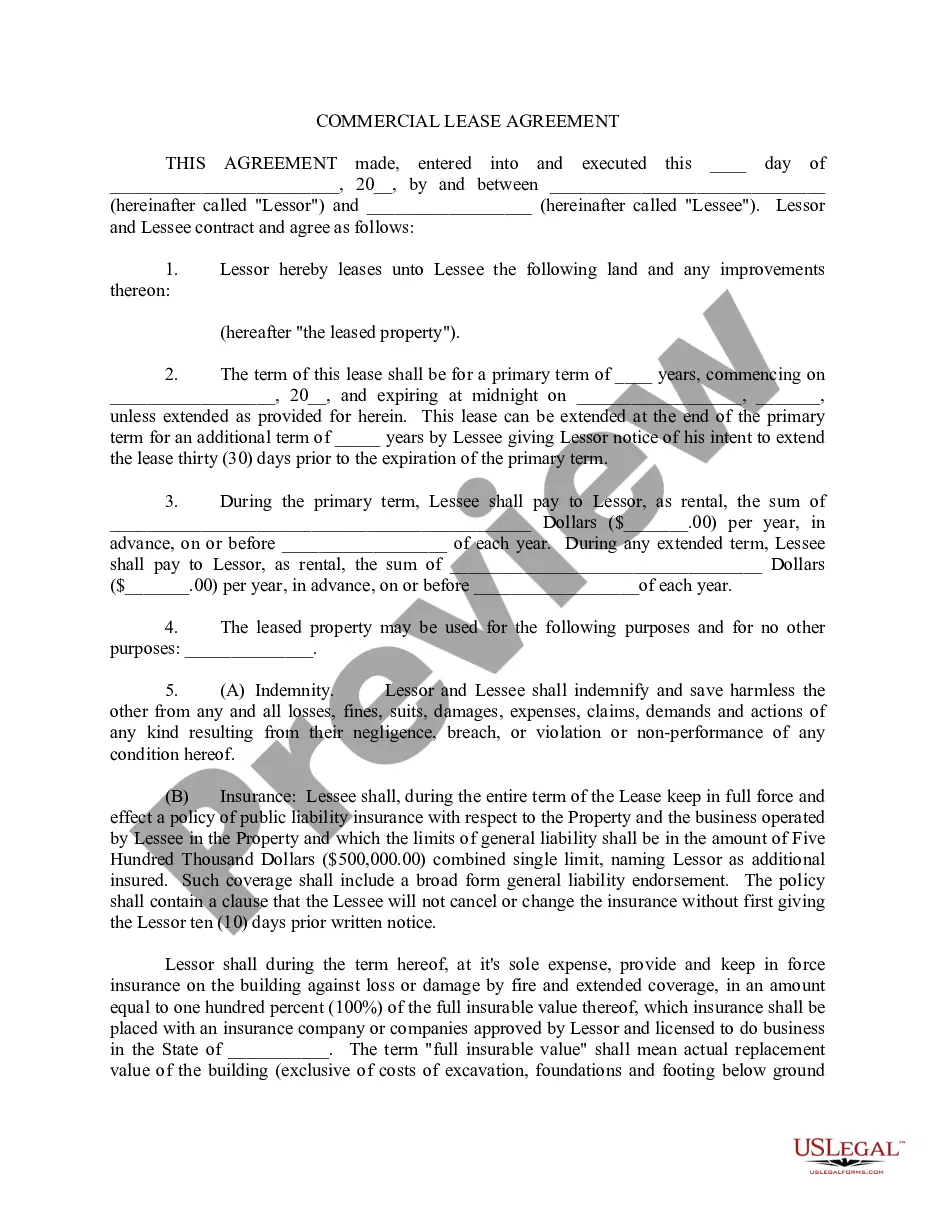
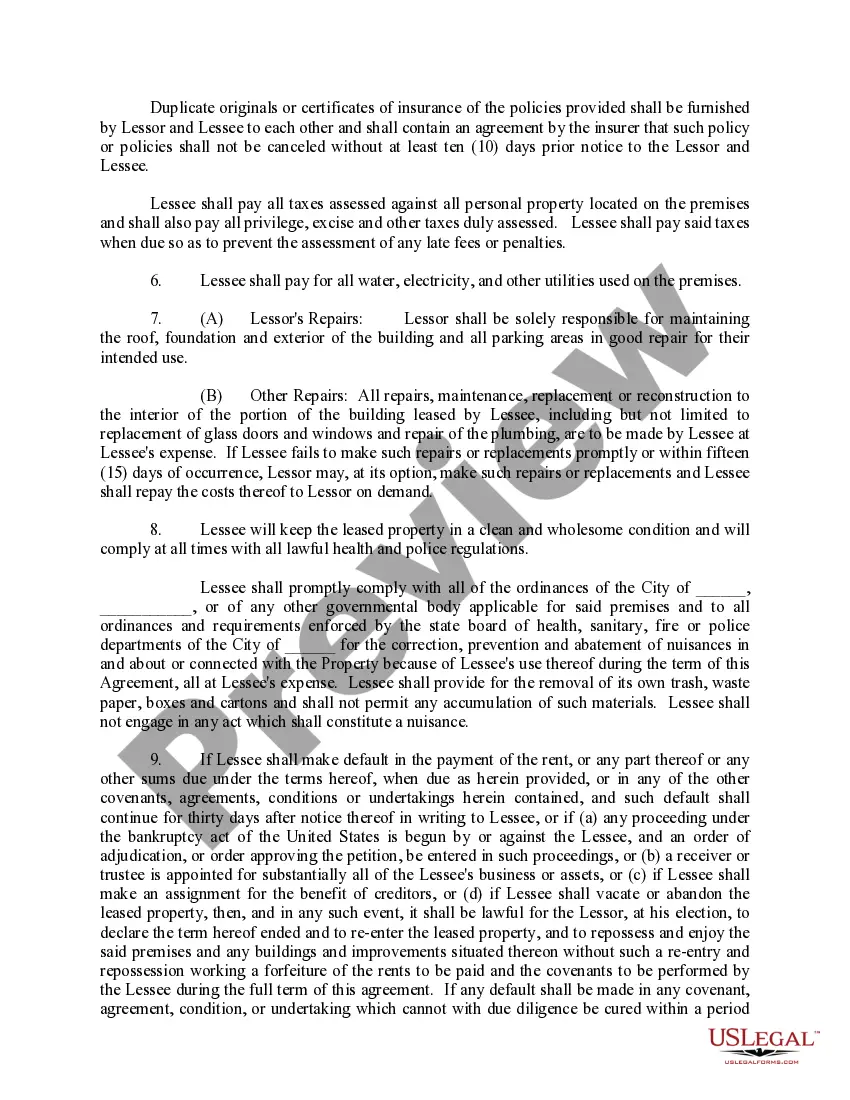
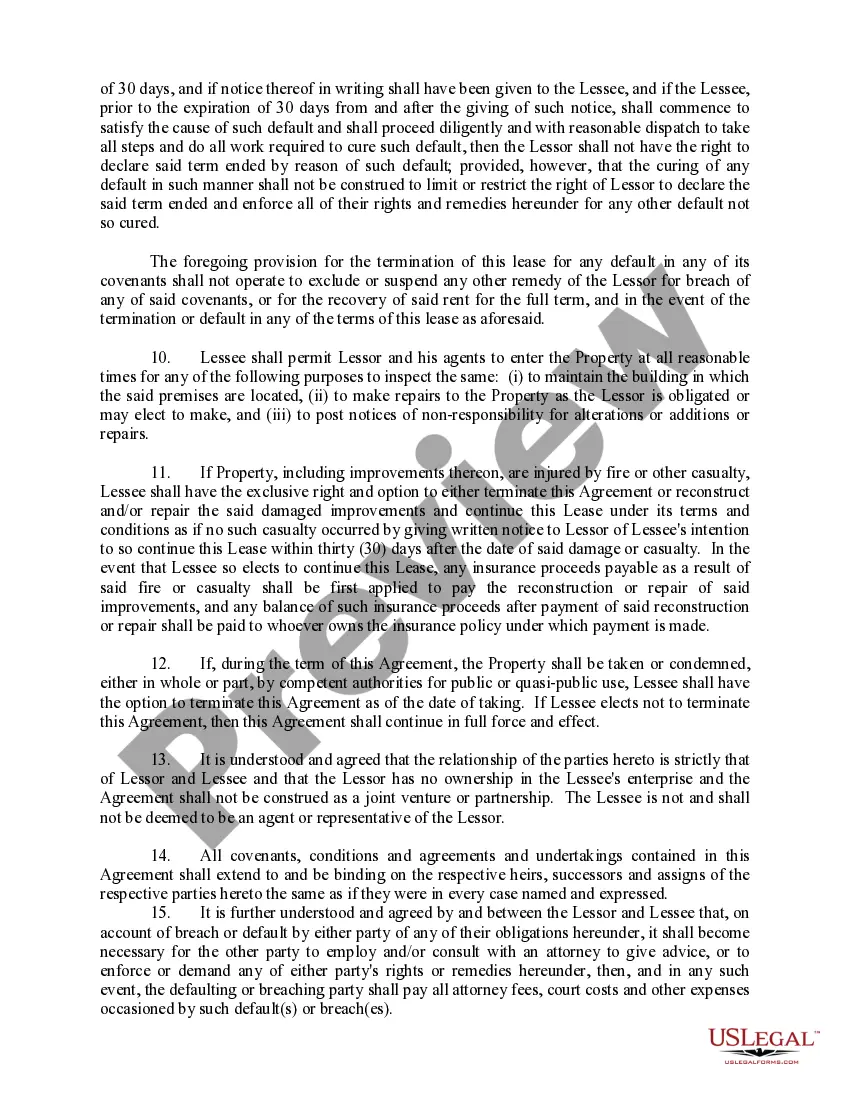
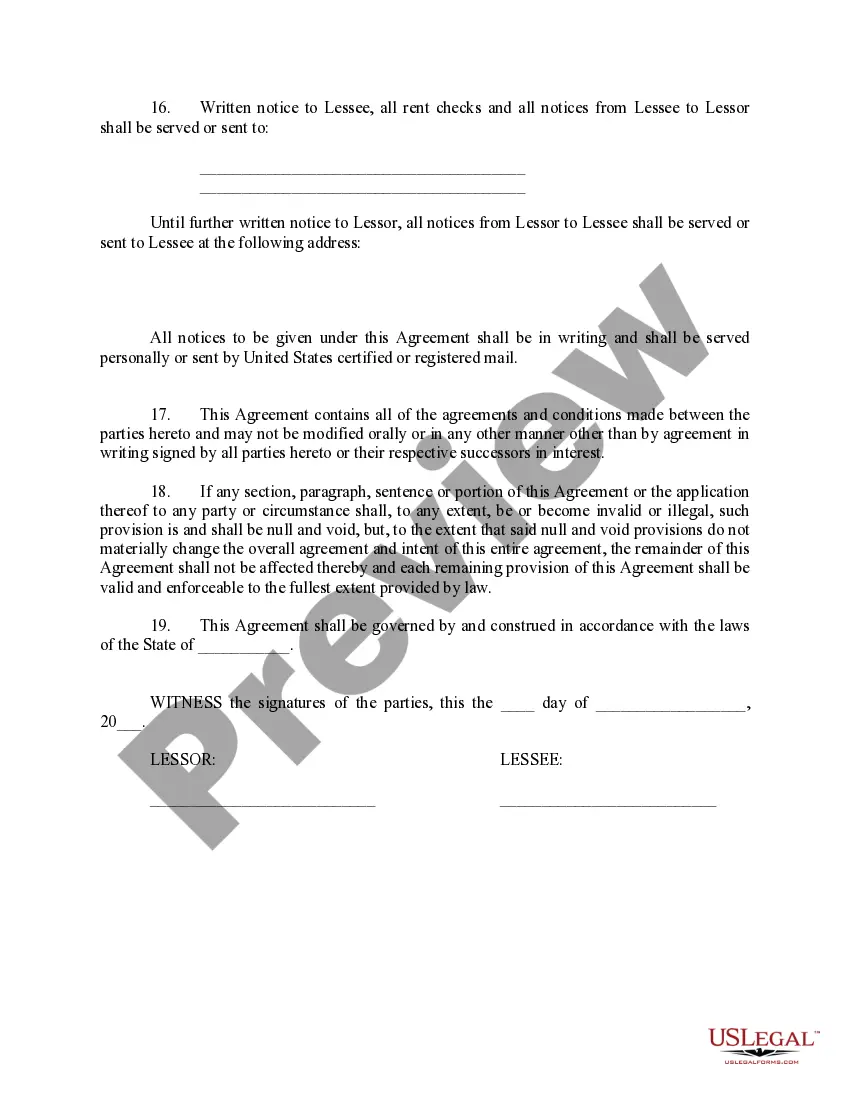

Get your form ready online
Our built-in tools help you complete, sign, share, and store your documents in one place.
Make edits, fill in missing information, and update formatting in US Legal Forms—just like you would in MS Word.
Download a copy, print it, send it by email, or mail it via USPS—whatever works best for your next step.
Sign and collect signatures with our SignNow integration. Send to multiple recipients, set reminders, and more. Go Premium to unlock E-Sign.
If this form requires notarization, complete it online through a secure video call—no need to meet a notary in person or wait for an appointment.
We protect your documents and personal data by following strict security and privacy standards.

Make edits, fill in missing information, and update formatting in US Legal Forms—just like you would in MS Word.

Download a copy, print it, send it by email, or mail it via USPS—whatever works best for your next step.

Sign and collect signatures with our SignNow integration. Send to multiple recipients, set reminders, and more. Go Premium to unlock E-Sign.

If this form requires notarization, complete it online through a secure video call—no need to meet a notary in person or wait for an appointment.

We protect your documents and personal data by following strict security and privacy standards.
Looking for another form?






Form popularity
FAQ
The commercial property that has the most risk depends on various factors such as location, occupancy, and tenant mix. Generally, high-risk commercial properties include those with high vacancy rates, high tenant turnover, or those located in economically unstable areas. 3.
The advantages of investing in a commercial property: The rental yields are usually much better than residential. You can let on legally secure long-term leases (Landlord & Tenant Act 1954), anything from 3 to 20 years, which providing you have let to a good solid tenant, will give you a reliable income stream.
Challenges in Securing CRE Financing. Government Regulations & Zoning. Environmental and Sustainability Concerns. Impact of Market Volatility. Long-Term Business Strategies for Overcoming CRE Hurdles.
23 Top Ten Issues Affecting Real Estate® Inflation and Interest Rates. Geopolitical Risk. Hybrid Work. Supply Chain Disruption. Energy. Labor Shortage Strain. The Great Housing Imbalance. Regulatory Uncertainty.
Technological Advancements and Digital Disruption. Technological advancements and digital disruption are the biggest challenges and opportunities facing commercial real estate. With changing tenant preferences, it has become imperative for professionals to adapt to the digital landscape.
Commercial properties involve tenants that are businesses or multifamily apartments with five or more units. Residential properties are those where people live, such as single-family homes, duplexes, triplexes, or apartment buildings with four or fewer units.
New York City recorded over $28 billion in investment sales in 2024, marking a 26% increase from 2023 and outpacing the national market. Office, development and multifamily asset classes led the way, comprising 70% of the total investment sales volume, Ariel Property Advisors' research shows.
Capitalization Rate (Cap Rate) = Net Operating Income / Property Value. Value = Net Operating Income / Capitalization Rate.
Using a commercial property as a residential space This means you need to apply to change the building use from commercial to residential. While this is perfectly achievable, the first thing to consider is the type of building you're interested in.
The property tax applies to all classes of property -- residential, commercial, industrial, agricultural, open space, timberland, and vacant land. Special rules apply to some kinds of property, such as certain agricultural land and timberland. Public land is generally exempt.
