Commercial Property For Purchase In Pennsylvania
Description
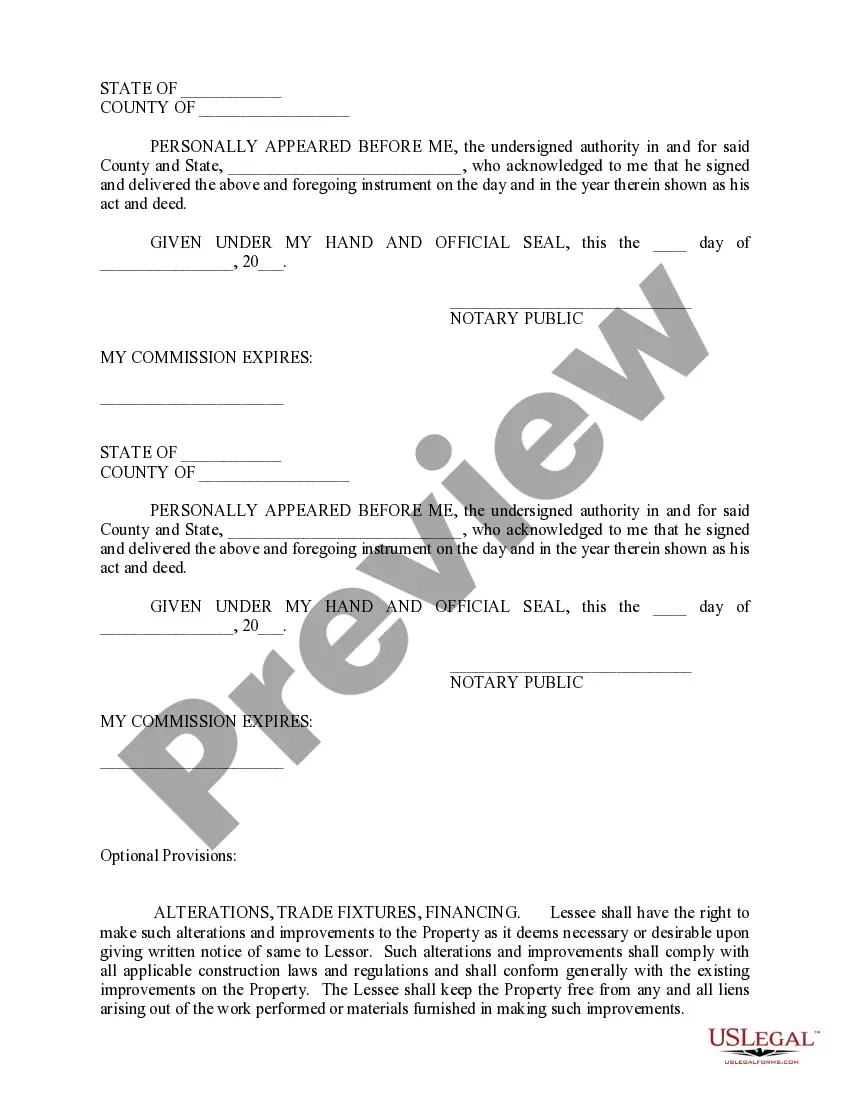

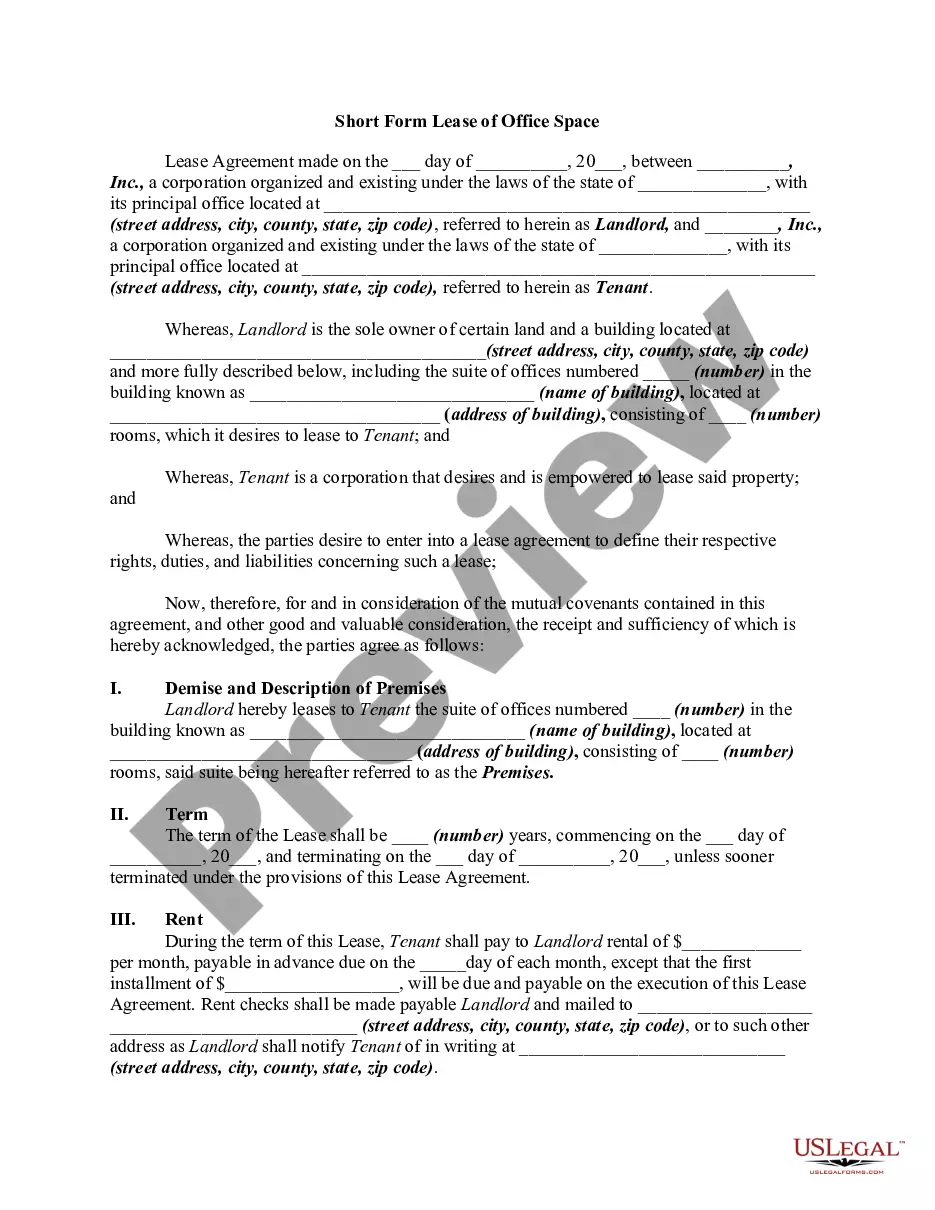
Get your form ready online
Our built-in tools help you complete, sign, share, and store your documents in one place.
Make edits, fill in missing information, and update formatting in US Legal Forms—just like you would in MS Word.
Download a copy, print it, send it by email, or mail it via USPS—whatever works best for your next step.
Sign and collect signatures with our SignNow integration. Send to multiple recipients, set reminders, and more. Go Premium to unlock E-Sign.
If this form requires notarization, complete it online through a secure video call—no need to meet a notary in person or wait for an appointment.
We protect your documents and personal data by following strict security and privacy standards.

Make edits, fill in missing information, and update formatting in US Legal Forms—just like you would in MS Word.

Download a copy, print it, send it by email, or mail it via USPS—whatever works best for your next step.

Sign and collect signatures with our SignNow integration. Send to multiple recipients, set reminders, and more. Go Premium to unlock E-Sign.

If this form requires notarization, complete it online through a secure video call—no need to meet a notary in person or wait for an appointment.

We protect your documents and personal data by following strict security and privacy standards.
Looking for another form?




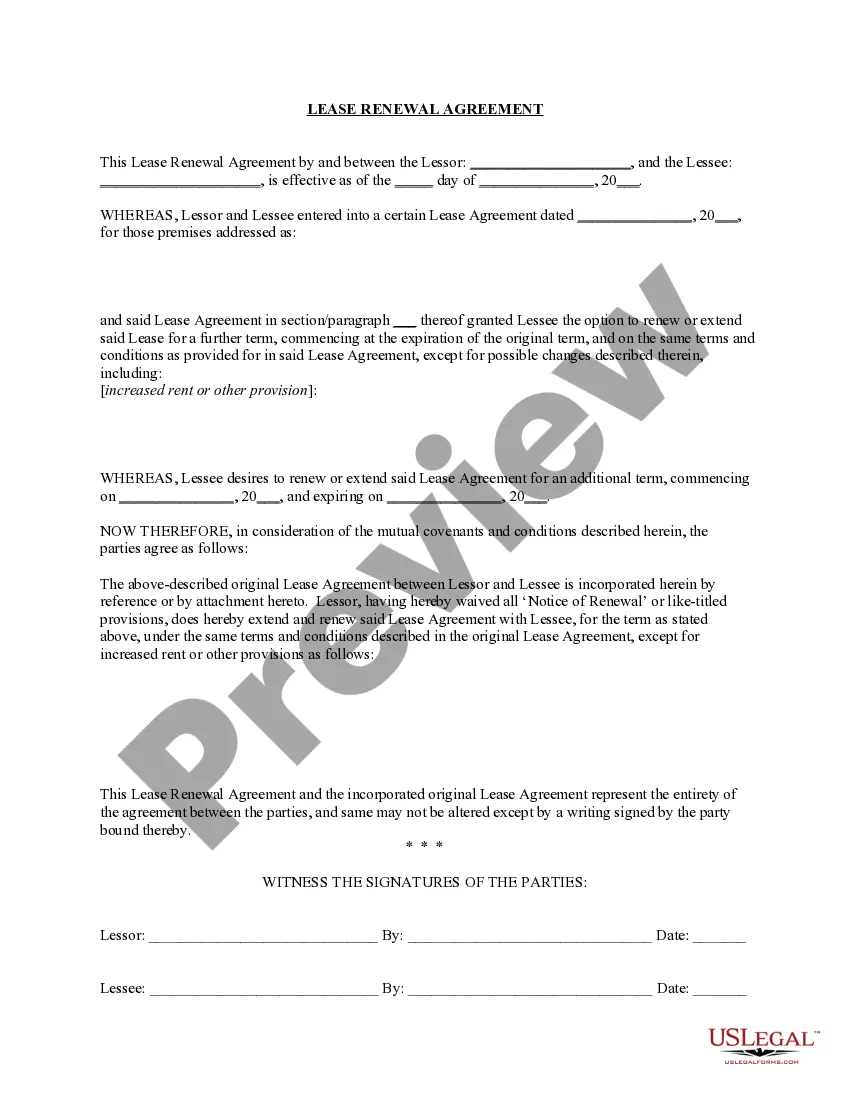

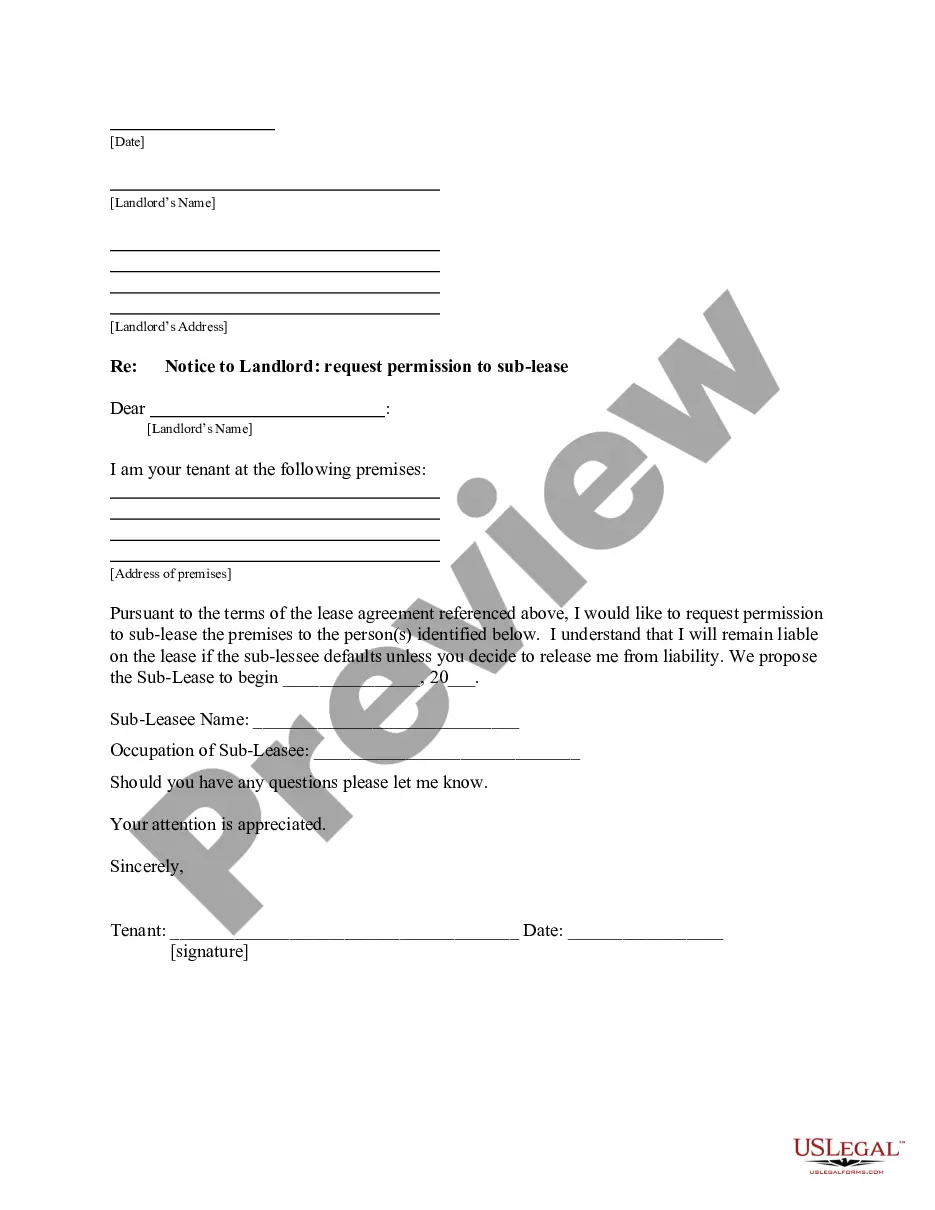


Form popularity
FAQ
Types of Profitable Commercial Real Estate Investments Industrial Properties. Industrial Properties have strong and stable demand, especially with industries like manufacturing and e-commerce needing properties like warehouses to store and distribute their goods. Multifamily Properties. Shopping Centers.
On July 8, 2024, Gov. Josh Shapiro signed Act 52 — the Wholesale Real Estate Transaction Transparency and Protection Act — into law, which requires real estate wholesalers to obtain licensing and grants additional protections to property owners in wholesale transactions. Act 52 will take effect on Jan. 4, 2025.
Understanding the New Regulations on PA Wholesalers In 2024, Pennsylvania enacted Bill 52 which requires wholesalers to register with the state, obtain licensing and follow disclosure policies. This will take effect January 4, 2025. It is aimed at increasing transparency and regulation in the wholesaling market.
Is Wholesaling Real Estate Legal in Pennsylvania? The short answer is, yes. Real estate wholesaling in Pennsylvania is legal as long as the investor complies with all applicable state laws.
Many of the issues confronting industry stakeholders in the new year are interrelated. High Financing Costs. Massive Commercial Real Estate Debt. High Cap Rates. Soaring Insurance Costs. Increasingly Unaffordable Housing. Rise in Artificial Intelligence. Impact of Extreme Weather. Lingering Office Vacancies.
Legalities of Living in a Commercial Space Now, delving into the legalities, it's typically illegal to reside in a property zoned as commercial. This is often due to health and safety codes that commercial properties don't align with.
In 2024, Pennsylvania enacted Act 52 which requires wholesalers to register with the state, obtain licensing, and follow disclosure policies. This new law will take effect January 9, 2025. The law is aimed at increasing transparency and regulation in the wholesaling market.
Beginning in 2025, Pennsylvania law will require those engaging in residential real estate wholesaling to comply with new licensing requirements and grant additional protections to consumers. The changes come about as a result of Governor Josh Shapiro signing Senate Bill 1173 into law as Act 52 on July 8, 2024.
Now, delving into the legalities, it's typically illegal to reside in a property zoned as commercial. This is often due to health and safety codes that commercial properties don't align with. However, there might be exceptions if a commercial building gets zoned for residential use through a variance process.
Commercial properties involve tenants that are businesses or multifamily apartments with five or more units. Residential properties are those where people live, such as single-family homes, duplexes, triplexes, or apartment buildings with four or fewer units.
