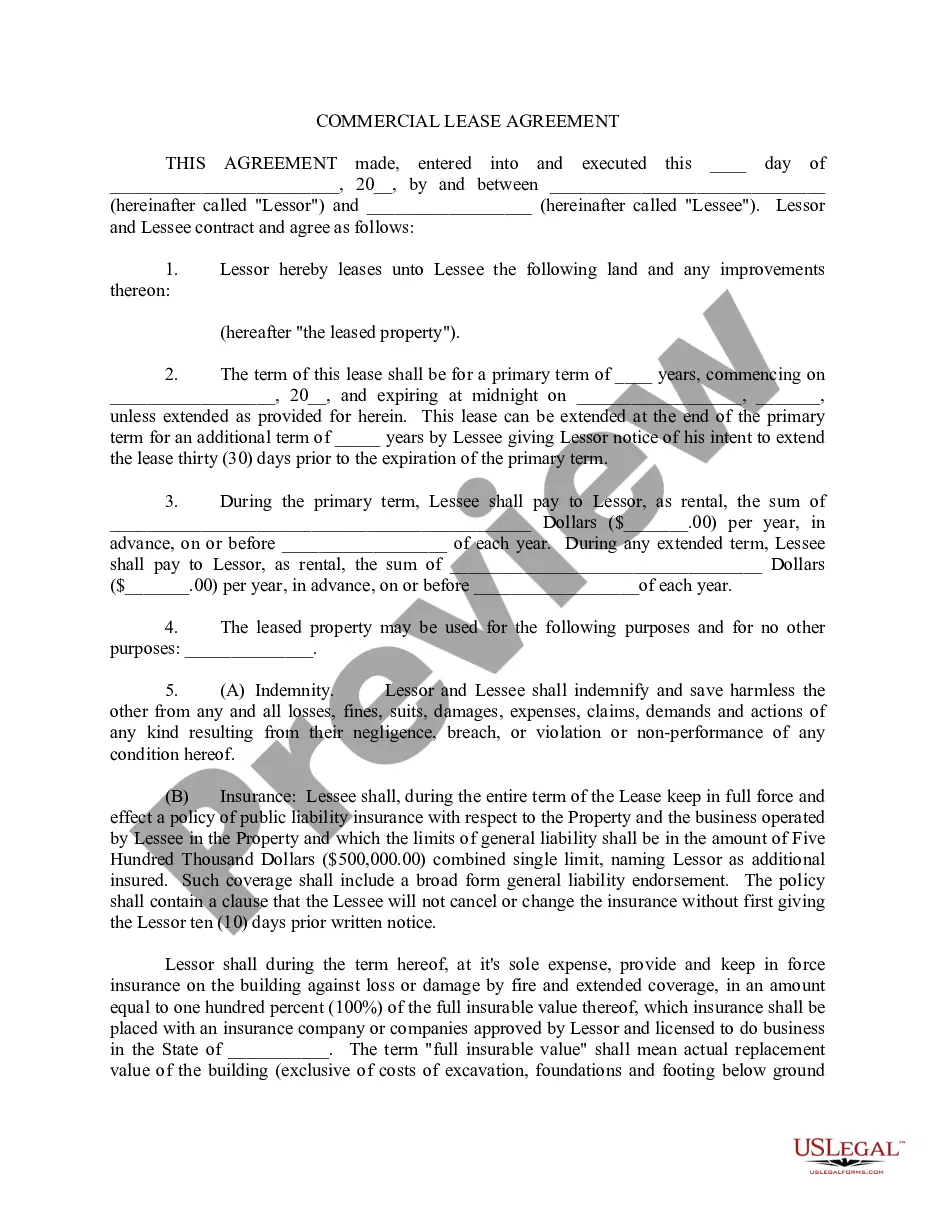
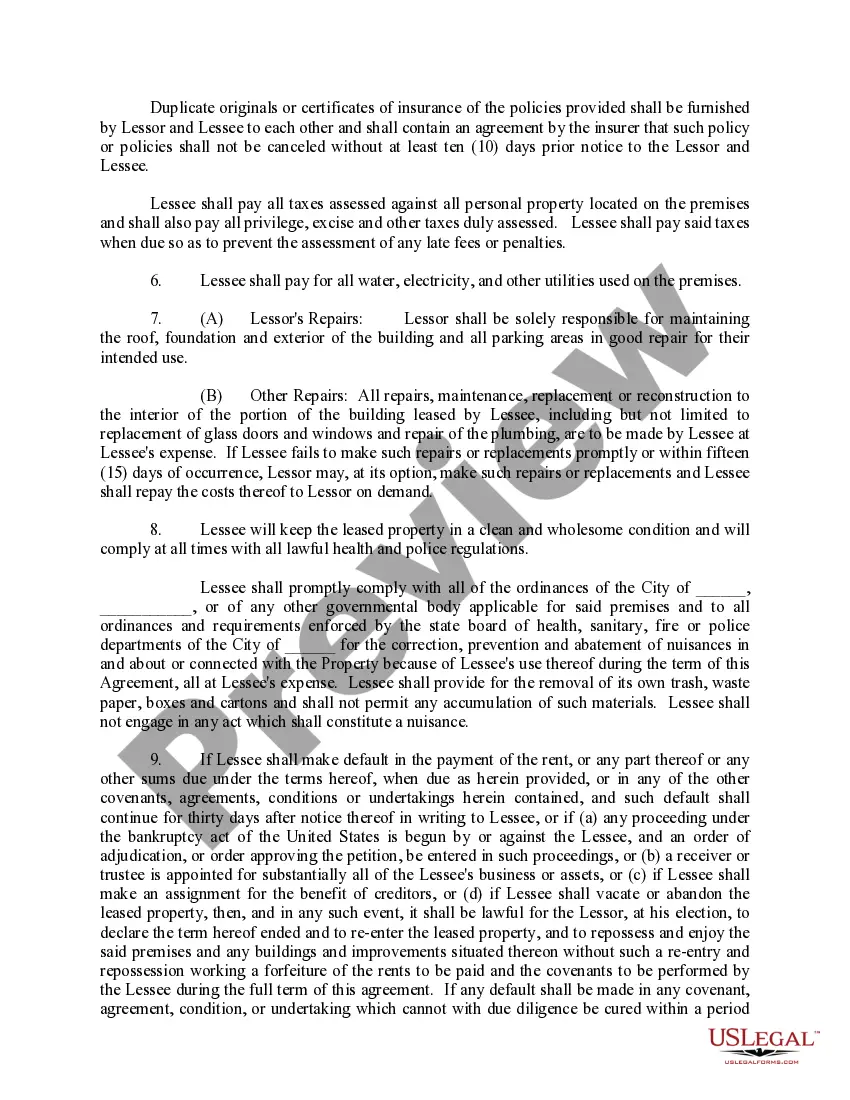
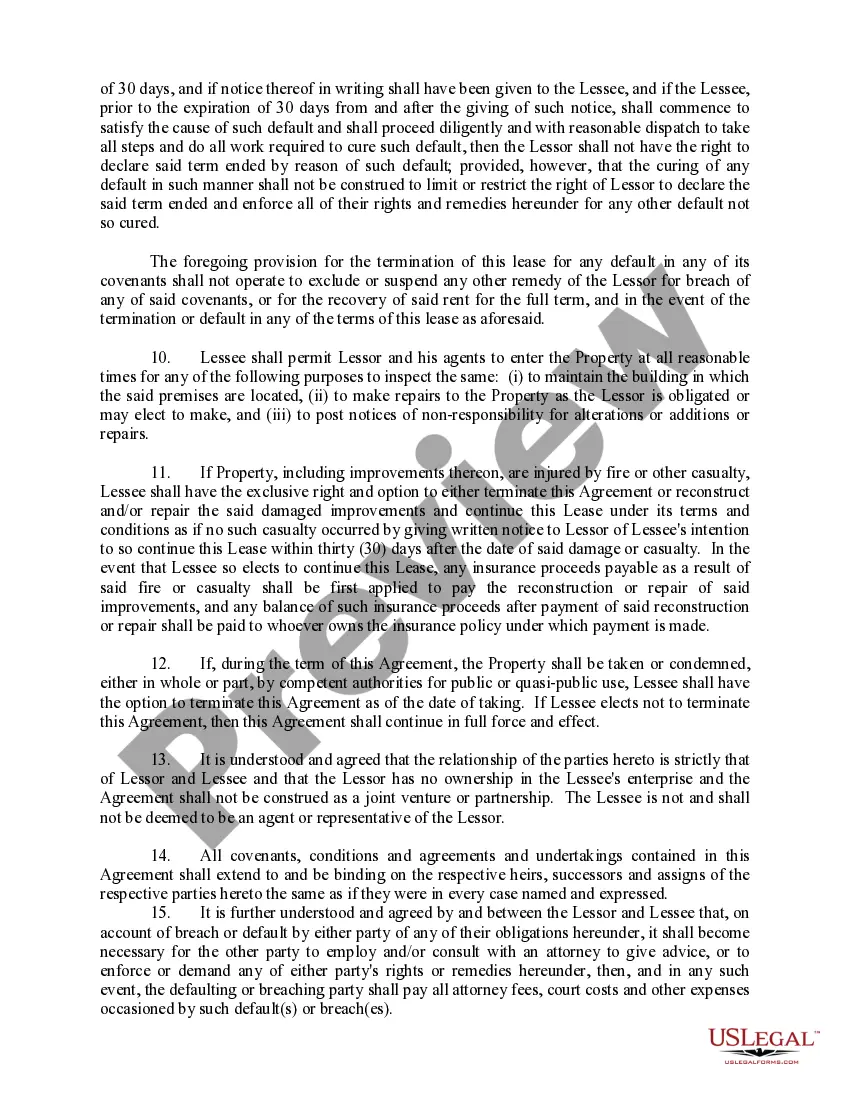
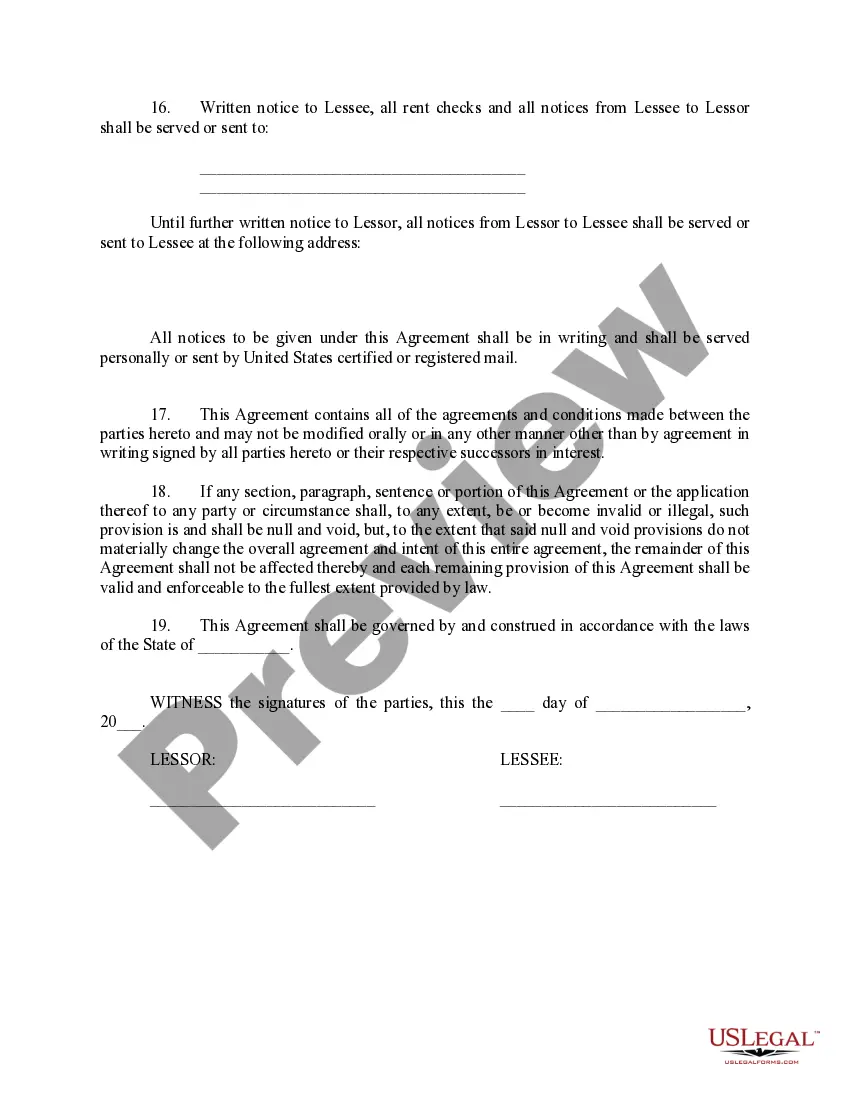
Commercial Property For Purchase In Miami-Dade
Description
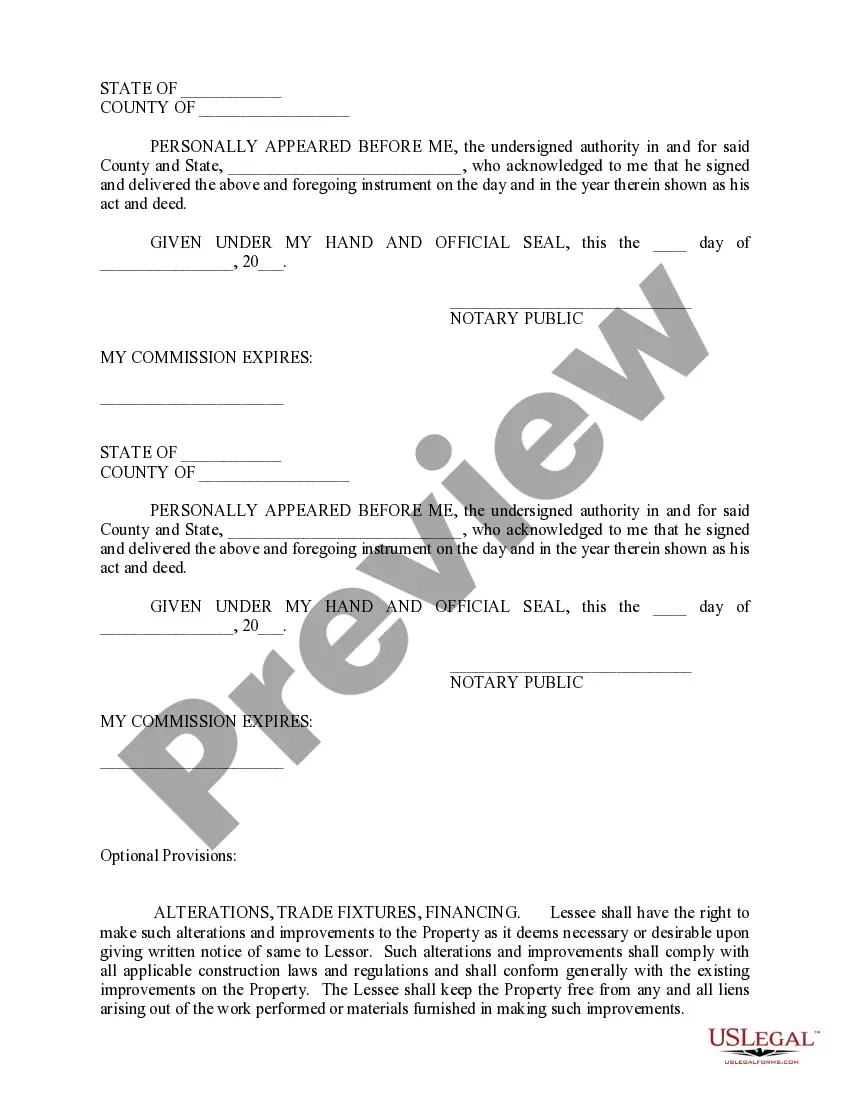

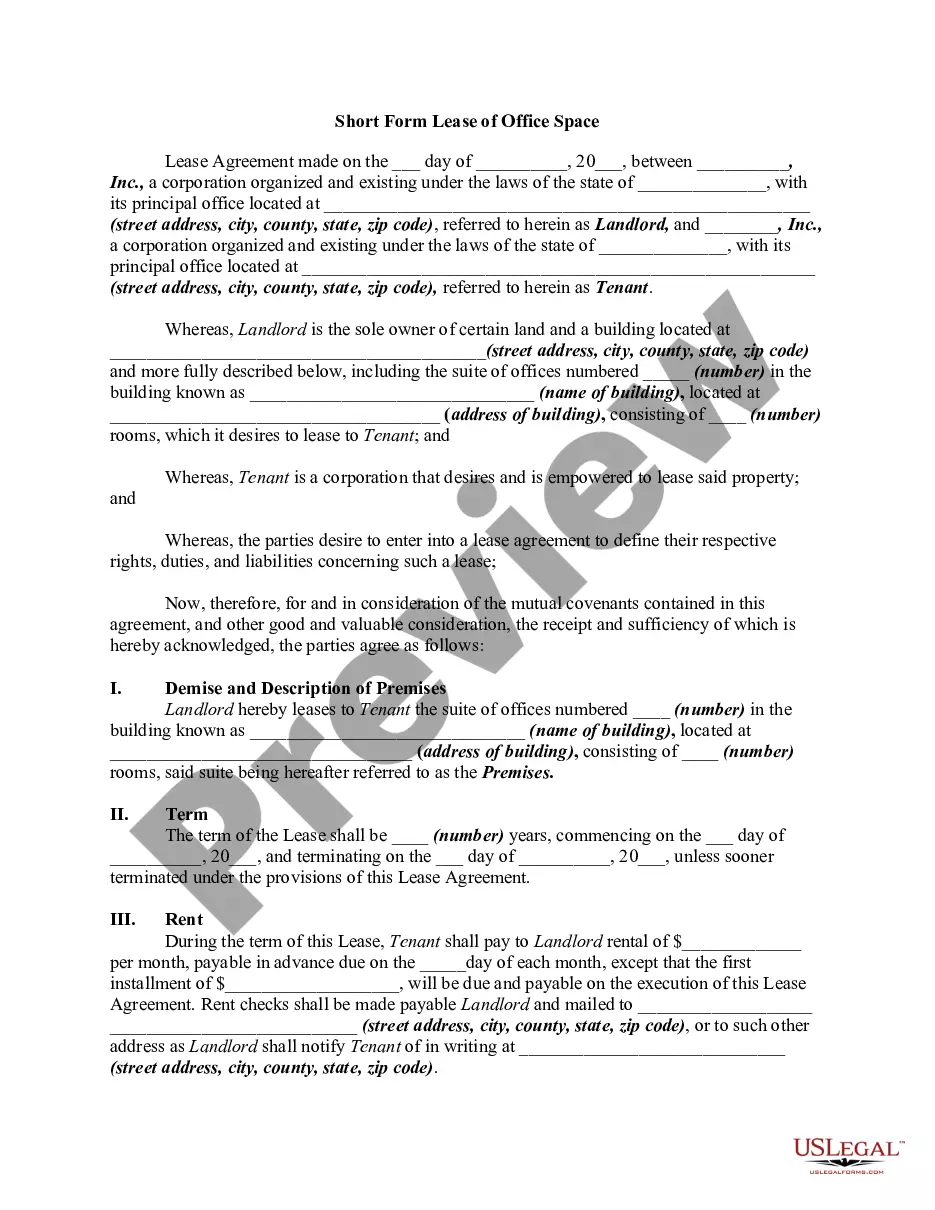
Get your form ready online
Our built-in tools help you complete, sign, share, and store your documents in one place.
Make edits, fill in missing information, and update formatting in US Legal Forms—just like you would in MS Word.
Download a copy, print it, send it by email, or mail it via USPS—whatever works best for your next step.
Sign and collect signatures with our SignNow integration. Send to multiple recipients, set reminders, and more. Go Premium to unlock E-Sign.
If this form requires notarization, complete it online through a secure video call—no need to meet a notary in person or wait for an appointment.
We protect your documents and personal data by following strict security and privacy standards.

Make edits, fill in missing information, and update formatting in US Legal Forms—just like you would in MS Word.

Download a copy, print it, send it by email, or mail it via USPS—whatever works best for your next step.

Sign and collect signatures with our SignNow integration. Send to multiple recipients, set reminders, and more. Go Premium to unlock E-Sign.

If this form requires notarization, complete it online through a secure video call—no need to meet a notary in person or wait for an appointment.

We protect your documents and personal data by following strict security and privacy standards.
Looking for another form?








Form popularity
FAQ
Miami's real estate market has several neighborhoods that are great for long-term rentals. Investors who want to diversify their portfolios and have a steady income should focus on these up-and-coming areas. These neighborhoods have a high demand and supply, and they are growing quickly.
Many of the issues confronting industry stakeholders in the new year are interrelated. High Financing Costs. Massive Commercial Real Estate Debt. High Cap Rates. Soaring Insurance Costs. Increasingly Unaffordable Housing. Rise in Artificial Intelligence. Impact of Extreme Weather. Lingering Office Vacancies.
Commercial properties generally don't meet the habitation standards for residential use. As such, you may not legally reside there.
Under Florida law, the answer is that you can only exempt part of the commercial property. When a debtor resides in a building used for residential and commercial purposes, the creditor can force the sale of the entire property.
Types of Profitable Commercial Real Estate Investments Industrial Properties. Industrial Properties have strong and stable demand, especially with industries like manufacturing and e-commerce needing properties like warehouses to store and distribute their goods. Multifamily Properties. Shopping Centers.
Commercial tenants should also understand their covenant of quiet enjoyment rights. Simply put, the landlord must assure the renter of a clear title and promise not to disturb the tenant's belongings. It also guarantees the tenant will enjoy unhindered possession of the property during the lease period.
Residential real estate opportunities are usually single-family homes, townhouses, condos, or duplex structures. Commercial real estate refers to multi-family dwellings (e.g., apartment blocks), industrial, office, or retail properties.
Using a commercial property as a residential space This means you need to apply to change the building use from commercial to residential. While this is perfectly achievable, the first thing to consider is the type of building you're interested in.
Local Business Tax Receipt: All businesses operating within Miami-Dade County are required to obtain a Miami-Dade County Local Business Tax Receipt (formerly known as Occupational License).
