Commercial Lease Agreement Application With Personal Guarantee In Miami-Dade
Description
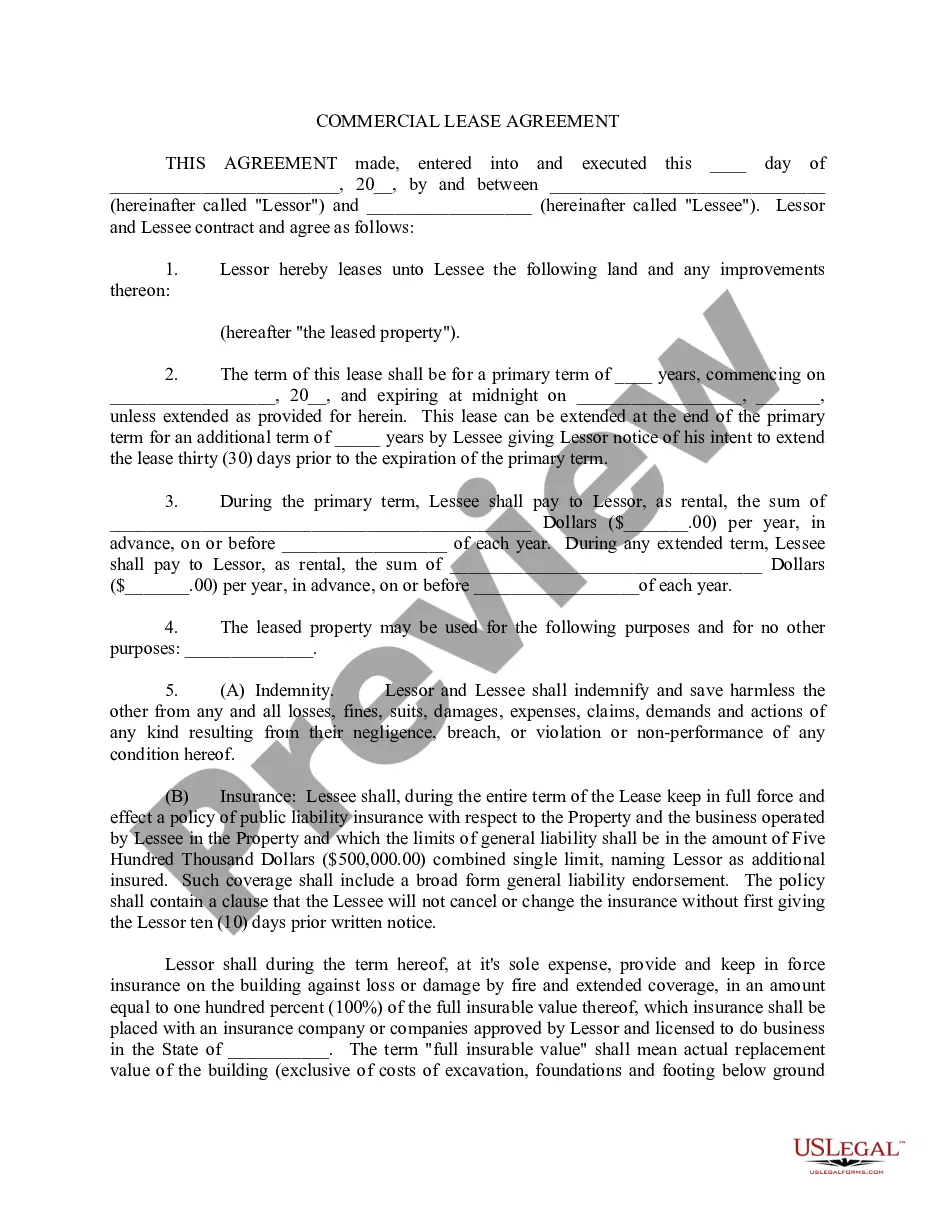
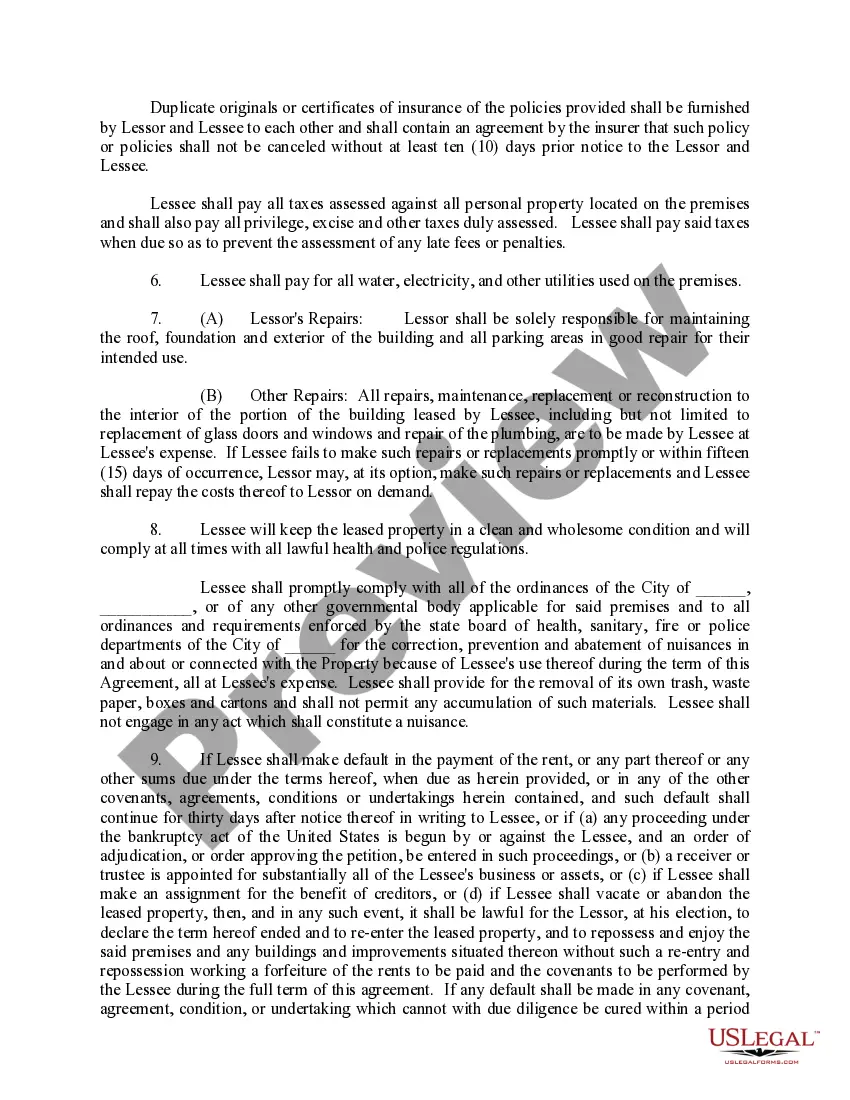
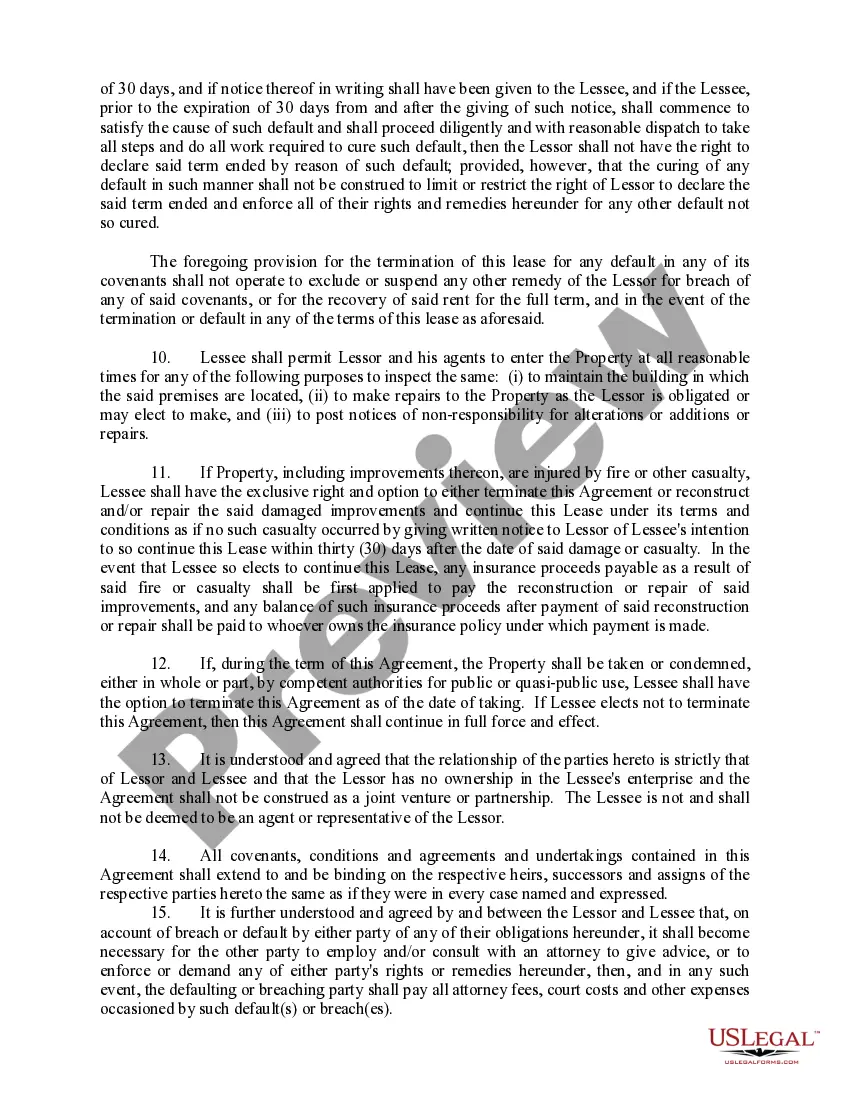
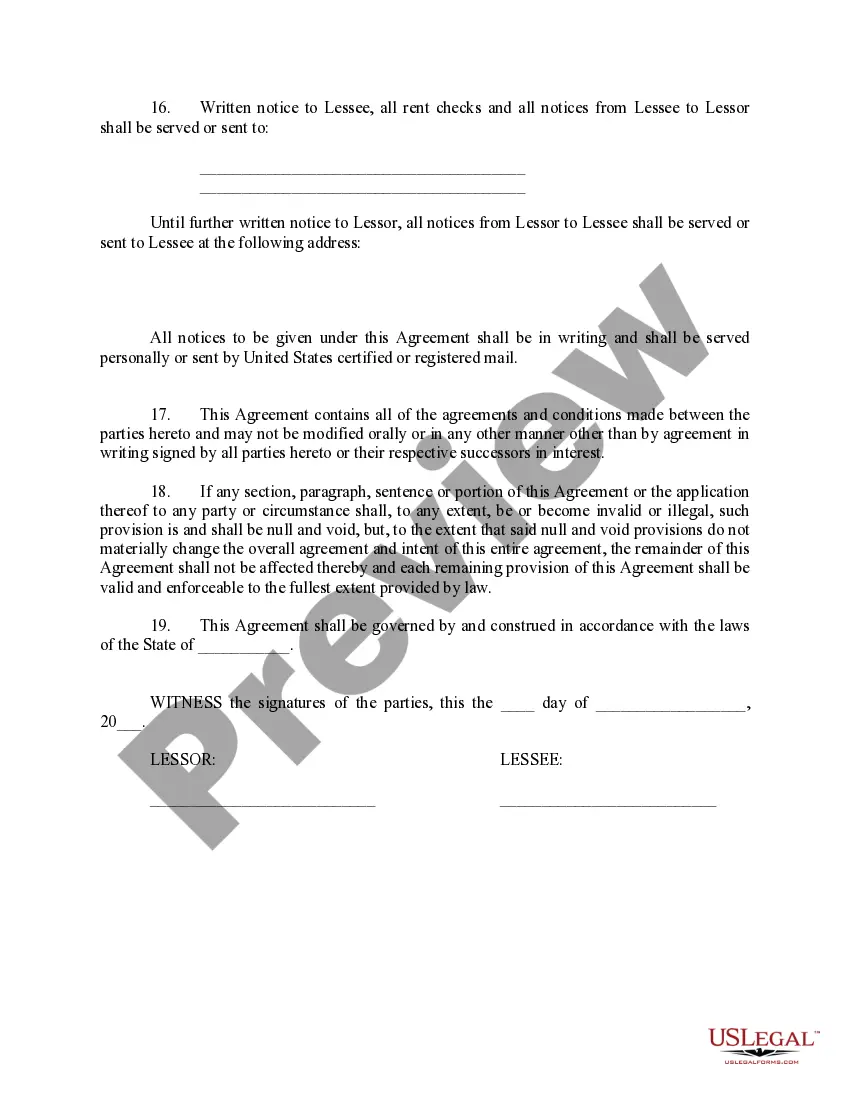
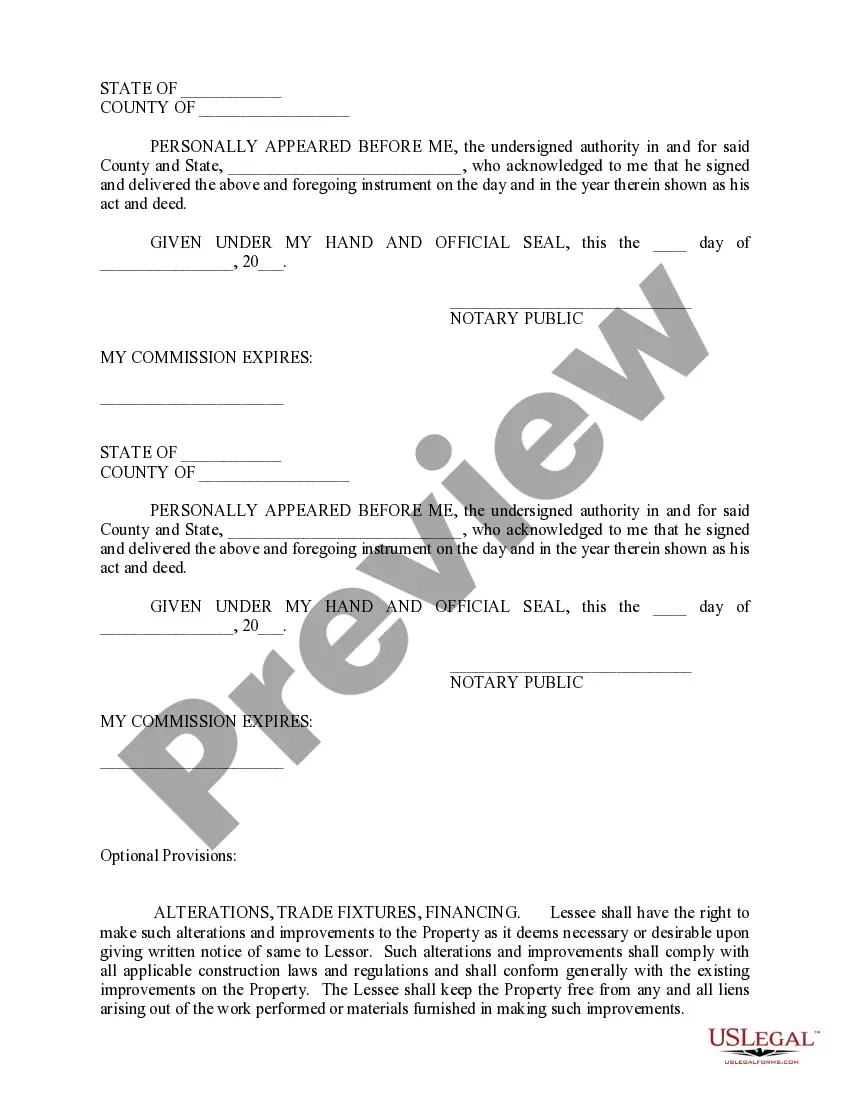

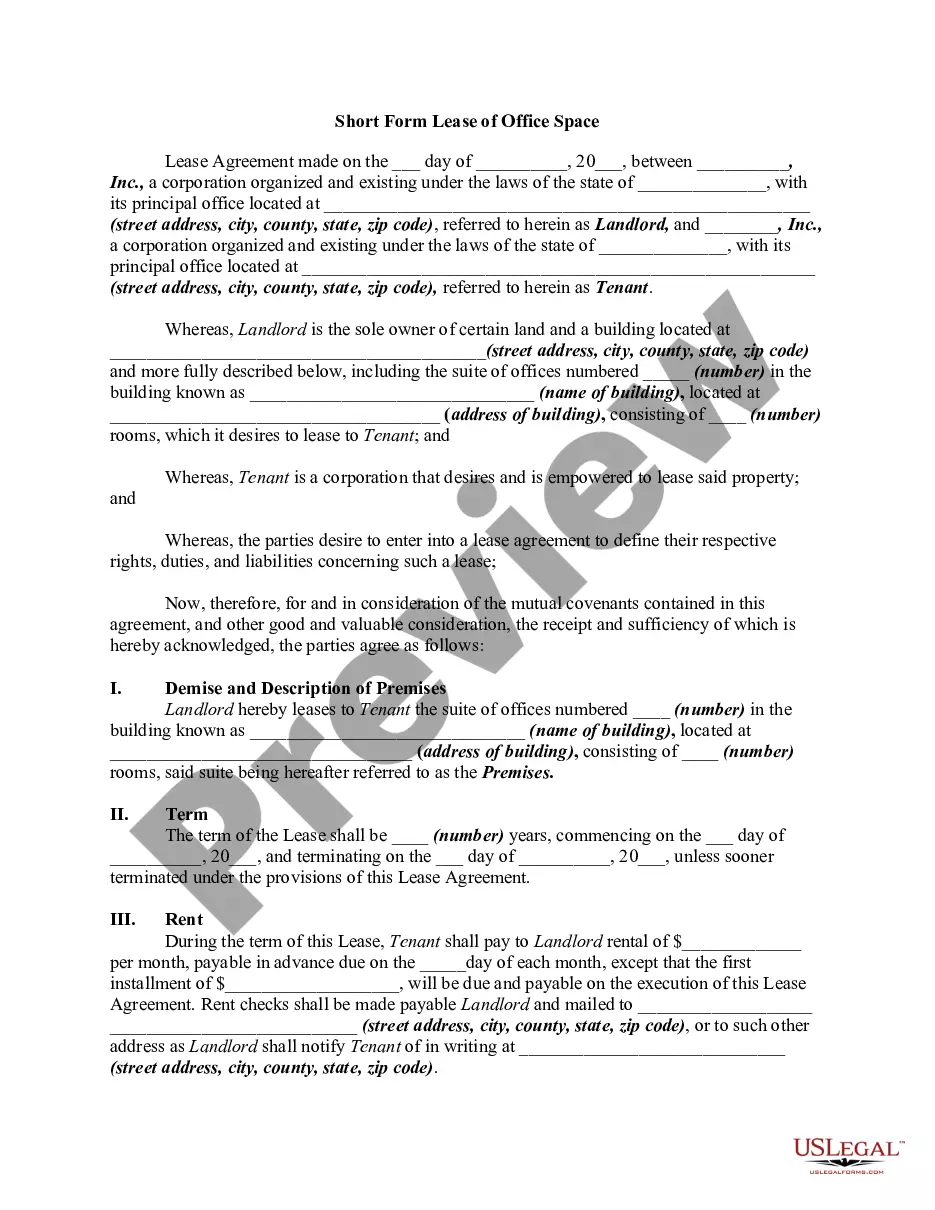
Get your form ready online
Our built-in tools help you complete, sign, share, and store your documents in one place.
Make edits, fill in missing information, and update formatting in US Legal Forms—just like you would in MS Word.
Download a copy, print it, send it by email, or mail it via USPS—whatever works best for your next step.
Sign and collect signatures with our SignNow integration. Send to multiple recipients, set reminders, and more. Go Premium to unlock E-Sign.
If this form requires notarization, complete it online through a secure video call—no need to meet a notary in person or wait for an appointment.
We protect your documents and personal data by following strict security and privacy standards.

Make edits, fill in missing information, and update formatting in US Legal Forms—just like you would in MS Word.

Download a copy, print it, send it by email, or mail it via USPS—whatever works best for your next step.

Sign and collect signatures with our SignNow integration. Send to multiple recipients, set reminders, and more. Go Premium to unlock E-Sign.

If this form requires notarization, complete it online through a secure video call—no need to meet a notary in person or wait for an appointment.

We protect your documents and personal data by following strict security and privacy standards.
Looking for another form?









Form popularity
FAQ
How to get out of a personal guarantee on a commercial lease Subleasing the space to another tenant. Assigning the lease to another party. Use a break clause. Renegotiate the lease contract. Have a personal guarantee insurance. Breaking the lease.
Business landlords generally request a personal guarantee from directors because of the extended nature of a commercial lease. Their wish to protect themselves from a tenant's insolvency is understandable, particularly when repayments are made over a period of years rather than months.
Many commercial landlords require that a guarantor secure the obligations and liabilities of a tenant as a prerequisite for entering into a lease. A lease guaranty is a contract between an individual or entity (guarantor) that is typically related to the tenant.
Many commercial landlords require that a guarantor secure the obligations and liabilities of a tenant as a prerequisite for entering into a lease. A lease guaranty is a contract between an individual or entity (guarantor) that is typically related to the tenant.
Offer alternative forms of security – Landlords may be open to alternative forms of security instead of a personal guarantee, including a corporate guarantee, third-party co-signer or a letter of credit from your bank.
You may be able to negotiate your own exit terms by offering the landlord a deal. There is no guarantee that it will be accepted, however, and it might be a costly process. This involves finding a new tenant to take over your lease. The landlord will want to impose restrictions and make sure of their suitability.
This is a generic form of guarantee for use when a company (typically, the corporate parent) is asked to support the obligations of a party (obligor) under a commercial agreement. This Standard Document has integrated notes with important explanations and drafting and negotiating tips.
Contact Eko Law today to work with our business attorney in Clearwater. While you can legally write your own commercial lease agreement in Florida, the risks often outweigh the benefits. For most landlords and business owners, the expertise of a qualified attorney is invaluable in this process.
Related Content. A form of guarantee which may be given (as a condition of the landlord's consent) by an outgoing tenant of its assignee's obligations under the lease. The guarantee will only endure for so long as the assignee remains the tenant.
The difference between corporate and personal guarantees is quite simple. A personal guarantee is when an individual agrees to take on the obligations of a debt for a debtor, whereas a corporate guarantee is when a guarantor is a corporation that takes on payment responsibilities.
