Difference Between A Commercial And Retail Lease In Mecklenburg
Description

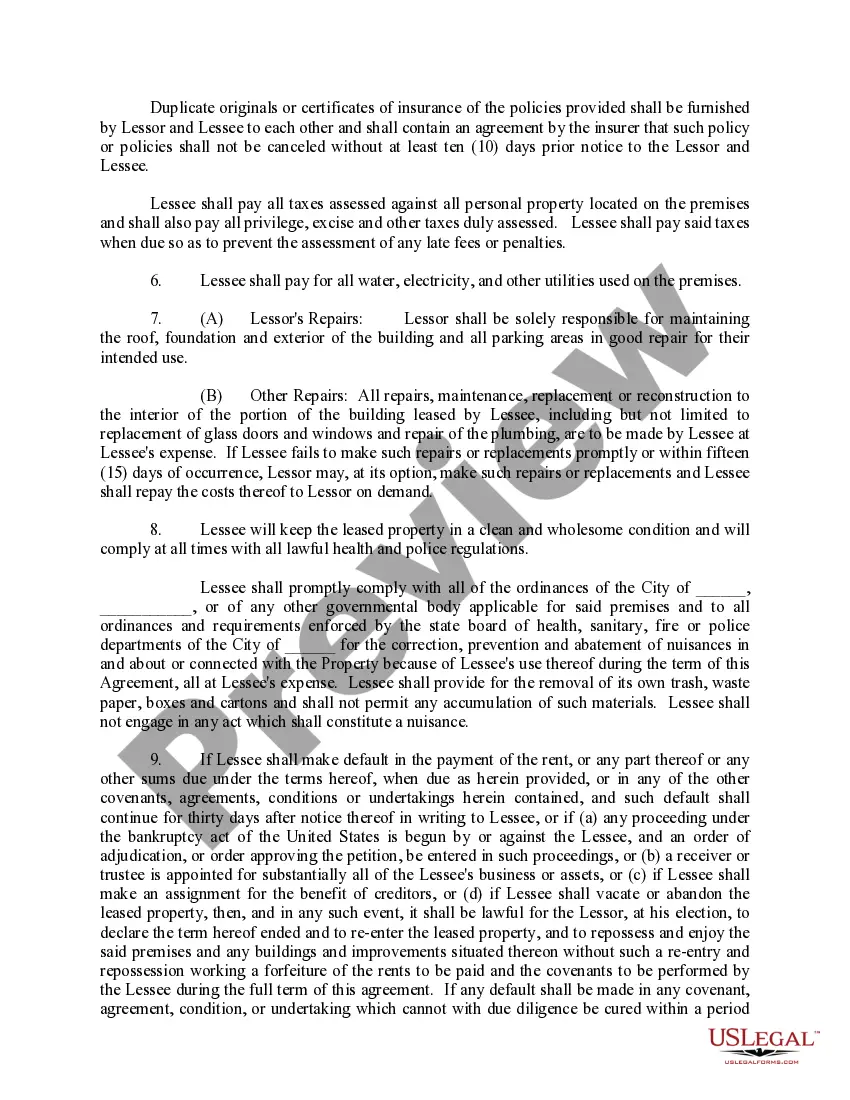
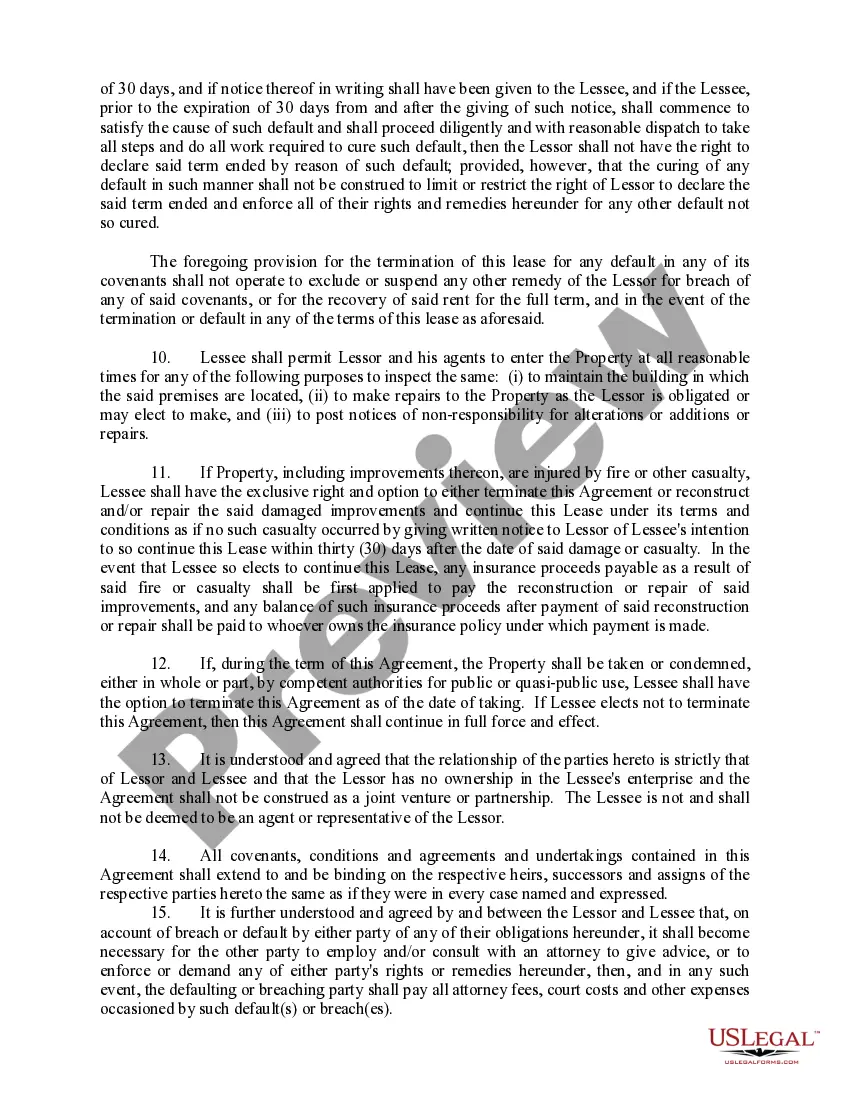
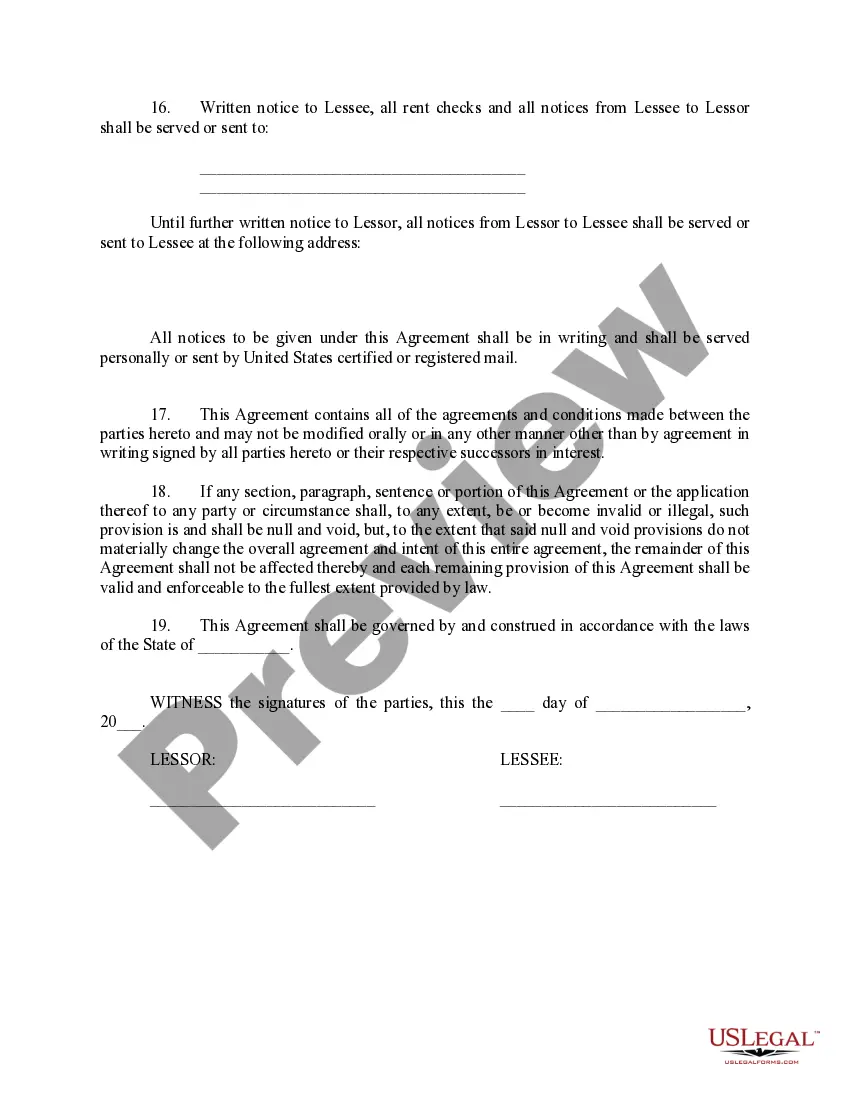
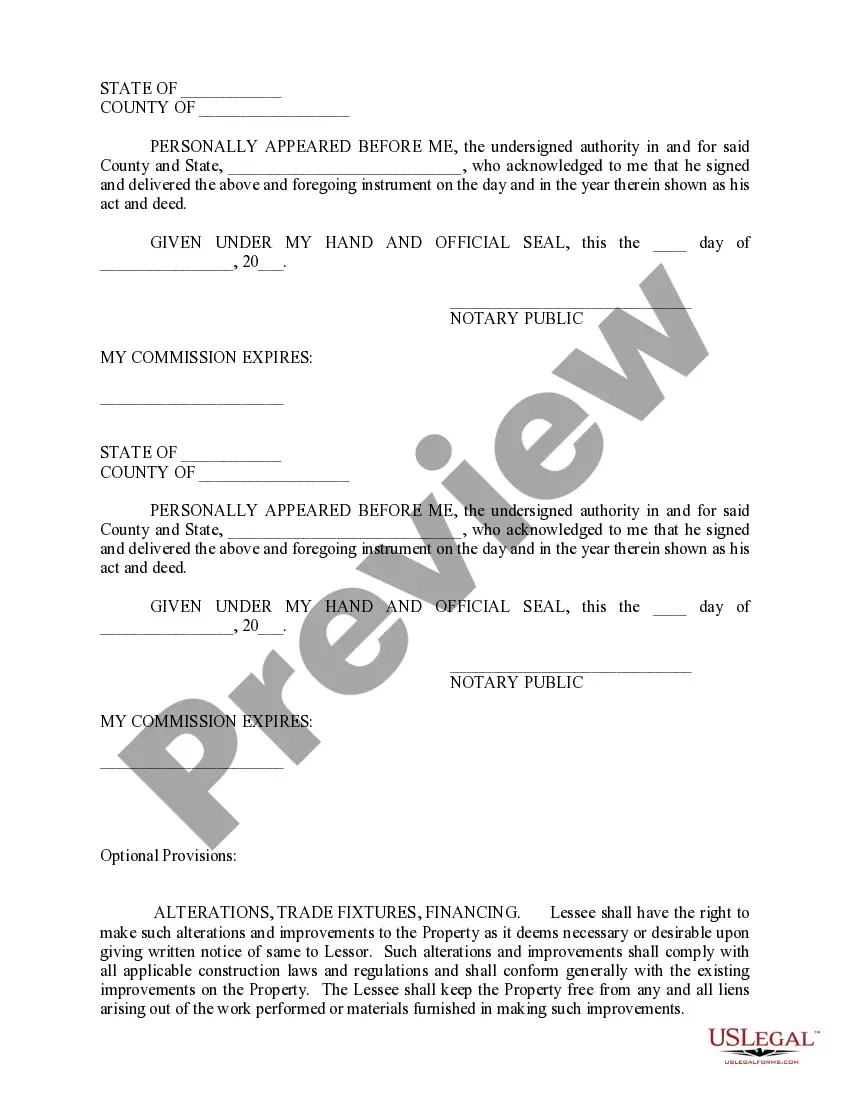

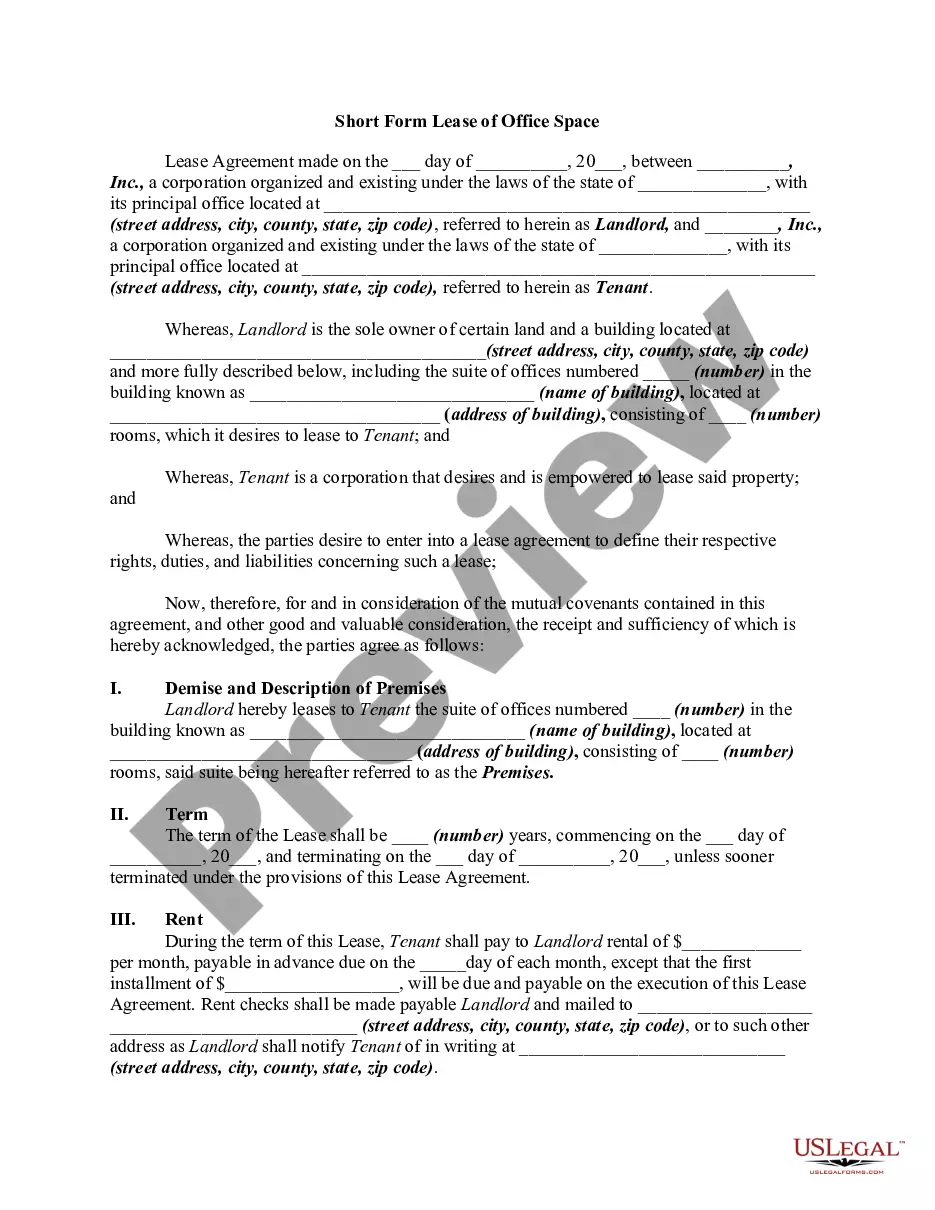
Get your form ready online
Our built-in tools help you complete, sign, share, and store your documents in one place.
Make edits, fill in missing information, and update formatting in US Legal Forms—just like you would in MS Word.
Download a copy, print it, send it by email, or mail it via USPS—whatever works best for your next step.
Sign and collect signatures with our SignNow integration. Send to multiple recipients, set reminders, and more. Go Premium to unlock E-Sign.
If this form requires notarization, complete it online through a secure video call—no need to meet a notary in person or wait for an appointment.
We protect your documents and personal data by following strict security and privacy standards.

Make edits, fill in missing information, and update formatting in US Legal Forms—just like you would in MS Word.

Download a copy, print it, send it by email, or mail it via USPS—whatever works best for your next step.

Sign and collect signatures with our SignNow integration. Send to multiple recipients, set reminders, and more. Go Premium to unlock E-Sign.

If this form requires notarization, complete it online through a secure video call—no need to meet a notary in person or wait for an appointment.

We protect your documents and personal data by following strict security and privacy standards.
Looking for another form?










Form popularity
FAQ
Retail comprises the commercial spaces that host the retailers and restaurants we frequent. They can be multi-tenant (often with an anchor, or lead tenant, that serves to drive traffic to the leased property) or single-use, standalone buildings.
Commercial Retail means the sale or display of merchandise to the public including the storage of merchandise on or about the premises in quantities sufficient only to supply the public for a reasonable period of time.
The Restaurant and Food Retail industry includes chain and franchised restaurants which encompasses all fast food, eateries and full-service locals, in addition to all retail supermarkets and grocery stores. The food retail industry contains any business that sells food to consumers for preparation and consumption.
That makes retail the largest private employer in the United States with 1 of 4 Americans working in retail. Retail includes clothing stores, food stores, auto dealers, restaurants, hardware stores and general merchandise.
A commercial property is any real estate intended for a profit-generating activity. It can include activities that directly or indirectly result in profits for the occupant or owner. Retail properties are those that owners/occupants use to sell or market products and services.
Commercial space refers to buildings or areas used for business purposes. These spaces are where companies conduct their operations, sell products, or provide services. Commercial spaces include offices, stores, restaurants, and warehouses.
Carefully considering your business needs and financial situation when choosing a commercial lease type is important. Gross Lease. Often found in office buildings and retail spaces, gross leases provide a simple, all-inclusive rental arrangement. Net Lease. Modified Gross Lease. Percentage Lease.
By far, the most common lease for retail tenants is the percentage lease. In a percentage lease, the retail building owner takes a percentage of their tenants' sales. Anchor tenants have some negotiating power with these kinds of leases.
Types of leasehold estates The first type is most common: Estate for years: An agreement that permits occupancy between two specified dates, at the end of which the property must be vacated. Estate from period to period: A monthly tenancy that has no specified end date.
Gross Lease Gross leases are most common for commercial properties such as offices and retail space. The tenant pays a single, flat amount that includes rent, taxes, utilities, and insurance.
