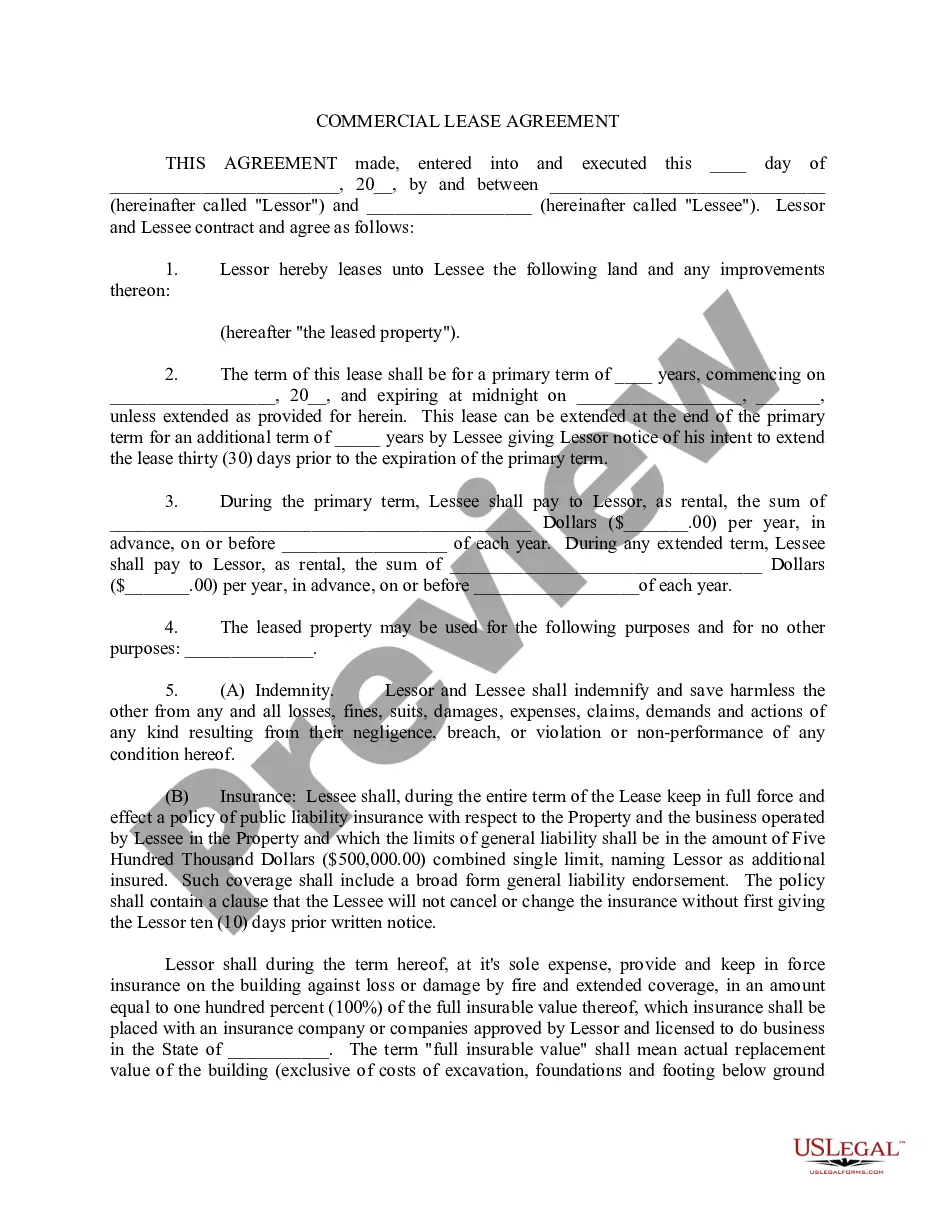
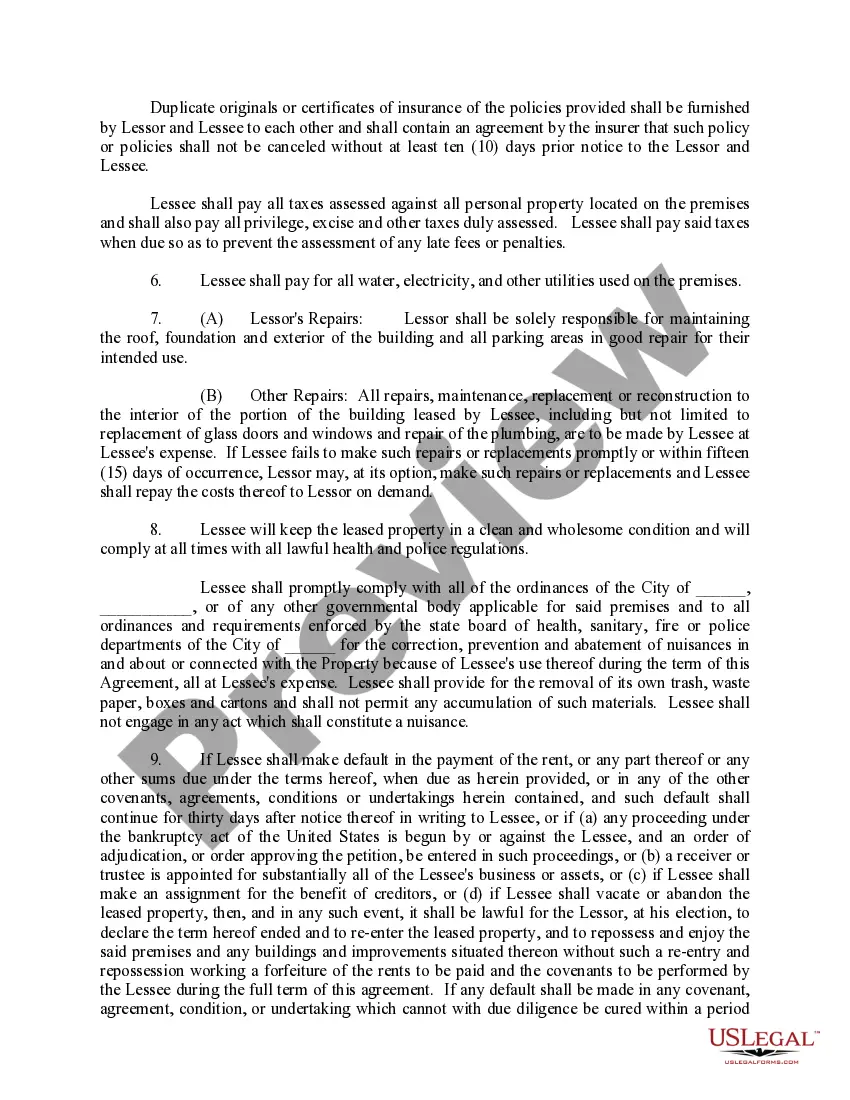
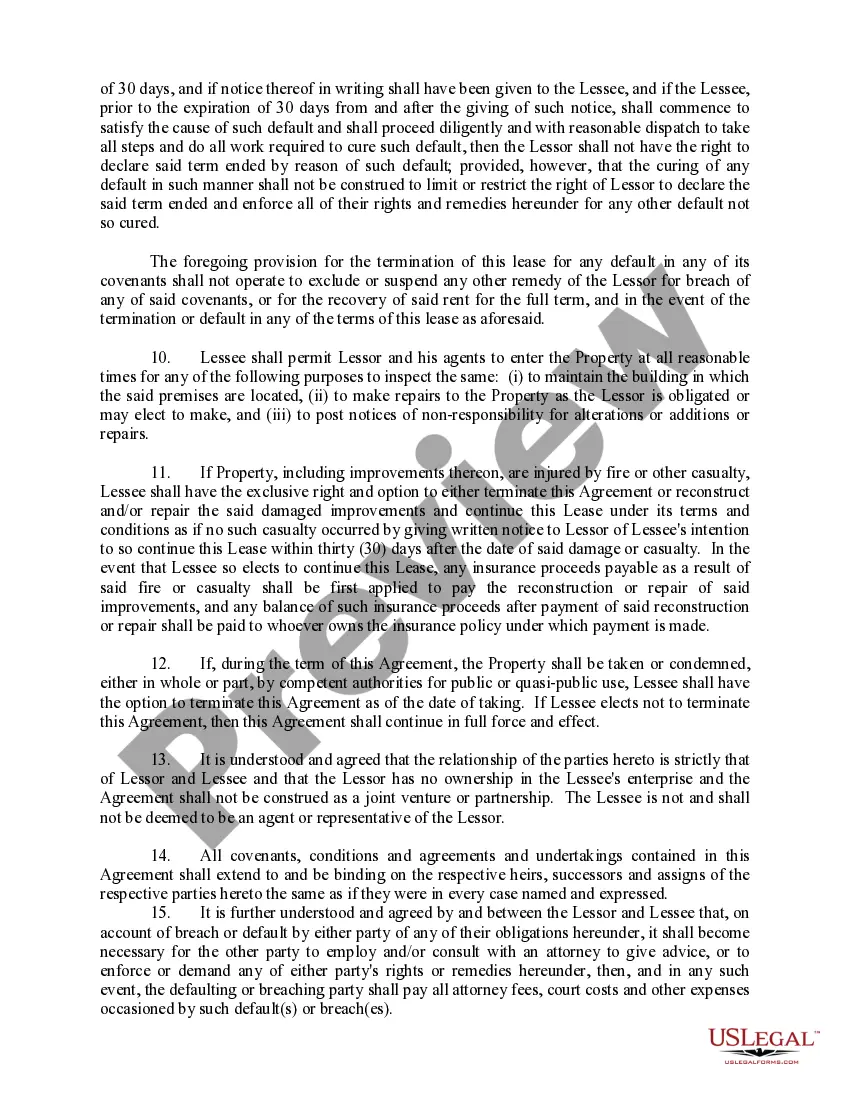
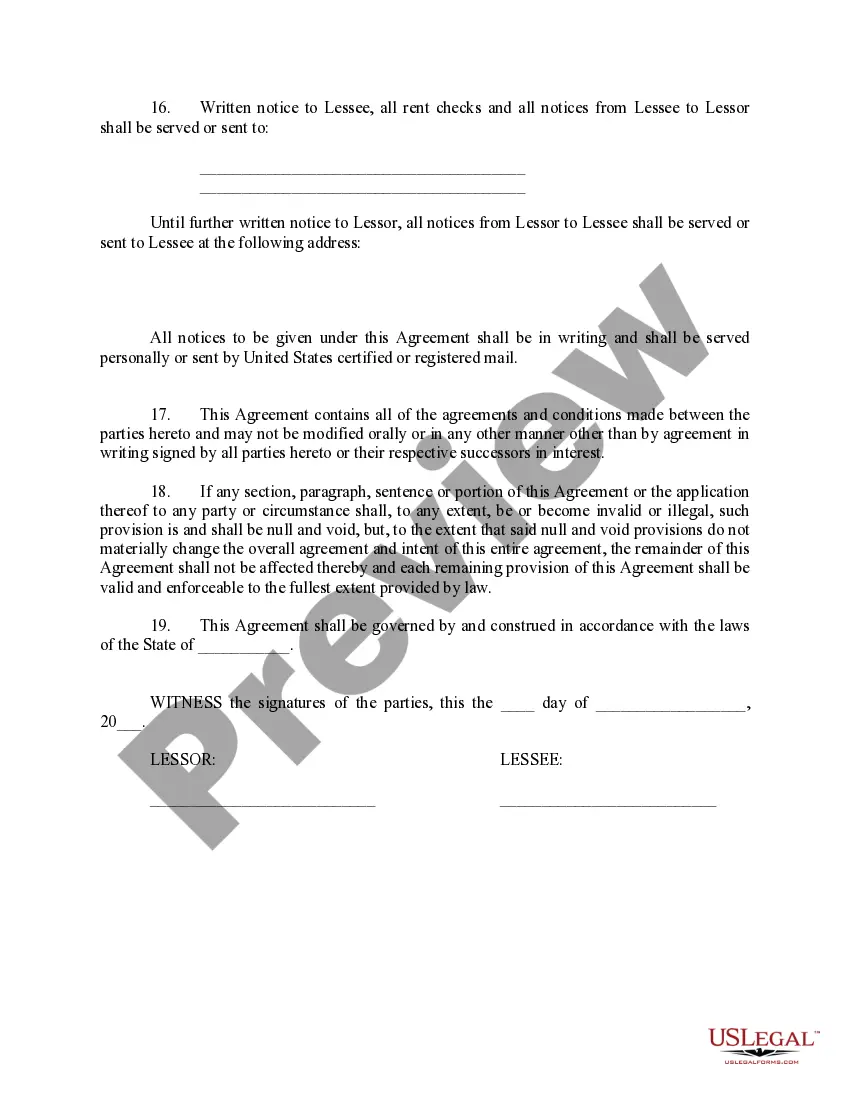
Commercial Lease Agreement Application With Personal Guarantee In Harris
Description
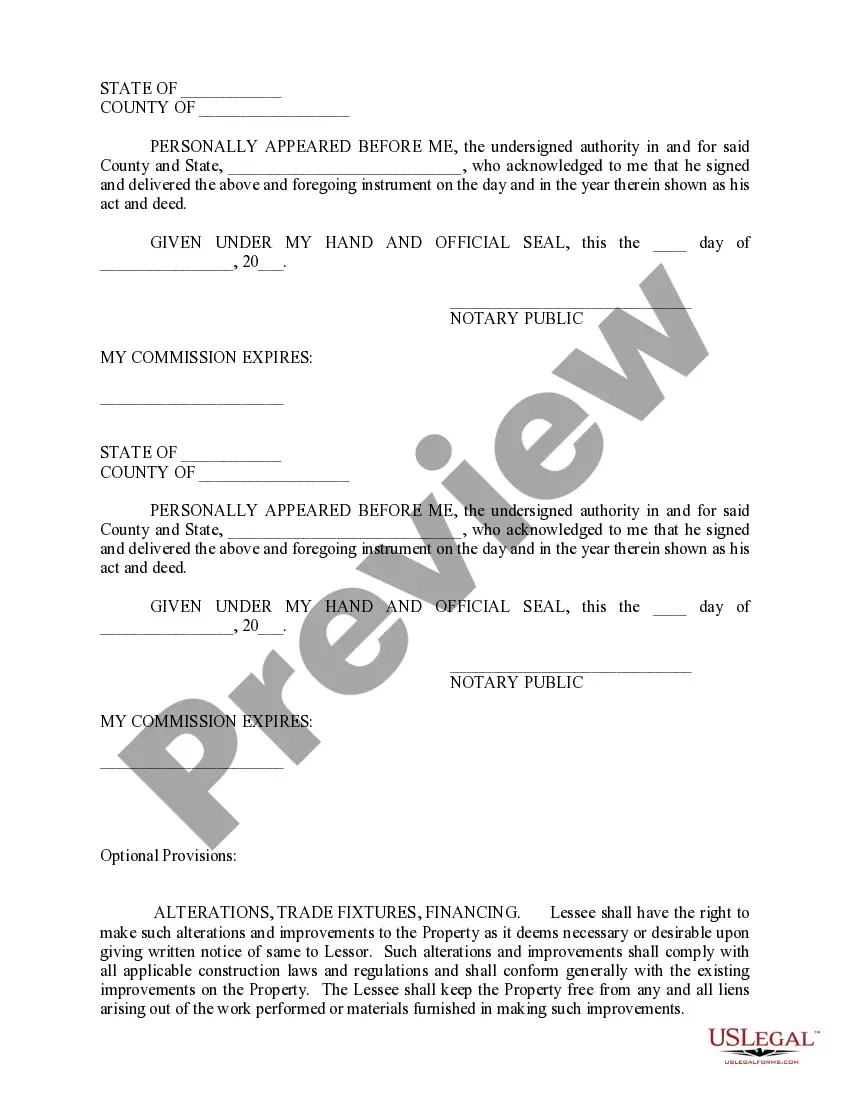

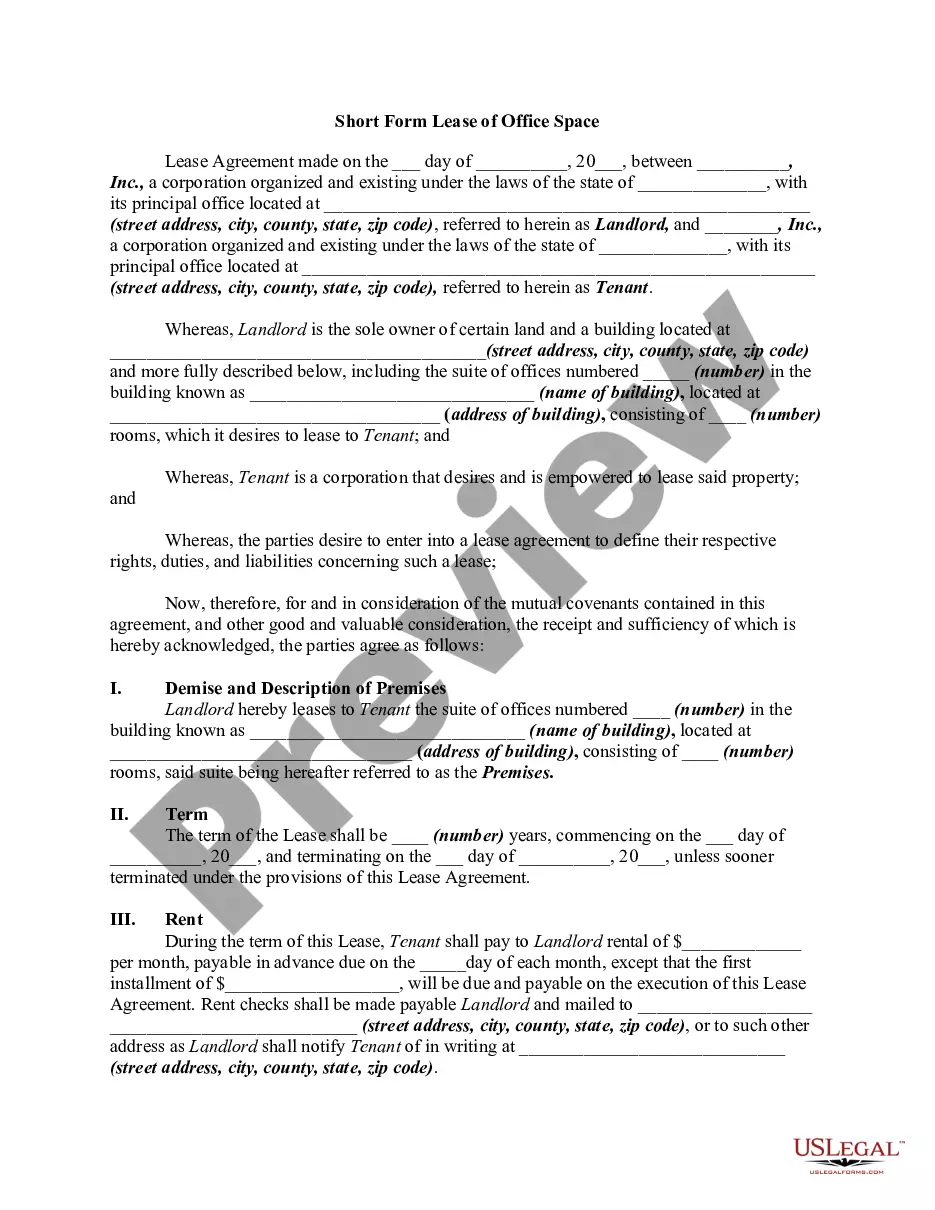
Get your form ready online
Our built-in tools help you complete, sign, share, and store your documents in one place.
Make edits, fill in missing information, and update formatting in US Legal Forms—just like you would in MS Word.
Download a copy, print it, send it by email, or mail it via USPS—whatever works best for your next step.
Sign and collect signatures with our SignNow integration. Send to multiple recipients, set reminders, and more. Go Premium to unlock E-Sign.
If this form requires notarization, complete it online through a secure video call—no need to meet a notary in person or wait for an appointment.
We protect your documents and personal data by following strict security and privacy standards.

Make edits, fill in missing information, and update formatting in US Legal Forms—just like you would in MS Word.

Download a copy, print it, send it by email, or mail it via USPS—whatever works best for your next step.

Sign and collect signatures with our SignNow integration. Send to multiple recipients, set reminders, and more. Go Premium to unlock E-Sign.

If this form requires notarization, complete it online through a secure video call—no need to meet a notary in person or wait for an appointment.

We protect your documents and personal data by following strict security and privacy standards.
Looking for another form?






Form popularity
FAQ
The difference between corporate and personal guarantees is quite simple. A personal guarantee is when an individual agrees to take on the obligations of a debt for a debtor, whereas a corporate guarantee is when a guarantor is a corporation that takes on payment responsibilities.
There are two types of guarantee, which are generally referred to as see-to-it guarantees or pure guarantees and conditional payment guarantees.
This is a generic form of guarantee for use when a company (typically, the corporate parent) is asked to support the obligations of a party (obligor) under a commercial agreement. This Standard Document has integrated notes with important explanations and drafting and negotiating tips.
You may be able to negotiate your own exit terms by offering the landlord a deal. There is no guarantee that it will be accepted, however, and it might be a costly process. This involves finding a new tenant to take over your lease. The landlord will want to impose restrictions and make sure of their suitability.
How do I evict a commercial tenant? Give notice to the tenant. This may be in the form of an Eviction Notice. Let the tenant respond. File a lawsuit to evict. Serve the tenant with the complaint. Schedule a court hearing. Go to court. Start the eviction.
As explained above, a breakpoint is a threshold or trigger specified in a retail lease that determines when a tenant starts paying percentage rent. Breakpoints are based on the gross sales from the premises, and there are two types: natural or fixed dollar.
Can a Commercial Lease Be Terminated Early? Your business is expanding and needs more space. You need less space due to downsizing. The landlord is failing to meet expectations. You're consolidating your portfolio through a merger or acquisition.
You may be able to negotiate your own exit terms by offering the landlord a deal. There is no guarantee that it will be accepted, however, and it might be a costly process. This involves finding a new tenant to take over your lease. The landlord will want to impose restrictions and make sure of their suitability.
Types of leasehold estates The first type is most common: Estate for years: An agreement that permits occupancy between two specified dates, at the end of which the property must be vacated. Estate from period to period: A monthly tenancy that has no specified end date.
The triple net (NNN) lease is often considered the most prevalent form of commercial lease, particularly for retail and industrial properties, due to its predictability for landlords and clear delineation of expense responsibilities for tenants.
