Commercial Lease Agreement Application With Personal Guarantee In Clark
Description
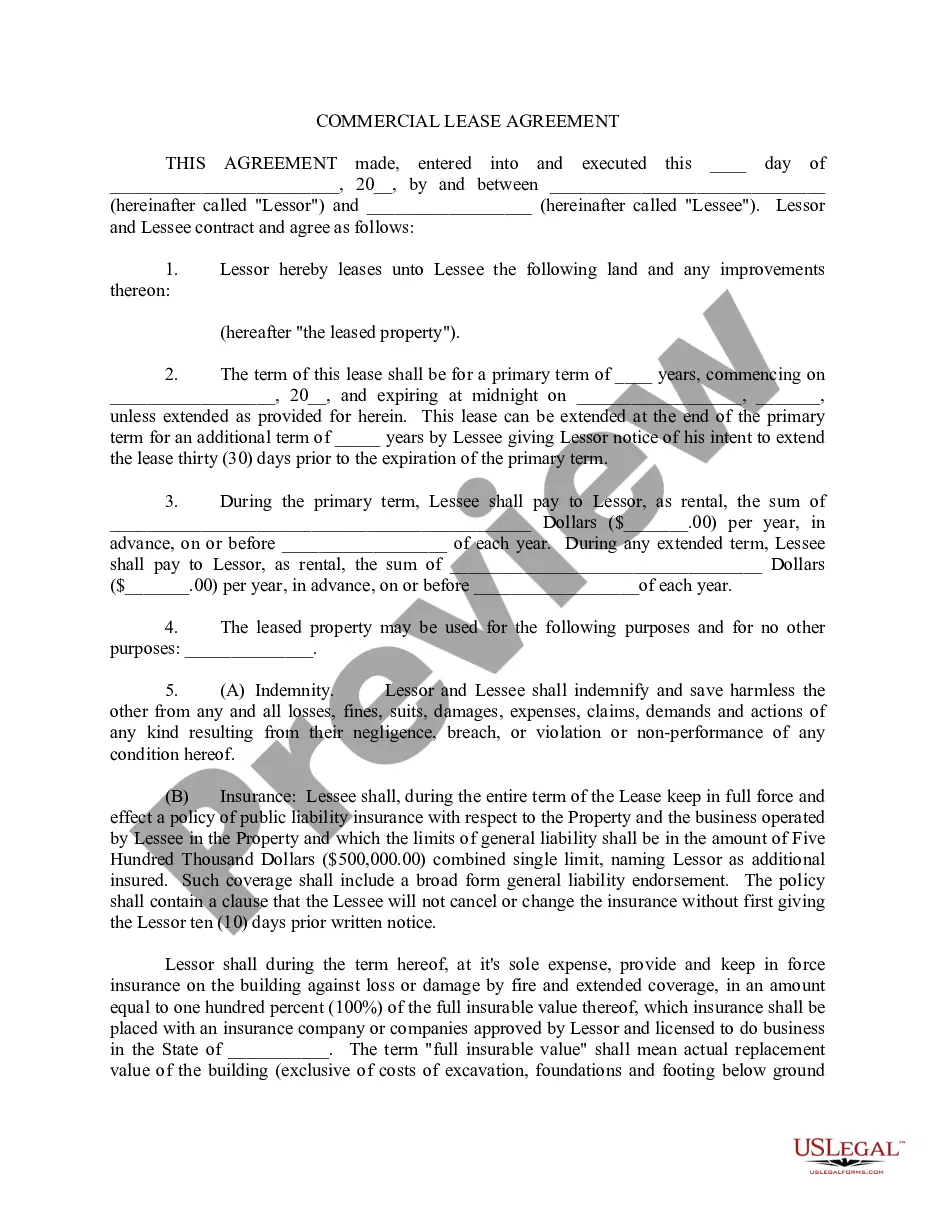
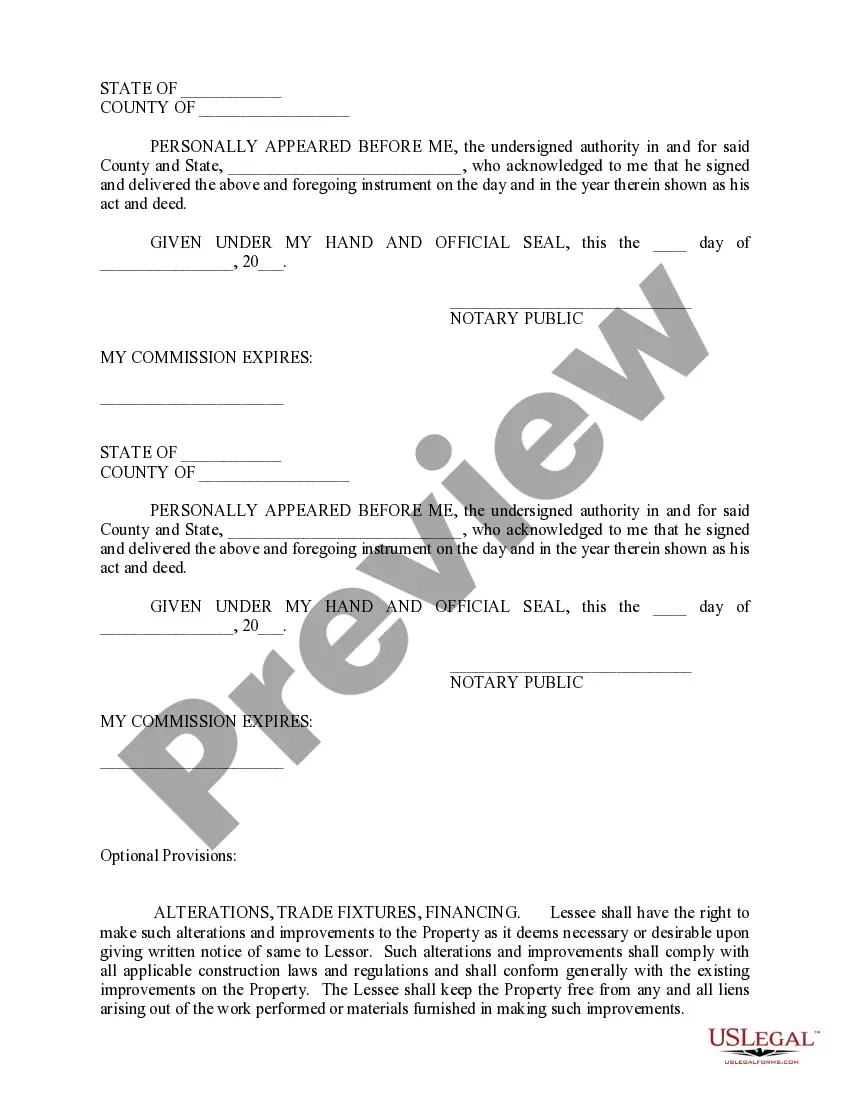

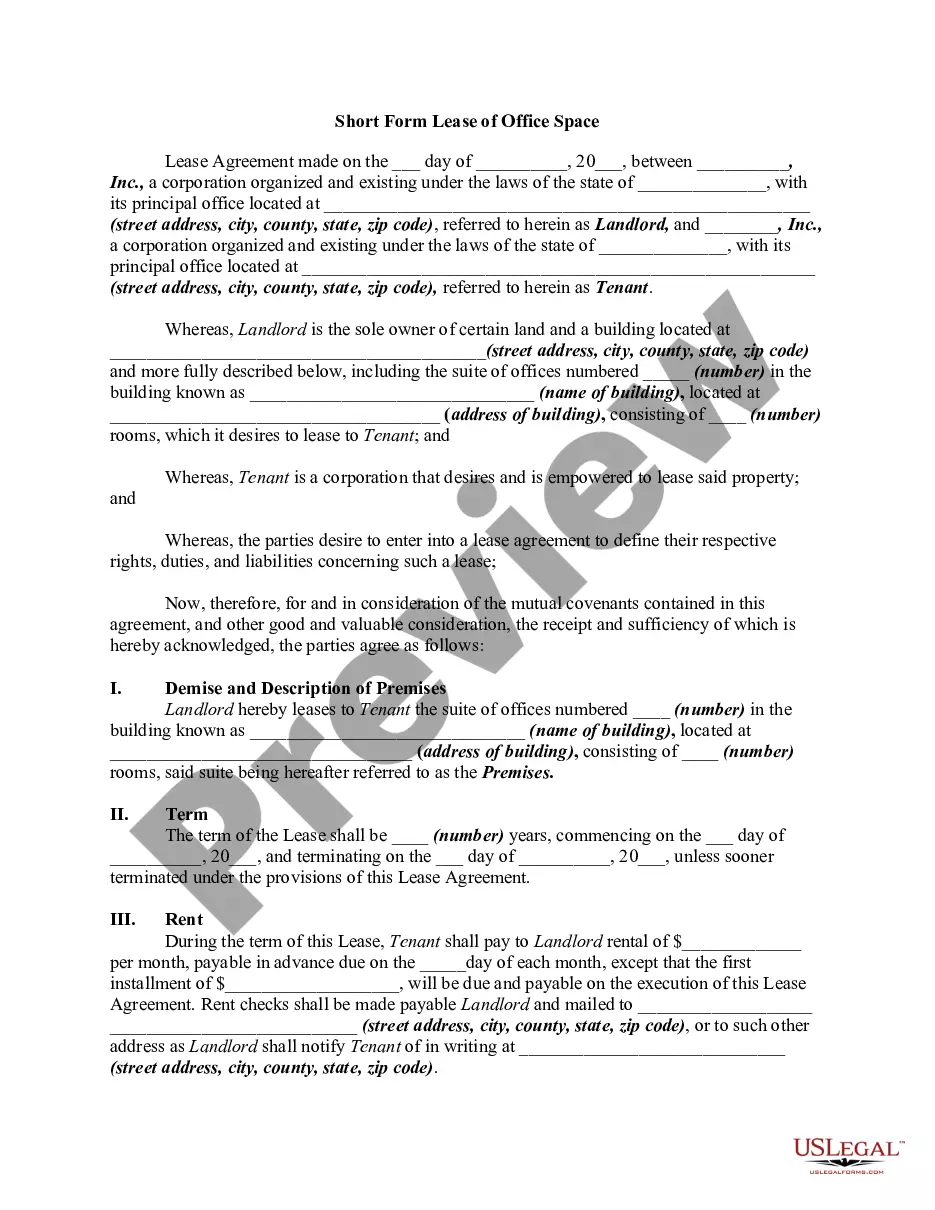
Get your form ready online
Our built-in tools help you complete, sign, share, and store your documents in one place.
Make edits, fill in missing information, and update formatting in US Legal Forms—just like you would in MS Word.
Download a copy, print it, send it by email, or mail it via USPS—whatever works best for your next step.
Sign and collect signatures with our SignNow integration. Send to multiple recipients, set reminders, and more. Go Premium to unlock E-Sign.
If this form requires notarization, complete it online through a secure video call—no need to meet a notary in person or wait for an appointment.
We protect your documents and personal data by following strict security and privacy standards.

Make edits, fill in missing information, and update formatting in US Legal Forms—just like you would in MS Word.

Download a copy, print it, send it by email, or mail it via USPS—whatever works best for your next step.

Sign and collect signatures with our SignNow integration. Send to multiple recipients, set reminders, and more. Go Premium to unlock E-Sign.

If this form requires notarization, complete it online through a secure video call—no need to meet a notary in person or wait for an appointment.

We protect your documents and personal data by following strict security and privacy standards.
Looking for another form?









Form popularity
FAQ
It is important to limit the amount of time that the personal guarantee is effective. This will inform you of a definite date where you will no longer be personally liable for the obligations of the company. For example, if the lease is for a five-year period, try to limit the personal guarantee to the first two years.
You may be able to forgo a personal guarantee by offering collateral or increasing your collateral — a personal guarantee might only cover a certain percentage of the debt.
As long as the guarantee is in writing and is signed by a guarantor with the intention and capacity to sign it, there won't usually be any problems for the lender. Even if you resign from the company or close it down, the lender will still usually be able to enforce the guarantee.
If the company defaults on a finance agreement or enters into liquidation proceedings, the lender will usually write to the guarantor to request the payment. If you do not make the payment, the lender can seek a court judgment to enforce the guarantee, and at that point, your personal assets could be at risk.
You may be able to negotiate your own exit terms by offering the landlord a deal. There is no guarantee that it will be accepted, however, and it might be a costly process. This involves finding a new tenant to take over your lease. The landlord will want to impose restrictions and make sure of their suitability.
A guaranty, much like any other contract, can be revoked later if both the guarantor and the lender agree in writing. Some debts owed by personal guarantors can also be discharged in bankruptcy.
Your personal guarantee may be unenforceable due to circumstances outside of your contract. This may include being misled by the creditor, if a key fact was omitted from the contract, co-guarantor issues, suspicions of fraud, or if the facility provided by the bank changed significantly since you signed the guarantee.
In many cases, a business owner can file a consumer bankruptcy to discharge (wipe out) the personal guarantee. For clarity, a "consumer bankruptcy" means the business owner must file bankruptcy personally, not put the business in bankruptcy, to erase the personal guarantee.
Can a Commercial Lease Be Terminated Early? Your business is expanding and needs more space. You need less space due to downsizing. The landlord is failing to meet expectations. You're consolidating your portfolio through a merger or acquisition.
